
Beat the Sun: What to Look for in a Helmet Sun Protection Accessory
Don't let harsh Australian sun ruin your ride, hike, or work. Discover what makes an effective helmet sun protection accessory, and how to choose the best for your needs.
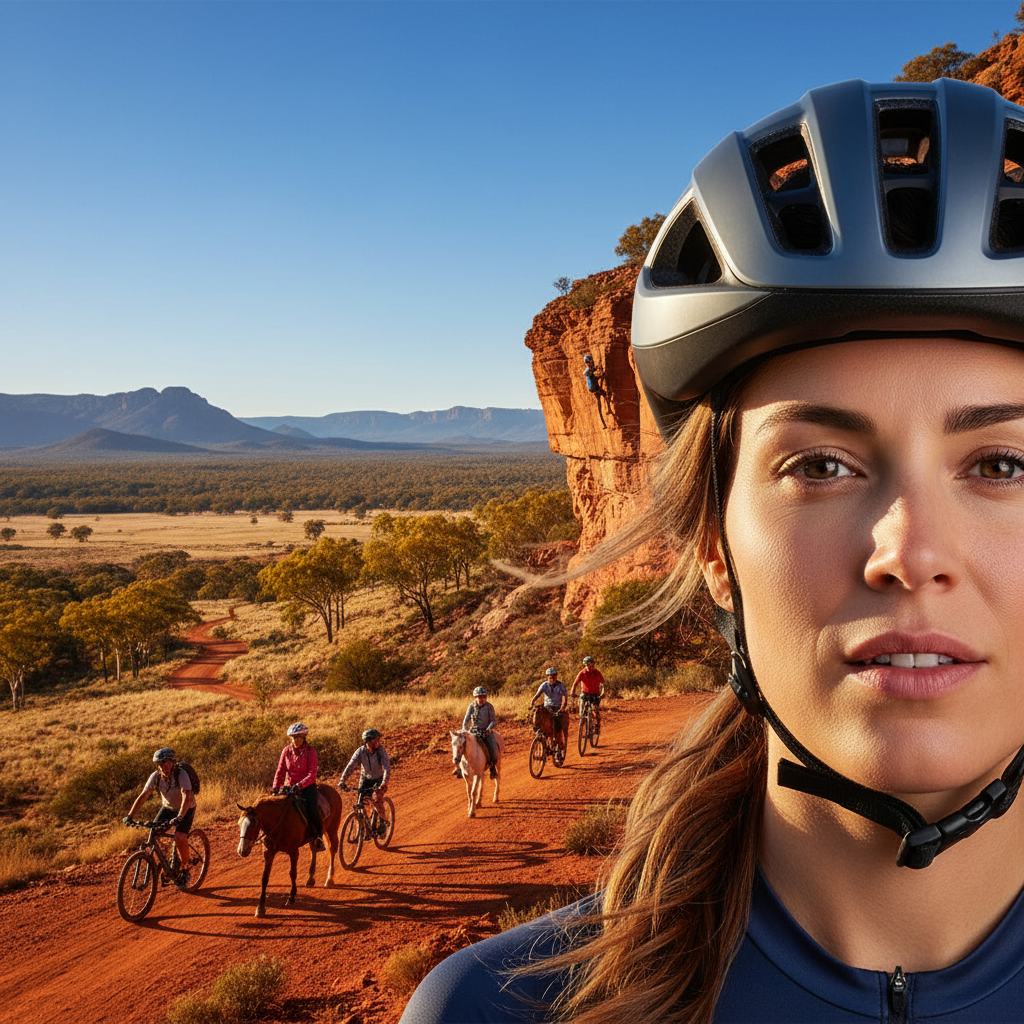
Beat the Sun: What to Look for in a Helmet Sun Protection Accessory
Australia. Beautiful. Sunny. And at times, downright brutal on the skin. If you spend any time outdoors wearing a helmet – whether it's for cycling, construction, farming, or exploring our rugged landscapes – you know the sun is a constant. And not just a mild inconvenience. We’re talking about searing heat and a UV index that demands respect.
Your helmet is essential for safety, but does it protect your face and neck from sunburn, premature ageing, and heatstroke? For most, the answer is a resounding no. That’s where a dedicated helmet sun protection accessory comes in. But with options out there, what should you actually be looking for?
This isn't about flimsy add-ons. This is about practical, effective protection that integrates seamlessly with your existing headwear.
The Australian Sun: More Than Just a Tan
Let’s be clear. Australian sun isn't messing around. Our UV levels are among the highest in the world. On a clear day, the UV index can easily hit extreme levels. This means:
Rapid sunburn: Your exposed skin can burn in minutes, not hours.
Long-term damage: Chronic sun exposure leads to premature ageing (wrinkles, sunspots) and significantly increases your risk of skin cancer, including melanoma.
Heatstroke and exhaustion: The relentless heat can be dangerous, leading to serious health issues.
Your helmet often leaves significant areas of your face, ears, and neck vulnerable. Think about your nose, cheeks, hairline, and the back of your neck. These areas cop a direct hit, day in, day out.
What Makes a Good Helmet Sun Protection Accessory?
Forget flimsy, poorly fitting add-ons that flap in the wind or break after a few uses. A good accessory is designed with purpose and built to last, offering genuine protection when you need it most.
Here’s what to prioritise:
1. Coverage Area
This is paramount. The primary job of a sun protection accessory is to block the sun. Look for something that extends significantly beyond the helmet’s brim, providing shade not just for your forehead but also for your:
Face: Especially the nose, cheeks, and around the eyes.
Ears: Often overlooked, but highly susceptible to sunburn and skin cancer.
Neck: A long day under the sun can lead to severe sunburn on the back of the neck.
Some accessories offer basic forehead shade. Others provide a much more comprehensive shield. Consider your typical activities and the duration of your sun exposure.
2. UV Protection Factor (UPF)
A good accessory shouldn't just block visible light; it needs to block harmful UV radiation. While many materials offer some level of sun protection, look for accessories explicitly mentioning UPF rating, ideally UPF 50+, which blocks over 98% of UV rays. This is the gold standard for sun-protective clothing and accessories.
3. Material Quality and Durability
Australian conditions are tough. Your accessory needs to be tough too.
Weather Resistance: It should withstand sun, wind, and maybe even a bit of rain without degrading quickly.
Tear Resistance: You don't want it ripping when you're out and about.
Colourfastness: The colour shouldn't fade drastically after a few weeks of intense sun.
4. Fit and Attachment Method
This is where many accessories fail. A poorly fitting accessory is annoying and ineffective.
Secure Attachment: It needs to stay put, even in windy conditions or during vigorous activity. Does it use robust clips, Velcro, or a system designed to integrate with your helmet straps?
Compatibility: Does it fit your helmet? Many universal solutions are mediocre. Ideally, it’s designed to work with a range of common helmet types, or even better, specifically designed for certain helmet styles.
Comfort: It shouldn't chafe, dig in, or obstruct your vision or hearing.
5. Practicality and Ease of Use
Lightweight: You're already wearing a helmet. You don't want to add unnecessary weight.
Easy to Clean: Dirt and sweat are inevitable. It should be simple to wipe down or wash.
Packability (Optional but handy): If you need to take it off for indoor work or travel, can it be rolled up or folded without damage?
6. Ventilation
While blocking the sun, you also need to manage heat. Some accessories incorporate ventilation to prevent heat buildup under your helmet. This is particularly important during strenuous activities or in very high temperatures characteristic of Australian summers.
Common Helmet Sun Protection Accessories & What to Avoid
Let's cut to the chase. Most sun protection accessory types fall into a few categories. Here's our no-nonsense take:
| Type of Accessory | Pros | Cons | What to Look For | What to Avoid |
|---|---|---|---|---|
| Clip-on Brim Extenders | Can add significant shade to the front and sides. | May not fit all helmets securely. Some look clunky. Can be prone to wind lift. | Robust, well-designed clips. Adequate brim depth. Good UPF material. | Cheap, flimsy plastic ones that snap easily. Poorly designed clip mechanism. |
| Full Neck Covers (hat-like) | Excellent neck and ear coverage. | Can be bulky. May not integrate well with all helmets, potentially interfering with fit or straps. Can be very hot if not ventilated. | Lightweight, breathable fabric. Secure attachment to helmet straps. | Ones that completely enclose the helmet, causing excessive heat. |
| Integrated Helmet Designs | The most seamless solution. | Limited to specific helmet models. Can be expensive. | High UPF material. Considered for comfort and ventilation during purchase. | N/A (this is a feature of the helmet itself) |
| DIY Solutions (Fabric Sewn On) | Can be customised. | Requires effort and skill. May look unprofessional. Durability can be questionable. | N/A | Poor stitching, inadequate coverage, cheap materials. |
What to Avoid at All Costs:
Anything that compromises helmet integrity: Never drill or permanently modify your helmet. This can weaken its structure.
Flimsy, cheap plastic attachments: Unless specified for extreme durability, these often break quickly.
Accessories that obstruct peripheral vision: Your safety relies on seeing your surroundings.
Materials with no UPF rating: You’re just getting shade, not true UV protection.
Choosing the Right Accessory for Your Needs
To make the best choice, ask yourself a few questions:
1. What helmet do you use? (e.g., cycling helmet, hard hat, general purpose helmet)
2. What activities will you be doing? (e.g., leisure cycling, long-distance cycling, construction work, agricultural work, hiking)
3. How long is your typical sun exposure? (e.g., 1 hour, half a day, full day)
4. What are the most vulnerable areas for you? (e.g., nose and cheeks, back of neck, ears)
A cyclist on a short city commute might have different needs to a farmer working on an open field all day, or a construction worker on a hot, exposed site.
For example, a dedicated cyclist prioritises aerodynamics and minimal wind resistance, meaning they might opt for an accessory that offers good facial shade without significant bulk. Someone working outdoors might need maximum neck and ear coverage for prolonged exposure.
Considering a Dedicated Helmet Brim Accessory
When looking for a practical, effective solution, consider accessories specifically engineered to solve this problem. A well-designed accessory will:
Offer significant, adjustable shade: Not just a sliver, but a generous brim.
Utilise durable, UV-resistant materials: Often a treated fabric or durable polymer.
Feature a secure, non-damaging attachment system: This is crucial for usability and safety.
Be lightweight and integrated cleanly: It shouldn't feel like an afterthought.
We've seen many people try home-job solutions like attaching pieces of fabric or cardboard – it's usually unsightly, ineffective, and can even damage the helmet. Investing in a purpose-built accessory is the smart move.
Quick Checklist: What to Look For
[ ] Extensive Coverage: Face, ears, and neck protection.
[ ] High UPF Rating: Ideally UPF 50+.
[ ] Durable Materials: Weather-resistant and tear-proof.
[ ] Secure Attachment: Won't blow off or detach easily.
[ ] Helmet Compatibility: Fits your specific helmet type.
[ ] Lightweight Design: Doesn't add unnecessary bulk.
[ ] Comfort: Doesn't impede vision or hearing.
- [ ] Ventilation (if applicable): Helps manage heat.
Installation: It Should Be Simple
One of the biggest barriers to adopting a sun protection accessory can be the perceived difficulty of installation. A well-designed product should be intuitive to fit. For many clip-on brims, it's as simple as:
1. Identify attachment points: Locate the areas on your helmet where the accessory is designed to connect.
2. Position the accessory: Align it correctly over the brim or designated spots on your helmet.
3. Secure the attachment: Firmly clip, fasten, or tighten the accessory according to its specific mechanism.
4. Adjust for fit: Ensure it's snug, stable, and provides optimal shade without obstruction.
Always refer to the manufacturer's instructions for your specific accessory. If you are looking for guidance, How to Install has detailed steps for specific types of helmet brim accessories.
Don't Get Sunburnt – Get Protected
Your helmet is for impact protection. Don't let it be a trap for the harsh Australian sun. There's no excuse for blistering sunburn or long-term skin damage when practical, effective solutions exist. Prioritise your health and comfort when you're out enjoying what Australia has to offer.
When you're ready to upgrade your helmet's sun protection, explore your options. A quality accessory is an investment in your well-being. Check out our range of Products designed for maximum shade and durability. Have questions? Our FAQ page is packed with answers, and feel free to browse our Blog for more tips and insights.
Stay safe, and stay sun-smart.