
Beat the Sun: Ultimate Sun Protection for Long Australian Road Rides
Australian sun is no joke, especially on long road rides. Learn how to protect yourself from harsh UV rays, heatstroke, and sunburn with practical advice and essential gear. Don't let the sun win.
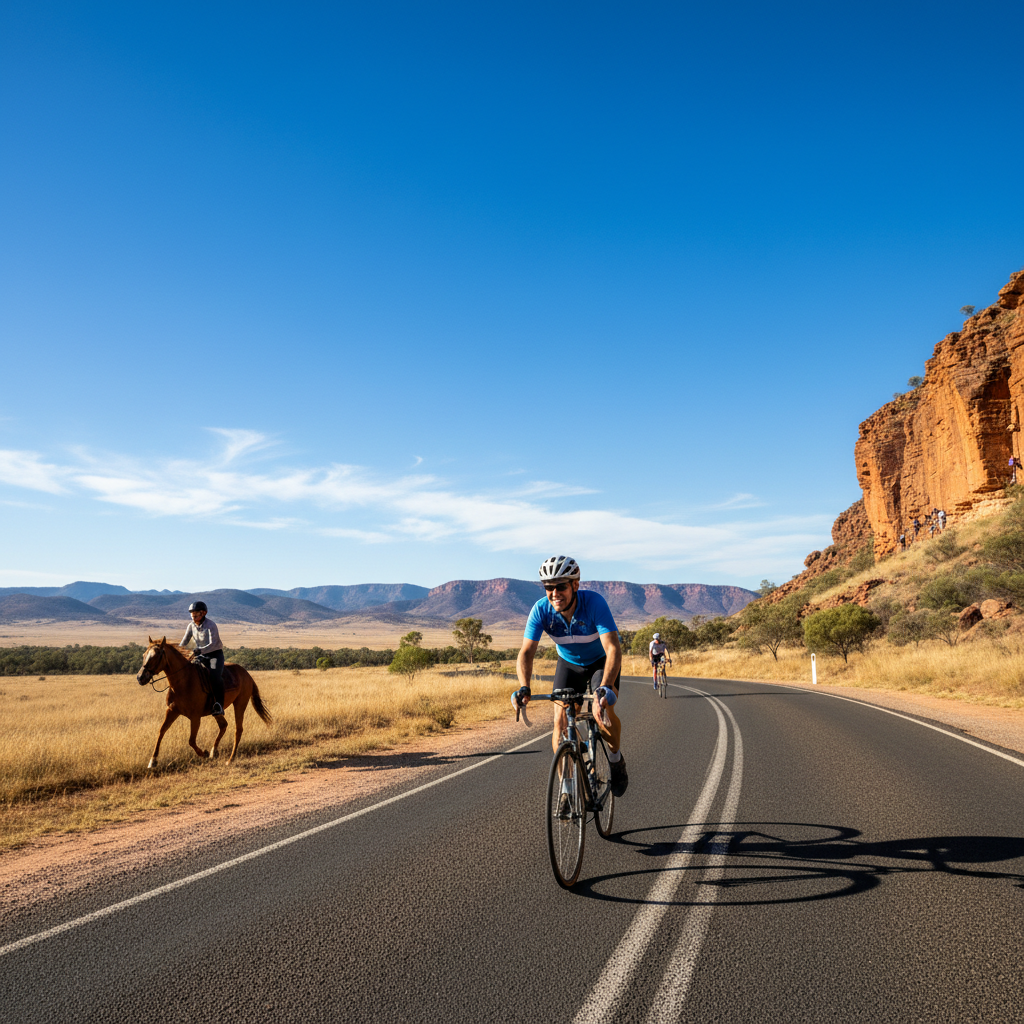
Beat the Sun: Ultimate Sun Protection for Long Australian Road Rides
Australia. We love it for its wide-open spaces, iconic landscapes, and endless kilometers of perfect road for cycling. But let's be honest, the Australian sun can be brutal. For anyone clocking up serious mileage on their road bike, particularly during long rides, sun protection isn't just a good idea – it's a necessity. Ignoring it can lead to painful sunburn, premature skin aging, and worse, heatstroke.
This isn't about prettifying the issue. We’re talking about practical, no-nonsense strategies to keep you protected, comfortable, and on the road, even when the UV index is soaring and the mercury is climbing.
The Harsh Reality of the Aussie Sun on Cyclists
Long road rides mean extended exposure. Your head, neck, face, and arms are constantly bombarded with UV radiation. Even on what feels like a moderate day, the UV index can be dangerously high, especially in summer and during peak UV hours (typically 10 am to 3 pm). Think about it: you're spending hours in the saddle, often in exposed areas. That cumulative exposure adds up, dramatically increasing your risk of skin cancer and other sun damage.
Beyond UV, there's the heat. Australia’s long hot summers can quickly turn a pleasant ride into a dangerous situation. Dehydration and heatstroke are serious risks. While helmets are mandated for safety, they themselves can sometimes feel like a furnace on the head. We need solutions that protect from both UV and the heat.
This guide is for serious cyclists who demand practical, effective sun protection with no fuss, no BS.
Your Go-To Sun Protection Arsenal
You need a multi-pronged approach. Relying on just one method isn't enough for long Australian road rides. Here’s what you need in your kit.
1. The Helmet: Your First Line of Defence (and How to Maximise It)
Your helmet is mandatory for obvious safety reasons. But can it be better for sun protection? Absolutely. Standard helmets offer some shade, but it's often limited. The key is to enhance your helmet's protection.
Helmet Brims: This is where innovation counts. A properly designed helmet brim extends the shade offered by your helmet significantly, shielding your face, ears, and the back of your neck from direct sunlight. Look for brims that are lightweight, impact-resistant, and easy to attach and remove. They should integrate well with your existing helmet without compromising ventilation or aerodynamics too much.
If you're looking for a reliable solution, check out our range of Products designed specifically for this purpose.
Coloured Helmets: While not a primary protection strategy, lighter colours can reflect more sun, potentially keeping your head slightly cooler than a dark helmet.
2. Sunscreen: The Undeniable Essential
This is non-negotiable. Even with a helmet brim, there are gaps and areas your helmet doesn't cover. You must use sunscreen.
SPF 50+ Broad Spectrum: Don't mess around with lower SPFs. Australian sun demands the highest protection. Broad spectrum means it protects against both UVA (aging rays) and UVB (burning rays).
Water-Resistant: You'll sweat. Water-resistant sunscreen is crucial to ensure it stays put and doesn't wash away, leaving you exposed.
Apply Generously and Frequently: Before you even think about riding, apply liberally to all exposed skin: face, ears, neck, arms, hands. Reapply every 2-3 hours, or more often if you’re sweating heavily.
Don't Forget the Ears and Neck: These are common missed spots that burn easily. Helmet straps can also create pressure points where sunscreen can wear off – be mindful of these.
3. UPF Clothing: More Than Just Lycra
While your cycling kit covers your torso, arms, and legs, consider the fabric's effectiveness against UV rays.
Look for UPF Ratings: Many cycling apparel brands now offer clothing with a UPF (Ultraviolet Protection Factor) rating. A UPF of 50+ is excellent.
Long Sleeves: For longer rides, especially in the intense midday sun, long-sleeved jerseys can provide much-needed arm protection. Modern performance fabrics are often breathable and moisture-wicking, so you don't get overheated.
Neck Gaiter or Buff: A lightweight, breathable neck gaiter or buff is invaluable. It can protect your neck from sunburn and can even be pulled up over your nose and mouth on extreme days for added facial protection.
4. Sunglasses: Eye Protection is Crucial
Sun glare can impair vision, and UV rays can damage your eyes. Good cycling sunglasses are a must.
UV Protection: Ensure they block 100% of UVA and UVB rays.
Wrap-Around Style: This design offers better protection from sun and wind coming in from the sides.
Photochromic Lenses: If you ride into dawn, dusk, or varying light conditions, lenses that darken automatically in bright light are a smart investment.
Optimising Your Helmet for Sun and Heat
Your helmet is your primary safety gear. Let’s make it your primary sun-protection gear too.
The Problem with Standard Helmets on Long Rides
Limited Shade: The small peak on most road helmets offers minimal protection. Your face, eyes, and neck are exposed.
Heat Trapping: Vents are for airflow, but on a blazing hot day, they can also let direct sunlight onto your scalp. While direct sun on the scalp isn't as common a concern as skin on the face and neck, it can still contribute to discomfort and heat build-up.
Neck Exposure: The lower back of your neck is a prime spot for sunburn during long rides, especially when you're in an aggressive riding position.
The Solution: Enhanced Helmet Brims
A dedicated helmet brim attachment is a game-changer. It's designed to:
Extend Shade Significantly: Providing much deeper shade for your face, eyes, and nose.
Protect Your Neck: Many designs extend coverage down the back of the neck.
Reduce Glare: Helping you see the road ahead more clearly and comfortably.
These brims are typically made from durable, lightweight materials and attach securely to your helmet. They don't impede ventilation and are designed to be functional without hindering your riding experience. If you're keen to see how easy it is to upgrade your helmet's sun protection, check out our guide on How to Install.
Practical Strategies for Long Rides in Australian Heat
It’s not just about gear. Your habits matter.
1. Timing is Everything
Avoid Peak UV Hours: If possible, plan your longest rides for early mornings or late afternoons. The sun is significantly less intense before 10 am and after 3 pm.
Break Up Long Rides: If a long ride is unavoidable during peak sun hours, take extended breaks in shaded areas to cool down and reapply sunscreen.
2. Hydration and Cooling
Ditch the Water Bottle for Electrolytes: For extremely long and hot rides, plain water might not be enough. Electrolyte drinks help replenish salts lost through sweat, which is crucial for preventing heat cramps and maintaining performance.
Cold Water Application: On very hot days, dousing your helmet vents or the back of your neck with cold water can provide temporary but welcome relief.
Cooling Towels: A small, quick-drying cooling towel kept in a zip-lock bag can be a lifesaver during stops. Wet it and drape it around your neck or head.
3. Know Your Limits
Recognise Heatstroke Symptoms: Dizziness, nausea, headache, rapid pulse, confusion, lack of sweating (a critical sign). If you experience any of these, stop immediately, find shade, and seek help. Don't push through it.
Monitor the UV Index: Check the forecast before you head out. If it's extreme, reconsider the length or timing of your ride or seek an indoor alternative.
Your Sun Protection Checklist for Long Road Rides
Here’s a quick rundown to ensure you’re covered:
[ ] Helmet: Securely fitted, equipped with an extended brim. (See our Products)
[ ] Sunscreen: SPF 50+ Broad Spectrum, Water-Resistant (applied everywhere exposed).
[ ] UPF Clothing: Long sleeves and pants/shorts made from UPF-rated fabric.
[ ] Neck Gaiter/Buff: Lightweight, breathable, UPF rated.
[ ] Cycling Sunglasses: 100% UV protection, good coverage.
[ ] Water and Electrolytes: Sufficient supply for the ride duration.
[ ] Pre-ride Check: UV index forecast and planned timing.
[ ] Reapplication Plan: Know when and how you’ll reapply sunscreen.
Common Objections and How to Handle Them
"Helmet brims look silly/are unnecessary."
'Silly' is subjective. Sunburn and skin cancer are not. The limited shade from a standard helmet peak is insufficient for long Australian rides where UV exposure can be extreme. An extended brim is a practical, functional add-on that dramatically increases your protection, leading to greater comfort and long-term health. Check out our FAQ for more on design and functionality.
"I never get sunburned, so I don't need all this."
UV damage is cumulative and often invisible in the short term. Many people don't feel the burn until it's too late, or they've already accumulated significant damage. Australia has one of the highest rates of skin cancer in the world. Don’t gamble with your health. Prevention is always better than cure.
"It's too hot with extra gear."
This is a valid concern. The key is choosing the right* gear. Modern UPF clothing is highly breathable. A lightweight helmet brim designed for airflow won't significantly increase heat. The discomfort of mild heat is far preferable to the debilitating effects of dehydration, heatstroke, or the long-term consequences of sun damage. Proper hydration and timing your rides are crucial here.
"I don't have time to reapply sunscreen."
Your health is worth a few minutes every couple of hours. If you truly have no time, use a long-lasting sunscreen formulation and wear clothing with the highest possible UPF. However, for genuine protection on long rides, reapplication is essential. Schedule it into your ride plan.
Conclusion: Ride Smarter, Ride Safer
Long road rides in Australia are an incredible way to experience our country. But the sun demands respect. By investing in practical sun protection – enhanced helmet brims, high SPF sunscreen, UPF clothing, and smart riding habits – you can enjoy your rides to the fullest without compromising your health and safety. Don't let the sun dictate your ride limits. Be prepared, be protected, and keep those pedals turning. For more tips and product information, explore our Blog and Products pages. Your skin will thank you.