
Beat the Sun: Ultimate Sun Protection for Long Australian Road Rides
Don't let the harsh Australian sun cut your long road rides short. Learn practical, no-nonsense sun protection strategies for cyclists, including helmet brim use, clothing, and essential tips to stay safe and comfortable under the intense UV.
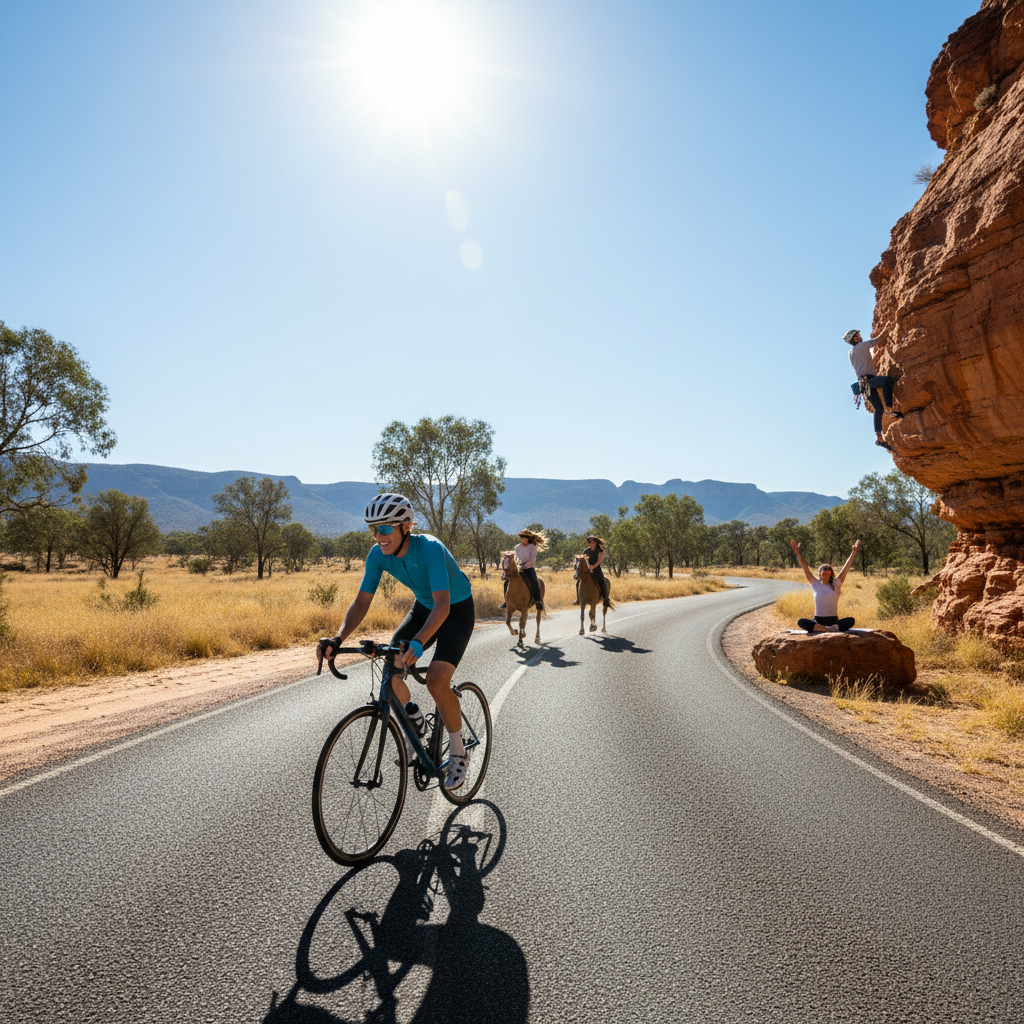
Beat the Sun: Ultimate Sun Protection for Long Australian Road Rides
Australia. Beautiful country, incredible cycling. But let's be honest, the sun here isn't messing around. Long road rides under our harsh UV index demand serious sun protection, or you'll be cutting your adventures short, dealing with painful sunburn, and risking heatstroke. This isn't about faffing about with SPF numbers that vanish in the first hour of sweat. This is practical, no-excuses advice for cyclists who want to ride further and safer.
The Sunburnt Truth: Why Direct Sun on Your Helmet is a Bad Idea
Your helmet protects your head from impact, a non-negotiable. But on its own, it offers zilch in the way of sun protection for your face, neck, and ears. Think about it: as the sun tracks across the sky, those areas are directly exposed for hours. That means:
Facial Sunburn: Painful, premature ageing, and significantly increases your skin cancer risk. Those often-missed spots like the tip of your nose, ears, and hairline are prime targets.
Neck Burn: The back of your neck can get roasted, especially when you're leaning forward on the handlebars. This is a common spot for painful burns that can make sleeping difficult.
Eye Strain and Glare: Even with sunglasses, direct overhead sun can create glare and strain your eyes, impacting your vision and your ability to react to road hazards.
Increased Heat Stress: Direct sun on your head and face contributes to overall body temperature, making heat exhaustion a more significant risk on long rides.
Common Objections, Straight Answers:
"My sunglasses are enough." Sunglasses protect your eyes and maybe the immediate area, but they leave your forehead, temples, nose, ears, and neck exposed. Sunglasses alone are not adequate facial sun protection.
"I'll just wear a cap under my helmet." A standard cycling cap offers minimal brim for effective shade and can trap heat, making you hotter. The fabric also doesn't block high UV rays effectively across the entire face and neck.
"I've never really burned that badly." Complacency is dangerous. UV damage is cumulative. Even without a blistering burn, repeated exposure ages your skin and increases your long-term cancer risk. Australian conditions are extreme.
"It looks silly." Safety and comfort are more important than a fleeting fashion statement, especially on a multi-hour ride where sun exposure is guaranteed.
Your Helmet Brim: The Secret Weapon You Didn't Know You Needed
Forget flimsy caps. The most effective and practical addition to your cycling sun protection arsenal is a helmet brim. Why? Because it's designed to do one thing extremely well: block the sun before it hits you.
A good helmet brim, like the da Brim products, attaches securely to your existing helmet and provides a significant amount of shade. It's not about looking like a Tour de France rider from the '80s; it's about practicality in Australian conditions.
Key Benefits of a Helmet Brim:
Superior Shade: Extends the shade coverage from your helmet brim to your entire face, significantly reducing UV exposure to your nose, cheeks, forehead, and chin.
Neck Protection: Depending on the brim design, it can also provide crucial shade for the back and sides of your neck.
Glare Reduction: Helps to reduce glare entering your eyes from above and the sides, improving comfort and potentially your reaction time.
Heat Management: While it seems counterintuitive, by blocking direct sun, some brims can actually help keep your head cooler than direct, unfiltered sunlight would. Plus, it works in conjunction with proper hydration and airflow.
Easy Attachment: Designed for quick and secure fitting to most standard cycling helmets. No permanent alterations required. Check out How to Install for simple instructions.
Beyond the Brim: A Holistic Cycling Sun Protection Strategy
While a helmet brim is your primary defence, it's part of a bigger picture. For long rides in the Australian heat and sun, you need a multi-pronged approach.
Sunscreen is Still Crucial (But Apply it Right)
Even with a brim, exposed areas like your ears, the back of your neck, and anywhere the brim doesn't perfectly cover need protection. Choose a broad-spectrum SPF 50+ sunscreen.
Apply before you leave. Give it at least 15-20 minutes to absorb. Reapplying once on a long ride is tough with sweaty hands and greasy tubes, so good initial coverage is key.
Don't forget the ears and the nape of your neck. These are high-risk zones.
Consider a cream or stick. Lotions can run into your eyes when you sweat.
Keep Covered: Sun-Protective Clothing Choices
Arm Sleeves: Lightweight, breathable arm sleeves (often UPF 50+) offer excellent protection for your arms without the heat build-up of long-sleeved jerseys. They are easily removed if you start to overheat.
Lightweight Jersey: A light-coloured, long-sleeved cycling jersey made from a breathable, moisture-wicking fabric can offer significant UV protection for your torso and upper back.
Neck Gaiter/Buff: A thin, breathable neck gaiter can prevent sunburn on your neck and can be pulled up over your lower face if desired on extremely hot, exposed stretches. Choose one made from UPF-rated material.
Eyewear: More Than Just Style
Your sunglasses are essential for glare and UV protection of your eyes. Make sure they wrap around enough to block sun from the sides and are tinted appropriately for the conditions.
Hydration and Electrolytes: Fighting Heat Stress
Sun exposure elevates your core temperature. Staying hydrated is paramount.
Water is your baseline. Carry more than you think you'll need, especially on longer, more remote routes.
Electrolytes are non-negotiable for long rides. Sweating depletes vital salts. Use electrolyte tablets or powders in your water bottles to replenish what you lose. This helps prevent cramps and heat exhaustion.
Your Long Ride Sun Protection Checklist
Before you roll out on your next big Australian road ride, tick these off:
[ ] Helmet with a secure, effective brim attached. (Essential!)
[ ] Broad-spectrum SPF 50+ sunscreen applied generously to all exposed areas (ears, neck, nose, etc.).
[ ] Lightweight, UPF-rated long-sleeved jersey or arm sleeves.
[ ] Cycling sunglasses with good coverage.
[ ] Neck gaiter or buff (optional but recommended for extra protection).
[ ] Sufficient water bottles filled, plus electrolyte supplements.
[ ] Knowledge of your route and potential refill points.
Riding in the Peak UV Hours: Practical Advice
Even with the best gear, riding between 10 am and 3 pm in Australia, when the UV index is at its highest, requires extra caution.
Start early: The best strategy is often to get your longest distances in before the harshest UV hours hit. Enjoy the cooler morning air and the dramatic sunrise.
Seek shade: Plan your breaks around shaded spots. Cafes with outdoor seating, rest stops under large trees, or even just pausing on the shady side of a road can offer temporary relief.
Adjust your pace: If you must ride during peak UV, an easier pace might be more sustainable. It reduces sweat rate slightly and makes you less prone to overheating.
Listen to your body: If you feel dizzy, nauseous, or excessively fatigued, stop. Find shade, drink water, and reassess. Don't push through heat exhaustion; it's dangerous.
Frequently Asked Questions About Cycling Sun Protection
We've covered a lot, but some common questions pop up. For more in-depth answers, check out our FAQ page.
Q: How often do I need to reapply sunscreen on a long ride?
A: Ideally, every two hours. In reality, this is very difficult on a bike. This is why a helmet brim and protective clothing are so vital – they provide passive, continuous protection that doesn't wash off.
Q: Will a brim make my helmet too hot?
A: Properly designed brims, like those in our Products range, are made from lightweight materials and don't significantly impede airflow. They can even reduce the direct solar load on your head.
**Q: I have a fair skin type. What's my risk?
A: Extremely high. Fair skin is far more susceptible to UV damage and sunburn. If you're fair, you need to be even more diligent with all aspects of sun protection. Your risk of skin cancer is significantly elevated without adequate measures.
The Bottom Line: Protect Yourself, Ride Longer and Safer
Long road rides in Australia are a privilege. Don't let the sun's intensity turn them into an ordeal or a health hazard. A helmet brim is a simple, effective upgrade that offers significant protection against harmful UV rays and glare. Combined with smart clothing choices, diligent sunscreen use, and proper hydration, you can conquer those long distances comfortably and safely. Invest in your skin, invest in your ride. Explore our range of da Brim products today and make sure your next ride is as safe as it is enjoyable.
For more tips and information on cycling safety and gear, head over to our Blog. Happy riding!