
Beat the Sun: Serious Sun Protection for Long Australian Road Rides
Australian sun cooks. Long road rides demand serious sun protection. Learn how to stay safe and comfortable, no matter the UV.
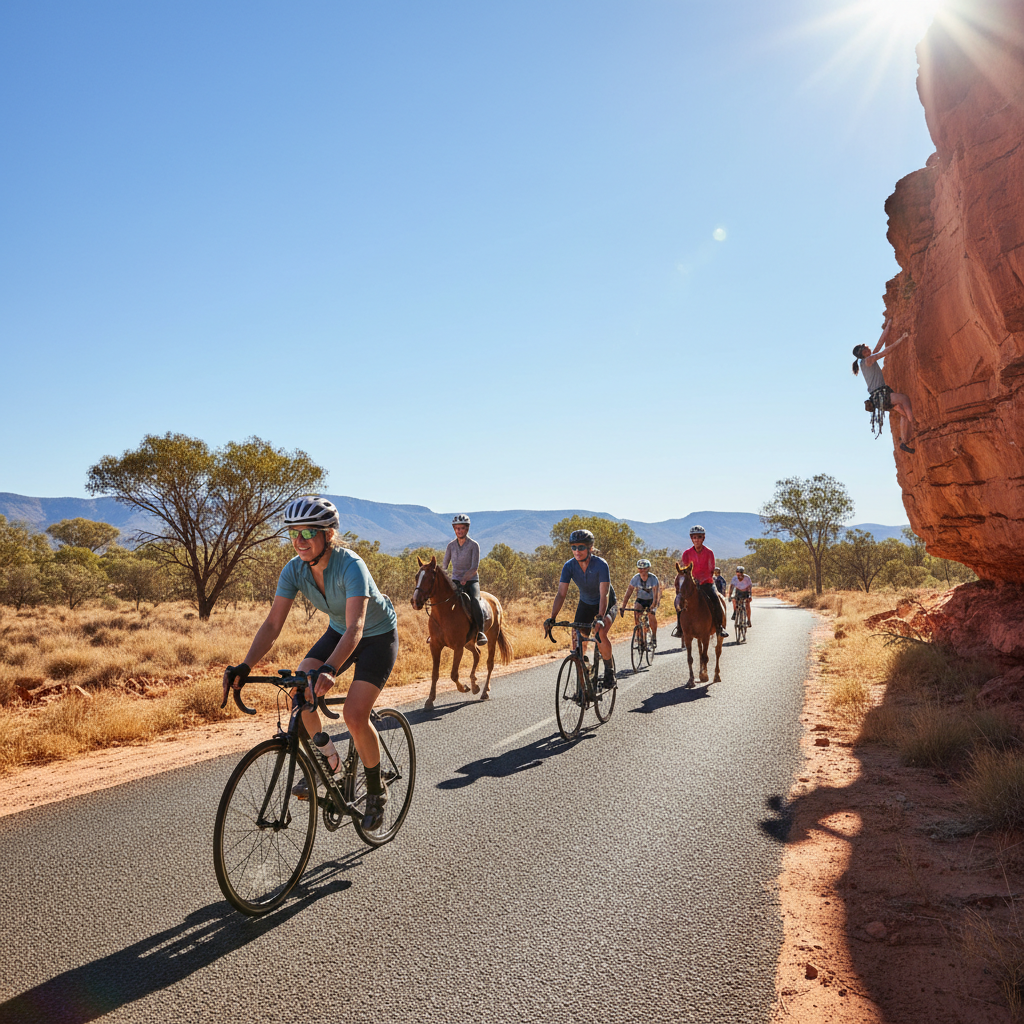
Beat the Sun: Serious Sun Protection for Long Australian Road Rides
Australia. Beautiful country. Brutal sun. If you're a road cyclist tackling long distances here, you know the sun isn't your friend. We're not talking about a casual weekend jaunt; we mean those epic rides that stretch for hours, pushing your limits and exposing you to the relentless Australian UV. Standard sunscreen and cycling caps just don't cut it when the UV index is high and the heat is on. You need practical, no-nonsense sun protection that works with your helmet, not against it.
This isn't about looking fancy; it's about staying healthy and getting the job done. We're talking about avoiding painful sunburn, premature skin aging, and the increased risk of skin cancer – serious stuff, especially with our potent UV levels.
The Problem with Standard Cycling Gear Against the Australian Sun
Your helmet is crucial for safety, but most offer limited sun protection. The vents that keep you cool also let in direct sunlight. The shell might block some rays, but your face, neck, and ears are still exposed. A standard cycling cap? It might offer a sliver of shade, but it traps heat, can creep up under your helmet, and doesn't cover enough.
Here's the blunt truth: relying on just sunscreen alone for hours in the Australian sun is a gamble. Perspiration washes it off, you miss spots, and reapplication mid-ride is a pain. You need a system, an integrated approach. And the most effective part of that system involves enhancing your helmet's sun-blocking capabilities.
What You Actually Need for Long Rides
Think about what goes wrong on a long ride under the Australian sun:
Face Burn: The direct frontal sun beating down on your face and eyes.
Neck Burn: Sun hitting the exposed skin of your neck, especially at the back and sides.
Ear Burn: Easy to forget, but your ears are prime targets.
Eye Strain: Glare and harsh light fatigue your eyes and can affect your vision.
Heat Buildup: When sun protection methods trap heat, they make the ride miserable and increase the risk of heatstroke.
Traditional solutions often fail on one or more of these points. We need something better.
The Helmet Enhancement Solution: Introducing Integrated Visors
This is where modifying your existing helmet setup becomes the game-changer. Instead of replacing your helmet or relying on subpar add-ons, consider a high-quality, purpose-built visor that attaches securely. This isn't a flimsy piece of plastic; it's a serious upgrade for your sun safety.
Think of it as adding a brim to your hat, but designed to integrate seamlessly with your helmet. The best visors offer:
Extended Shade: Significantly more coverage for your face, eyes, and the front of your neck.
UV Blocking: Made from materials that actively block harmful UV rays.
Aerodynamics: Designed to minimise drag and not compromise your riding position.
Ventilation Compatibility: They attach in a way that doesn't block your helmet's essential vents.
Objections Handled: Why This Works
"Won't it look silly?" Function over fashion, mate. When you're 100km from home with the sun blazing, looking perfectly aerodynamic is less important than not having peeling skin. Plus, many modern designs are surprisingly sleek.
"Will it fall off?" A good system is designed for security. Look for robust attachment mechanisms that integrate with your helmet's existing straps or vents. Proper installation is key – check out our How to Install guide.
"Will it block my vision?" These are designed for cycling. They sit above your natural line of sight, providing shade without impairing what you need to see on the road.
"Does it make the helmet hotter?" The right visor won't block airflow. It shields your head and face from direct solar radiation, which can actually reduce the heat absorbed by your head, making you feel cooler overall if it doesn't impede ventilation. The goal is to deflect the sun's energy, not trap heat generated by your own body.
"Is it worth the cost?" Compare the cost of a good visor to the long-term damage from sun exposure (skin cancer treatment, premature aging) or the discomfort and lost riding days due to sunburn. It's an investment in your health and enjoyment.
Key Features of Effective Sun Protection for Long Rides
When choosing a sun protection solution that integrates with your helmet, look for these non-negotiables:
Broad Brim Coverage: Extends well in front of your eyes and ideally down the sides and back.
UV Protection Rating: Ideally, the material itself should offer UPF protection.
Durability: It needs to withstand bumps, weather, and being stuffed in a jersey pocket.
Secure Attachment: Must stay put at speed and in wind.
Ventilation Respect: Must not block your helmet's crucial cooling vents.
Lightweight: You don't want added weight or imbalance.
Sun Protection Strategy: A Table of Options
Here’s a quick breakdown of common approaches and their effectiveness for long Australian road rides:
| Method | Face Shade | Neck Shade | Ear Shade | Vent Compatibility | Heat Retention | UV Block (direct) | Long Ride Effectiveness |
|---|---|---|---|---|---|---|---|
| Standard Cycling Cap | Minimal | None | Minimal | Poor | High | Very Low | Low |
| Sunscreen Only | Variable | Variable | Variable | N/A | N/A | High (if applied well) | Medium (requires constant reapplication) |
| Helmet with Integrated Visor | High | High | High | Excellent | Low | High | High |
Your Practical Sun Protection Checklist
Before your next big ride, run through this:
[ ] Helmet Check: Is your helmet in good condition? Does it fit correctly?
[ ] Visor Securement: Do you have a robust visor attachment for your helmet? Is it properly installed and secure?
[ ] Sunscreen Application: High SPF sunscreen applied liberally to all exposed skin (face, neck, ears, tops of hands, legs) at least 20 minutes before you head out. Don't forget your scalp if you have thinning hair!
[ ] Lip Balm with SPF: Crucial for preventing nasty sunburned lips.
[ ] Sunglasses: High-quality, UV-blocking sunglasses are essential. Consider polarised ones for glare reduction.
[ ] Neck Gaiter/Buff: A lightweight, breathable one can offer extra neck protection, especially for the lower areas.
[ ] Hydration: Staying hydrated helps your body cope with the heat and sun.
[ ] Wardrobe: Lightweight, light-coloured cycling jerseys with UPF protection if possible.
[ ] Mid-Ride Reapplication Plan: Know where you’ll stop to reapply sunscreen (if needed) and what you’ll use.
The Core of Your Protection: The Helmet Visor
If you're serious about your long rides under the Australian sun, a dedicated helmet visor is the most effective and practical enhancement. It transforms your everyday helmet into a formidable sun-blocking shield.
It’s about adding that crucial layer of physical barrier. Think of it like an extended shadow cast directly by your helmet. This isn't just about blocking UV rays; it's about preventing the direct radiant heat of our sun from directly hitting your head and face, which can make a significant difference to your comfort and endurance, especially on hot days.
Why it's a Game-Changer for Australian Cyclists
The Australian sun is notorious. Our UV levels are among the highest in the world, even on cloudy days. Long road rides mean prolonged exposure. Your face is in the sun for hours. Your neck is exposed. Standard measures are often insufficient. A helmet visor, designed correctly, provides:
1. Uninterrupted Shade: Consistent shade for your face and eyes, reducing glare and eye strain. This is vital for maintaining focus on the road.
2. Extended Coverage: It typically extends wider and further than a cap, protecting more of your facial skin and the front of your neck.
3. No Vent Interference: Crucially, quality visors are designed to attach without blocking the crucial vents that keep your head cool.
4. Durability and Security: When properly fitted, they are far more secure than a floppy cap and built to withstand the rigours of cycling.
We offer a range of helmet visors designed specifically for cyclists. Explore our Products to find the best fit for your helmet and riding style.
Step-by-Step: Implementing Your Ultimate Sun Protection System
Let's break down how to ensure you're maximally protected:
Step 1: Gear Up (Pre-Ride Assembly)
Helmet Prep: Ensure your helmet is clean and free of damage.
Visor Attachment: If using a helmet visor, attach it according to the manufacturer's instructions. Make sure it's snug and won't shift. Refer to our How to Install guide for detailed steps.
Sunglasses On: Put on your UV-protective sunglasses. Ensure they fit comfortably under or with your helmet setup.
Step 2: Sunscreen Application (The Essential Barrier)
Timing: Apply sunscreen at least 20 minutes before sun exposure. This allows it to bind to your skin.
Coverage: Apply a generous amount of high SPF (30+, ideally 50+) broad-spectrum sunscreen to ALL exposed skin. This includes:
Face (forehead, cheeks, nose, chin)
Ears (front, back, and lobes)
Neck (front, sides, and back – especially the nape)
Tops of hands and wrists
Any exposed skin on legs or arms.
Don't Forget: Apply to your lips with an SPF 30+ lip balm.
Step 3: During the Ride (Maintenance and Awareness)
Hydrate: Drink water consistently. This aids your body's natural heat regulation.
Monitor Conditions: Be aware of the UV index and temperature. If it's extreme, consider modifying your ride duration or route.
Reapplication (If Necessary): For rides over 2-3 hours, you will need to reapply sunscreen. Carry a small, travel-sized sunscreen. Plan a brief stop at a shop or rest area, or have a riding buddy help you. Reapply to face, neck, and ears.
Head and Neck Awareness: Periodically feel your neck and ears; if they feel hot or tingly, assume you're burning and needs shade or reapplication.
Step 4: Post-Ride (Recovery)
After Sun Care: Use a moisturising after-sun lotion on any areas that may have experienced sun exposure, even if you didn't burn.
Stay Hydrated: Continue drinking fluids.
Frequently Asked Questions
Got more questions? We've covered a lot, but sometimes the specifics matter. You can find detailed answers on our FAQ page.
Key points to remember:
Australian Sun's Intensity: Don't underestimate it. Our UV index is a serious factor.
Prolonged Exposure: Long rides mean prolonged risk.
Integrated Protection: A helmet visor is the most effective physical barrier you can add.
Holistic Approach: Combine visors, sunscreen, sunglasses, and smart riding habits.
Cycling in Australia is a privilege, but it comes with responsibilities. Protecting your skin is paramount. Don't let the sun dictate your limits or compromise your long-term health. Equip yourself properly, and enjoy those epic rides!
For more tips and inspiration on cycling safety and gear, check out our Blog.