
Beat the Sun: Protecting Your Head and Face as an Aussie Cyclist
Cycling in Australia is fantastic, but the sun is relentless. Learn how to shield yourself from harmful UV rays and heat, keeping you safe and comfortable on every ride.
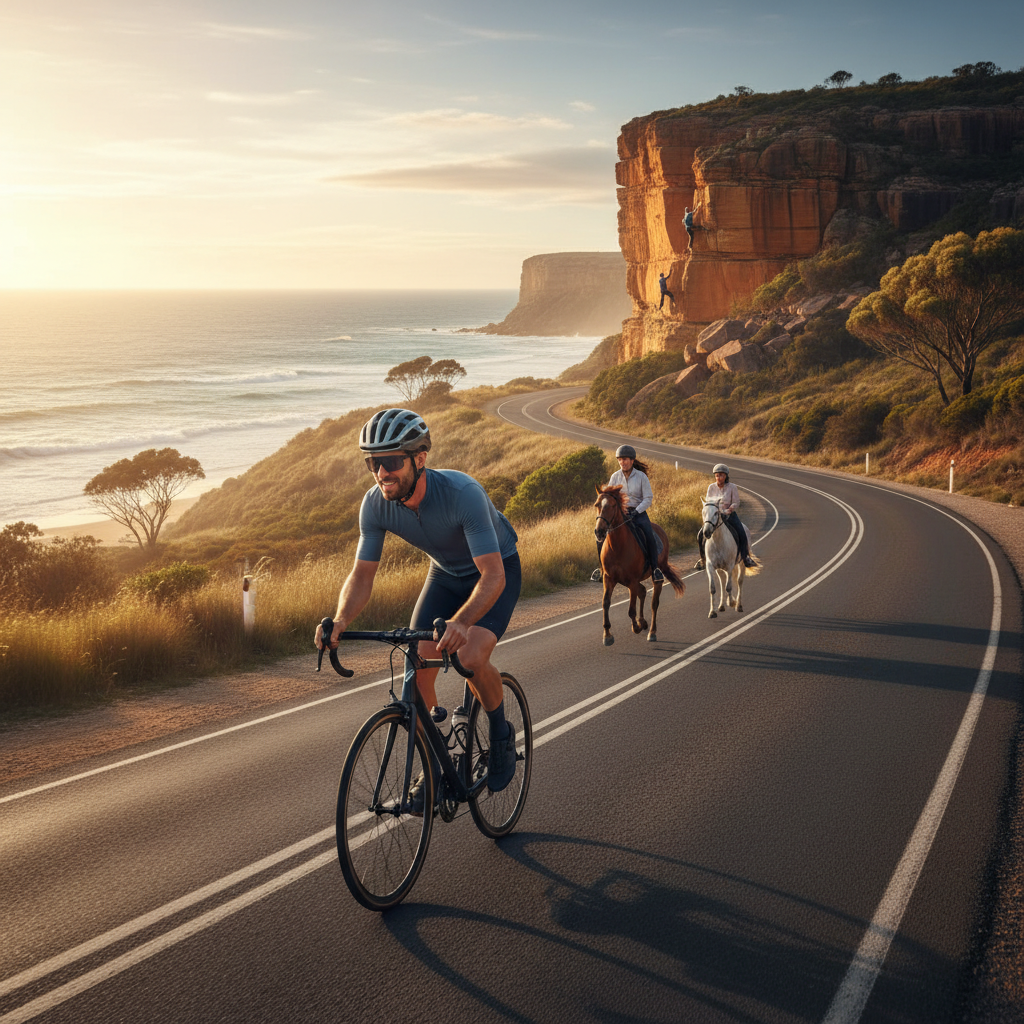
Beat the Sun: Protecting Your Head and Face as an Aussie Cyclist
Australia. We love our outdoor lifestyle, and cycling is a cornerstone for many of us. Whether you're commuting, hitting the trails, or enjoying a cruisy weekend ride, getting out there is brilliant. But let's be blunt: our sun is harsh. For cyclists, the risk of UV exposure to the head and face is exceptionally high, compounded by heat and long daylight hours, especially during our summers.
This isn't about scaring you off your bike. It's about being smart. It's about understanding the risks and taking practical, no-nonsense steps to protect yourself. Ignoring sun safety while cycling in Australia is like riding without a helmet – a gamble you shouldn't take.
The Unseen Danger: UV Radiation on Your Ride
Sunlight contains ultraviolet (UV) radiation. Too much exposure can lead to immediate issues like sunburn and long-term, serious problems like premature skin ageing and skin cancer. When you're cycling, several factors amplify your risk:
Direct Exposure: Your head and face are often directly exposed to the sun for extended periods.
Reflection: Sunlight bounces off the road, water, and even the ground, increasing your overall UV dose.
Altitude: Higher elevations mean stronger UV radiation.
Reduced Awareness: When you're focused on the ride, you might not notice how much sun you're actually getting.
Did you know? The UV Index in many parts of Australia frequently reaches "Very High" (7-9) and "Extreme" (10+) during peak daylight hours, particularly from September to March. These are dangerous levels, and prolonged, unprotected exposure can cause significant damage in a short amount of time.
Beyond Sunburn: The Real Risks for Helmet Wearers
If you're wearing a helmet, you're doing a crucial job protecting your brain. However, most cycling helmets offer very little shade for your face and neck. This means that while your head is protected from impact, your skin is still vulnerable.
Key Areas at Risk:
Face: Eyes, nose, cheeks, and lips are prime targets.
Ears: Often forgotten, but highly susceptible to burning and skin cancer.
Scalp: If your helmet doesn't cover it fully, or if hair is thinning.
Neck: Especially the back of the neck if not covered by clothing.
The Consequences:
Sunburn: Painful and a clear sign of skin damage.
Premature Ageing: Wrinkles, sunspots, and leathery skin.
Eye Damage: Increased risk of cataracts and macular degeneration.
Skin Cancer: Melanoma and other skin cancers are a serious, potentially life-threatening risk. The Australian Cancer Council reports that Australia has one of the highest rates of skin cancer in the world.
Addressing Common Objections (Let's Get Real)
We hear them all the time. "It's too hot," "I don't have time," "It's uncomfortable." Let's cut through the excuses.
"It's too hot to add anything else to my helmet."
Actually, being too hot is often a symptom of dehydration and heat stress, which are exacerbated by sun exposure. Proper shading can help you feel cooler by reducing the direct heat load on your face. Think of it as a portable umbrella for your head. Our solutions are designed to be lightweight and promote airflow.
"I've got sensitive skin, I just put on sunscreen."
Sunscreen is essential, but it's not a foolproof solution for cyclists. Think about how much you sweat. Sunscreen can sweat off, requiring frequent reapplication. Areas like your ears and the bridge of your nose can be hard to cover thoroughly and often missed. Plus, sweat mixed with sunscreen can sting your eyes. Physical barriers offer consistent protection.
"It looks silly / I don't want to look dorky."
Skin cancer looks a lot worse. Plus, functional solutions can look quite sharp. Prioritise protection over vanity. What's dorky is dealing with a severe sunburn or a doctor's visit for skin cancer treatment.
"I only ride for short distances."
Even a 15-minute ride can expose you to damaging UV rays, especially during peak UV times. Cumulative exposure over many short rides adds up significantly.
"My helmet has a little visor."
Most standard helmet visors offer minimal shade, often just for the forehead and barely covering the eyes. They don't protect your ears, nose, or cheeks, which are highly exposed areas during cycling.
Practical Solutions for Aussie Cyclists
Protection doesn't have to be complicated or uncomfortable. It’s about finding what works for you and your ride. Here's a breakdown of effective strategies:
1. The Integrated Solution: Helmet Brims
This is where we focus on providing the most practical, effective protection for helmet wearers. Attaching a brim to your existing helmet system is a game-changer.
Our Products are designed specifically to attach to a wide variety of helmets, offering:
Extended Shade: Significantly more coverage for your face, ears, and neck than standard helmet visors.
Lightweight Design: You won't even notice it's there, except for the comfort.
Ventilation: Designed to work with your helmet's vents, not block them.
Durability: Made to withstand Australian conditions.
It's a simple, effective way to upgrade your existing headwear and get superior sun protection.
2. Sunscreen: The Essential Complement
Sunscreen should always be a part of your sun safety plan, even with a brim. Choose a broad-spectrum, water-resistant sunscreen with an SPF of 30 or higher. Remember to apply it liberally to all exposed skin at least 15-20 minutes before heading out.
Reapplication: Carry a small tube and reapply every two hours, or more often if sweating heavily.
Hard-to-Reach Spots: Pay attention to ears, back of the neck, and tops of your feet if wearing sandals (though closed shoes are recommended for cycling!).
3. Apparel: Cover Up Smartly
Long Sleeves: Lightweight, breathable long-sleeved cycling jerseys offer excellent protection. Look for UPF-rated fabrics.
Neck Gaiter/Buff: An incredibly versatile item. Can be worn around the neck to protect the upper chest and lower face, or even pulled up over the nose and mouth on incredibly sunny days.
Cycling Caps: Worn under the helmet, a cycling cap can provide an extra layer of shade for the eyes and forehead, though the brim is usually quite small.
4. Sunglasses: Eye Protection is Non-Negotiable
UV Protection: Crucial for preventing eye damage. Ensure they block 100% of UVA and UVB rays.
Coverage: Larger lenses offer better protection from peripheral light and sun.
Contrast: Yellow or brown tinted lenses can enhance contrast in varying light conditions, which is great for spotting road hazards.
Quick Sun Safety Checklist for Cyclists
Use this before every ride:
[ ] Check the UV Index: If it's 3 or above, take extra precautions.
[ ] Apply Sunscreen: To all unprotected skin (face, ears, neck, arms).
[ ] Wear a Brim: Ensure your helmet system provides adequate shade.
[ ] Put on UV-Protective Sunglasses: Block those rays from your eyes.
[ ] Wear Protective Clothing: Long sleeves, neck gaiter if needed.
[ ] Stay Hydrated: Carry plenty of water; heat exhaustion is a real risk.
Installing Your Helmet Brim: A Step-by-Step Guide
We’ve made it as simple as possible. Our How to Install guide is detailed, but here are the core steps. Your specific helmet model might have slight variations, but the principle is the same.
1. Unpack Your Brim: Ensure you have the brim and any necessary attachment accessories (these are usually integrated or very simple).
2. Identify Attachment Points: Look at your helmet where the brim is designed to connect. This might be near the front vents or a specific mounting area. Your helmet might have specific indentations or a lip.
3. Position the Brim: Align the brim with the identified attachment points on your helmet. Ensure it's centred and facing the correct direction.
4. Secure the Brim: This is the crucial step, and it's designed to be secure and tool-free for most models. It usually involves a combination of:
Clipping: Hooking the brim onto a part of the helmet edge.
Velcro: If your system uses Velcro straps, ensure they are firmly attached to the helmet and brim.
Snapping: Some designs might have small snap fittings.
Tension: Ensure the brim is snug against the helmet, so it doesn't wobble or detach during your ride.
5. Test for Security: Gently tug on the brim from different angles. It should feel stable and firmly attached.
6. Adjust for Comfort: Make sure the brim doesn't obstruct your vision or feel uncomfortable against your forehead.
And that's it. You've just significantly upgraded your sun protection. For more detailed visual instructions, check out our How to Install page.
Understanding the UV Index in Australia
Australia's UV levels are among the highest in the world. The UV Index is a scale that measures the intensity of UV radiation. It's broadcast daily by the Bureau of Meteorology.
1-2 (Low): No protection needed.
3-5 (Moderate): Protection recommended.
6-7 (High): Protection essential.
8-10 (Very High): Protection essential, take care.
11+ (Extreme): Protection essential, minimise exposure.
Even on cloudy days, UV radiation can penetrate clouds, so don't be fooled. It's always best to check the daily forecast. For cyclists, aim to be protected whenever the UV index is 3 or higher. This covers most of daylight hours for large parts of the year.
Heat and Hydration: Linked to Sun Exposure
When you're cycling in the Australian sun, heat stress is a significant concern, often linked directly to sun exposure. Less direct heat on your face and head means your body can regulate temperature more efficiently. Dehydration speeds up fatigue, impairs judgment, and increases the risk of heatstroke. Always carry more water than you think you'll need, and drink regularly, before you feel thirsty.
Conclusion: Enjoy Your Ride, Safely
Cycling in Australia is a privilege. Don't let the sun's intensity diminish your enjoyment or compromise your health. By understanding the risks and implementing practical, consistent sun protection measures, you can ride with confidence.
Invest in your health. A simple addition to your helmet, combined with smart habits, can make a world of difference. Explore our range of Products and start enjoying your rides with better protection. For more tips and commonly asked questions, visit our FAQ or check out our Blog for more helpful articles. Ride safe, ride protected!