
Beat the Sun on Multi-Pitch: Essential Helmet Sun Protection for Australian Climbers
Don't let the harsh Australian sun cut your multi-pitch adventures short. Learn how to protect your face, neck, and eyes with practical helmet sun protection strategies, including the benefits of a quality helmet brim.
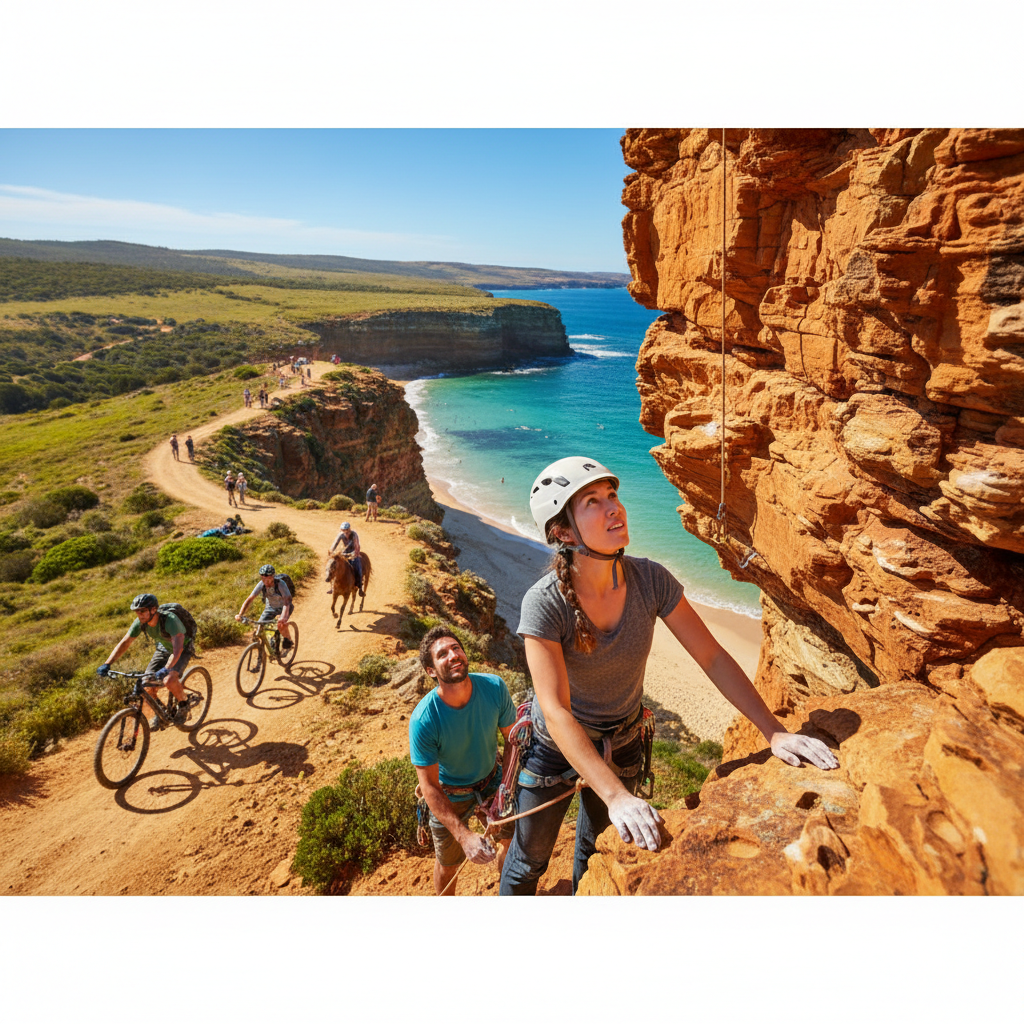
Beat the Sun on Multi-Pitch: Essential Helmet Sun Protection for Australian Climbers
The Australian sun is legendary for its intensity. For those of us who love spending hours on rock faces, tackling multi-pitch climbs, this intensity doesn't just mean getting a tan; it means serious sun exposure. Long days on the go, often with little shade between pitches, can lead to sunburn, heatstroke, and long-term skin damage. Your helmet is your primary safety gear, but is it doing enough to protect you from the relentless UV rays that batter our coasts and ranges?
Let's be blunt: a standard climbing helmet, while crucial for impact protection, often leaves your face, ears, and neck exposed. For multi-pitch climbs that can stretch for hours, this is a significant oversight. The UV Index in Australia frequently reaches extreme levels, especially during summer. You can’t rely on reapplying sunscreen to exposed areas every hour on a vertical wall. It’s impractical and often ineffective. We need a proactive solution.
The Problem: Why Standard Helmets Aren't Enough
Think about your typical multi-pitch setup. You're usually exposed to direct sunlight for extended periods. The sun beats down from above, and crucially, it reflects off the rock and the surrounding environment. This means you're getting radiation from multiple angles.
Face and Eyes: The sun's glare can be blinding, impacting your vision and ability to read the rock. Prolonged exposure increases the risk of sunburn, premature aging, and even eye damage like cataracts. Squinting constantly is exhausting and can lead to headaches.
Neck and Ears: These areas are often completely overlooked. Sunburn on your neck and ears is painful and increases your cancer risk. For climbers, a painfully sunburned neck can also make wearing a backpack or harness uncomfortable on the descent.
Heat Exposure: Beyond UV, direct sun exposure contributes to overheating, which can lead to fatigue, reduced concentration, and potentially heatstroke – a life-threatening condition. Dehydration is a constant concern in the Australian heat, and extra sun exposure exacerbates this.
The Solution: Integrated Helmet Sun Protection
You already wear a helmet. It's non-negotiable for climbing. Now, let's upgrade its protective capabilities against the sun. The most effective and practical solution for multi-pitch climbs is a helmet brim attachment. These aren't just fashion accessories; they are engineered to complement your existing helmet and provide vital shade.
Why a Helmet Brim Matters for Climbing
Unlike a simple baseball cap, a purpose-built helmet brim offers several advantages specifically for climbers:
Extended Coverage: A good brim extends significantly further than the peak of a standard helmet, casting a shadow over your face, cheeks, and even the bridge of your nose.
Adjustable or Fixed Options: Depending on the design, you can find brims that offer optimal coverage without obstructing your upward vision, which is critical for route finding and safety.
Durability: Designed for outdoor use, brims are made from robust materials that can withstand the elements, including wind and abrasion.
Lightweight and Unobtrusive: A well-designed brim adds minimal weight and doesn't interfere with helmet fit or your harness/backpack.
I know what some of you might be thinking. "Another piece of gear to worry about?" Or, "Will it look ridiculous?" Let's address those concerns head-on.
Objection Handling: Common Worries About Helmet Brims
"It will get in the way." This is a valid concern. However, the best helmet brims for climbing are designed not to impede your vision. They offer protection without being a hindrance. Features like a rigid enough structure to maintain shape, and a strategically designed curve, ensure you can still look up comfortably.
"I'll forget I'm wearing it." It becomes second nature. Once you experience the comfort and protection, you’ll wonder how you climbed without one. Think of it like carrying a helmet in the first place – something we now consider essential.
"It's just another thing to break or lose." While any piece of gear can be damaged, a quality brim is built to last. Installation is typically straightforward and secure. For extended durability, ensure you choose a product designed for rugged use. You can find options that are built tough. Check out our Products page for robust, purpose-built brims dedicated to climbing.
"It's expensive for what it is." Consider the cost of inaction: sunburn, heat exhaustion, potential skin cancer in the long run. Investing in your protection is a no-brainer. The cost of a good brim is minimal compared to the health benefits and the enhanced comfort on those long, exposed ascents.
Practical Application: Choosing and Using Your Brim Effectively
Not all helmet brims are created equal, especially when it comes to climbing. You need something specifically designed for the demands of vertical movement and prolonged sun exposure.
What to Look For in a Climbing Helmet Brim:
Coverage Area: Prioritise brims that offer substantial shade for your face and neck. Look for descriptions that detail the projected coverage.
Attachment Method: It needs to be secure. Clips, a robust Velcro system, or integrated attachment points are best. Avoid anything that feels flimsy or likely to detach under stress.
Material: UV-resistant plastics or treated fabrics are ideal. It should be durable and lightweight.
Compatibility: Ensure the brim you choose is compatible with common climbing helmet designs. Many are universal, but it's always worth double-checking.
Vision Angle: This is critical. A good brim allows you to look up without it bumping into your line of sight. This often means a curved design that sweeps away from your forehead.
Installation: It's Easier Than You Think
Worried about faffing around with attachments? It’s usually a simple process. Many brims have a universal fitting system. For example, the Da Brim attaches to many standard helmets using a robust system.
Step-by-Step Installation (General Guide):
1. Ensure Helmet is Clean: Wipe down the edges of your helmet where the brim will attach.
2. Position the Brim: Place the brim onto the helmet, aligning it with the front edge.
3. Secure the Fasteners: This might involve clips, Velcro straps, or a tensioning system. Follow the specific instructions for your chosen brim. For specific guidance on installing the Da Brim, you can refer to our How to Install page.
4. Test the Fit: Gently try to pull the brim away. It should feel secure and stable.
5. Check Your Vision: Put the helmet on. Look up. Does it obstruct your view? Adjust if possible, or consider a different brim model if it's a significant issue.
Multi-Pitch Sun Protection Checklist
To ensure you’re fully prepared for your next multi-pitch adventure under the Australian sun, use this checklist:
[ ] Helmet: A certified climbing helmet is a must.
[ ] Helmet Brim: A quality brim attachment providing extended face and neck shade.
[ ] Sunscreen: High SPF, broad-spectrum, applied to any remaining exposed skin (back of neck, hands).
[ ] Lip Balm with SPF: Don't forget your lips!
[ ] Sunglasses: Essential for the approach, descent, and any belay stations not shaded by the brim.
[ ] Lightweight, Sun-Protective Clothing: Long sleeves and pants, ideally UPF rated, help immensely.
[ ] Wide-Brimmed Hat (for approach/descent): A separate hat for when you’re not on the wall.
[ ] Hydration: Plenty of water and electrolytes. Carry more than you think you’ll need.
Sun Protection Table for Climbers
Here's a quick reference for how a helmet brim fits into your overall sun safety strategy:
| Sun Protection Element | Primary Role | Ideal for Multi-Pitch? |
|---|---|---|
| Climbing Helmet | Impact protection against rockfall, falls, abrasion. | Essential (always) |
| Helmet Brim | Shades face, eyes, nose, neck from direct UV. | Highly Recommended (especially for long routes) |
| Sunscreen | UV protection for exposed skin. | Essential for remaining exposed areas (hands, back of neck). |
| Sunglasses | Reduces glare, protects eyes from UV. | Essential for approach, descent, and some belay stations. |
| UPF Clothing | Protects skin from UV radiation. | Highly Recommended for approach, descent, and on the wall. |
Beyond the Brim: Other Sun Safety Tips for Climbers
While a helmet brim is your best defence for on-the-wall sun protection, don't neglect other strategies:
Timing: Whenever possible, plan your climbs to avoid the absolute peak sun hours, especially during summer. An early start is your friend.
Route Selection: Consider routes with more natural shade, or routes that trend east if you're climbing in the afternoon, to catch the morning sun and avoid the harshest midday rays.
Belay Station Tactics: Utilise any available natural shade at belay stations. If there's no shade, your helmet brim becomes even more valuable.
Hydration is Key: Dehydration exacerbates the effects of heat and sun exposure. Drink water consistently.
Conclusion
Don't let the intense Australian sun dictate the length or enjoyment of your multi-pitch climbs. You invest in good gear for protection and performance; it's time to invest in protecting yourself from the sun's damaging rays. A purpose-built helmet brim is a practical, effective, and often overlooked piece of gear that significantly enhances your comfort and safety on long days in the mountains.
It’s about being prepared for the realities of climbing in Australia. The UV index doesn’t care if you're having fun. Make sun protection an integral part of your climbing routine. Explore your options on our Products page and ensure your helmet is ready for whatever the sun throws at you.
For more tips and information, check out our FAQ or our main Blog for further reading on climbing safety and gear.
Stay safe and climb on!