
Beat the Sun: Essential Sun Protection for Long Australian Cycling Rides
Don't let the scorching Australian sun cut your long road rides short. Learn practical, no-nonsense sun protection strategies for helmet wearers, focusing on effective gear and smart habits.
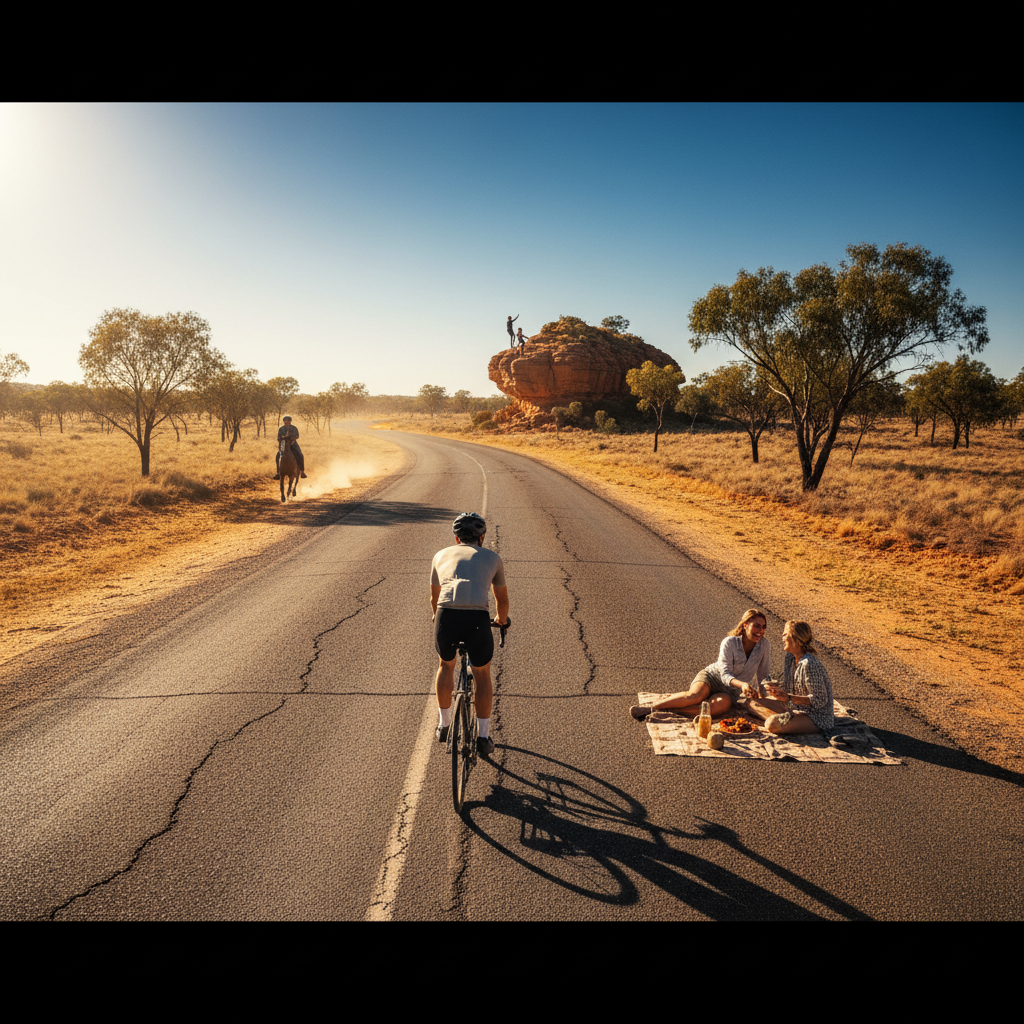
Beat the Sun: Essential Sun Protection for Long Australian Cycling Rides
Long road rides in Australia are a rite of passage, but the sun isn't always your friend. We're talking about extreme UV indexes, relentless heat, and days that stretch on, exposing you for hours. This isn't about faffing around; it's about practical, effective sun protection so you can focus on the ride, not the burn. As helmet wearers, we have a unique set of challenges and opportunities.
Let's cut to the chase: your helmet offers some protection, but it's not the whole story. You need a multi-pronged approach.
The Core Problem: Direct Sun Exposure on the Bike
When you're out on the road for hours – whether it's a weekend warrior adventure or serious training – prolonged exposure to UV radiation is a given. Even on cloudy days, UV rays can penetrate. Beyond the obvious risk of sunburn and skin cancer, intense sun can lead to dehydration, heatstroke, and eye strain. For cyclists, especially those in the harsh Australian climate, this becomes a critical consideration.
Most helmets are designed for ventilation and impact protection, not full-coverage sun blocking. The gaps between vents are pathways for UV rays to hit your scalp and face. So, what's the solution? It's a combination of what you wear, what you apply, and how you manage your ride.
Essential Gear for Sun Protection on the Bike
Your primary defence starts with your kit. For long rides, especially in Australia's peak sun hours, passive protection is paramount. This means gear that physically blocks the sun.
1. The Helmet Brim: Your First Line of Defence
Your helmet is already on. Adding a brim is the easiest, most effective way to increase its sun-blocking capability. This isn't about fashion; it's about function.
Why it matters: A good brim shades your face, eyes, and neck from direct sunlight. This reduces UV exposure to sensitive skin, prevents glare, and can even keep you cooler by shading your forehead. Think of it as a built-in visor, but more substantial.
What to look for:>
Size and Shape: Extended brims offer more coverage. Curved brims can help direct airflow while still blocking the sun.
Material: Durable, lightweight materials that won't add significant weight to your helmet.
Attachment: Secure and easy to attach/remove. You don't want it flying off, nor do you want a fiddly process.
Compatibility: Ensure it fits your specific helmet model. We offer solutions designed for various helmet types. Check out our Products page for options.
2. Sunglasses: More Than Just Style
Your eyes are vulnerable. Prolonged UV exposure can lead to cataracts and macular degeneration over time. On the bike, glare from the sun can also cause dangerous visibility issues and eye strain, making you tired and less focused.
Key Features:
UV Protection: Ensure they block 100% of UVA and UVB rays. This is non-negotiable.
Lens Colour: While not directly related to UV protection, lighter tints (like yellow or clear) are good for low light or overcast conditions. Grey or brown lenses are excellent for bright, sunny days, reducing glare without distorting colours. Polarised lenses can be fantastic for cutting glare off roads and water, but some cyclists find they can interfere with LCD screens.
Coverage: Wrap-around styles offer the best protection from sun and wind hitting the sides of your eyes.
Fit: They need to stay put even when you're sweating and moving.
3. Sun-Protective Clothing
While your helmet covers your head, your arms, legs, and neck are still exposed. Many cyclists opt for bare arms, but for long rides in high UV, this is a mistake.
UPF Rated Clothing: Look for clothing with a UPF (Ultraviolet Protection Factor) rating. A UPF of 30-49 offers good protection, while UPF 50+ is excellent. This applies to jerseys, arm warmers, leg warmers, and even socks.
Lightweight and Breathable: Australian heat demands lightweight, breathable fabrics that wick sweat away from your skin. Dark colours absorb more heat, so lighter colours are often preferable.
Neck Gaiters/Buffs: A lightweight, moisture-wicking neck gaiter can be pulled up over your face and neck when the sun is intense. It’s versatile and can double as a sweatband.
Active Sun Protection: What You Apply
Passive protection (gear) should be your first priority, but it's not always enough. You need to actively shield your skin.
Sunscreen: Your Daily Essential
This is non-negotiable for any exposed skin.
SPF Rating: Aim for SPF 50+, broad-spectrum (protects against UVA and UVB).
Water/Sweat Resistance: Essential for cycling. You'll be sweating, and you don't want sunscreen running into your eyes.
Application: Apply at least 15-20 minutes before heading out. Reapply every two hours, or more frequently if you're sweating heavily or have been in water. This is often overlooked on long rides.
Areas to Cover: Don't forget your ears, the back of your neck, your hands, and any other exposed skin. Even the tops of your feet can get burnt through your cycling shoes.
Objection Handling: "Sunscreen is greasy and feels awful!" Modern sunscreens have come a long way. Look for "dry touch" or "quick-absorbing" formulas. Mineral sunscreens are often a good choice for sensitive skin.
Smart Riding Habits for Sun Protection
Gear and sunscreen are crucial, but your strategy matters too.
1. Timing is Everything
Australia’s sun can be brutal. The UV index is highest between 10 am and 3 pm. If possible, shift your longest rides to the early morning or late afternoon to minimise exposure during peak UV hours. Even an hour or two can make a significant difference.
2. Strategic Breaks
Plan your breaks in shaded areas. This gives your skin a chance to cool down and reduces cumulative sun exposure. Combine this with reapplying sunscreen and hydration.
3. Hydration and Cooling
While not direct UV protection, staying hydrated and cool helps your body cope with the stress of the sun. Dehydration can make you more susceptible to sunburn and heatstroke. Consider using cooling towels or misting yourself with water during breaks.
A Practical Checklist for Long Rides
Here’s a quick rundown to ensure you’re prepared:
Helmet Brims: Check if your helmet has one, or consider adding one. See Products.
UV Protection Sunglasses: 100% UVA/UVB blocking, good coverage.
UPF Rated Clothing: Jersey, arm/leg warmers if needed.
Neck Gaiter/Buff: Lightweight, moisture-wicking.
SPF 50+ Sunscreen: Broad-spectrum, water/sweat resistant.
Lip Balm with SPF: Don't forget your lips!
Hydration: Plenty of water and electrolytes.
Ride Timing: Avoid peak UV hours (10 am-3 pm) where possible.
Reapplication Plan: Set reminders to reapply sunscreen.
Installation and Maintenance: Getting It Right
For add-on helmet brims, how to install them correctly is crucial for both effectiveness and safety. A poorly attached brim could become a hazard. Our guides provide step-by-step instructions to ensure a secure fit. Remember, a brim is an accessory; your helmet's primary safety features should never be compromised. Refer to How to Install for detailed guidance.
Common Questions Answered
We get a lot of questions about sun protection on the bike. For comprehensive answers to common queries, check out our FAQ page.
Don't Let the Sun Win
Protecting yourself from the Australian sun on long rides isn't optional; it's essential. By combining smart gear choices – especially a good helmet brim – with diligent application of sunscreen and sensible riding habits, you can enjoy those long days on the bike without compromising your health. Explore our range of protective gear at Products and start planning your next sun-safe ride. For more tips and updates, visit our Blog.
Stay protected, ride further. The Australian sun is beautiful, but it demands respect.