
Beat the Stifling Heat: Your Ultimate Guide to Staying Cool on Long Australian Rides
Don't let the scorching Australian sun or sweltering heat cut your riding sessions short. This guide offers practical, no-nonsense strategies specifically for helmet wearers to stay cool and comfortable, even on the longest rides.
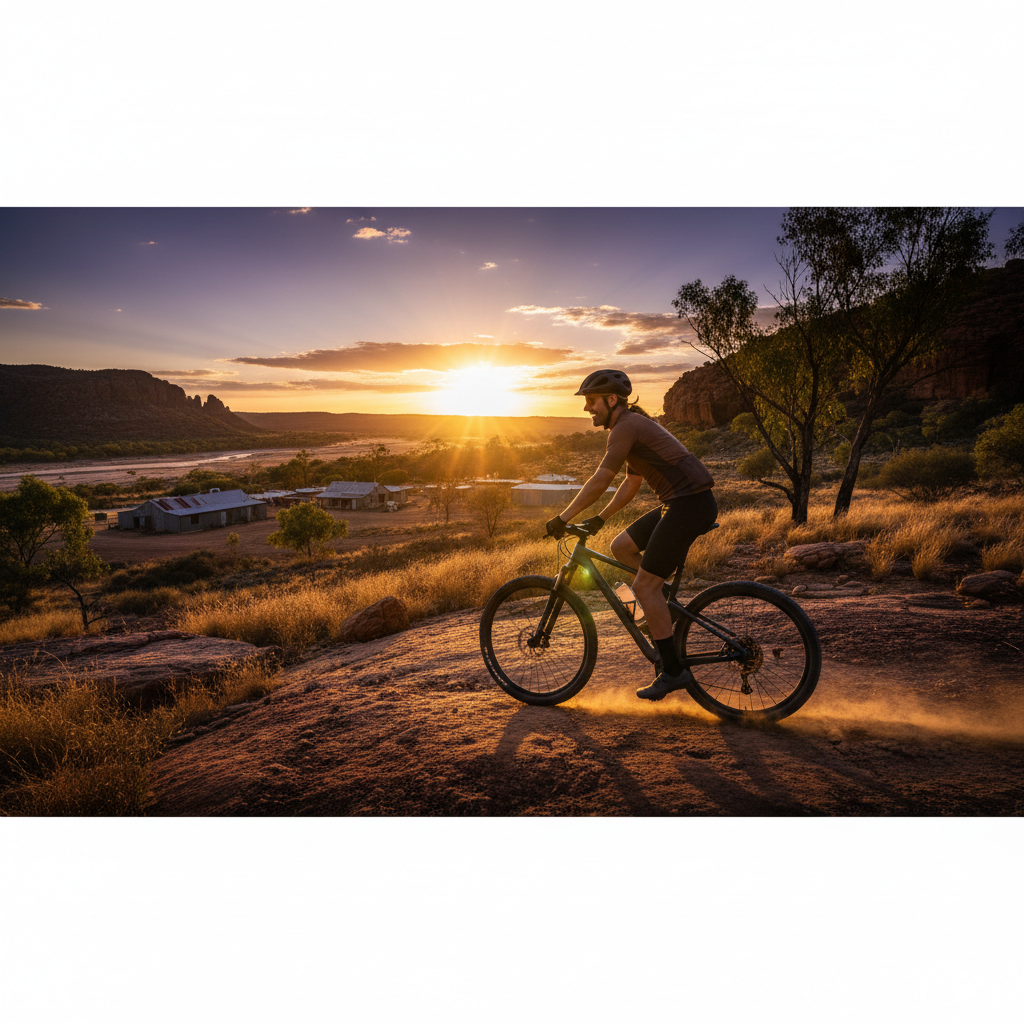
Beat the Stifling Heat: Your Ultimate Guide to Staying Cool on Long Australian Rides
Australia. We love it. The wide-open spaces, the unique wildlife, the sheer freedom of a long ride. But let's be honest, we also know its challenges. The relentless sun, the dry heat, and days that stretch on – these can turn a dream ride into a sweaty, uncomfortable ordeal. And for us helmet-wearers, that heat can get trapped, making things even worse.
This isn't about fluffy advice. This is about practical, hard-hitting strategies to keep you cool and focused, no matter how long you’re in the saddle or how high that UV index climbs. We'll cover everything from prep work to on-the-fly tactics, all with Australian riding conditions in mind.
The Real Problem: Heat Buildup Under Your Helmet
Your helmet is vital for safety. But it’s also a natural heat trap. In the Australian summer, when the temperature can easily hit 30-40°C and the UV index is high, the environment inside your helmet can become significantly hotter than the ambient temperature. This leads to:
Dehydration: You sweat more to try and cool down, losing vital fluids.
Fatigue: Your body works overtime to regulate temperature, draining your energy.
Reduced Performance: Both for you and your horse, heat stress impacts focus and stamina.
Increased Risk of Heatstroke: A serious medical emergency that can strike quickly.
We need to actively manage this heat. It’s not just about comfort; it's about safety and endurance.
Pre-Ride Preparation: Setting Yourself Up for Success
What you do before you even mount your horse is crucial. Don't leave it to chance.
1. Hydration is Non-Negotiable
This is the cornerstone. Don't wait until you're thirsty to drink. Start hydrating hours before your ride.
Morning Of: Drink a large glass of water as soon as you wake up.
Leading Up: Sip water consistently throughout the day leading up to your ride, especially if it's an afternoon or evening session.
Electrolytes: For longer rides (over an hour) or particularly hot days, consider adding an electrolyte supplement to your water. This replaces salts lost through sweat.
2. Smart Clothing Choices
Your base layer matters. Ditch the thick cotton. Think light, breathable, and moisture-wicking.
Fabrics: Look for synthetic blends or merino wool that draw sweat away from your skin. This allows for better evaporation and cooling.
Colours: Light colours reflect sunlight better than dark colours, helping you stay cooler.
Fit: Loose-fitting clothing allows for better air circulation.
3. Pre-Cooling Yourself
Give your body a head start on cooling down.
Cool Shower: A quick, cool shower before your ride can significantly lower your core body temperature.
Cold Compress: Apply a cold, damp cloth or ice pack to pulse points (wrists, neck, temples) for a few minutes before you head out.
4. Strategic Timing
If possible, avoid the absolute hottest parts of the day. Early morning or late afternoon rides are always going to be more bearable. Consider the UV index – on days with a very high reading, more time spent in the shade is sensible, even if it means a shorter riding session.
Helmet Hacks: Keeping the Cool In and the Heat Out
Your helmet is essential, but it can also be your biggest heat challenge. Here's how to mitigate that.
1. The Power of a Brim
Standard helmets offer ventilation, but they do little to shield your face and neck from direct sun. This is where a good helmet brim becomes a game-changer. A well-designed brim like the Da Brim can significantly block UV rays, reduce glare, and create a shaded zone around your face and neck, which helps your body feel cooler.
How it Works: It's not just about shade. By reducing direct solar radiation hitting your head, your body doesn't have to work as hard to dissipate heat.
Easy Attach: Adding a brim is simple. Check out our guide on How to Install – it takes minutes.
2. Ventilation is Key (and How to Improve It)
Most modern helmets have vents. Make sure they're clear. But can you do more?
Clean Vents: Regularly check and clean any debris from your helmet vents.
Under the Helmet: Some riders opt for thin, cooling skull caps or bandanas made of moisture-wicking material. Ensure they are thin enough not to impede helmet fit or ventilation.
3. Helmet Fit
A helmet that's too tight can restrict blood flow and heat dissipation. Ensure your helmet fits comfortably, not snugly. If it feels like it's squeezing your head, it might be contributing to overheating.
During the Ride: Tactics for Sustained Cooling
Once you're in the saddle, comfort and cooling are about ongoing management.
1. Regular Hydration Breaks
Even with pre-hydration, you need to keep sipping. Plan regular stops, even short ones, to drink.
Carry Water: Always have water accessible. A saddlebag with a water bottle, or a hydration pack if suitable for your riding discipline, is essential.
Sip, Don't Gulp: Take small, frequent sips of water. This helps your body absorb it more efficiently.
2. Utilize Cold Water Strategically
This is where smart use of water can make a big difference.
Damp Cloth: Carry a small, lightweight towel or bandana. Dampen it with cold water and tie it around your neck or place it on your forehead during breaks. The evaporation provides significant cooling.
Spritz Bottle: A small spray bottle filled with chilled water can offer an instant cooling mist. Spray your face, neck, or arms.
3. Sun Protection Beyond the Helmet
While your helmet and brim protect your head, don't forget the rest of you.
Sunscreen: Apply broad-spectrum SPF 50+ sunscreen to any exposed skin well before your ride, and reapply if you're out for extended periods.
Long Sleeves/Pants: Light, breathable, long sleeves and pants offer the best protection against UV damage and reduce heat absorption compared to dark, tight clothing.
4. Listen to Your Body (and Your Horse)
Heat stress can sneak up on you. Be aware of the signs.
Your Signs: Headache, dizziness, nausea, excessive thirst, muscle cramps, irritability, and a lack of sweat (a dangerous sign!).
Horse's Signs: Excessive panting, reluctance to move, blowing hard, visible distress. Your horse will feel the heat just as much, if not more, than you.
If you notice any of these signs, stop riding. Find shade, rest, and rehydrate. It’s always better to cut a ride short than push through heat exhaustion.
Post-Ride Recovery: Cooling Down Effectively
Your work isn't done when you dismount.
1. Immediate Cooling
Remove Helmet: Get that helmet off as soon as possible to allow your head to breathe and cool.
Cool Drink: Continue hydrating, ideally with water or an electrolyte drink.
Damp Towel: Apply a cool, damp towel to your neck and face.
2. Gentle Rehydration and Replenishment
Food: Eat a balanced meal that includes fruits and vegetables rich in water content.
Continue Hydrating: Keep drinking water throughout the rest of the day.
Common Objections and How to Handle Them
We get it. Sometimes changing habits is tough. Here are common objections and practical replies:
Objection: "Adding a brim makes my helmet look uncool/different."
Response: Safety and comfort shouldn't be sacrificed for aesthetics, especially when dealing with harsh Australian sun. A brim like Da Brim is designed to complement your helmet and its primary function is protection from the sun and glare, making your ride safer and more enjoyable. Functionality wins when it comes to prolonged comfort in the heat.
Objection: "I don't have time to prep like this."
Response: Taking five minutes to drink some water before you go, or making sure your water bottle is filled, is a small investment for hours of greater comfort. Prepping your body and gear in advance saves you from suffering during the ride and the much longer recovery time from heat stress.
Objection: "I'm used to the heat. I'll be fine."
Response: Australia’s heat can be deceptive and dangerous. Even if you feel you’re acclimatised, prolonged exposure without proper cooling can lead to dehydration and heatstroke without you realising it until it’s too late. It’s about managing risk, not just personal tolerance.
Objection: "My helmet is ventilated, it's enough."
Response: Standard helmet vents help, but they don't block direct solar radiation on your face, neck, and scalp, which is a significant heat source. Adding a brim provides crucial shade and airflow management that vents alone can't.
Quick Checklist for a Cooler Ride
Before you ride, run through this:
[ ] Hydrated well in the hours prior? (Water + optional electrolytes)
[ ] Wearing light, breathable, light-coloured clothing?
[ ] Applied sunscreen to exposed skin?
[ ] Helmet fitted correctly and vents clear?
[ ] Da Brim attached for extra shade and cooling?
[ ] Water bottle/hydration pack filled and accessible?
[ ] Small damp cloth/bandana packed?
Step-by-Step: Integrating Cooling Tactics on the Fly
5 Minutes Before Mounting:
1. Take a few good sips of water.
2. If using, apply a cool, damp cloth to your neck for a minute.
3. Do a final check of your helmet and ensure your sun protection is in place.
During the Ride (Every 30-45 minutes):
1. Pause in a shaded spot if possible.
2. Take 2-3 good sips of water.
3. If you have a damp cloth, reapply it to your neck or forehead. Use your spray bottle if you have one.
4. Check your horse for signs of heat stress.
Upon Dismounting:
1. Remove helmet immediately.
2. Drink water.
3. If possible, use a cool damp towel on your skin.
The Importance of Your Gear
Investing in the right gear can make a massive difference to your comfort and safety. A quality helmet is non-negotiable for safety. For enhanced cooling and sun protection, accessories like a Da Brim are practical additions. You can explore our range of Products to see how you can improve your riding experience.
Final Thoughts
Long rides in Australia are a joy, but they demand respect for the conditions. By implementing these practical, no-nonsense strategies, you can significantly improve your comfort, enhance your endurance, and most importantly, stay safe under the harsh Australian sun. Don’t let the heat dictate the length or enjoyment of your riding sessions. Be prepared, be smart, and ride cool.
For more tips and information, check out our FAQ or browse more articles on our Blog.