
Beat the Heat: Your Ultimate Guide to Staying Cool on Summer Climbs
Conquering summer climbs in Australia means battling intense sun and rising temperatures. Discover practical strategies for helmet wearers to stay cool, comfortable, and safe.
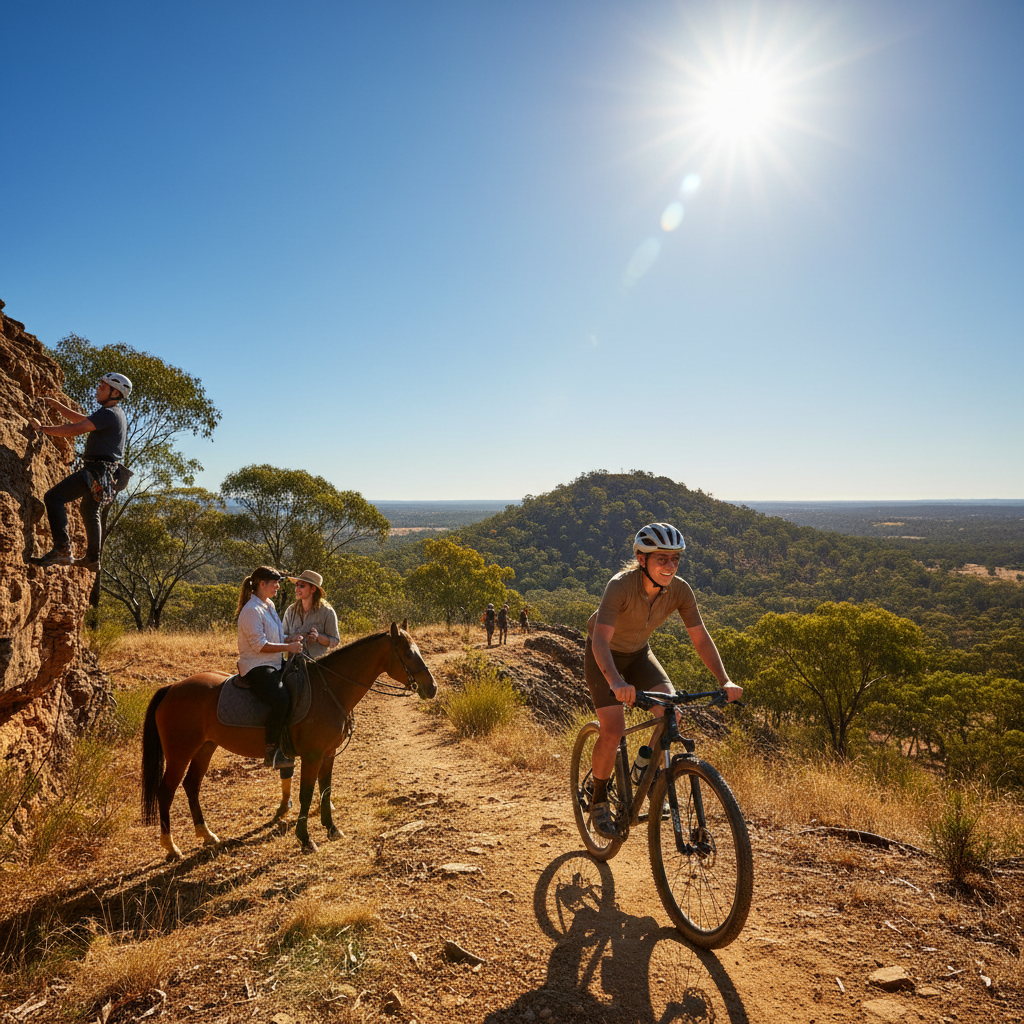
Beat the Heat: Your Ultimate Guide to Staying Cool on Summer Climbs
Australia. Land of sunshine, stunning landscapes, and... brutal summer heat. For cyclists, especially those who love to tackle climbs, summer can be a formidable opponent. The relentless sun, the shimmering heat haze, and the ever-present UV rays demand a smart approach. Wearing a helmet is non-negotiable, but it can also feel like wearing a personal sauna on a hot day. Let's cut the fluff and talk practical strategies for staying cool and safe on your summer ascents.
The Invisible Enemy: Heat and UV
We all know Australian summers are hot. But it’s not just about feeling uncomfortable. Prolonged exposure to high temperatures can lead to heatstroke, dehydration, and exhaustion, severely impacting your performance and safety. And then there's the UV. Even on cloudy days, the UV index can be dangerously high, increasing your risk of sunburn and long-term skin damage.
Why Helmets Can Feel Hot (And How to Fight It)
Traditional helmets are designed for protection, not necessarily for optimal heat dissipation. Vents help, but when you're pushing hard uphill, your body generates a lot of heat, and that heat needs to go somewhere. This is where smart gear choices and strategic riding come into play.
Pre-Ride Preparation: Setting Yourself Up for Success
Don't wait until you're halfway up the climb to start thinking about heat. Preparation is key.
Hydration is King
This isn't just about drinking water when you're thirsty. Start hydrating hours before your ride. Water, electrolyte drinks – whatever works for you – just get fluids in.
Fueling Wisely
Avoid heavy, greasy meals before a hot ride. Opt for easily digestible carbohydrates. Think fruit, oats, or a light sandwich.
Clothing Choices
Lightweight, moisture-wicking cycling gear is your best friend. Bright colours can also help reflect sunlight, keeping you a little cooler than dark colours.
Sunscreen is Non-Negotiable
Even with a helmet, exposed skin – your face, neck, arms, and legs – needs protection. Apply a broad-spectrum SPF 50+ sunscreen generously and reapply if you're out for extended periods.
On the Ride: Tactics for Staying Cool
Once you're on the road, there are still plenty of things you can do to manage your core temperature.
Strategic Hydration Breaks
Don't just chug water. Take small sips frequently. If you have planned stops, use them to top up your bottles and take a brief moment in the shade.
Embrace the Shade
If the route allows, use any available shade to your advantage. Even a few minutes under a shady tree can help.
Pacing is Everything
When climbing in the heat, you can't push as hard as you might in cooler conditions. Listen to your body. Slower and steadier is the mantra.
The Power of the Brim
This is where your helmet setup makes a difference. A helmet brim, like the ones offered for our range of helmets, provides crucial shade for your face and neck, significantly reducing direct sun exposure. This isn't just about comfort; it helps prevent sunburn and can even contribute to keeping your head cooler by blocking radiant heat.
Understanding Your Helmet's Role
Your helmet is your primary safety gear, but it can also be part of your heat management strategy. Here's a look at how:
Ventilation: Ensure your helmet's vents are clear of debris. While vents help, their effectiveness can be limited when you're stationary or moving slowly. This is where proactive cooling measures become even more important.
Fit: A well-fitting helmet is crucial for safety, but it also ensures that air can flow around your head as intended by the design. Check the how to install guide to ensure you have the correct fit.
Adding Shade: As mentioned, a brim significantly enhances a helmet’s ability to shield you from the sun. It’s a simple addition that makes a big difference. Explore our products to find the perfect fit for your helmet.
Pro-Tips for Thriving, Not Just Surviving, the Summer Heat
Let's get down to the nitty-gritty. What are the real game-changers?
The Wet Towel Trick
Carry a small, lightweight towel. Dunk it in water at a stop or a public tap and drape it around your neck. The evaporative cooling effect is surprisingly effective.
Ice in Your Jersey Pocket
This is advanced stuff. Before you head out, put a few ice cubes in a ziplock bag and stash it in your jersey pocket. As it melts, it cools your core.
Ride Earlier or Later
If possible, adjust your riding times. Early morning or late afternoon rides will be significantly cooler than midday assaults.
Listen to Your Body (Seriously)
This cannot be stressed enough. If you feel dizzy, nauseous, or excessively fatigued, pull over. Find shade, rehydrate, and consider ending your ride. Heatstroke is a medical emergency.
Staying Cool: A Quick Checklist
Before you clip in for that summer climb, run through this:
[ ] Hydrated for 24+ hours prior
[ ] Applied SPF 50+ sunscreen to all exposed skin
[ ] Wore lightweight, light-coloured cycling gear
[ ] Packed sufficient water and electrolytes
[ ] Checked helmet for clear vents and secure fit
[ ] Ensured a compatible helmet brim is attached (if applicable)
[ ] Paced the initial part of the climb conservatively
Common Objections and How to Handle Them
"Helmets are too hot!"
This is a valid concern. However, the safety benefits far outweigh the heat discomfort. The key is to mitigate the heat through other means: proper hydration, suitable clothing, strategic riding, and crucially, by adding shade to your helmet. A good brim can make a noticeable difference.
"I don't have time to drink that much water."
Prioritise this. If you're short on time, shorten your ride. Dehydration is a serious risk. Carry more than you think you'll need. Better to have extra than run dry.
"I'll just wear a cap under my helmet."
While some people do this, a cap can actually trap heat against your head, potentially making you feel hotter. Furthermore, it can interfere with your helmet's fit and ventilation. A well-designed helmet with a good brim is a more effective solution for sun protection and managing heat flow.
Long-Term Heat Adaptation
Your body can adapt to heat over time. Gradual exposure to warmer conditions can improve your sweat response and increase blood plasma volume, making you more efficient at cooling yourself. So, don't be shy of the summer heat entirely, but approach it intelligently.
Conclusion: Conquer the Climb, Not the Heatstroke
Summer climbs in Australia are a fantastic way to experience the country's beauty. By being prepared, smart with your nutrition and hydration, and utilising the right gear – including a helmet that provides sun protection – you can enjoy your rides without succumbing to the heat. Remember, safety comes first. If you're ever in doubt, err on the side of caution. For more tips and product information, check out our blog or our FAQ.
Stay cool, stay safe, and keep spinning those pedals!