
Beat the Heat: Your Rider's Guide to Staying Cool on Long Australian Rides
Don't let the heat and harsh Australian sun cut your riding sessions short. Learn practical strategies to stay cool and protected, from gear choices to hydration hacks. Because a cool rider is a safe and effective rider.
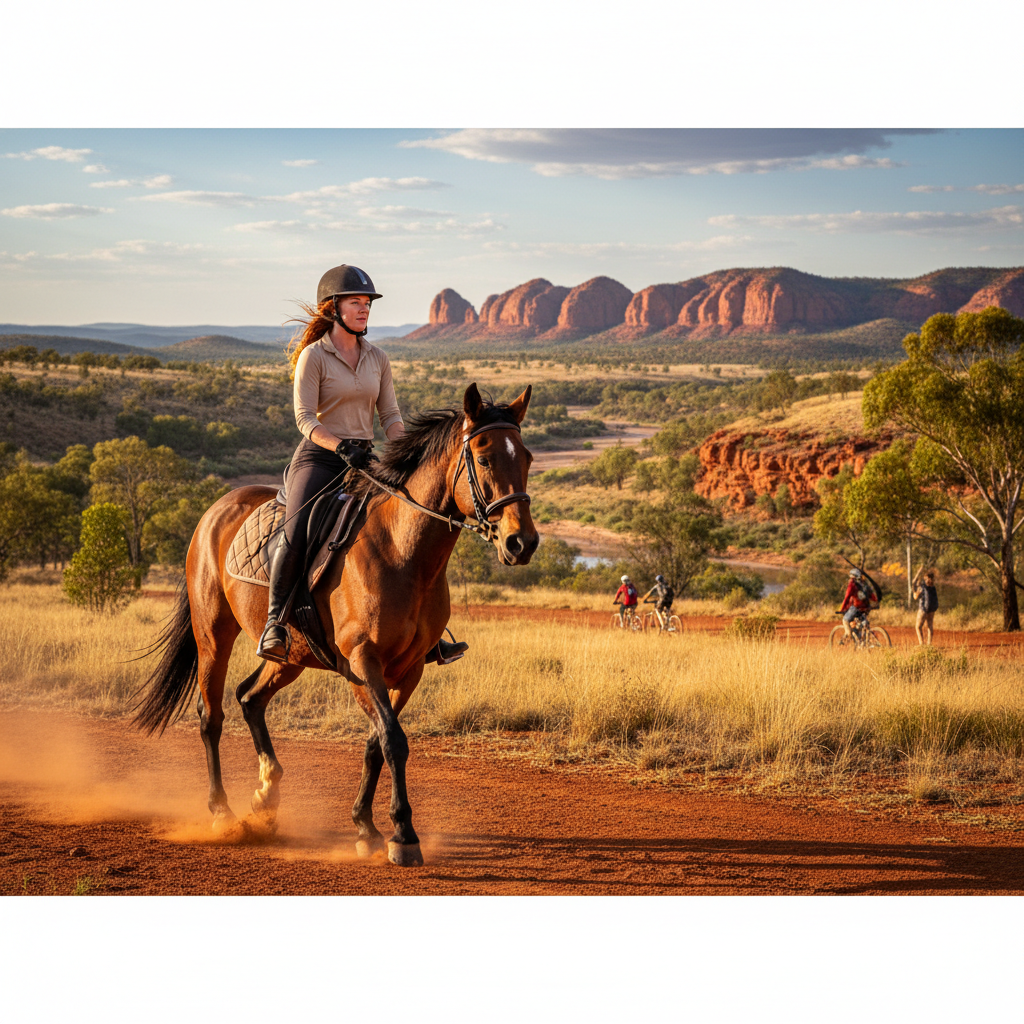
Beat the Heat: Your Rider's Guide to Staying Cool on Long Australian Rides
We all love our horses and the freedom of the ride. But let's be honest, long sessions in the saddle, especially under the relentless Australian sun, can be brutal. High UV indexes and sweltering temperatures don't just make you uncomfortable; they can affect your focus, your performance, and even your safety. If you're nodding along, this is for you. We're cutting through the fluff and giving you the practical, no-nonsense advice you need to stay cool and ride strong, no matter how long your session or how hot it gets.
The Problem: Why Staying Cool Matters for Riders
Australia's climate is beautiful, but it demands respect. Those long summer days? They come with intense UV radiation that can lead to sunburn and heatstroke. Even on cloudier days, UV rays penetrate and can cause damage. When you're hot and bothered, your body diverts energy to regulating temperature. This means less for your brain, affecting your concentration. Your muscles can tire faster, and your reaction times slow down. This isn't just about comfort; it's about being the best rider you can be, and critically, the safest.
Think about it: are you cutting rides short when the mercury rises? Are you feeling sluggish and unfocused by the final trot? Are you worried about sunburn, even with sunscreen? These are common issues, but they don't have to be permanent ones. With the right strategies and gear, you can extend your time in the saddle and enjoy your rides more, even in peak Australian conditions.
Your Cooling Toolkit: Gear Considerations
Your gear is your first line of defence. What you wear on your head, in particular, plays a massive role in comfort and sun protection.
The Helmet: Your Non-Negotiable Safety Feature
No compromise here. A properly fitted helmet is essential for every rider. However, not all helmets are created equal when it comes to managing heat. Some have excellent ventilation systems designed to draw air through, but they can only do so much when the ambient temperature is high.
The Game Changer: Adding Shade
This is where intelligent design meets practicality. A helmet brim is your direct shield against the sun. Traditional equestrian helmets often have minimal brims, leaving your face and neck exposed. This is where supplements can make a huge difference. We're talking about additions that actively increase shade without compromising your helmet's safety or fit. They are designed to attach securely and provide substantial sun protection.
Objection Handling:
"Will it make my helmet too hot?" Many innovative brim designs actually work with your helmet's ventilation, creating airflow that can help cool you. Look for designs that don't block vents completely. The primary goal is to keep direct sun off your face and neck, which ironically, can make you feel cooler than being baked by the sun.
"Is it safe? Will it fly off?" Reputable products are engineered for secure attachment. They undergo testing to ensure they remain in place under normal riding conditions. Always follow the installation instructions meticulously.
"It looks a bit dorky." Functionality and safety often trump fashion when you're out in the elements for hours. Plus, a well-designed accessory can blend seamlessly and is often far less conspicuous than a wide-brimmed hat that might interfere with your reins or tack.
Fabric Choices Matter
Beyond the helmet, your clothing plays a part. Lightweight, breathable, moisture-wicking fabrics are your friends. Think about long-sleeved shirts made from UPF-rated material. These protect your skin from UV rays and help manage sweat.
Hydration: The Inside Job
Staying cool isn't just about external measures; it's fundamentally about what you're doing internally.
Water, Water, Everywhere
This might sound obvious, but are you drinking enough water? Dehydration is a major contributor to heat exhaustion. You need to be proactively hydrating before, during, and after your ride.
Before: Drink water in the hours leading up to your ride. Don't wait until you're thirsty.
During: If you're out for extended periods, carry water with you. A hydration pack or a water bottle secured in your saddlebag is essential.
After: Replenish fluids lost during the ride.
Electrolytes
When you sweat, you lose electrolytes like sodium and potassium. Replacing these is crucial, especially on very hot days or during intense workouts. Sports drinks or electrolyte tablets can be a lifesaver. Just be mindful of sugar content in some commercial options.
Cool Down Tactics
Wetted Bandana: A damp bandana around your neck can provide significant cooling. Ensure it's made of a breathable material.
Cool Shower: A quick rinse before you ride can lower your core temperature. A cool shower after is also very effective.
Smart Riding Strategies for Hot Weather
Sometimes, the best way to beat the heat is to ride smarter, not harder.
Timing is Everything
If possible, plan your rides for the cooler parts of the day. Early mornings and late evenings are your best bet. Avoid the midday sun when UV levels and temperatures are at their peak. This is particularly relevant in Australia, where the midday sun can be intense year-round in many regions.
Pace Yourself
On hot days, you and your horse exert more energy. Don't push for a gruelling workout. A more moderate pace will help both of you manage your body temperature and prevent overheating.
Listen to Your Body (and Your Horse)
This is critical.
Signs of Overheating in Humans: Dizziness, nausea, headache, excessive thirst, muscle cramps, rapid pulse. If you experience these, stop immediately, get into shade, and rehydrate. Seek medical attention if symptoms worsen.
Signs of Overheating in Horses: Excessive sweating that stops, lethargy, heavy breathing, increased heart rate that doesn't recover quickly, dark or dry gums. If you see these, cool your horse down immediately with water and stop riding.
Essential Checklist for a Cooler Ride
Before you head out, run through this:
[ ] Helmet: Well-ventilated, secure fit.
[ ] Helmet Brim Attachment: Maximise facial and neck shade.
[ ] Lightweight, Breathable Riding Clothes: Preferably UPF rated.
[ ] Plenty of Water: More than you think you'll need.
[ ] Electrolyte Source: Sports drink or tablets.
[ ] Sunscreen: Applied generously to any exposed skin.
[ ] Hat/Cap (under helmet if appropriate): Some riders find thin, moisture-wicking caps helpful for sweat management.
[ ] Wetted Bandana or Cooling Towel: For neck or wrists.
Step-by-Step Guide: Enhancing Your Helmet for Maximum Coolness and Shade
Let's focus on making your current helmet work harder for you in the heat. This involves adding effective shade.
Step 1: Assess Your Helmet's Ventilation
Before attaching anything, understand where the air comes in and goes out. This helps you choose an accessory that won't impede airflow too much. You can typically see vents on the front, top, and back.
Step 2: Choose a Secure Brim System
Look for innovative solutions designed for equestrian helmets. These are often clip-on or strap-based systems that attach to your helmet. Prioritise systems that:
Are designed for helmet security.
Offer significant shade coverage for your face, ears, and neck.
Are made from durable, lightweight materials.
Are easy to attach and remove.
We offer a range of Products that address this very need. They are designed to integrate seamlessly with standard equestrian helmets, providing that extra layer of crucial sun protection.
Step 3: Installation (Follow Manufacturer's Instructions!)
This is non-negotiable. Whether it's a clip-on or a strap system, follow the guide precisely. For our systems, you can find detailed instructions on our How to Install page. Proper installation ensures the brim remains secure and effective.
Step 4: Test It Out
Before a long ride, wear your helmet with the brim attached around the yard or for a short hack. Check for any discomfort, shifting, or interference with your vision. Make sure it feels secure.
Step 5: Ongoing Checks
Periodically check the attachment points. Dust and sweat can affect grip over time. A quick wipe-down of the attachment area and the brim itself can keep it performing optimally.
Frequently Asked Questions
We often get asked about staying cool and protected. For more in-depth answers, please visit our FAQ.
Q: Will this extra brim affect my helmet's safety certification?
A: Reputable helmet accessory brims are designed NOT to compromise the structural integrity or safety performance of your helmet. They attach externally or to specific mounting points and are not intended to be load-bearing. Always check product specifications and ensure your primary helmet meets current safety standards.
Q: How do I clean my helmet brim attachments?
A: Most can be wiped clean with a damp cloth and mild soap. Refer to the specific product instructions for best results and to avoid damaging the material.
- Q: Are there options for different helmet styles?
Conclusion: Ride Longer, Ride Cooler, Ride Safer
Don't let the Australian sun dictate your riding schedule or compromise your comfort and safety. By combining smart gear choices, proactive hydration, and conscious riding habits, you can significantly improve your experience. Investing in effective sun protection for your head is a simple yet powerful way to make long rides more enjoyable and significantly safer. Remember, a happy, cool rider is a safer rider. For more tips and tricks, explore our Blog for ongoing advice.
Stay cool out there!