
Beat the Heat: Your Practical Guide to Managing Heat Stress While Riding in Australian Summer
Don't let the Australian summer sun get the better of you. This no-nonsense guide for helmet wearers covers practical strategies to manage heat stress while enjoying your rides. From hydration to gear, we've got you covered.
Beat the Heat: Your Practical Guide to Managing Heat Stress While Riding in Australian Summer
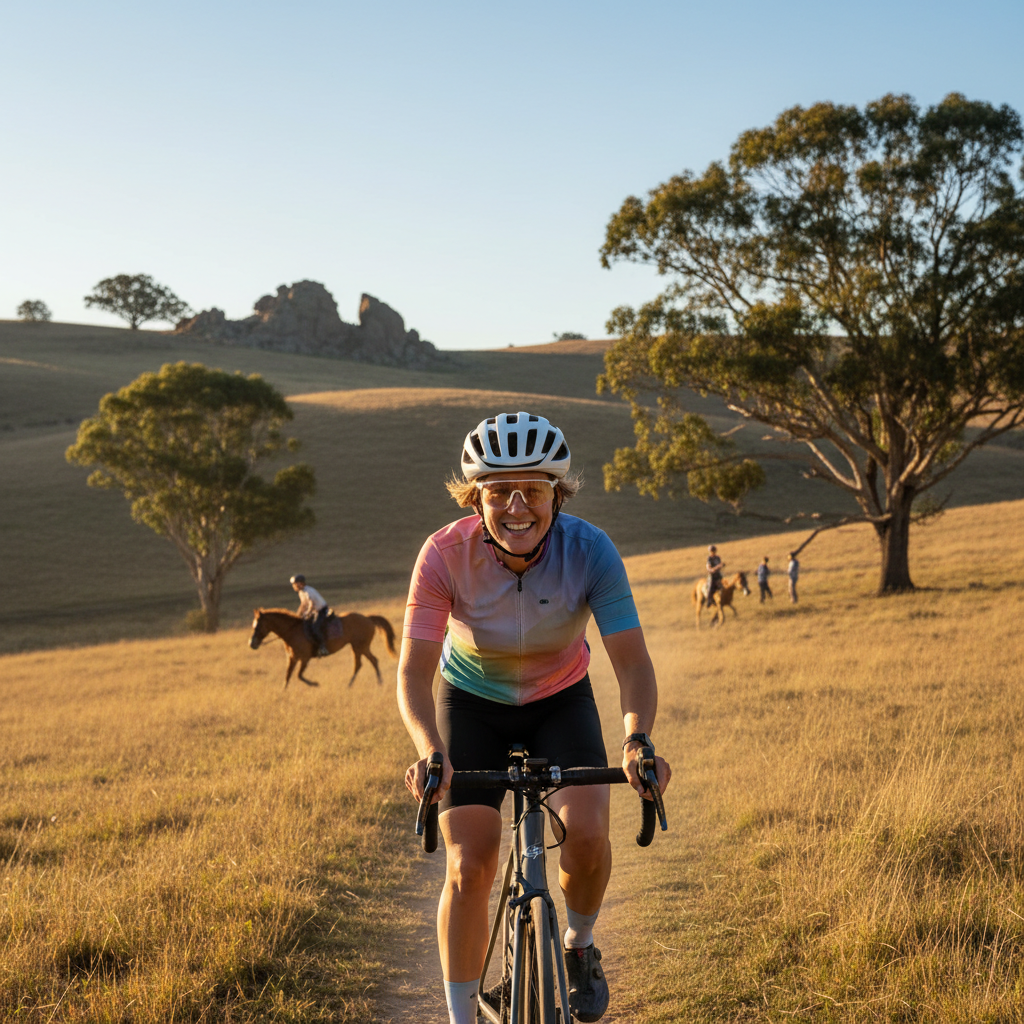
The Australian summer is a double-edged sword. We love the long days and sunshine, perfect for spending more time with our horses. But let's be honest, it also brings brutal heat and a UV index that demands respect. For us helmet wearers, especially equestrians, managing heat stress isn't just about comfort – it's about safety and performance for both horse and rider. This isn't about fluffy advice; it's about practical, no-excuses strategies to keep you cool and safe.
Why Heat Stress is Serious Business for Riders
When the mercury climbs, so does the risk of heat stress. This isn't just feeling a bit sweaty. Heat stress can range from mild discomfort to severe conditions like heat exhaustion and heatstroke, which are medical emergencies. As equestrians, we're wearing more gear, often including helmets, which can trap heat. We're also exerting ourselves physically, both in the saddle and with our horses on the ground. Combine that with the intense Australian sun and potentially high humidity, and you've got a recipe for trouble if you're not prepared.
Think about it: your body's primary way of cooling is sweating. But when it's incredibly hot and humid, your sweat doesn't evaporate as effectively. This means your body works harder to try and cool down, leading to a rapid rise in core temperature. Helmets, while essential for safety, can exacerbate this by reducing airflow around your head.
And let's not forget our equine partners. They're also susceptible to heat stress. A rider who is overheating and struggling is less likely to notice early signs of distress in their horse. So, staying cool and collected benefits everyone.
Common Objections and How to Handle Them
I hear it all the time: "It's just a bit hot," or "I'm tough, I can handle it." While resilience is good, ignorance is dangerous. Let's tackle some common objections:
Objection 1: "I don't feel that hot."
Reality Check: Your perception of temperature doesn't always reflect your body's actual core temperature. You can be building up internal heat and heading towards heat stress even if you don't feel like you're boiling. Early symptoms can be subtle: a headache, feeling grumpy, increased thirst, or a bit of dizziness.
Objection 2: "I need to wear [specific gear] and it's too hot."
Reality Check: Safety gear is non-negotiable, especially helmets. We'll discuss how to optimise your existing gear for heat. That means choosing breathable fabrics where possible, ensuring proper fit, and exploring add-ons like helmet brims or cooling vests.
Objection 3: "I'll just drink more water."
Reality Check: Water is crucial, but it's only one part of the puzzle. You also need to replace lost electrolytes. And simply chugging water just before or during a ride isn't as effective as consistent hydration throughout the day.
Objection 4: "I can't ride at cooler times because of work/other commitments."
Reality Check: This is a valid constraint for many. This means we need to be even more strategic when we do ride, focusing on intensity, duration, and maximising cooling during those hotter periods. Even shorter, more focused sessions require heat management.
Your Essential Summer Riding Checklist
Before you even think about hopping on your horse, run through this checklist. It’s designed to be practical and actionable.
[ ] Hydration Plan: Water bottle(s) at every riding location. Electrolyte drinks or supplements available. Schedule regular sips.
[ ] Shade Strategy: Identify shaded spots for breaks before you need them (for you and your horse).
[ ] Gear Check: Lightweight, breathable riding clothes where appropriate. Helmet with good ventilation. A quality helmet brim is vital for sun protection and can help with perceived heat. Check out our Products for options.
[ ] Timing: Advise against riding during peak sun hours (typically 10 am - 3 pm) if possible. If not, shorten rides and focus on low-intensity work.
[ ] Know the Signs: Familiarise yourself with symptoms of heat stress in yourself and your horse.
[ ] Emergency Plan: Have phone charged, know your location, and have contact details ready.
[ ] Cooling Aids: Small towel, spray bottle with water, access to cool water for your horse.
Hydration and Nutrition: More Than Just Water
Dehydration is the fastest route to heat problems. But it's not just about water.
1. Water, Water Everywhere (and Drink It!):
Consistent Sipping: Don't wait until you're thirsty. Sip water regularly throughout the day, especially in the hours leading up to your ride.
During the Ride: Take your water with you. Plan short breaks to dismount and drink.
Post-Ride: Continue to rehydrate. Sports drinks can be beneficial.
2. Electrolyte Replenishment:
When you sweat, you lose not just water but also vital electrolytes like sodium, potassium, and magnesium. Replacing these is crucial for muscle function and fluid balance.
Electrolyte Drinks: Many commercially available sports drinks offer good electrolyte profiles.
Powders/Tablets: These can be added to your water bottle for convenience.
Salty Snacks: If you're not into drinks, a salty snack like pretzels or salted nuts can help replenish sodium. Just be mindful of your overall intake.
3. Timing is Everything:
Pre-Hydrate: Start hydrating well before your ride. This means the day before and the morning of.
Hydrate During: Take regular sips every 15-20 minutes.
Rehydrate After: Crucial for recovery. Continue drinking water and electrolytes for several hours post-ride.
Smart Riding Practices in the Heat
Knowing when and how to ride is as important as what you wear.
1. Timing Your Rides:
This is the most impactful strategy. If your schedule allows, aim for early mornings or late afternoons/evenings. The Australian sun is at its harshest between 10 am and 3 pm. If you absolutely must ride during these hours:
Drastically Reduce Duration: A 30-minute light hack is very different from an hour-long intense training session.
Focus on Low Intensity: Think walking, gentle trot. Avoid cantering, jumping, or demanding movements that increase your horse's and your own exertion.
2. Pacing Yourself and Your Horse:
Listen to Your Body: If you feel dizzy, nauseous, or have a headache, stop. It's not worth the risk.
Watch Your Horse: They can't tell you they're too hot. Look for signs like excessive panting, dark gums, lack of sweat (or lathering and stopping sweating), or flagging ears. Early intervention is key. Remember, our horses are athletes too, and heat affects them just as much, if not more, than us.
3. Utilize Shade:
If you're riding on trails or in paddocks with trees, make use of any available shade. Use it for short breaks. For arena riding, consider training during cooler parts of the day or investing in shade solutions if possible.
Gear Strategies to Stay Cooler
Your gear doesn't have to be your enemy in the heat. We can make smart choices.
1. The Essential Helmet:
Helmets are non-negotiable for safety. Modern riding helmets are designed with ventilation in mind. Ensure yours fits correctly – a loose helmet won't offer optimal protection and can be less comfortable. We have comprehensive guides on How to Install your helmet accessories to maximise comfort and safety.
2. The Game Changer: Helmet Brims:
A quality helmet brim, like those offered in our Products range, does more than just stop the sun in your eyes. It provides crucial shade for your face and neck, reducing direct sun exposure and helping you feel cooler. They are lightweight, easy to attach, and a vital addition to your summer riding kit. Don't underestimate the power of shade:
| Feature | Benefit in Heat |
|---|---|
| Face/Neck Shade | Reduces direct solar radiation, perceived coolness. |
| Reduced Glare | Less eye strain, better vision for safety. |
| Easy Attachment | Quick to add or remove from your helmet. |
| Lightweight | Doesn't add significant weight or bulk. |
3. Breathable Fabrics:
Look for lightweight, moisture-wicking fabrics for your shirts and breeches. Natural fibres like cotton can be breathable but can also hold moisture, making you feel clammy. Synthetic blends designed for sport are often a better choice for wicking sweat away from your skin.
4. Cooling Aids and Accessories:
Cooling Towels: Soak them in cold water and wear them around your neck. They work for a surprising amount of time.
Spray Bottles: A spray bottle filled with cool water can be a lifesaver for a quick spritz on your face, neck, or horse's legs.
Cooling Vests: Available for riders and horses, these can be very effective, though they require planning (freezing them beforehand).
What to Do If You Suspect Heat Stress
It's crucial to recognise the signs in yourself and your horse.
In Yourself:
Heavy sweating (initially), then reduced sweating.
Cool, pale, clammy skin (heat exhaustion) or hot, red, dry skin (heatstroke).
Headache.
Dizziness or light-headedness.
Nausea or vomiting.
Muscle cramps.
Rapid, weak pulse.
Fainting.
Immediate Action (You):
1. Stop Activity Immediately: Get off your horse in a safe location.
2. Find Shade/Cool Environment: Move to the coolest place available.
3. Hydrate: Sip cool water or electrolyte drinks.
4. Cool Down: Apply cool, wet cloths or spray with water. Loosen clothing.
5. Seek Medical Attention: If symptoms are severe (confusion, loss of consciousness, severe vomiting, or rapid pulse) or don't improve quickly, call for emergency medical help.
In Your Horse:
Excessive panting.
Drooping head and neck.
Reluctance to move.
Dark gums or mucous membranes.
Lack of sweat, or lathering and then stopping sweating (especially in hot/humid conditions).
Muscle tremors.
Colic-like signs.
- Lethargy or unresponsiveness.
Immediate Action (Horse):
1. Stop Riding: Remove saddle and rider immediately in a safe, shaded area.
2. Cool Water: Apply cool (not ice-cold) water to the horse's body, focusing on legs, neck, and belly. Do not cover them with blankets while hot.
3. Scrape Off Excess Water: This helps promote evaporation.
4. Offer Water: Offer small amounts of cool water to drink, but don't force it.
5. Monitor Vitals: Watch respiration rate, pulse, and gum colour.
6. Call Your Vet: If you notice significant signs of heat stress or the horse is not recovering quickly, contact your veterinarian immediately.
Final Thoughts: Ride Smart, Stay Safe
Australian summers are a gift, but they demand respect. By implementing these practical strategies – prioritising hydration, dressing smartly, timing your rides, and always wearing your safety gear, including essential sun protection like a helmet brim – you can significantly reduce the risk of heat stress for both you and your horse. Don't let the heat sideline you. Ride smart, ride safe, and enjoy the season.
For more information on safety and accessories, check out our FAQ or browse our Products page. For more riding tips, visit our Blog.