
Beat the Heat: Your No-Nonsense Guide to Preventing Helmet Heat Stress in Australia
Don't let the Australian sun and your helmet turn you into a sweaty mess. This practical guide offers simple, no-fluff strategies to keep you cool and comfortable, no matter how high the UV index.
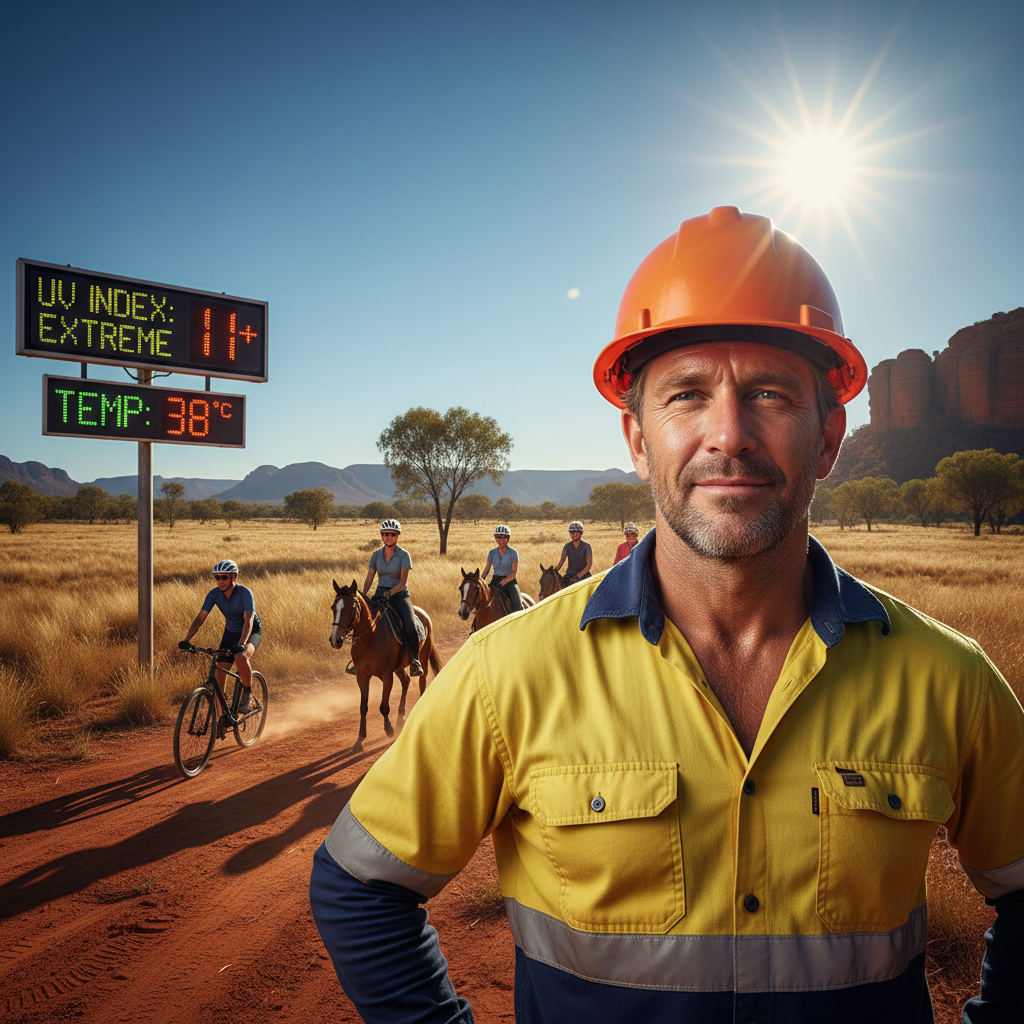
Beat the Heat: Your No-Nonsense Guide to Preventing Helmet Heat Stress in Australia
The Australian sun isn't messing around. Long days, intense UV, and often stifling heat mean that staying safe and comfortable, especially when wearing a helmet, is paramount. Whether you're on a construction site, a farm, cycling, or just out and about, a helmet is essential. But it can also feel like a personal sauna. This guide cuts through the fluff and gives you actionable advice to reduce heat stress and stay cool under that protective shell.
Why Helmet Heat is More Than Just Annoying
Let's be clear: heat stress isn't just about feeling sticky and uncomfortable. It's a genuine health risk. Symptoms can range from mild (headache, dizziness) to severe (heat stroke, which is a medical emergency). Wearing a helmet, especially a dark-coloured one in direct sun, acts like a greenhouse, trapping heat and reducing your body's ability to regulate its temperature. In Australia, with our notoriously high UV levels, this risk is amplified. Don't ignore the signs; smart practices can prevent serious consequences.
Understanding the Culprits: What Makes a Helmet Hot?
Several factors contribute to your helmet becoming a heat trap:
Material and Colour: Darker colours absorb more solar radiation. The type of plastic your helmet is made from also plays a role in insulation.
Ventilation: Helmets vary greatly in their ventilation design. Some have minimal airflow, while others are engineered with strategic vents.
Fit and Tightness: A helmet that's too tight can restrict airflow and increase pressure, exacerbating the feeling of heat.
Duration and Intensity of Exposure: The longer you're in direct sun, the more heat your helmet will absorb and retain.
Activity Level: The more physical exertion, the more heat your body generates, which then needs to dissipate.
Personal Factors: Your hydration levels, fitness, and acclimatisation to heat all influence how well you cope.
Practical Strategies: Your Helmet's Defence Against the Sun
Here's the real talk on how to keep your cool. No miracle cures, just solid, practical steps:
1. Hydration is Your First Line of Defence
This is non-negotiable, especially in Australia. Dehydration severely impacts your body's ability to cool itself. Make it a priority.
Drink Before You're Thirsty: Thirst is a late indicator of dehydration.
Sip Constantly: Carry a water bottle and take regular sips throughout the day.
Electrolytes Matter: For long, hot days or heavy exertion, consider electrolyte replacement drinks. Sweat loses salts and minerals.
Avoid Dehydrating Drinks: Limit caffeine and alcohol, particularly during peak heat hours.
2. Strategic Sun Protection Beyond the Helmet
Your helmet protects your head from impact, but it can also bake it in the sun. Augment its protection.
Wear a Brim Extender: Products like the Products are designed to add a shade extension to your helmet, significantly reducing direct sun exposure on your face, neck, and ears without compromising safety. They attach easily and create a much-needed barrier. This is a game-changer for prolonged outdoor work.
Light-Coloured Undershirts/Headwear: If your helmet design allows, a light-coloured, moisture-wicking skullcap or bandana underneath can help absorb sweat and provide an extra layer of insulation from the helmet's interior.
3. Optimise Your Helmet's Performance
Not all helmets are created equal, but you can maximise what you have.
Check Your Ventilation: If you have a choice of helmets, opt for models with more ventilation. Look for designs that allow air to flow through the helmet, not just around it. See our Products for examples of helmets and accessories designed with airflow in mind.
Ensure a Proper Fit: A helmet that's too tight traps heat. It should rest level on your head, snug but not constricting. Refer to your helmet's manufacturer guidelines for correct fitting. If you're unsure about installation or fit of accessories, our How to Install guide can help.
Consider Light Colours: If you have the option when purchasing a new helmet, a lighter colour will reflect more solar radiation and absorb less heat.
4. Micro-Breaks and Cooling Techniques
Planned breaks are crucial for preventing your body's temperature from climbing too high.
Seek Shade: Even a few minutes in the shade can make a significant difference.
Cool Compresses: Use a damp cloth on your neck, wrists, or forehead during breaks.
Mist Yourself: A spray bottle filled with water can provide evaporative cooling.
Remove the Helmet (When Safe): In designated break areas away from hazards, removing your helmet allows your head to breathe and cool down.
5. Acclimatisation and Awareness
Your body can adapt to heat over time, but this takes effort.
Gradual Exposure: If you're new to working in hot Australian conditions, gradually increase your exposure time.
Listen to Your Body: Pay attention to the early signs of heat stress (headache, nausea, excessive sweating or lack of sweating). Don't push through them.
Be Aware of UV Index: Check the daily UV forecast. Higher UV means more intense solar radiation, even if the air temperature seems mild.
A Quick Checklist: Your Fight Against Helmet Heat
Print this out, stick it in your toolbox, and tick it off daily:
[ ] Hydrated: Consuming water regularly throughout the day.
[ ] Electrolytes: Supplementing with electrolytes if needed for long shifts or heavy exertion.
[ ] Shade Extension: Using a brim extender on your helmet for added sun protection.
[ ] Light Headwear (if applicable): Wearing a light, breathable skullcap under the helmet.
[ ] Proper Fit: Helmet is snug but not too tight, allowing some airflow.
[ ] Ventilation Checked: Ensuring helmet vents are clear and functional.
[ ] Breaks Taken: Utilising shade and cooling techniques during planned breaks.
[ ] Early Symptoms Noted: Recognising and responding to any signs of heat stress.
Table: Comparing Helmet Cooling Strategies
| Strategy | Effectiveness in Reducing Heat | Practicality & Ease of Use | Cost | Notes |
|---|---|---|---|---|
| Hydration | High | High | Low | Essential for body's natural cooling. |
| Brim Extender | High | High | Medium | Significantly reduces solar gain on head and face. |
| Good Ventilation | Medium to High | Varies by Helmet | Varies | Depends on helmet design. |
| Light-Coloured Gear | Medium | High | Low | Can be worn under helmet or as helmet colour choice. |
| Cool Compresses | Medium | Medium | Low | Good for short-term relief during breaks. |
| Regular Breaks | High | High | None | Crucial for overall heat management and preventing fatigue. |
Step-by-Step: Implementing a Shade Extension
Adding a layer of sun protection to your existing helmet is one of the most effective ways to combat heat. If you're considering a product like Products, here's a general idea of how it works:
1. Unpack the Product: Ensure you have all components, usually the brim extender and any necessary mounting clips or fasteners.
2. Read Instructions: Always refer to the specific instructions provided with your chosen product. While generally straightforward, there can be minor variations.
3. Position the Extender: Align the extender with the front (and potentially sides/back, depending on the design) of your helmet. Most are designed to sit just above the helmet's rim.
4. Secure the Clips/Fasteners: Attach the clips or fasteners to the helmet. This often involves clipping them onto the helmet's edge or suspension system. Ensure they are firmly engaged.
5. Test the Fit: Gently tug on the extender to ensure it's securely attached and won't dislodge during regular use. Check that it doesn't obstruct your vision.
6. Check for Comfort: Make sure the added brim doesn't create new pressure points or discomfort when wearing the helmet.
This simple addition dramatically increases the shade cast over your face and neck, reducing direct heat absorption by your head.
Objections Handled: Why You Can't Afford to Ignore This
"It's too hot anyway, a bit more won't make a difference.": It absolutely does. Every degree of heat you can dissipate makes your body's job easier. Small improvements add up, especially over a long, hot Australian day. Plus, a shade extender can protect your face from sunburn, a dual benefit.
"I don't have time for breaks or messing with accessories.": Heat stress will slow you down, and can lead to accidents or requiring medical attention. Taking a few minutes for hydration and using simple aids like a brim extender is a proactive measure that saves time and prevents serious issues in the long run. Check our FAQ for more on practical safety.
"My helmet is already ventilated.": Good ventilation helps, but it's often not enough when the ambient temperature is high and UV is strong. Adding shade dramatically reduces the heat load before it even gets a chance to be a problem for your ventilation system to manage.
"It looks dorky.": Safety and health are never dorky. The real issue is incapacitating yourself through heat stress. A practical solution that keeps you working safely and comfortably is a win.
Conclusion: Stay Cool, Stay Safe Down Under
Working or playing under the Australian sun requires a serious approach to heat management. While your helmet is a critical piece of safety gear, it can also contribute to heat build-up. By prioritising hydration, utilising smart accessories like brim extenders, ensuring proper helmet fit and ventilation, and taking regular, cooling breaks, you can significantly reduce your risk of heat stress. Don't let the heat compromise your safety or your performance. Invest in simple strategies, and stay protected.
For more on safety equipment and accessories, explore our Products page. And if you have further questions, our FAQ is a great resource. Keep up-to-date with the latest safety tips on our Blog.