
Beat the Heat: Your No-Nonsense Guide to Preventing Heat Stress on Australian Construction Sites
Construction work in Australia means battling serious heat. This guide cuts through the fluff to give you practical strategies for staying cool and safe under your hard hat.
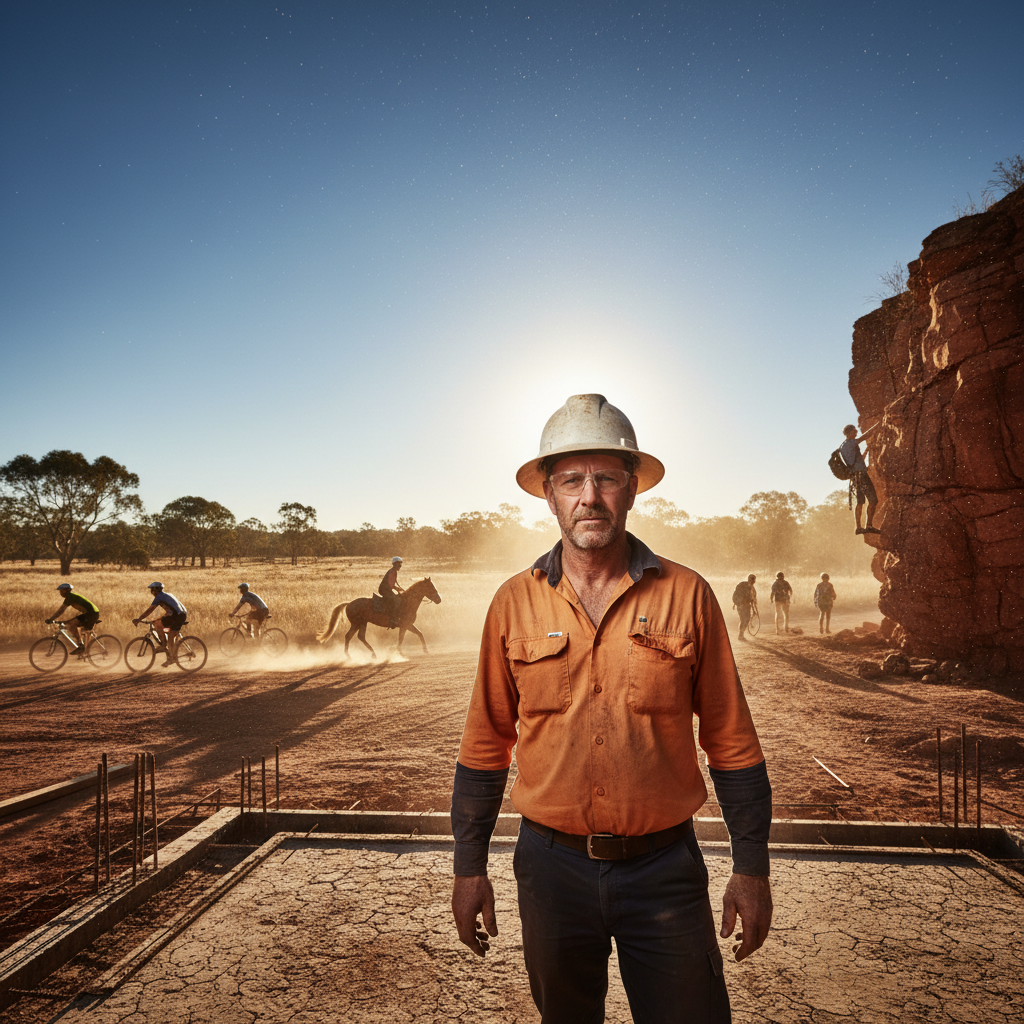
Beat the Heat: Your No-Nonsense Guide to Preventing Heat Stress on Australian Construction Sites
Australia. We love our sunshine, but let's be honest – on a construction site, it can be a real enemy. Long days, intense UV, and physical labour under a blazing sun aren't just uncomfortable; they're a fast track to heat stress, which can sideline workers and lead to serious, even fatal, health emergencies. If you think managing heat is someone else's problem, or that toughing it out is the only option, you're wrong. This isn't about being soft; it's about being smart and staying on the tools.
This guide is for you, the tradie, the site manager, the safety officer – anyone who knows that turning up to work healthy is just as important as getting the job done. We're cutting straight to the practical stuff. No BS. Just how to keep yourself and your crew safe when the mercury climbs.
Why Heat Stress is a Serious Threat
First, understand what we're dealing with. Heat stress isn't just feeling a bit sweaty. It's your body struggling to cope with extreme temperatures. When your core body temperature rises significantly, it can lead to a spectrum of conditions:
Heat Rash: Annoying, but a sign your skin isn't cooling effectively.
Heat Cramps: Involuntary muscle spasms, often in the legs and abdomen, due to fluid and electrolyte loss.
Heat Exhaustion: More serious. Symptoms include heavy sweating, pale and clammy skin, nausea, dizziness, headache, and a rapid pulse. This requires immediate rest in a cool place, hydration, and monitoring.
Heatstroke: The deadliest. This is when your body's temperature regulation system fails. Core body temperature can reach 40°C or higher. Symptoms include a high fever, hot, dry or moist skin, confusion, loss of consciousness, and seizures. Heatstroke is a medical emergency requiring immediate ambulance attendance.
On Australian construction sites, you're exposed to a double whammy: high ambient temperatures and intense solar radiation. The UV index can be critical, especially during summer months. Add physical exertion, heavy PPE, and limited airflow under a hard hat, and you've got a recipe for disaster if you're not proactive.
The 'Tough It Out' Myth: Cracking the Code
We've all heard it. 'Suck it up,' 'It's just heat,' 'We've always done it this way.' This mindset is dangerous. It ignores the physiological limits of the human body and the specific risks of construction work. In Australia, with our extreme summer conditions and high UV, it's a recipe for a personal injury or a wider site shutdown. We're not advocating for stopping work at the first hint of sun; we're advocating for sensible risk management that protects your workforce and your business.
Here's how to dismantle that 'tough it out' mentality:
Educate, Don't Exhort: Explain the actual risks of heat stress and heatstroke. Use facts, not fear. Share training materials and site-specific plans.
Lead by Example: If you're in a supervisory role, demonstrate good hydration and rest practices. Don't be the last one to take a break.
Promote a Culture of Safety: Make it clear that reporting discomfort or early signs of heat stress is not weakness, but responsible behaviour.
Provide the Right Gear: Ensure workers have access to appropriate PPE that doesn't excessively trap heat. (More on this later).
Practical Strategies: Your Daily Defence Plan
Preventing heat stress on site is a multi-pronged approach. It's not just about drinking more water, though that's crucial. It's about implementing a system before the heat even becomes a major problem.
1. Hydration: The Foundation
This is non-negotiable. Dehydration rapidly impairs your body's ability to cool itself.
Why Water Isn't Always Enough: While water is vital, heavy sweating also depletes electrolytes (like sodium and potassium). For prolonged, strenuous work, electrolyte-replenishing drinks are essential. Avoid sugary drinks, caffeine, and alcohol – they can dehydrate you further.
How Much? There's no magic number, as it depends on the individual, activity level, and temperature. A good rule of thumb is to drink regularly throughout the day, aiming to keep urine pale yellow.
Accessibility: Ensure clean, cool drinking water is readily available and clearly signposted across the site. Make it easy for workers to refill bottles – don't hide it away.
Monitor: Encourage workers to be aware of their urine colour. Dark yellow is a red flag.
2. Shade and Rest: Strategic Downtime
Regular breaks in cool environments are critical for allowing your body to recover.
Designated Cool Zones: Set up shaded rest areas with seating, fans, and access to water. These should be separate from the working environment.
Scheduled Breaks: Don't leave breaks to chance. Schedule them, especially during the hottest parts of the day (typically between 10 am and 3 pm).
Rotate Tasks: If possible, rotate workers between strenuous outdoor tasks and less demanding indoor or shaded roles.
3. Clothing and PPE: Smart Choices
Your work gear can either help or hinder your body's ability to regulate its temperature.
Lightweight, Breathable Fabrics: Encourage lightweight, light-coloured clothing made of breathable materials that allow air to circulate and sweat to evaporate.
Head Protection is Key: Standard hard hats are essential for safety, but they can trap a lot of heat. This is where innovation comes in. Products designed to enhance airflow or provide shade beyond the standard brim can make a significant difference. Look for accessories that don't compromise your safety rating but offer improved comfort and protection from the sun's direct glare.
Cooling Vests/Towels: While not always practical for every trade, consider these for high-risk individuals or tasks. They can provide temporary but effective cooling.
4. Acclimatisation: Gradual Adaptation
New workers, or those returning after a break, are at higher risk. The body needs time to adjust to working in the heat.
Staged Entry: For new employees or those returning from leave, gradually increase the duration and intensity of their work in hot conditions over 1-2 weeks.
Monitor Closely: Pay extra attention to acclimatising workers during the initial period.
5. Work Schedule and Timing: Working Smarter
Long days are common in construction, but working during peak heat can be incredibly dangerous.
Shift Adjustments: Where feasible, adjust shift start and end times to avoid the hottest part of the day. Start earlier, finish earlier.
Task Re-prioritisation: Schedule the most physically demanding tasks for the cooler parts of the day (early morning or late afternoon).
The Hard Hat Conundrum: Safety vs. Comfort
Let's tackle the hard hat head-on. It’s an absolute must for site safety, mandated by regulations. But wearing one in the Australian sun for eight hours straight? It’s a sweatbox. The ventilation in standard hard hats is often minimal, and the direct sun beating down on the shell can increase the temperature inside.
This is where you need to think beyond the basic issue. How can you make wearing this essential piece of safety equipment more bearable and less likely to contribute to heat stress?
Improved Airflow: Look for hard hats with better ventilation systems. While regulations dictate safety standards, some designs prioritize airflow without compromising protection.
Extended Shade: This is crucial. A standard hard hat brim offers limited shade. What if you could extend that protection? Accessories that attach to your hard hat to provide more shade for your face, neck, and ears can be a game-changer. They reduce direct solar radiation on your head and skin, lessening the heat load.
Cooling Inserts: While not a replacement for overall heat management, some products offer cooling inserts that can be placed inside a hard hat. Consider their practicality and how they might affect fit and safety.
We believe that safety and comfort aren't mutually exclusive. Enhancing the user's experience of wearing essential safety gear can lead to better compliance and reduced risk. That's why solutions that offer extended shade and improved headwear comfort are worth exploring.
Hard Hat Solutions: What to Look For
When considering headwear solutions for heat management on Australian sites, think about:
UV Protection: Does it offer significant UV protection for the face and neck?
Coverage: Does it extend the shade beyond the standard brim?
Airflow: Does it interfere with or improve helmet ventilation?
Durability: Can it withstand site conditions?
Safety Compliance: This is paramount. Always ensure any accessory does not compromise the ANSI/AS/NZS certification of your primary hard hat. If in doubt, check with your safety officer or the manufacturer.
For practical advice on enhancing your hard hat's functionality, visit our Products page. We've focused on solutions that address these very issues, providing real-world benefits for workers in demanding environments.
Heat Stress Management Checklist
Here’s your go-to checklist to ensure you're covering all the bases:
[ ] Hydration Plan: Adequate cool water and electrolyte drinks are readily available.
[ ] Shade and Rest: Designated cool rest areas are established and accessible.
[ ] Break Schedule: Regular rest breaks are scheduled, especially during peak heat.
[ ] PPE Review: Clothing is lightweight and breathable; headwear offers adequate shade and airflow.
[ ] Acclimatisation Program: New or returning workers are gradually integrated.
[ ] Work Timing: Schedules are adjusted to avoid the hottest period where possible.
[ ] Worker Education: All personnel are aware of heat stress signs and prevention methods.
[ ] Emergency Procedures: Clear protocols are in place for suspected heatstroke.
[ ] Buddy System: Encourage workers to look out for each other. If someone seems unwell, encourage them to report it or a colleague to report it for them.
Steps to Take When Heat Stress is a Concern
If you're a site manager or safety officer, here’s a practical, step-by-step approach:
1. Assess the Risk: Before the job starts, or at the beginning of a hot spell, conduct a risk assessment. Consider the ambient temperature, humidity, solar radiation (check the UV index), work intensity, duration, and PPE requirements.
2. Develop a Heat Management Plan: Based on the risk assessment, create a clear, documented plan. This plan should cover hydration, rest, shade, acclimatisation, work scheduling, and emergency procedures.
3. Communicate the Plan: Ensure every worker on site understands the plan – what their responsibilities are, what resources are available, and what to do if they or a colleague show signs of heat stress.
4. Implement Controls: Put the plan into action. Ensure water stations are filled, rest areas are set up, and break schedules are adhered to. Conduct regular check-ins with your team.
5. Monitor and Adjust: Continuously monitor weather conditions and worker well-being. Be prepared to adjust the plan if conditions worsen or if you observe signs of heat stress.
6. Provide Appropriate Equipment: Ensure workers have access to necessary tools and PPE that help manage heat, such as extended brims for hard hats. Explore options via our Products page.
7. Review Post-Incident (or Near Miss): If a heat-related incident occurs, conduct a thorough review to identify what went wrong and how to prevent recurrence. Update your plan accordingly.
Objections Handled: 'It Costs Too Much,' 'It's Too Much Hassle'
Let's cut to the chase. Investing in heat stress prevention, and in better PPE like enhanced helmet brims, isn't an expense; it's a critical investment.
Cost of Inaction: The cost of a single serious heat-related injury or fatality far outweighs the cost of preventative measures. This includes lost productivity, workers' compensation claims, potential legal fees, and damage to reputation.
Hassle vs. Danger: Is a few extra minutes for a hydration break or setting up more shade 'too much hassle' compared to serious illness or death? The answer should be obvious.
Innovation Doesn't Have to Be Complicated: Solutions like how to install our helmet brims are designed for simplicity. They don't require complex fitting or ongoing maintenance but offer immediate benefits.
- Long-Term Productivity: A well-rested, healthy workforce is a more productive one. Focusing on heat management reduces fatigue, improves morale, and ultimately leads to better output. Check our FAQ for more information on practicality.
Stay Ahead of the Heat
Working on an Australian construction site means accepting and managing the heat. It requires more than just water and breaks; it demands a proactive, informed approach to safety. By implementing these practical strategies and considering innovative solutions for essential PPE like hard hats, you can significantly reduce the risk of heat stress for yourself and your crew.
Don't wait for a problem. Make heat stress prevention a core part of your daily site operations. Explore our range of solutions designed to make tough jobs safer and more comfortable. Browse our Products or head back to the Blog for more insights.
Stay safe, stay cool, and get the job done.