
Beat the Heat: Your No-Nonsense Guide to Cycling in Extreme Australian Conditions
Don't let scorching Australian heat stop your ride. This practical guide focuses on preventing overheating and staying safe on your bike, especially when wearing a helmet. We cover essential gear, hydration, and strategies for tough conditions.
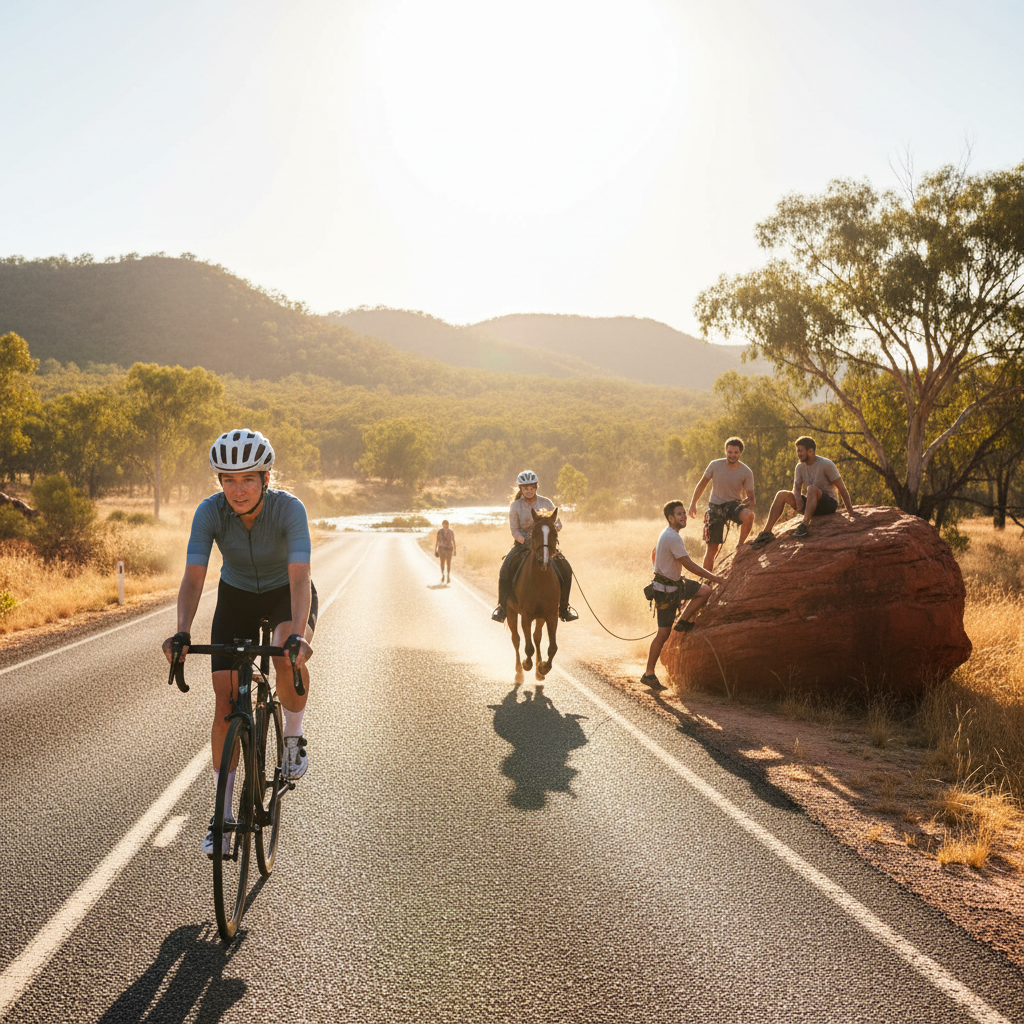
Beat the Heat: Your No-Nonsense Guide to Cycling in Extreme Australian Conditions
Australia. Beautiful, vast, and when the mercury climbs, downright brutal. We're talking about days where the UV index is high, the sun feels like a personal spotlight, and the bitumen radiates heat like a blast furnace. If you're a cyclist, especially one who relies on a helmet for safety, you know the challenge. Riding in extreme heat isn't just uncomfortable; it's a genuine risk of heatstroke and exhaustion. But packing away your bike until September? Not an option for most of us.
This isn't about fancy tech or magic cooling suits. This is about practical, no-fluff strategies to keep you on your bike and out of trouble when the heat is on. We’ll cut through the noise and give you actionable advice to manage your body temperature, stay hydrated, and actually enjoy your ride, even when it feels like you're pedalling through an oven.
Why Heat is Your Enemy (And Your Helmet Doesn't Help Much)
Let's be blunt: a helmet, while essential for safety, is a heat trap. It covers your head, reducing airflow and insulation. Your body's primary cooling mechanism is sweating, and when that sweat can't evaporate effectively due to a lack of airflow, your core temperature rises. This is exacerbated by direct sun on your head and neck. In Australia, with our intense UV rays and often long, exposed riding days, this becomes a critical issue.
Ignoring the signs of overheating is dangerous. Symptoms can range from excessive thirst and fatigue to dizziness, nausea, and in severe cases, confusion and loss of consciousness. Heatstroke is a medical emergency. Preventing it is always the priority.
The Essentials: Gear Up Smart for the Heat
Your kit matters. Forget the dark, tight-fitting synthetics that just bake you. Think light, breathable, and reflective.
1. The Right Jersey:
Light Colours: White, light grey, or pastel colours reflect sunlight rather than absorbing it. This can make a surprising difference.
Breathable Fabrics: Look for jerseys made from advanced moisture-wicking materials. Mesh panels in key areas (underarms, back) are a bonus.
Loose Fit: While aerodynamic is good for racing, a slightly looser jersey in extreme heat can allow for better airflow against your skin.
2. Shorts/Bibs:
Lightweight & Breathable: Similar to jerseys, opt for lighter colours and breathable chamois. Some brands offer specific summer-weight bibs.
3. Sun Protection Beyond the Jersey:
Arm Coolers/Leg Warmers: These sound counterintuitive, but light-coloured, UPF-rated arm and leg sleeves can actually help. They wick sweat, and as that sweat evaporates from the sleeves, it cools your limbs. Choose highly breathable, light colours.
Neck Gaiter/Buff: A lightweight, breathable neck gaiter, especially in a light colour, can protect your neck and shoulders from direct sun. Wetting it can provide evaporative cooling.
4. The Helmet Strategy: Your Best Friend and Worst Enemy
This is where the real challenge lies for helmet wearers. Your helmet is non-negotiable for safety, but it's a barrier to cooling. Until recently, options were limited. However, innovative solutions exist.
The Helmet Brim: This is a game-changer. Attaching a brim like Da Brim can significantly reduce direct sun exposure to your face, neck, and even partially to your helmet. Crucially, it also doesn't impede airflow through your helmet's vents like a hat would. It diverts sun, not air. Check out the options in our Products section.
Helmet Fit: Ensure your helmet fits well but isn't too tight when your head is warm. A loose helmet is dangerous, but one that pinches when you're hot will be unbearable.
Under-Helmet Caps: Very thin, moisture-wicking caps can help manage sweat from your scalp. However, ensure they don't block helmet vents too much.
Hydration is Non-Negotiable
This is the most critical factor. Dehydration kills performance and leads to heat illness. You need to drink more than you think you do, and you need to drink the right things.
Pre-Ride Hydration:
Don't start your ride thirsty. Drink plenty of water in the 24 hours leading up to your ride.
Aim to drink a glass or two of water an hour before you head out.
During the Ride Hydration:
Sip Constantly: Don't wait until you feel thirsty. Take small, frequent sips from your bottles.
Electrolytes: Plain water is fine for shorter, less intense rides. For rides over an hour in the heat, you must replenish electrolytes lost through sweat. This means sports drinks or electrolyte tablets mixed with water. Look for options with sodium, potassium, and magnesium. Our Products page has some good options.
Temperature: Cold drinks can help lower your core temperature slightly. Don't make them ice-cold, as this can cause stomach cramps, but chilled water is better than warm.
Post-Ride Hydration:
Continue drinking water and electrolyte drinks to rehydrate fully. Your body will need it.
Strategies for Riding in Extreme Heat
Beyond the gear and hydration, your riding strategy needs to adapt.
Pre-Ride Checklist for Hot Weather
[ ] Check the forecast: Know the temperature, UV index, and wind. Plan your ride accordingly.
[ ] Hydrate well: Start drinking water 24 hours prior.
[ ] Pre-hydrate: Drink 500ml of water/electrolyte drink about 1 hour before.
[ ] Pack enough fluids: Plan for at least 500ml per hour, more if it's really hot or you sweat a lot. Consider carrying two bottles.
[ ] Eat light: Avoid heavy meals before riding. Opt for easily digestible carbs.
[ ] Apply sunscreen: Even with protection, cover exposed skin thoroughly.
[ ] Plan your route: Seek shaded paths or roads, avoid peak sun hours, and include points for water refills if possible.
Timing is Everything
Early Morning: This is your best bet. Start before the sun gets directly overhead and the heat builds. You can often get a solid ride in before 8 or 9 am.
Late Evening: Another option, though you risk still being out as temperatures remain high. Ensure you have good lights if riding near dusk.
Midday Avoidance: Unless absolutely necessary, avoid riding between 10 am and 3 pm when the sun is at its most intense.
Pacing and Effort
Lower Your Expectations: You won't perform at your peak in extreme heat. Accept it and ride at a sustainable pace.
Break It Down: Take more frequent, shorter breaks in the shade.
Listen to Your Body: This cannot be stressed enough. If you feel unwell, stop. Find shade, rehydrate, and consider calling for a pickup.
Cooling Techniques on the Go
Water Spray: Use a water bottle to spray water on your face, neck, and arms. The evaporation will provide some cooling.
Wet Neck Gaiter: As mentioned, a damp, light-coloured neck gaiter acts as a portable air conditioner.
Ventilation: While helmets can't be opened, Da Brim products are designed to work with your helmet's vents, allowing airflow where it's needed. Unlike wearing a hat under your helmet, which blocks air, a brim directs sun away without sacrificing crucial ventilation. Learn more about How to Install this essential piece of kit.
For the Commuter
Frequent stops are built into commuting. Use them:
Hydrate at Stops: Take a few sips every time you stop at traffic lights.
Duck into Air Conditioning: If you have a longer stop at a shop or café, briefly step inside to cool down.
Consider a 'Cool Down' Period: If you arrive at your destination still feeling excessively hot, take 5-10 minutes in a cool spot before re-entering public spaces or your workplace.
What To Do If You're Overheating
Don't be a hero. Recognise the signs and act immediately:
1. Stop Immediately: Pull over to the safest possible shaded spot. This is not the time to push on.
2. Loosen Clothing: Remove your helmet, jersey, and anything constricting.
3. Hydrate: Drink water or electrolyte drinks slowly. If you feel nauseous, just take small sips.
4. Cool Down: Pour water over your head, neck, and wrists. Lie down in the shade if possible.
5. Seek Medical Help: If symptoms don't improve rapidly, or if you experience confusion, a severe headache, or loss of consciousness, call for emergency assistance. This is heatstroke, and it's serious.
Common Objections Handled
“I feel like a dork with a brim on my helmet.”
Reality Check: You'll feel a lot dorkier dealing with heatstroke or suffering through a miserable, potentially dangerous ride. Safety and sensible heat management trump vanity. Plus, Da Brim designs are functional and have come a long way aesthetically.
“It’s too much hassle to prep fluids.”
Reality Check: The hassle of dealing with severe dehydration or heat exhaustion is infinitely worse. Planning ahead is a small price to pay for a safe and enjoyable ride. Check out our FAQ for quick tips on fluid prep.
“I’ve ridden in this heat before and been fine.”
Reality Check: Conditions change, your body's tolerance can change, and you might have been closer to the edge than you realised. What was 'fine' last time could be dangerous today. Don't gamble with your health.
The Bottom Line
Cycling in extreme Australian heat is a reality we have to manage proactively. It requires a shift in mindset, a focus on essential gear like effective helmet brims, diligent hydration, and smart riding strategies. By following these practical tips, you can mitigate the risks and continue to enjoy your rides, even when the sun is blazing.
Remember, safety first. If the heat is too much, it's always okay to cut a ride short or reschedule. For more tips and product recommendations, head over to our Blog.
Stay cool, stay safe.