
Beat the Heat: Your No-Nonsense Guide to Climbing in Australian Sun
Don't let the Aussie sun cook you. Learn practical, no-BS heat management strategies for climbers wearing helmets, so you can focus on the rock, not the sweat.
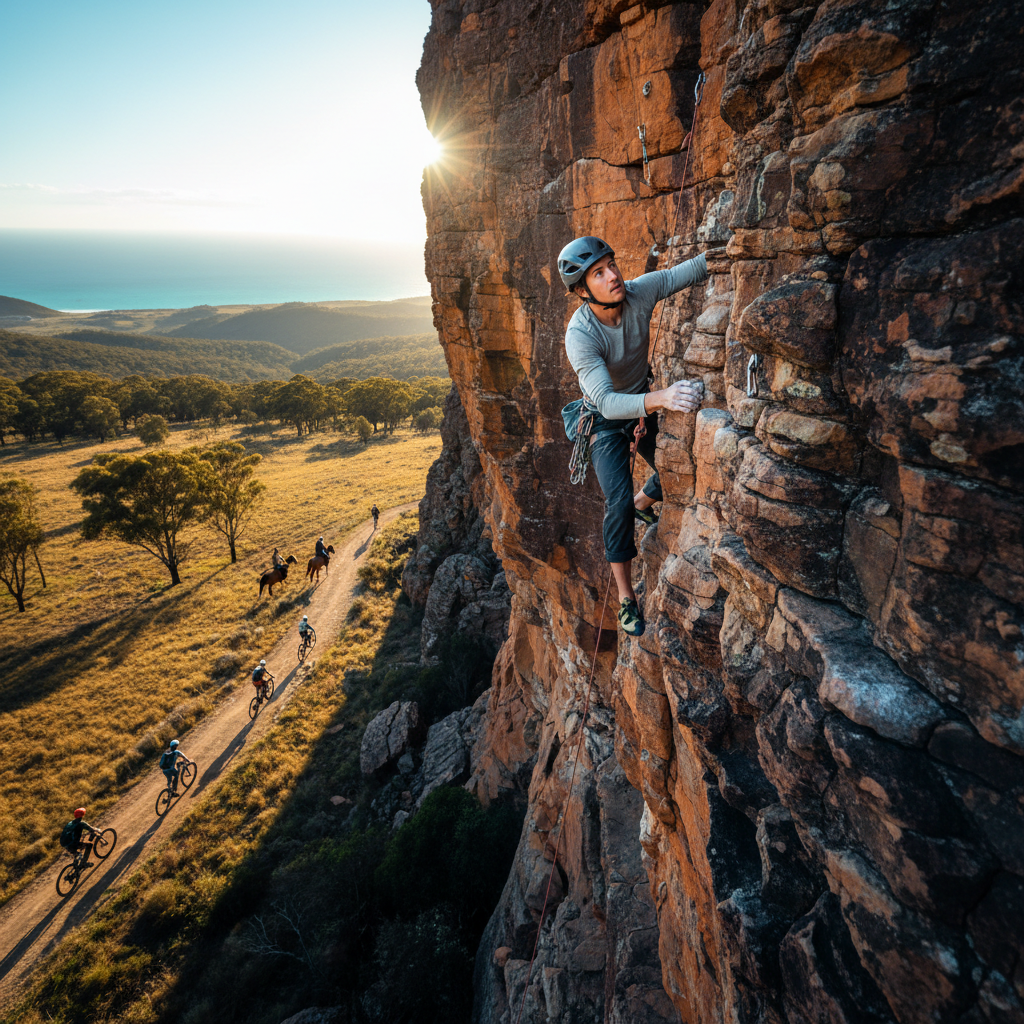
Beat the Heat: Your No-Nonsense Guide to Climbing in Australian Sun
The Australian sun is legendary. And while we love it for making our crags shine, it can also turn a perfectly planned climbing day into a sticky, miserable ordeal. For us climbers, helmet use is non-negotiable. But that helmet can also become a personal sauna. This guide cuts through the fluff on how to manage heat effectively, keeping you safe and focused when the mercury climbs.
Why Heat Management Matters for Climbers
It’s simple: heat is a performance killer and a safety hazard. When your body overheats, your focus wanes, your decision-making suffers, and your physical capabilities drop. Dehydration, heat exhaustion, and even heatstroke are genuine risks, especially on long climbing days in the Aussie Outback or even just our local crags. The constant UV exposure doesn't help either. Protecting yourself from the sun's harsh rays is a given, but managing your body temperature is just as critical.
Common Objections and Why They’re Wrong
“I’ll just wear a hat under my helmet.” While a thin cap might offer a tiny bit more comfort, it can also trap heat and moisture, potentially making things worse. It can also interfere with your helmet’s fit and safety. Better to have solutions that work with your helmet.
“It’s just a bit of sweat. I’ll deal with it.” Ignoring sweat is ignoring dehydration. Chronic dehydration impairs cognitive function and physical strength. That’s a recipe for a costly mistake on the rock. Plus, constant sweat can lead to skin irritations under your helmet.
“Australian heat isn’t that bad; I’m used to it.” Complacency kills. Our UV index can be extreme, and prolonged exposure, even if you’re acclimatised, will take its toll. Respect the sun, don't assume you're immune.
Pre-Climb Prep: Setting Yourself Up for Success
Your day starts long before you tie into the rope.
Hydration is King
This isn't just about chugging water on the way to the crag. You need to be hydrated for days. Start increasing your water intake 24-48 hours before a big climbing mission. Electrolyte drinks can be beneficial, especially for longer days or if you’re a heavy sweater.
Nutrition Matters
Avoid heavy, greasy meals that can be harder to digest and put more strain on your body. Focus on balanced meals with plenty of fruits and vegetables. Salty snacks can help replenish lost electrolytes.
Sunscreen and Skin Protection
This is a no-brainer. Apply a broad-spectrum, high SPF sunscreen liberally to all exposed skin – face, neck, ears, arms. Don’t forget the back of your hands. Reapply often, especially during long days. Lightweight, long-sleeved UPF-rated climbing shirts and pants are your best friends.
Strategic Timing
If possible, climb during the cooler parts of the day. Early mornings and late afternoons are your prime time. Avoid the peak sun hours between 10 am and 3 pm. If you’re planning a day-long expedition, factor in a siesta during the hottest part of the day.
On the Rock: Heat Management Tactics
Once you’re at the crag, the real work begins.
The Helmet Advantage: Solving the Sweat Trap
Modern climbing helmets are designed for ventilation, but the Australian sun can still overwhelm them. This is where accessories designed to work with your helmet come in. A well-designed helmet brim is crucial. It shields your face from direct sun, reducing solar load and allowing your helmet's vents to do their job more effectively. It also helps direct sweat away from your eyes.
Table: Heat vs. Helmet Accessories
| Problem | Solution |
|---|---|
| Sun glaring in eyes | Helmet Brim |
| Sweat dripping into eyes | Helmet Brim |
| Helmet vents overwhelmed | Optimized airflow with a good brim, internal padding management |
| Neck sunburn | Extended brims and UPF clothing |
Hydration on Demand
Keep your water bottles easily accessible. A hydration pack or a well-placed bottle in your pack is essential. Sip water regularly, don’t wait until you feel thirsty.
Cooling Down
Water Spray: A small spray bottle filled with water can be a lifesaver for misting your face and neck. It’s a simple, effective way to cool down.
Cool Towel: A damp bandana or compact towel around your neck can significantly help regulate body temperature. Make sure it’s easy to access.
Breaks in the Shade: Whenever possible, take your breaks in the deepest shade available. Let your body cool down between pitches.
Managing Sweat
While you can’t stop sweating, you can manage it. Moisture-wicking liners inside your helmet can help draw sweat away from your skin. A clean helmet interior is also key to preventing irritation. Regularly cleaning your helmet's padding can make a big difference. Check out our FAQ for cleaning tips.
Listen to Your Body
This is paramount. Recognize the signs of heat stress and don’t push through it. Dizziness, nausea, headache, and excessive fatigue are all red flags. It’s better to bail on a climb or a summit than to risk heat exhaustion.
Post-Climb Recovery
Your work isn't done when you leave the crag.
Rehydrate and Replenish
Continue drinking water and consider an electrolyte supplement. Eat a balanced meal to help your body recover.
Sunburn Check
Inspect your skin for any signs of sunburn. Treat any redness or tenderness with aloe vera or a good moisturizer. This is where diligent sunscreen use pays off.
Helmet Care
Let your helmet air out. Clean it if necessary, especially if it’s covered in sweat. Proper care extends its lifespan and keeps it hygienic. If you’re unsure about maintenance, our How to Install guide also touches on general care.
Essential Gear Checklist for Hot Weather Climbing
Here’s a quick rundown of what you should have in your pack:
□ Wide-brimmed helmet accessory (e.g., Da Brim or similar)
□ High SPF sunscreen (SPF 50+)
□ Lip balm with SPF
□ Wide-brimmed hat (for ground use/breaks)
□ Lightweight, UPF-rated clothing (long sleeves/pants)
□ Plenty of water (more than you think you’ll need)
□ Electrolyte tablets or drink mixes
□ Small spray bottle
□ Damp cloth or bandana
□ Salty snacks
- □ First-aid kit (including treatment for heat-related issues)
Conclusion: Climb Smarter, Not Harder
Climbing in Australia’s heat requires a proactive approach. Don’t let the sun dictate your comfort or your safety. By focusing on preparation, employing smart tactics on the rock, and prioritizing recovery, you can extend your climbing season and enjoy more days on the wall, comfortably and safely. Remember, a well-equipped climber is a smart climber. For more tips and gear to keep you cool and protected, check out our Products page and the rest of our Blog.
Stay cool, climb safe.