
Beat the Heat: Your No-BS Guide to Cycling in Extreme Australian Sun
Don't let soaring temperatures stop your ride. Learn practical, no-fluff strategies to stay cool and safe while cycling in Australia's harsh summer conditions.
Beat the Heat: Your No-BS Guide to Cycling in Extreme Australian Sun
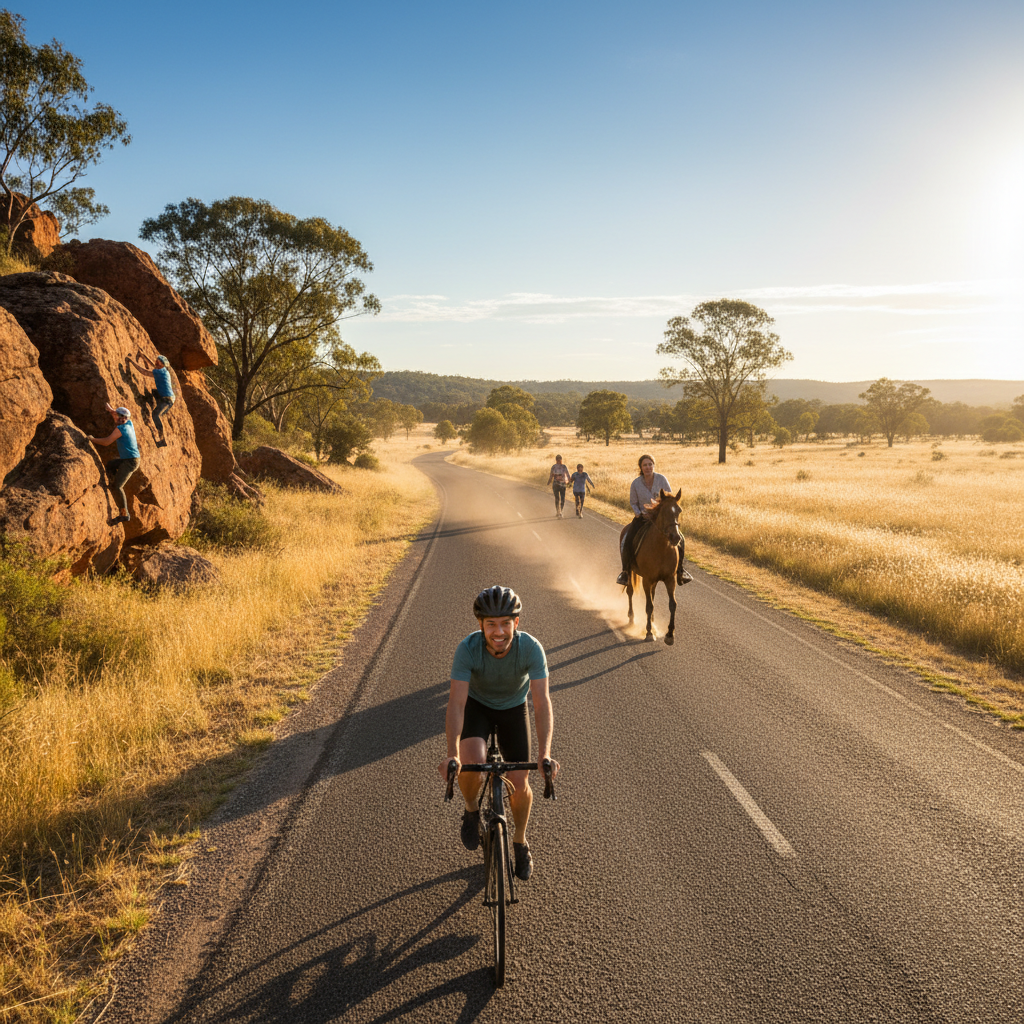
Australia. We love it. The long days, the sunshine, the freedom of the open road. But let's be honest, when the mercury climbs and the UV index is pushing beyond 'extreme', cycling can feel less like freedom and more like a slow bake. This isn't about fluffy advice; it's about telling it like it is and giving you practical, actionable strategies to keep riding safely and comfortably, even when the heat is on.
Forget pretending you can just 'power through' in 40-degree heat. It's a recipe for heat exhaustion, heatstroke, and a miserable experience. Your helmet, while crucial for safety, can sometimes feel like a personal sauna. But there are ways to mitigate this and make your rides more bearable. Let's get straight to it.
Why Heat is Your Enemy on the Bike
When you exert yourself, your body generates heat. To regulate your core temperature, you sweat. This sounds efficient, but in extreme heat, especially with the sun beating down, your body is fighting a losing battle. Here's what happens:
Dehydration: You lose fluids faster than you can replenish them. This impacts blood volume, making it harder for your heart to pump blood to your muscles and skin for cooling.
Increased Heart Rate: Your heart has to work harder to compensate for reduced blood volume and to pump blood to the skin for cooling.
Reduced Performance: As your body struggles to cool itself, it diverts energy away from your muscles, leading to fatigue and a significant drop in performance.
Heat Stress: This is where things get dangerous. It starts with symptoms like dizziness, nausea, and irritability and can escalate to heat exhaustion, and then heatstroke – a medical emergency.
Your helmet, while vital for protecting your noggin, can trap heat. This is why smart cycling in hot weather isn't just about riding faster or pushing harder; it's about smart preparation and management.
Pre-Ride Preparation: Your First Line of Defence
Don't wait until you're sweating buckets to think about heat management. It starts before you even clip in.
Hydration is Non-Negotiable
This is the most critical point. You need to be hydrated before you even start. Don't chug water right before you leave; that'll just make you need the toilet. Start hydrating steadily in the 24-48 hours leading up to your ride.
Electrolytes: Plain water is good, but in prolonged or intense heat, you'll lose electrolytes through sweat. Consider electrolyte tablets or drinks. Look for ones with sodium, potassium, and magnesium. This helps your body retain fluid.
Monitor Urine Colour: A pale straw colour is your sign of good hydration. Dark urine means you're falling behind.
Fuel Smart
Eat a light, easily digestible meal 2-3 hours before your ride. Avoid heavy, fatty foods that take a long time to digest and can generate extra body heat. Focus on carbohydrates for energy.
Timing is Everything
This is the most obvious, yet often ignored, advice: avoid the peak heat. In Australia, this often means riding early in the morning or late in the afternoon/early evening. Those glorious long summer evenings can offer perfect riding conditions if you time it right.
Sunrise/Sunset Rides: Embrace the cooler parts of the day. You'll still get plenty of sunshine but less intense UV radiation and heat.
Listen to the UV Index: Don't just look at the temperature. A high UV index means even with cloud cover, you're at risk of sunburn and heat damage.
Acclimatisation
If you're new to cycling in hot conditions or returning after a break, your body needs time to adjust. Gradually increase the duration and intensity of your rides in the heat over a week or two. Don't jump into a multi-hour epic on the first scorching day.
During the Ride: Staying Cool and Safe
Once you're out there, it's about active management. This is where practicality meets performance.
Hydration, Hydration, Hydration!
Sip frequently, don't gulp. Aim to drink small amounts of fluid every 15-20 minutes. If you're on a longer ride, carry more than you think you'll need. Consider a hydration pack if your bike setup allows.
Cold Fluids: Pre-chill your water bottles. Adding a couple of ice cubes can make a big difference, though they'll melt quickly.
Electrolyte Replenishment: Continue with electrolyte drinks or tabs as planned.
Sun Protection for Your Head
Your helmet is essential, but it can amplify the heat. Traditional helmets offer little shade. This is where a helmet brim becomes your best friend.
The Da Brim™: This is a simple, effective solution. A Da Brim™ attaches to your helmet, extending the brim significantly. It acts like a parasol, shading your face, neck, and protecting your eyes from glare. Reduced sun exposure on your head and face means less direct heat absorption.
Why it Works: It physically blocks direct sunlight, helping to keep your head cooler. Many cyclists find it significantly reduces the feeling of overheating compared to a helmet alone. It also cuts down on glare, improving visibility.
Consider a Sweatband: Wear a moisture-wicking sweatband under your helmet. It absorbs sweat, preventing it from dripping into your eyes and providing a slight buffer against the helmet's heat.
Strategic Cooling
Don't underestimate the power of water.
Pour Water Over Your Head/Neck: When you stop at a rest stop, or even while riding if you can manage it, pour a little water over your head, neck, and wrists. These are pulse points where you can effectively cool your blood.
Damp Musette or Bandana: Soak a small, lightweight bandana or a bit of cloth in water and keep it in a zip-lock bag. When you need it, take it out and place it around your neck or forehead. It won't stay cool forever, but it provides instant relief.
Pace Yourself
This isn't a race. In extreme heat, your perceived effort will be higher. Slow down. Accept that your average speed might drop. Focus on finishing the ride safely and feeling good, not on smashing your personal best.
Know the Signs of Heat Illness
This is non-negotiable. Understand the symptoms and act immediately if you or a fellow rider experiences them.
| Symptom | What to Do |
|---|---|
| Headache | Stop riding, rest in shade, hydrate. |
| Dizziness/Lightheadedness | Stop immediately, sit down, hydrate. If severe, seek medical attention. |
| Nausea/Vomiting | Stop immediately, rest in shade, hydrate with sips. Do not force yourself to eat or drink if nauseous. Seek medical attention. |
| Muscle Cramps (Heat Cramps) | Stop riding, gently stretch the affected muscle, rest in shade, hydrate with electrolytes. |
| Excessive Sweating/Cool Skin | Potential Heat Exhaustion. Stop immediately, move to a cooler area, loosen clothing, apply cool, wet cloths to skin. Sip water/electrolytes. Seek medical attention if symptoms worsen. |
| No Sweating, Hot/Dry Skin, Confusion, Loss of Consciousness | Medical Emergency: Heatstroke. Call emergency services (000) immediately. Move to shade, cool the person rapidly with any available means (water, ice packs, wet cloths). |
Listen to Your Body
Your body will tell you when it's had enough. Don't ignore fatigue, irritability, or excessive thirst. It's better to cut a ride short than to push through and suffer the consequences.
Post-Ride Recovery: Don't Forget This Step
Your work isn't done when you dismount.
Rehydrate and Replenish
Continue drinking fluids with electrolytes after your ride. Your body will still be working hard to recover.
Cool Down
Take a cool shower or bath. Avoid very cold water initially; transition gradually.
Nutrition
Eat a balanced meal soon after your ride to help your body repair itself.
Frequently Asked Questions
How much water should I carry?
For rides over an hour in heat, aim for at least 500ml per hour per person. Adjust based on intensity, temperature, and personal sweat rate. Always carry more than you think you need.
Can a Da Brim™ really make a difference?
Yes. By providing shade for your head and face, it reduces direct sun absorption and glare, which can significantly improve comfort and reduce the feeling of overheating. Check out our Products page.
*When should I stop riding?
If you experience any symptoms of heat illness, or if the conditions feel unsafe, stop. Your safety and health are paramount. It’s always better to miss one ride than to end up in hospital.
Overcoming Objections
"It looks silly."
Does a little extra shade and sun protection look sillier than heatstroke? We didn't think so either. Function over fashion when the sun is brutal. Plus, a cool, comfortable rider is a happier rider. See how it works on various helmets on our Products page.
"It will make my helmet heavy/unbalanced."
The Da Brim™ is designed to be lightweight and secure. You won't even notice it once you're riding. Installation is quick and straightforward. Check out our How to Install guide.
"I'll just ride faster and get it over with."
This is a dangerous mindset in extreme heat. Pushing hard drastically increases your body temperature and dehydration risk. Smart riding is about pacing and management, not just speed.
Final Thoughts
Cycling in Australia’s heat is challenging, but it doesn't have to mean misery or danger. By focusing on preparation, smart hydration, strategic cooling, and using simple tools like a helmet brim, you can enjoy your rides even when the sun is at its fiercest. Remember to prioritise your health and listen to your body. For more tips and product information, visit our FAQ or browse our Blog section for more cycling advice.
Stay safe, stay cool, and keep riding.