
Beat the Heat: Your Helmet's Guide to Staying Cool on Summer Climbs
Don't let the Australian summer sun roast you. Learn practical strategies to keep your cool and enjoy your climbs, all while wearing your helmet.
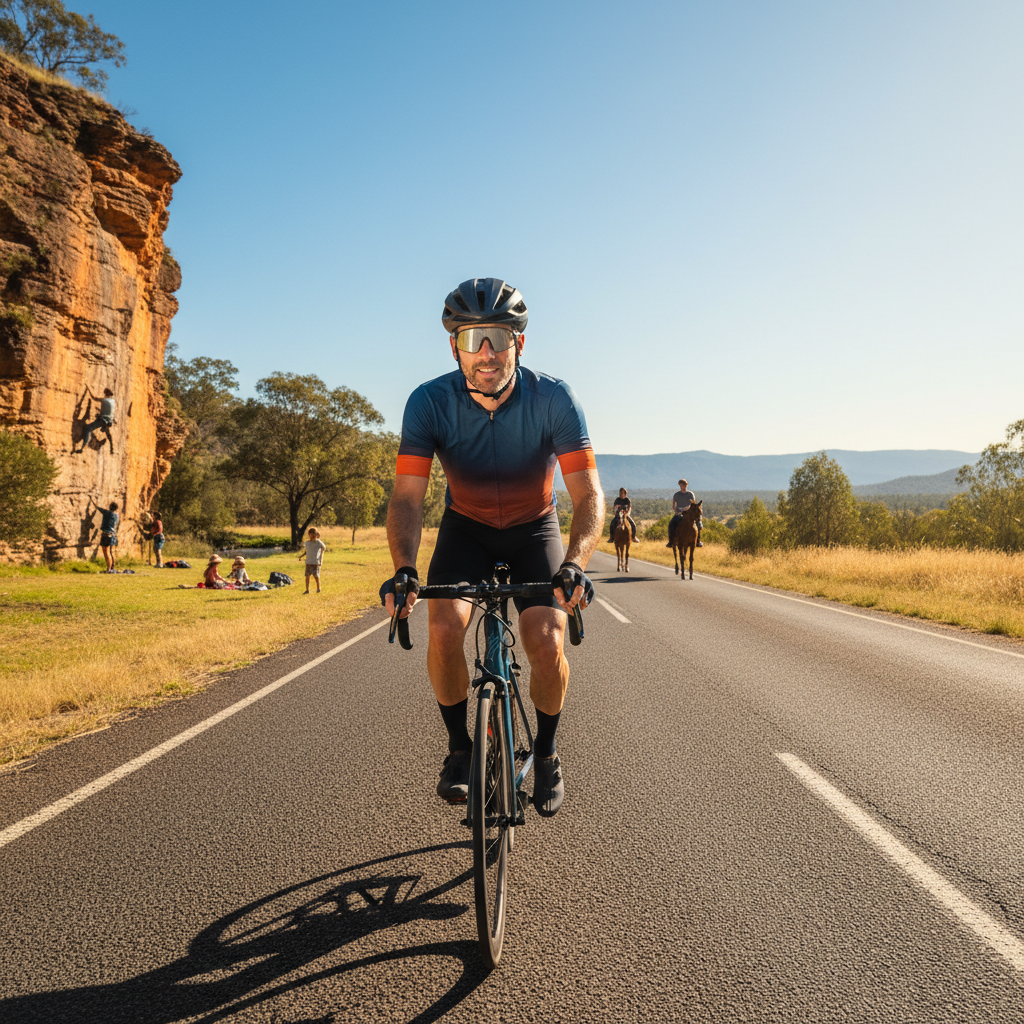
Australian summer. It's a scorcher. Long days, high UV index, and those relentless climbs. We all love getting out there on the bike, but no one enjoys feeling like a boiled egg inside their helmet. This isn't about looking cool; it's about being cool, safely and effectively, especially when you're pushing hard uphill.
Your helmet is a crucial piece of safety gear, and it’s non-negotiable, especially under the harsh Australian sun. But can it also be part of your cooling strategy? Absolutely. Let's cut the fluff and get down to brass tacks.
The Sweat Factor: It's Not Just Uncomfortable, It's a Risk
On a tough climb in 35-degree heat with a UV index of 10, your body is working overtime. Sweat is your body's natural air conditioner. But when that sweat can't evaporate because it's trapped under a helmet, you overheat faster. This isn't just about feeling miserable; dehydration and heat exhaustion are real risks. Lost focus, slower reaction times, and potential serious health issues are not part of a good ride.
So, how do we manage this without ditching the helmet (which, let's be clear, you won't be doing)?
Strategy 1: Pre-Ride Prep – Setting Yourself Up for Success
This is where you win or lose the battle before you even pedal.
1. Hydration is King: Start hydrating days before a big, hot ride, not just the morning of. Sip water consistently. Electrolyte drinks are your friend for longer efforts or on particularly hot days. Don't wait until you're thirsty; that's already a sign of dehydration.
2. Nutrition Matters: Eat a balanced meal a couple of hours before your ride. Avoid heavy, greasy foods that can take longer to digest and contribute to that internal 'cooked' feeling. Focus on easily digestible carbs for energy.
3. Clothing Choice: Light-coloured, breathable cycling jerseys and bibs are essential. They reflect sunlight rather than absorbing it. Moisture-wicking fabrics pull sweat away from your skin.
4. Ride Timing: If possible, avoid the absolute peak of the day’s heat (usually 11 am to 3 pm). An early morning or late afternoon ride can make a massive difference. That said, sometimes the climb calls for it, so let's get to helmet-specific tactics.
Strategy 2: Helmet Smarts – Maximising Your Lid's Potential
Your helmet isn't just a shell. Modern helmets are designed with ventilation in mind. But how can you optimise this, and what else can you do?
Ventilation: It’s More Than Just Holes
HIGHER VENTS = MORE AIRFLOW. Basic, right? But not all helmets are created equal. Look at the vents on your helmet. Are they strategically placed to catch the breeze as you move forward? Are they large enough?
The 'Sweat Gutter' Effect: Many helmets have internal channels designed to guide sweat away from your forehead and towards the sides or back. Use this to your advantage. Keep your focus on pedalling, not trying to wipe sweat out of your eyes every 30 seconds.
The 'Pre-Cool' Method
This is simple, but surprisingly effective for really tough climbs on brutal days. Just before you start your ascent, do this:
Soak a Bandana/Headband: Use cool (not ice-cold) water to soak a thin bandana or a sweatband. Wring it out so it’s damp, not dripping.
Wear It Under Your Helmet: Position the damp bandana/headband just under the front edge of your helmet, against your forehead. As you climb, the evaporating water will have a cooling effect on your skin and the air entering your helmet.
Re-soak When Possible: If you have a water bottle, or if you can stop briefly at a flowing tap on a longer climb, give it a refresh. This is significantly more effective than a dry bandana.
The 'Water Splash' Technique
This is a quick, on-the-go method.
Dampen Your Hair/Scalp: When you stop at a traffic light or take a brief breather, splash some cool water from your bottle onto your scalp, under your helmet. The evaporation will help.
Dampen the Helmet Padding: If your helmet has removable, washable padding, you can slightly dampen that padding with cool water. Again, not soaking wet, but damp. Evaporation is your friend.
The DA BRIM Advantage: Keeping the Sun Off Your Face
This is where external factors can help your internal temperature regulation. While DA BRIM isn't a cooling device itself, it plays a significant role in keeping you feeling cooler and more comfortable. How? By keeping direct sunlight off your face and neck, it reduces the radiant heat load your body has to deal with. Think of it like wearing a wide-brimmed hat – it shields you from the sun's intensity.
Reduced Sunburn: Obvious benefit. Less sun exposure on your face and neck means less risk of painful sunburn, which itself can contribute to feeling overheated.
Improved Vision: Less glare and less sweat dripping into your eyes means better visibility. This is crucial for safe descending and navigating.
Psychological Comfort: Simply not feeling the direct, intense sun beating down on your face can make a huge psychological difference. It allows you to focus more on your effort and less on the discomfort of the heat.
Installing a DA BRIM is straightforward. Check out our How to Install guide for clear instructions. It's designed to integrate seamlessly with most standard cycling helmets, adding a vital layer of sun protection.
Strategy 3: On-the-Bike Tactics for Climbs
When the gradient steepens and the heat intensifies, here's what you can actively do:
Pacing is Key: Don't blow up on the first kilometre of a 10km climb. Start at a sustainable effort. As your body adapts slightly during the climb, you can incrementally increase intensity. Going all-out from the start guarantees you’ll overheat faster.
Breathing Techniques: Focus on deep, rhythmic breaths. This helps with oxygen intake and can have a calming effect, which indirectly helps manage your perceived effort and heat.
Sip Strategically: Take small, regular sips of water. Don't chug a whole bottle. This helps with hydration and the cool liquid can have a minor internal cooling effect.
Use Your Vents: Even subtle adjustments can help. If you’re just cruising for a moment, tilt your head slightly back to maximise airflow through the front vents. On a fast descent after a climb, tuck your head down slightly to increase the volume of air forced through your helmet.
Quick Checklist: Stay Cool on the Climb
[ ] Hydrate thoroughly before, during, and after the ride.
[ ] Wear light-coloured, moisture-wicking cycling gear.
[ ] Consider riding during cooler parts of the day if possible.
[ ] Ensure your helmet has good ventilation.
[ ] Use a damp bandana or headband under your helmet for pre-cooling.
[ ] Splash cool water on your scalp/helmet padding as needed.
[ ] Pace yourself on climbs; avoid going all-out immediately.
[ ] Sip water regularly.
[ ] Consider a DA BRIM for sun protection on your face and neck.
Common Objections & Realities
Objection 1: "A damp bandana will make my head too wet and uncomfortable."
Reality: The goal is evaporative* cooling. A damp bandana that is actively evaporating water will cool you. A soaking wet one just feels like a soggy mess. Wring it out properly. The discomfort of a slightly damp head is far less than the discomfort and danger of overheating.
Objection 2: "My helmet has plenty of vents, I don't need anything else."
Reality: Modern helmets are good, but on a 40-degree day, pushing uphill, ‘good’ might not be enough. Your body generates a huge amount of heat. You need a multi-pronged approach. Vents help, but pre-cooling and sun protection can amplify their effectiveness.
Objection 3: "Adding something to my helmet is too much hassle."
Reality: Setting up a damp bandana takes 30 seconds. Installing a DA BRIM takes about a minute. The payoff in comfort and reduced risk of heat stress is immense for the minimal effort. Think of it as part of your warm-up, not an extra chore.
Essential Gear Considerations
When looking at your cycling kit, think about the 'little' things that add up. A good pair of cycling glasses can complement your helmet and DA BRIM by protecting your eyes from glare and sun, further reducing heat stress factors. Check out our range of Products for ideas on how to fully kit yourself out for Australian conditions.
The Bottom Line
Conquering summer climbs is about preparation, smart technique, and using the right gear. Your helmet is your primary safety tool, but by combining it with smart hydration, appropriate clothing, and simple cooling tactics, you can significantly improve your comfort and performance. Don't let the heat be the reason you skip those stunning uphill routes. For more tips and to explore products that can enhance your ride safety and comfort, visit our FAQ section or browse our Blog for more insights.
Stay safe, stay cool, and enjoy the ride.