
Beat the Heat: Staying Safe and Cool While Riding in the Australian Summer
Riding in the Australian summer can be brutal. High UV, scorching temperatures, and long days demand a smart approach to heat stress management. We cut through the fluff to give you actionable advice for helmet wearers.
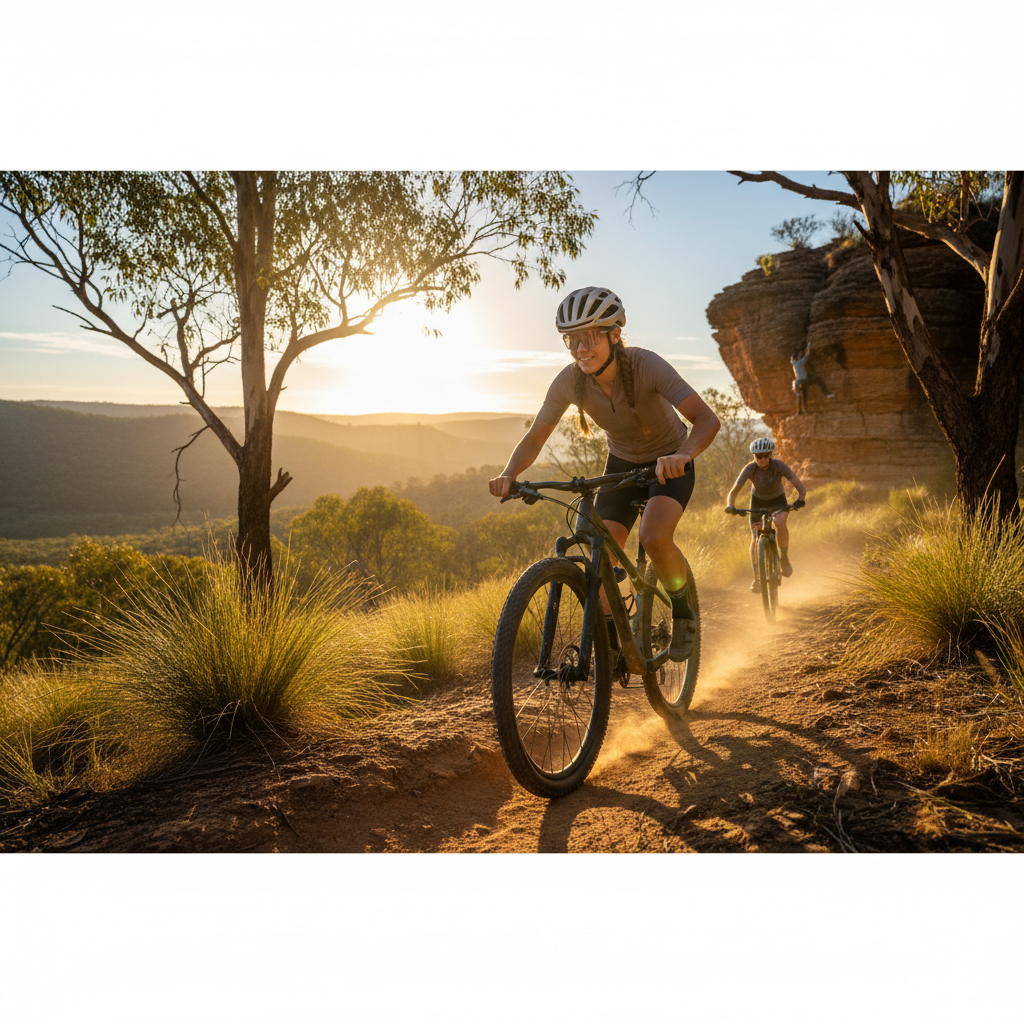
Beat the Heat: Staying Safe and Cool While Riding in the Australian Summer
Summer in Australia is fantastic. Longer days, perfect riding conditions... until the mercury climbs past 35°C and the UV index blares red. For anyone out on a horse, especially under the protection of a helmet, managing heat stress isn't just about comfort; it's about safety. This isn't a gentle guide to sipping iced tea; this is practical, no-nonsense advice for Australian conditions.
The Uncomfortable Truth About Riding in the Heat
Let's be blunt: riding in hot weather is tough. Your body works overtime to keep you cool. Add a helmet, and you're essentially trapping heat. This can lead to a range of problems, from mild dehydration and fatigue to severe heat exhaustion and even heatstroke. These aren't just inconveniences; they can be dangerous, impairing your judgment and physical ability to control your horse. Ignoring the heat is a recipe for disaster.
Understanding Heat Stress: What's Happening Under Your Helmet?
Your body has a core temperature it needs to maintain. When it gets too hot, your body sweats. This is its primary cooling mechanism. However, dehydration reduces your body's ability to sweat effectively. Wearing a helmet, particularly one that doesn't allow for adequate airflow, exacerbates this by trapping warm air and moisture. The longer you're exposed, the higher the risk.
Symptoms of Heat Stress to Watch For:
Early Signs: Thirst, mild headache, fatigue, slight dizziness.
Moderate Signs (Heat Exhaustion): Heavy sweating, cool, clammy skin, muscle cramps, nausea, weakness, brighter red skin.
Severe Signs (Heatstroke - MEDICAL EMERGENCY): High body temperature (over 40°C), hot, dry, red skin (sweating may cease), rapid pulse, confusion, loss of consciousness.
Crucially, heatstroke can kill. If you suspect it, seek immediate medical help.
Pre-Ride Strategy: Preparation is Key
Don't wait until you're already sweating bullets to think about heat. Proactive preparation is your best defence. This means planning your rides around the hottest parts of the day and ensuring your body is in the best possible state to cope.
Hydration is Non-Negotiable:
*Start hydrating before you ride. Don't just chug water right before mounting. Aim to be well-hydrated throughout the day leading up to your ride. Water is good; electrolyte drinks can be even better for longer or more intense sessions, replenishing salts lost through sweat.
Carry fluids. A water bottle on your saddle or a hydration pack is essential. You need easy access to refresh yourself during and after your ride.
Sip regularly. Don't wait until you're parched. Small, frequent sips are more effective than large gulps.
Fueling Your Ride:
Avoid heavy, high-protein meals close to riding time. These take longer to digest and can divert blood flow from cooling your body. Opt for lighter, easily digestible snacks and meals.
Consider salty snacks. If you're sweating a lot, a small salted cracker or pretzel can help replace lost sodium.
Timing is Everything:
Ride early or late. The Australian sun is intense. If possible, schedule your rides for the cooler hours of the morning or late afternoon/early evening. This is especially important during the peak summer months.
Listen to the UV index. If the UV index is extreme, consider if your ride is absolutely necessary. If it is, take extra precautions.
Riding Gear: More Than Just Protection
Your helmet is critical for safety, but it can also be a heat trap. Smart gear choices can make a significant difference.
The Helmet Dilemma and Solutions:
Many helmets are designed for maximum protection, but airflow can sometimes be compromised. However, modern helmets have come a long way. Look for:
Ventilation: Helmets with more and larger vents are designed to allow air to circulate, helping to draw heat away from your head.
Lightweight Construction: Lighter helmets can feel less oppressive.
Brims: While not directly related to venting, a good helmet brim can provide crucial shade for your face and eyes, reducing the direct impact of the sun. This can indirectly help you feel cooler and prevent sun glare, which can be distracting. Consider aftermarket options to add a brim to your existing helmet for added sun protection. Products can offer solutions here.
Clothing Choices:
Lightweight, breathable fabrics: Opt for light colours that reflect sunlight rather than absorb it. Synthetic, moisture-wicking fabrics are often better than cotton, which can hold moisture and become heavy.
Sun-protective clothing: Long sleeves made from UPF-rated fabric can protect your skin from harmful UV rays and also help regulate temperature by creating a barrier against the sun.
During the Ride: Stay Alert and Adapt
Once you're in the saddle, your focus shifts to managing the heat as you ride.
Hydrate, Hydrate, Hydrate:
Take regular sips. Seriously, don't forget. Even if you don't feel intensely thirsty, take a few sips every 15-20 minutes.
Cooling cloths: A damp cloth or bandana on your neck or forehead can provide immediate relief. Keep a small towel accessible.
Pacing and Intensity:
Don't push too hard. On hot days, your horse will also be working harder to stay cool. Adjust your expectations for speed and intensity. A leisurely hack might be all that's appropriate.
Take breaks. If you're out for a longer ride, stop in the shade. Let your horse drink and allow both of you to cool down.
Recognise Your Limits (and Your Horse's):
Your horse is a living, breathing animal that also suffers in the heat. Watch for signs of distress in your horse: excessive panting, drooling, lethargy, or muscle tremors. If you see these, stop riding and seek shade immediately.
The Role of Your Helmet Brim:
As you're riding, that brim offers a welcome respite from the direct sun. This shade can make a tangible difference to your comfort level, and by reducing the direct heat load on your face, it can help your body focus on its core cooling processes. While not a ventilation system, it’s an important part of a holistic approach to staying cool and protected. For more on helmet accessories and how they aid your ride, check out our Products page.
Post-Ride Recovery: Crucial for Preventing Future Issues
Cooling down after a hot ride is just as important as preparing for it.
Continue hydrating. Water and electrolyte drinks are your best friends.
Cool down gradually. Don't jump straight into a colding shower. Allow your body temperature to return to normal.
Rest in a cool place.
Monitor for delayed symptoms. Sometimes, heat-related issues don't manifest fully until after the activity has ceased.
Common Objections and How to Handle Them
We hear it all: "I'm tough, I can handle it," or "It's too much effort to plan." Let's address these head-on.
Objection: "I'm used to the heat; it doesn't affect me."
Reality Check: Our bodies adapt to some extent, but extreme heat puts a strain on everyone, regardless of experience. Heat stress is cumulative. What seems fine one day can lead to problems when combined with multiple hot days or longer exposure.
Objection: "I don't have time to pre-hydrate or plan my rides."
Reality Check: What takes five minutes to plan could save you hours of recovery, a trip to the doctor, or something far worse. A little foresight goes a long way.
Objection: "My helmet is fine; the vents are enough."
Reality Check: While good venting is crucial, it's only one piece of the puzzle. Trapped heat is a reality. Combining good venting with extra shade (like a brim) and proper personal hydration is a more effective strategy.
Objection: "I'll just drink heaps of water right before I go. That's enough."
Reality Check: Your body needs sustained hydration. Chugging water before a ride can lead to discomfort and may not be sufficient for prolonged exertion in the heat.
Quick Checklist: Riding in the Aussie Summer
Here’s a simple rundown to keep in your mental kitbag:
[ ] Hydrate: Start before, drink during, rehydrate after.
[ ] Electrolytes: Consider for longer/harder rides.
[ ] Timing: Ride early morning or late afternoon.
[ ] Gear: Breathable, light clothing; well-ventilated helmet with a brim.
[ ] Sun Protection: UPF clothing, sunscreen (even under a helmet).
[ ] Pacing: Ride at a sustainable intensity.
[ ] Breaks: Schedule in shade.
[ ] Monitor: Watch yourself and your horse for signs of heat stress.
- [ ] Listen: To your body and your horse – stop if needed.
Installing Your DA BRIM: A Simple Step to Cooler Rides
For riders looking to add immediate sun protection and a welcome shade to their helmet, understanding how to attach accessories is key. Our How to Install guide provides clear, step-by-step instructions for a secure fit. It’s a quick process that can make a significant difference to your comfort and reduce glare from the harsh Australian sun. Don't let the sun dictate your riding schedule; take control with simple, effective solutions.
Frequently Asked Questions
For more detailed answers on specific concerns, our FAQ page covers a range of common questions about helmet use, sun protection, and riding in various conditions. From maintenance tips to understanding UV protection, it’s a valuable resource for any rider.
Final Thoughts: Ride Smart, Ride Safe
Australian summers are a gift, but they demand respect. Managing heat stress while riding isn't about being soft; it's about being smart, prepared, and prioritizing safety. By implementing these practical strategies, you can enjoy your rides longer, more comfortably, and most importantly, safely. Don't let the heat stop you, but don't underestimate it either. For more tips and seasonal advice, keep an eye on our Blog.
Remember, your health and safety come first. If you're ever in doubt, err on the side of caution. Products can offer practical solutions, always be prepared, and enjoy the ride.