
Beat the Heat: Staying Safe and Cool While Riding in Australian Summers
Australian summers are brutal. Learn practical strategies to manage heat stress while riding your horse, keeping you and your equine partner safe under the relentless sun. Protect yourself with the right gear and smart habits.
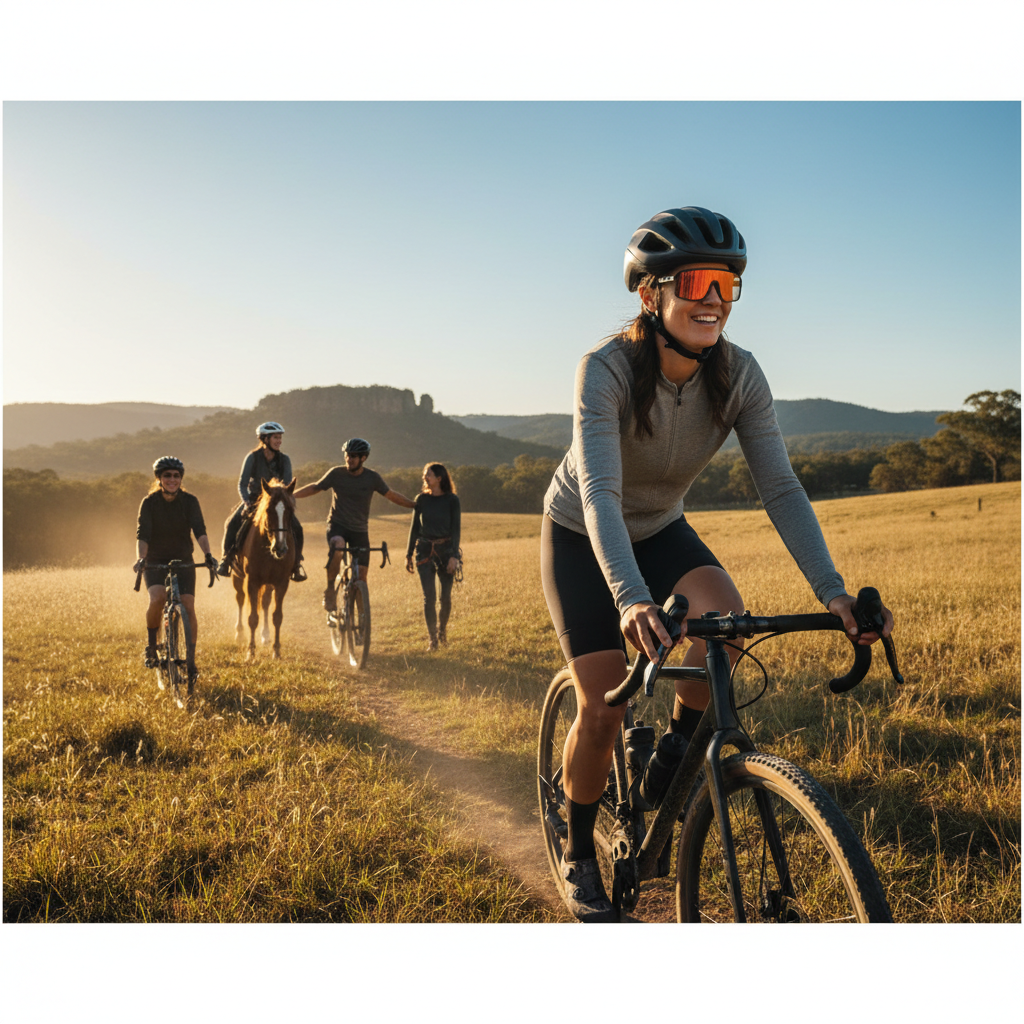
Beat the Heat: Staying Safe and Cool While Riding in Australian Summers
Australian summers mean long daylight hours, intense UV radiation, and scorching temperatures. For equestrians, this presents a unique challenge: how to enjoy riding safely without succumbing to heat stress. It's not just about comfort; it's about your health and your horse's well-being. This guide cuts to the chase with practical, no-nonsense advice for managing heat stress when you're in the saddle during the hottest months.
The High Stakes of Australian Summer Riding
The Australian sun is no joke. We live with some of the highest UV radiation levels in the world. Combine that with summer temperatures that regularly climb into the 30s and 40s Celsius, and you've got a recipe for serious heat-related issues. Riding, especially, exacerbates this. You're exerting yourself, wearing protective gear, and often in exposed areas. This means your body's ability to regulate its temperature is pushed to its limits.
Why Helmet Brims Matter (And Not Just for Sunburn)
While many riders think of a helmet brim first and foremost for preventing sunburn on their face and neck, its role in managing heat stress is equally critical. A good brim, like the Products we offer, significantly reduces the direct solar radiation hitting your face and head. This can have a cumulative effect on keeping your core temperature down. Furthermore, by shielding your eyes and face, it reduces the visual strain caused by glare, allowing you to focus better on your riding and your horse's reactions.
Understanding Heat Stress
Heat stress occurs when your body can't cool itself down effectively. Symptoms can range from mild discomfort to life-threatening conditions. It's crucial to recognise the signs in yourself and your horse:
Signs of Heat Stress in Riders
Mild: Thirst, sweating, fatigue, headache, dizziness, muscle cramps.
Moderate: Nausea, vomiting, rapid pulse, confusion, pale and clammy skin.
Severe (Heatstroke - A Medical Emergency): High body temperature (above 40°C), hot, dry or damp skin, rapid pulse, confusion, loss of consciousness, seizures.
Signs of Heat Stress in Horses
Excessive sweating (especially in horses not accustomed to heat).
Rapid breathing.
Increased heart rate.
Lethargy/weakness.
Dark or sticky mucus membranes.
Cobwebbing (sweat that looks like cobwebs).
Muscle tremors.
Colic symptoms.
If you suspect heatstroke in yourself or your horse, immediate cooling and medical attention are vital.
Practical Strategies for Managing Heat Stress
Avoiding heat stress is far easier than treating it. Here's what you need to do:
1. Timing is Everything
This is the most obvious, yet often overlooked, strategy. Ride in the cooler parts of the day. Early mornings or late evenings are your best friends. The UV index is generally lower, and the ambient temperature will be more forgiving. If you absolutely must ride during the peak heat of the day, keep the session very short and low intensity.
2. Hydration – It's Non-Negotiable
Before, during, and after your ride, you need to drink. Water is essential, but electrolytes can be even more important on long, hot rides as you lose them through sweat. Don't wait until you're thirsty; dehydration sets in quickly in the heat.
Hydration Checklist:
[ ] Drink at least 500ml of water 1-2 hours before your ride.
[ ] Carry water with you and sip regularly during your ride (even short breaks are opportunities).
[ ] Replenish fluids and electrolytes after your ride.
[ ] Avoid excessive caffeine and alcohol, as they can dehydrate you.
3. Dress for Success (and Survival)
What you wear directly impacts your body's ability to cool down.
Lightweight, Breathable Fabrics: Opt for light colours that reflect sunlight and materials that wick sweat away from your skin. Cotton can be okay for casual riding in milder heat, but for serious work, synthetics designed for heat management are far superior.
Sun Protection: Beyond your helmet brim, consider lightweight, long-sleeved shirts made from UPF (Ultraviolet Protection Factor) rated fabric. This provides a physical barrier against the sun's damaging rays. Sunglasses are also crucial for eye protection and comfort.
Helmet Ventilation: Ensure your helmet has good ventilation. Some helmets are designed with more airflow than others. If your helmet feels like a furnace, consider an upgrade. Our helmet brims are designed to complement your helmet's airflow, not impede it. Find out How to Install yours easily.
4. Acclimatisation
If you're not used to riding in the heat, your body will struggle. Gradually increase your riding time and intensity in hot weather over a week or two. This allows your body to adapt and become more efficient at cooling itself.
5. Know Your Limits (And Your Horse's)
This is where experience and common sense meet.
Listen to Your Body: If you feel dizzy, nauseous, or excessively fatigued, stop. Take a break in the shade, rehydrate, and assess if you can continue at a lower intensity.
Watch Your Horse: Your horse cannot tell you in words how they are feeling. Monitor their breathing, sweating, and energy levels. If they slow down, seem hesitant, or show any signs of distress, it's time to call it a day.
Table: Riding Conditions and Recommended Actions
| Condition | UV Index | Temperature | Recommended Riding Time | Intensity Level | Key Precautions |
|---|---|---|---|---|---|
| Mild Heat, Low UV | 1-3 | < 25°C | Anytime | Moderate to High | Standard hydration, sun protection still advised. |
| Moderate Heat, High UV | 6-8 | 25-30°C | Early Morning/Late Evening | Low to Moderate | Increased hydration, full sun protection, helmet brim. |
| Hot, Very High UV | 9-11+ | 30-35°C+ | Early Morning/Late Evening ONLY | Low (if at all) | Strict hydration, full sun protection, helmet brim, monitor horse closely. |
| Extreme Heat/Fire Danger | N/A | 35°C+ | DO NOT RIDE | N/A | Consider indoor arena or rest. |
Note: The UV Index is a guide. Consult your local weather service for daily ratings. Always err on the side of caution.
Step-by-Step: Preparing for a Summer Ride
Before you even think about tacking up on a hot Australian day, follow these steps. This isn't optional; it's essential for safety.
1. Check the Weather & UV Index: Know what you're walking into. Assess the temperature, humidity, and UV forecast.
2. Hydrate Yourself: Start drinking water well before your ride.
3. Prepare Your Horse: Ensure your horse has access to fresh water and isn't already stressed.
4. Gear Up:
Wear lightweight, breathable riding apparel.
Ensure your helmet is well-ventilated and fitted with a brim for maximum sun protection. Check out our Products for options.
Apply broad-spectrum sunscreen to any exposed skin.
Consider sunglasses.
5. Plan Your Ride: Keep it short and low-intensity. Choose a shaded arena or trails if possible. Plan for water breaks.
6. Warm-up & Cool-down: Even in the heat, a short, gentle warm-up and cool-down are important. Focus on stretching and allowing the horse to recover.
7. Post-Ride Hydration & Care: Rehydrate yourself and your horse. Check for any signs of heat stress in both.
Common Objections and How to Handle Them
"I've always ridden in the heat and been fine."
This is a dangerous mindset. Heat stress is cumulative. What seemed fine yesterday might lead to a serious issue today. Your body's tolerance can change, and conditions can worsen. It's about proactive safety, not reacting to emergencies.
"My horse is tough; they can handle it."
Horses are prey animals and often hide their discomfort until it's severe. Their well-being is your responsibility. Just because they can push through doesn't mean they should. A short, intense summer ride can have long-term consequences for their health.
"A helmet brim will make me hotter."
This is a myth. While it adds an extra layer, the primary function of a good brim is to block radiant heat and UV from hitting your face and scalp directly. This can actually contribute to keeping you cooler by reducing the thermal load on your head. Plus, it's crucial for preventing severe sunburn. Our brims are designed for optimal protection and minimal heat trapping. Visit our FAQ page for more details on this.
"I don't have time for all this preparation."
Do you have time for heatstroke? Do you have time for a veterinarian bill if your horse collapses? The few extra minutes spent preparing – checking the forecast, hydrating, and choosing appropriate gear – are minimal compared to the risks you're taking by not doing so. Safety is not an inconvenience; it's a fundamental part of responsible riding.
Don't Let the Heat Stop You, Ride Smart and Safe
Australian summers are beautiful, and riding during this time can be incredibly rewarding. By understanding the risks of heat stress and implementing practical, preventative strategies, you can ensure your riding experiences remain safe and enjoyable for both you and your horse. Prioritise hydration, smart timing, and the right gear – including effective sun protection for your helmet. For more tips and information, check out our Blog. Ride safe!