
Beat the Heat: Staying Safe and Cool on Australian Construction Sites
Construction work in Australia means long days under a harsh sun. Learn practical strategies to combat heat stress, protect your headwear, and ensure site safety. This guide covers everything from hydration to heat-related illness prevention.
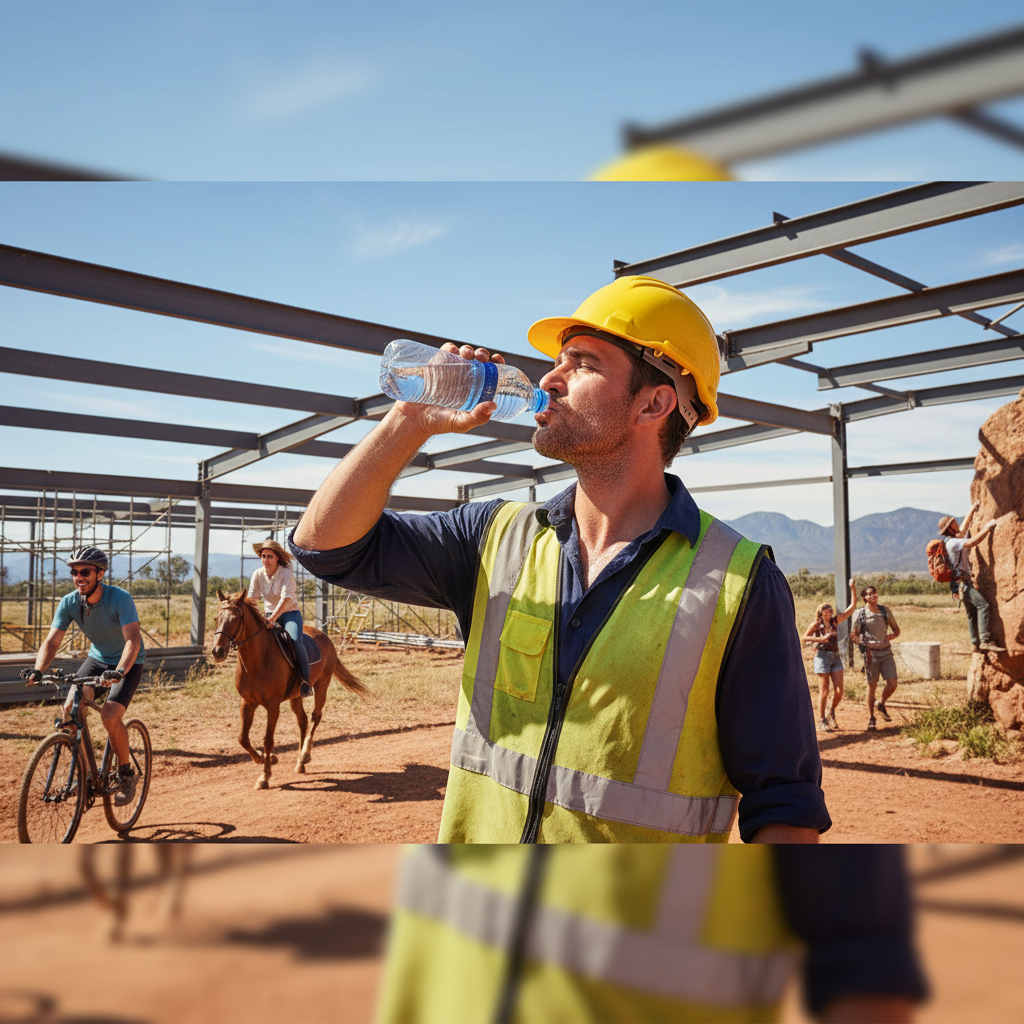
Beat the Heat: Staying Safe and Cool on Australian Construction Sites
Australia. Sunburnt country. And for those of us on construction sites, that means a daily battle against the heat. Long days, relentless UV, and demanding work can quickly lead to heat stress, a serious threat that can sideline you, damage your health, and compromise site safety.
This isn't about complaining; it's about surviving and thriving. You're on the tools, you're building, and you need to do it without collapsing from heatstroke. Our hard-earned summer days bring high UV indexes, dehydrating temperatures, and extended sunlight hours. Neglecting heat management isn't just uncomfortable – it's dangerous.
This guide cuts to the chase. We're talking practical, no-fluff advice for helmet wearers on Australian construction sites. We'll cover how to keep your cool, protect yourself, and recognise the signs of heat stress before it becomes a crisis. And yes, we'll touch on how your headwear plays a crucial role.
Why Heat Stress is More Than Just Sweating
Heat stress occurs when your body can't dissipate heat effectively. Your core temperature rises, and if it gets too high, it can lead to a range of conditions:
Heat Rash: Annoying, but a sign your skin isn't breathing.
Heat Cramps: Painful muscle spasms, often in the legs and abdomen.
Heat Exhaustion: Symptoms include heavy sweating, dizziness, nausea, headache, and weakness. This is your body's alarm bell. If ignored, it can quickly progress.
Heatstroke: The most severe form. Your body's temperature regulation fails. Symptoms include a high body temperature (above 40°C), confusion, loss of consciousness, and hot, dry skin (though sweating may still occur). Heatstroke is a medical emergency that can be fatal.
The job demands you wear a hard hat. That's non-negotiable for safety when working on a construction site. But that rigid plastic shell, while protecting you from falling objects, can also trap heat. This is where smart strategies come into play.
The Core Pillars of Heat Stress Prevention
Preventing heat stress on site is a multi-pronged approach. You can't just rely on one thing. It's about a combination of personal habits, site management, and understanding your equipment.
1. Hydration: Your First Line of Defence
This is paramount. You lose fluids constantly through sweat, especially under an Australian sun. Dehydration significantly impairs your body's ability to regulate temperature.
Drink Water Constantly: Don't wait until you're thirsty. Thirst is a sign you're already behind. Sip water throughout the day, every 15-20 minutes. Aim for plain water, not sugary drinks that can dehydrate you further.
Electrolytes are Key: When you sweat heavily, you lose essential salts. Sports drinks or electrolyte tablets can help replenish these, especially during long, hot shifts. But again, moderation. Too much sugar isn't ideal.
Avoid Alcohol and Caffeine: These are diuretics, meaning they make you lose more fluid. Save the beer for after knock-off and the coffee for cooler days.
Monitor Your Urine: A simple indicator. Pale yellow urine means you're well hydrated. Dark yellow or amber means you need to drink more – now.
2. Breaks and Shade: Strategic Retreats
Working non-stop in the heat is a recipe for disaster. Planned breaks are not a sign of weakness; they're a sign of intelligence.
Seek Shade: Whenever possible, take your breaks in a shaded, cooler area. This might be under a tree, a temporary shade structure, or even back inside the site office if practical.
Scheduled Breaks: Most sites have mandatory break times. Ensure you're using these effectively to hydrate and cool down. Longer, more frequent breaks might be necessary during extreme heat warnings.
Listen to Your Body: If you start feeling dizzy, nauseous, or unusually fatigued, stop. Find shade, drink water, and assess if you're able to continue. Don't push through it.
3. Acclimatisation: Gradual Exposure
Your body can adapt to hotter conditions, but this takes time. If you're new to a hot site or returning after a break, gradual exposure is crucial.
Start Slow: If possible, ease back into strenuous work on hotter days. Gradually increase your physical exertion over several days.
Recognise Symptoms: Be extra vigilant during the first week or two of prolonged hot weather. Your body might still be adjusting.
4. Site Management: A Shared Responsibility
While personal habits are vital, site managers and supervisors play a critical role in creating a safe environment.
Provide Access to Water: Easy access to cool, clean drinking water is a fundamental requirement.
Designate Shade Areas: Creating shaded rest areas is essential.
Monitor Weather Forecasts: Be aware of UV index and temperature forecasts. Adjust work schedules or provide additional cooling measures when extreme heat is predicted.
Educate Workers: Ensure all workers understand the signs of heat stress and what to do.
Your Helmet and Heat: The Practicalities
Your hard hat is your shield. But in the heat, it can also become a personal sauna if you're not careful. Here's how to manage it:
Ventilation is King: If your helmet has vents, use them! Open them up to allow airflow. If yours are clogged with dust or debris, clean them regularly.
The Brim Factor: A wider brim can offer more shade, reducing direct sun exposure to your face and neck. This can indirectly help you feel cooler by reducing overall radiant heat gain. Check out options like DA BRIM's range of helmet brims – they're designed to add that extra layer of sun protection without compromising safety or fit.
Lighter Colours: If permitted by site regulations, lighter-coloured helmets reflect more sunlight than darker ones, absorbing less heat.
Cooling Inserts: Some specialised cooling headbands or inserts can be worn under your helmet. These often contain gel or advanced wicking fabrics designed to absorb heat and sweat. Ensure any such product is approved for use with your specific helmet model, as some modifications can compromise safety certifications.
Fit and Comfort: Ensure your helmet fits correctly. A poorly fitting helmet can be uncomfortable and may lead you to adjust it, potentially compromising its protective capabilities. Proper fit allows for some air circulation around your head.
Preventing Heat Illness: A Checklist
Keep this handy. It's the core of what you and your crew need to be doing daily.
Daily Checklist for Heat Stress Prevention:
[ ] Drink water every 15-20 minutes. Don't wait for thirst.
[ ] Consume electrolyte drinks or tablets if sweating heavily.
[ ] Consume at least 2-3 litres of water per day, more if working in extreme heat.
[ ] Eat regular meals – your body needs fuel to function and regulate temperature.
[ ] Take breaks in shaded areas.
[ ] Wear lightweight, light-coloured, loose-fitting work clothes (if site compliant).
[ ] Ensure your helmet is clean, including vents. Consider a wider brim for added shade. (Learn how to install yours here).
[ ] Avoid alcohol and excessive caffeine, especially before and during shifts.
[ ] Monitor yourself and your crew for signs of heat illness.
[ ] Inform your supervisor immediately if you feel unwell.
Recognising the Signs and Taking Action
Knowing the symptoms and acting quickly is critical. Don't try to 'tough it out'.
Step-by-Step Action Plan for Suspected Heat Illness:
1. Stop Work Immediately: If you or a colleague shows any signs of heat illness, stop what you're doing. Continuing to work will worsen the condition.
2. Move to a Cooler Location: Get the person into shade or an air-conditioned area as quickly as possible.
3. Hydrate: Have them drink cool water or electrolyte drinks slowly.
4. Cool the Body: Apply cool, wet cloths or spray the person with cool water. Loosen or remove excess clothing.
5. Monitor Closely: Watch for improvement or deterioration.
When to Seek Medical Help:
Heat Exhaustion: If symptoms of heat exhaustion (dizziness, nausea, headache, heavy sweating, weakness) do not improve within 30-60 minutes of resting in a cool place and rehydrating, seek medical attention. If confusion or loss of consciousness occurs, it could be heatstroke and requires immediate emergency medical assistance.
Heatstroke: This is a 000 emergency. Call for an ambulance immediately. While waiting for help, begin cooling the person as described above.
Common Objections and Solutions
“I don't have time for extra breaks.”
Reality Check: A heatstroke emergency takes way more time than a 10-minute break. You might lose a shift, a week, or your ability to work permanently. Proactive breaks prevent downtime. If you're efficient with your breaks (hydrating, resting), you'll be more productive overall.
“I’ll look weak if I take breaks or drink water all the time.”
Reality Check: It’s not about looking weak; it’s about being smart and professional. Every experienced worker knows that Australia’s sun is no joke. The toughest move is often knowing when to look after yourself and your mates. The real bosses – your supervisors and site safety officers – want you to be safe. Don't let pride get you hospitalised.
“This heat is normal for Australia, I’m used to it.”
Reality Check: Even if you’re acclimatised, extreme heat waves push your body beyond its limits. High UV index days, combined with humidity and strenuous work, increase risk significantly. Complacency is dangerous. Always reassess your hydration and break needs during heat waves.
“My helmet is too hot to wear a brim or extra cooling gear.”
Reality Check: Products like DA BRIM are designed to be lightweight and not interfere with your helmet's primary safety function or its fit. In fact, by providing shade, they can help reduce the heat absorbed by the helmet shell itself. Check the FAQ for installation and compatibility details. Sometimes, a small effort for better sun protection has significant cooling benefits.
Protecting Your Investment: Your Health
Your health is your most valuable asset. Working on construction sites in Australia means facing unique challenges, and heat stress is a significant one. By prioritising hydration, seeking shade, taking strategic breaks, and ensuring your headwear supports your safety and comfort, you can significantly reduce your risk.
Don't wait for the warning signs. Implement these strategies today. Your body will thank you, and you'll be able to finish your shift, go home, and be ready for work tomorrow. For more tips and information on workplace safety, check out our Blog.
Stay safe, stay cool. That's the Australian way to get the job done under the sun.