
Beat the Heat: Staying Focused and Cool on Long Australian Climbs
Don't let relentless Australian sun and heat derail your long climbing routes. Learn practical strategies to stay cool, focused, and protected with your helmet.
Beat the Heat: Staying Focused and Cool on Long Australian Climbs
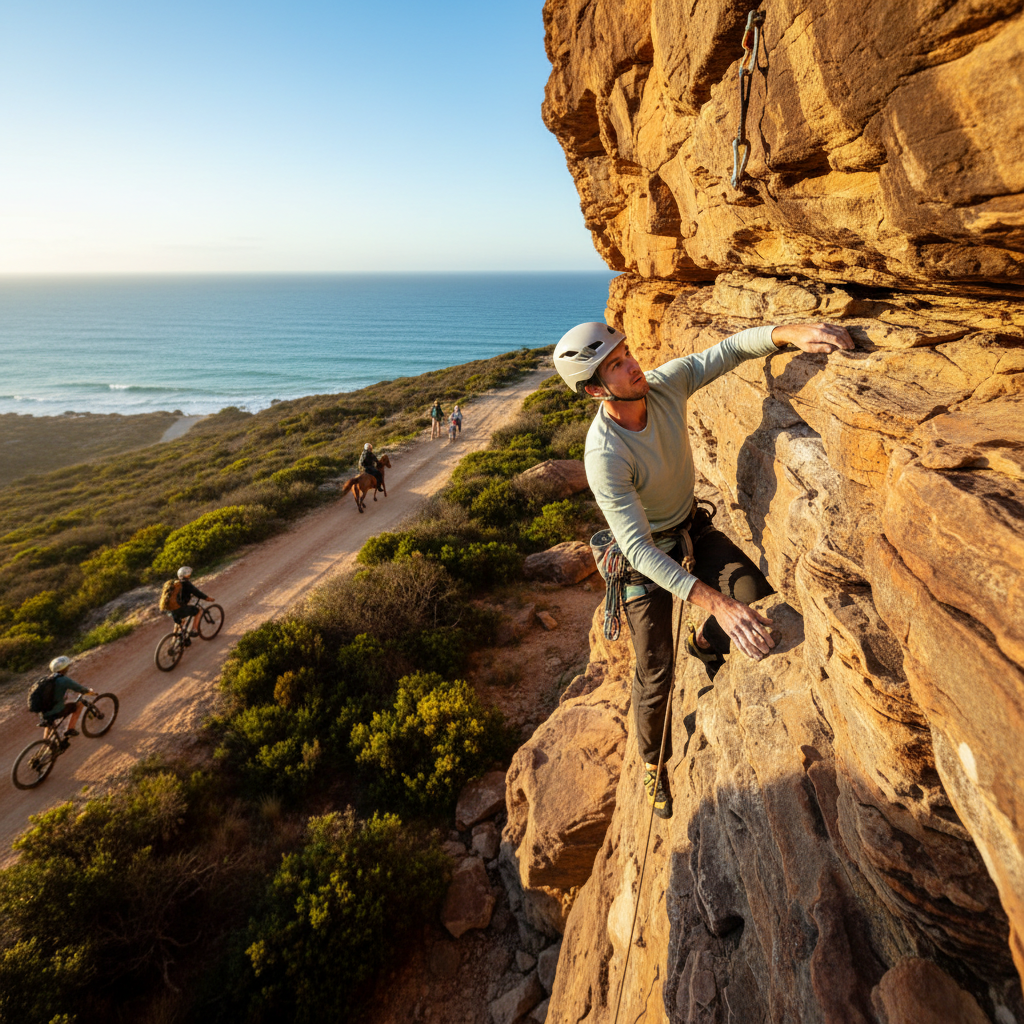
The Australian sun is no joke. Whether you're tackling a multi-pitch trad route in the Blue Mountains or grinding out a long sport climb in the Grampians, pushing your limits in intense heat and relentless UV can drain your physical and mental reserves. Helmet-mounted brims like the Da Brim are crucial for sun protection, but staying cool and focused over hours requires more than just shade. This guide cuts through the fluff to give you practical, no-nonsense strategies for long days on the rock.
Why Heat and Sun Are Your Undoing on Long Climbs
It’s simple physics and physiology. When the mercury rises, your body works overtime to cool itself. This means diverting blood flow to your skin, which, ironically, means less blood (and oxygen) for your working muscles and brain. Constant sun exposure, even when it’s not scorching, adds to this thermal load, increasing your core temperature and leading to:
Dehydration: You sweat more, you need to drink more. Forget to drink, and performance plummets.
Reduced Cognitive Function: Heat impacts your ability to think clearly, solve problems, and make good decisions. This is dangerous when you're on lead, spotting holds, or managing gear.
Muscle Fatigue: Increased core temperature and dehydration lead to faster muscle fatigue. Those crux moves feel harder, and endurance evaporates.
Heat Exhaustion/Stroke: The nasty stuff. Prolonged exposure without proper management can lead to serious medical emergencies.
Sunburn (even on your neck): Your helmet protects your head, but sweat running down your neck and exposed skin can still get burnt, adding discomfort and distraction.
The Helmet Brim: Your First Line of Defence
Before we get into hydration and cooling, let’s acknowledge the game-changer: a quality helmet brim. Da Brim helmet brims are designed for exactly this. They extend the shade provided by your helmet, protecting your face, neck, and even shoulders from direct UV rays and reducing the amount of heat radiating onto your head. This isn't just about comfort; it's about reducing your overall solar load, which directly impacts how quickly you overheat.
Even with a brim, the sun's intensity in Australia, especially during peak hours and in summer, means you need a holistic approach.
Practical Strategies for Staying Cool and Focused
Here’s how to fight back against the heat and keep your head in the game:
1. Hydration is Non-Negotiable
This isn’t advice; it’s a directive. You cannot perform on a long climb if you’re dehydrated. Aim to drink before you feel thirsty. Thirst is already a sign of dehydration.
Pre-hydrate: Start drinking extra water the day before and the morning of your climb.
Electrolytes: For long days, plain water isn’t enough. You’re losing salt and minerals through sweat. Use electrolyte tablets or powders in your water. This helps your body absorb water more efficiently and replenishes what you’re losing.
Sip Frequently: Don’t guzzle large amounts at once. Take small, regular sips from your water bottle or hydration pack, even when you don’t feel thirsty. Consider a hydration pack for easy access on the go, especially on longer, continuous climbs. You’ll find more information in our FAQ section about best practices.
Monitor Urine Colour: A pale yellow colour is good. Dark yellow means you need more fluids.
2. Strategic Shading and Rest
Utilise any natural shade available. This might mean planning your ascent to take advantage of a shady ledge or being flexible with your start time to avoid the harshest midday sun.
Embrace Belay Station Shade: When at a belay station, position yourself and your climber in the shadiest spot possible. Even a few minutes of relief can make a difference.
Early Starts/Late Finishes: Where possible, aim to climb during the cooler parts of the day. Early mornings or late afternoons can save you from the worst of the heat.
Short Breaks are Crucial: Don’t push through prolonged discomfort. Take short, frequent breaks to rehydrate, eat a snack, and let your body recover.
3. Active Cooling Techniques
Beyond just shade and water, you can actively cool yourself down:
Damp Cloth/Buff: Keep a lightweight buff or bandana in a ziplock bag with some water. Placing it on your neck or forehead during breaks can provide significant cooling. The evaporation process draws heat away from your body.
Cool Water Splash: If you have access to a water source, splash cool water on your face, wrists, and neck. These are areas with high blood flow close to the surface, so cooling them can help lower your core temperature.
Ventilation: Ensure your helmet has good ventilation. While a brim is essential, don't compromise on the helmet's airflow. Many modern helmets are designed with excellent ventilation systems that work well with brims.
4. Nutrition for Endurance
Your body needs fuel to function, especially when stressed by heat. Focus on easily digestible, energy-dense foods.
Carbohydrates: For sustained energy, you need carbs. Think energy bars, gels, dried fruit, or small sandwiches.
Salty Snacks: Balance sweet snacks with salty ones to help replenish sodium lost through sweat (pretzels, salted nuts, jerky).
Avoid Heavy Meals: Big, heavy meals can divert blood flow to your digestive system, making it harder for your body to cool itself.
5. Mental Fortitude: Staying Focused
Heat is a massive mental drain. Staying focused requires active effort.
Break it Down: Don’t think about the entire day. Focus on the next pitch, the next move, or even just the next few holds. This makes the task feel more manageable.
Routine and Rituals: Having established routines for hydration, eating, and checking gear can free up mental energy. You don’t have to think about what to do next, just do it.
Communicate: With your climbing partner, clearly discuss your state. If you’re struggling with heat or focus, don’t hide it. Good communication prevents mistakes.
Mindfulness: Take a moment during a break to focus on your breathing. Simple breathing exercises can calm your nervous system and improve focus.
Preparing for the Day: Pre-Climb Checklist
Your planning starts before you even leave home. Here’s a quick checklist:
[ ] Helmet with Da Brim: Ensure it's fitted correctly. Learn more about How to Install here.
[ ] Water Supply: Sufficient quantity for the expected duration and conditions. Consider extra for cooling.
[ ] Electrolyte supplement: Tablets or powder.
[ ] Snacks: Mix of carb-rich and salty options.
[ ] Cooling Aid: Damp buff or bandana.
[ ] Sunscreen: For any exposed skin (face, ears, hands).
[ ] Loose-fitting, light-coloured clothing: Maximises breathability and reflects sun.
[ ] Knowledge of Route: Plan for shade, water sources, and bailout options.
Step-by-Step: Managing Heat on a Long Pitch
Let’s say you’re on a multi-pitch climb, mid-day, and the sun is beating down.
1. At the Belay Station: Immediately seek any available shade. If none, position your back to the sun. Take off your helmet briefly to allow your head to breathe, but keep that Da Brim within reach. Drink a good sip of water, adding electrolytes if it’s been a while.
2. Before Climbing: Mentally prepare for the pitch. Break it down. Take a few deep breaths. Reapply sunscreen to any exposed areas.
3. During the Climb: Sip water regularly from your hydration pack or pass up bottles at critical points (if planned). Focus on efficient movement to conserve energy and reduce heat generation. Keep an eye on your surroundings for unexpected shade or cooler pockets.
4. Upon Reaching the Next Station: Repeat step 1. If you’re feeling significantly overheated, consider using your damp buff for a few minutes to cool your neck. Evaluate your water and food supplies. If you're feeling fatigued, take slightly longer breaks if possible.
5. Throughout the Day: Consistently apply these steps. Don’t wait until you’re suffering. Proactive management is key. Remember, your Da Brim is always there, maximising the shade you get direct from your helmet.
Dealing with Objections and Myths
"I’m used to the heat."
Even the most acclimatised individuals can overheat and suffer from heat exhaustion. Australia’s UV index and prolonged exposure can overwhelm anyone’s natural thermoregulation. Don't be arrogant; be prepared.
"Sunscreen is enough."
Sunscreen protects your skin, but it does nothing to prevent your core temperature from rising due to direct solar radiation on your head and body. A helmet brim is essential for blocking that direct radiation.
"I don’t need a brim because my helmet has vents."
Vents help with air circulation, but they don't block the direct, intense solar radiation that can heat your head and contribute to overheating. You need shade and ventilation.
"Drinking during the climb makes me feel sick."
This is often due to drinking too much too quickly, or drinking very cold water. Sip small amounts frequently. If water is too cold, let it warm up slightly in your bottle. Experiment with different electrolyte mixes to find one that suits your stomach.
Conclusion: Protect Your Climb, Protect Yourself
Long days on the rock in Australia demand respect for the elements. By combining the essential sun protection of a Da Brim with smart hydration, strategic breaks, active cooling, and mental preparation, you can significantly improve your comfort, focus, and safety. Don't let heat dictate your climbing limits. Plan, prepare, and stay cool. For more tips and product information, check out our Blog or Products page.
Remember, the goal isn't just to summit, it's to do it safely and enjoyably. Stay cool out there!