
Beat the Heat: Staying Cool on Your Horse This Summer
Don't let the Aussie sun fry you. Learn practical ways to stay cool and comfortable during long riding sessions, even in intense heat.
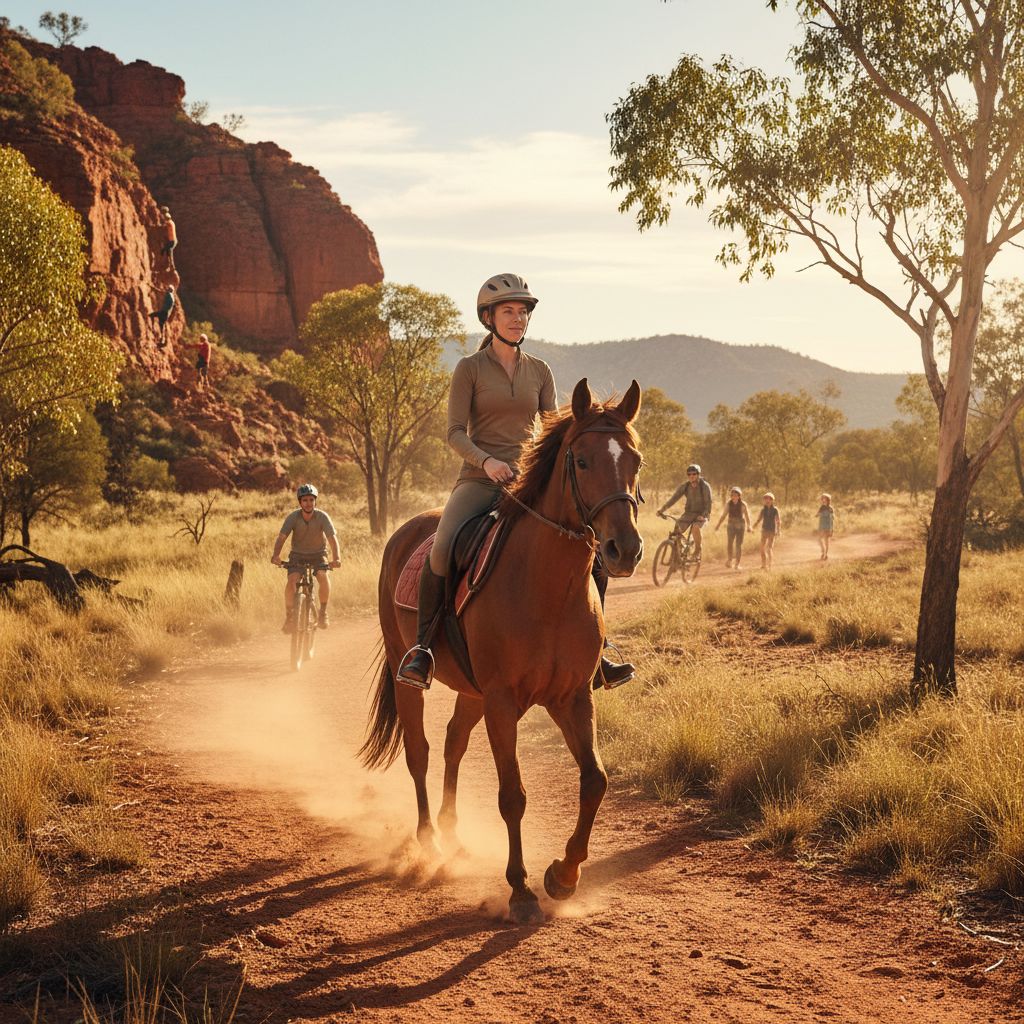
Beat the Heat: Staying Cool on Your Horse This Summer
Australia. We love the long daylight hours, the stunning landscapes, and the freedom of the open trail. But let's be honest, when the mercury climbs, enjoying those extended riding sessions can become a challenge. The relentless Aussie sun, especially with its high UV index, demands a serious approach to sun safety and heat management. You're wearing a helmet for crucial protection, but how do you avoid feeling like a baked potato inside it?
This isn't about fluffy advice. This is about practical, no-nonsense strategies to keep you cool, comfortable, and safe when you're out in the saddle for hours. We're tackling sweat, heat build-up, and dehydration head-on.
The Helmet Conundrum: Protection vs. Ventilation
Your helmet is non-negotiable for safety. That's a given. But we get it – full coverage can feel like wearing a personal sauna, especially when you're working your horse or covering serious distance. The key isn't to ditch the helmet; it's to ride smarter.
Objection Handling:
"Helmets are too hot!" Yes, they can be. But the risks of not wearing one far outweigh the discomfort. The goal is to mitigate the heat within the helmet system.
"I sweat so much my vision is impaired." We hear you. This is a common problem that can be directly addressed with smart clothing, hydration, and some clever gear choices.
"It's just too hot to ride for long." We're not suggesting you ride during peak UV hours if you can avoid it. But for those who must, or those who simply want to extend their enjoyment, there are solutions.
Strategies for a Cooler Ride
Let's break down what actually works, from pre-ride prep to post-ride recovery.
1. Pre-Ride Hydration and Timing
This is your first line of defence. Don't wait until you're thirsty.
Hydrate, Hydrate, Hydrate: Start drinking water well before you even think about tacking up. Aim for consistent intake throughout the day. Electrolyte replacements can be beneficial for long, hot rides where you're sweating a lot. Consider drinks with electrolytes if you're out for several hours.
Timing is Everything: If you can, schedule your rides for the cooler parts of the day. Early mornings or late afternoons are your friends during the Australian summer. Avoid the harsh midday sun when UV levels are at their highest.
2. Smart Clothing Choices
What you wear under your helmet and on your body makes a huge difference.
Wicking Underlayers: Invest in lightweight, breathable, moisture-wicking fabrics for your base layers. These pull sweat away from your skin, allowing it to evaporate more efficiently. Avoid cotton – it just holds moisture and makes you feel clammy.
Light Colours: Light-coloured clothing reflects sunlight rather than absorbing it, keeping your overall body temperature lower.
Sun-Protective Clothing: Long sleeves and trousers, even on a hot day, can be more comfortable if they are made from lightweight, UPF-rated fabric. This protects your skin from UV exposure while still allowing for some air circulation.
3. Helmet Ventilation and Cooling Aids
This is where we focus on managing heat directly around your head.
Modern Vented Helmets: If your current helmet is an older model with minimal ventilation, consider upgrading. New helmets are designed with advanced airflow systems. Look for helmets with ample vents strategically placed to maximise air circulation. Many equestrian brands offer excellent ventilated options.
Cooling Headwear: Thin, moisture-wicking skull caps or bandanas worn under your helmet can absorb sweat and provide an extra layer of comfort. Some can be soaked in water for a cooling effect. Ensure they don't interfere with your helmet's fit or safety features.
Helmet Brims for Shade: While not directly cooling the helmet itself, a good brim can significantly reduce the amount of direct sun hitting your face and neck, which can indirectly help you feel cooler. It also provides vital UV protection. Check out options designed specifically for helmets to ensure they attach securely and don't compromise safety. Learn How to Install them correctly for maximum benefit and safety.
4. Managing Sweat for Comfort and Safety
Sweat is your body's natural cooling mechanism, but excessive sweat can be a nuisance.
Sweatbands: A good quality, moisture-wicking sweatband worn just below your helmet line can catch a lot of sweat before it drips into your eyes or down your neck.
Cool Towels: Keep a small, quick-dry towel handy. Dampening it can provide a welcome cool-down for your neck and face during breaks.
5. Hydration During the Ride
If you're out for a long ride, you must have water accessible.
Hydration Packs: For longer treks, a hydration pack with a long straw is ideal. It allows you to sip continuously without having to stop or fumble.
Water Bottles: If you're riding with someone, they can carry water for you, or you can stop periodically to drink from a bottle. Ensure it's easily reachable.
6. Post-Ride Recovery
Don't underestimate the importance of cooling down after your ride.
Cool Shower: A cool (not icy cold) shower will help bring your core body temperature down.
Replenish Fluids: Continue drinking water and consider an electrolyte drink to replace what you've lost through sweat.
Rest in Shade: Find a cool, shaded spot to relax and recover.
Your Summer Riding Checklist
Here’s a quick rundown of things to check before you head out:
[ ] Hydration: Drank enough water already today?
[ ] Timing: Is your ride scheduled for cooler hours?
[ ] Helmet Fit: Does it sit correctly and comfortably? Is it well-ventilated?
[ ] Underlayer: Wearing moisture-wicking fabric?
[ ] Sun Protection: Using sun-safe clothing and potentially a helmet brim?
[ ] In-Saddle Hydration: Do you have water accessible?
[ ] Cooling Aids: Carrying a damp cloth or similar?
When to Know When to Stop
Even with the best strategies, there are limits. Listen to your body.
Signs of Heat Stress: Dizziness, nausea, severe headache, cessation of sweating (this is a dangerous sign!). If you experience any of these, stop riding immediately, find a cool place, and hydrate. Seek medical attention if symptoms are severe or don't improve.
- Know Your Limits: Be realistic about the conditions and your fitness level. A long, strenuous ride on a 40-degree day is a recipe for disaster, no matter how well-prepared you are.
Products to Consider
Investing in the right gear can make a significant difference. Explore our range of Products designed to enhance your comfort and safety in the saddle.
Quick Tips Summary Table
| Area | Key Action |
|---|---|
| Hydration | Drink consistently before, during, and after. |
| Timing | Ride during cooler parts of the day. |
| Clothing | Moisture-wicking base layers, light colours. |
| Helmet | Ensure good ventilation; consider a brim. |
| Sweat | Use sweatbands and cooling cloths. |
| Breaks | Take regular breaks in the shade. |
| Listen | Pay attention to your body for heat stress signs. |
Step-by-Step: Preparing for a Hot Weather Ride
1. Morning Prep: Wake up and immediately start hydrating. Drink at least a litre of water before you eat breakfast.
2. Gear Check: Lay out your riding gear. Ensure your base layers are clean and ready. Check your helmet for any damage and confirm it fits snugly but comfortably.
3. Hydration Pack/Bottle: Fill your hydration bladder or water bottles. If using a hydration pack, ensure the straw is accessible and clean.
4. Cooling Aids: Dampen any cooling bandanas or cloths and store them in a resealable bag. Pack a small, quick-dry towel.
5. Sun Protection: Apply sunscreen to any exposed skin. Ensure your helmet has its brim securely attached, if using one.
6. Tack Up: Take your time. Work your horse in the shade if possible to avoid them overheating before you even start.
7. Mount Up: Begin your ride at a gentle pace, allowing your body to acclimatise to the conditions.
8. During the Ride: Sip water frequently. Take short breaks in the shade every 30-60 minutes, especially on longer rides. Use cooling cloths on your neck or forehead.
9. Dismount and Recover: Upon returning, immediately offer your horse water. Untack and cool yourself down with water. Replenish your fluids and rest in a cool area.
Staying cool and safe during long riding sessions in Australia's heat is achievable with smart planning and the right approach. Don't let the sun dictate your riding time; empower yourself with these strategies. Remember to check our FAQ section for more common questions and explore our Products for gear that can help.
For more insights and tips from the equestrian community, browse our Blog.