
Beat the Heat: Staying Cool on Your Climbs This Summer
Don't let the Australian summer heat stop your climbs. Learn practical strategies to stay cool, comfortable, and sun-safe when cycling uphill. This guide covers everything from choosing the right gear to on-bike techniques.
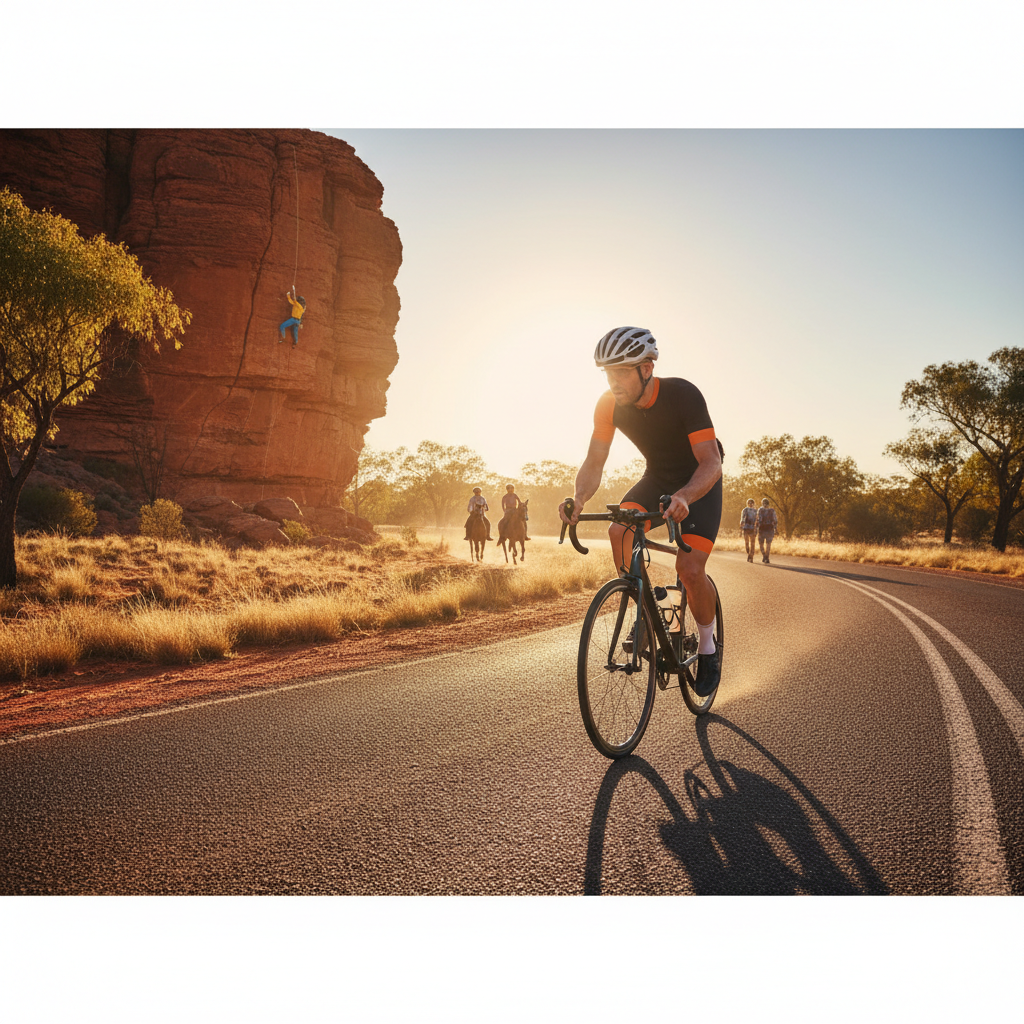
Beat the Heat: Staying Cool on Your Climbs This Summer
Summer in Australia means long days, intense sunshine, and for cyclists, challenging climbs. The thought of grinding up a hill with the sun beating down can be off-putting. But it doesn't have to be a sweltering ordeal. With the right approach, you can conquer those ascents and still feel relatively cool. This isn't about magic fixes; it's about practical strategies grounded in how your body works and the realities of our harsh climate.
Let's face it, climbing is hard work. Add a 35°C day with a high UV index, and it becomes a serious test of endurance. But your helmet, your essential piece of sun safety gear, can be part of the solution, not just a heat trap. We'll cover how to manage heat, stay protected, and keep pedalling through the warmer months.
The Heat Problem: Why Climbs Get So Sticky
When you climb, your body works overtime. Your muscles generate heat, and your core temperature rises. Your body’s primary cooling mechanism is sweating. As sweat evaporates from your skin, it takes heat with it. But this process is less effective when the ambient temperature is high, humidity is up, or when your gear traps moisture and heat, preventing efficient evaporation.
Your helmet, while vital for protection, can also contribute to heat buildup. Traditional helmets have vents, but when you're pushing hard uphill, even the best ventilation can feel overwhelmed. The lack of airflow at slower climbing speeds exacerbates this. So, how do we mitigate this?
Practical Strategies: Pre-Ride, On-Ride, Post-Ride
Pre-Ride Preparations
Your preparation starts before you even mount your bike.
Hydration is Non-Negotiable: Start hydrating well before your ride. Drink plenty of water the day before and a good amount in the hours leading up to your climb. Don't wait until you're thirsty; by then, you're already behind.
Timing is Everything: If possible, schedule your rides for the cooler parts of the day – early morning or late afternoon. The sun's intensity is highest from 10 am to 4 pm. Riding outside these windows significantly reduces your heat load and UV exposure.
Nutrition Matters: Avoid heavy, fatty meals right before a ride. Opt for lighter, carbohydrate-rich foods that are easier to digest. Proper nutrition fuels your body, but overeating can divert blood flow to your digestive system, making it harder for your body to cool itself. You can find more general tips for cyclists on our Blog.
Gear Selection: Choose lightweight, breathable cycling kit. Light colours reflect more sunlight than dark colours. While your helmet is essential, ensure it fits well and isn't unnecessarily heavy. We offer a range of helmet accessories designed to enhance your cycling experience, including features that can help with comfort and sun protection. Check out our Products page.
On-Ride Tactics
Once you're out on the road, especially on those lung-busting climbs, these tactics come into play.
Pacing is Key: Don't go all-out from the bottom of the climb. Start at a sustainable pace and build into it. This allows your body to gradually adjust to the increased exertion and heat.
Hydrate Consistently: Sipping water regularly is crucial. Don't chug large amounts at once. Keep your water bottles accessible and take small, frequent sips. Consider electrolyte drinks for longer, hotter rides to replenish salts lost through sweat.
Utilise Airflow: Even at slow speeds, try to maximise any airflow. If you have a helmet that allows for better ventilation, use it. Some riders find angling their helmet slightly can catch more air, though this is often marginal during climbs.
The Power of the Brim: This is where your helmet's design becomes critical. A helmet brim can offer significant shade to your face, reducing direct sun exposure and the associated heat gain. It also helps shield your eyes. Our Products are designed with this in mind, offering effective sun shade. Ensure your brim is securely attached – learn more on our How to Install page.
Dampen Down: If you have access to water during a stop (or a well-placed water fountain), lightly dousing your head and neck can offer temporary but effective cooling. This mimics the evaporation process. Be careful not to overdo it on very hot days, as saturated clothing can become heavy and reduce airflow.
Listen to Your Body: This can't be stressed enough. If you feel yourself overheating severely (dizziness, nausea, disorientation), pull over, find shade, and rehydrate. Pushing through extreme heat can lead to heat exhaustion or heatstroke.
Post-Ride Recovery
Proper recovery aids in your body's ability to regulate temperature for future rides.
Continue Hydrating: Keep drinking water and electrolyte solutions after your ride.
Cool Down: A cool shower or bath can help bring your core temperature down.
Replenish: Eat a balanced meal to refuel your depleted energy stores.
Understanding Your Helmet and Heat
Your helmet is designed for impact protection, but its design also influences comfort in varying conditions. Modern helmets feature ventilation systems aimed at allowing air to pass through and over your head, carrying heat away. However, the effectiveness of these vents is heavily dependent on airflow speed. When you're climbing at 8-12 km/h, natural airflow is significantly reduced compared to descending or riding on flats.
This is where add-ons or specific design features can make a difference:
Helmet Brims: As mentioned, a brim is designed primarily for sun protection. While its direct impact on cooling is through reducing radiant heat on your face and eyes, it's a crucial part of managing comfort on hot rides. A well-designed brim like those we offer doesn't impede ventilation significantly and provides essential shade.
Helmet Covers: Some riders use lightweight helmet covers, especially in cooler weather or for rain. In extreme heat, a cover might trap more heat, unless it's specifically designed for ventilation. Generally, for hot Australian summer climbs, you want maximum air exposure to your helmet's vents.
Helmet Fit: A helmet that's too tight can restrict blood flow to your scalp, impacting your body's ability to radiate heat. Ensure your helmet is snug but not constricting. Our Products and How to Install guides can help you achieve the perfect fit.
Facing Australian Conditions: UV Index and Long Days
The Australian sun is notorious. The UV index can soar, especially inland and during summer. Prolonged exposure, even without feeling overwhelmingly hot, can lead to sunburn and heat stress.
High UV Index: This means that unprotected skin can burn very quickly. Your helmet, particularly with adequate shading from a brim, is your first line of defence for your head and face. Remember to apply sunscreen to any exposed skin, even if you think it's covered by your helmet – neck, ears, and hands are common spots. Check local UV alerts.
Long Summer Days: The extended daylight hours can tempt you into longer rides. While this is great, it also means more time exposed to the sun. Plan your routes and timing carefully to avoid the peak sun hours.
Table: Heat Management Essentials
| Category | Key Considerations for Climbs in Summer |
|---|---|
| Hydration | Pre-hydrate, sip consistently on the bike, use electrolytes for long rides. |
| Timing | Ride early morning or late afternoon to avoid peak sun and heat. |
| Pacing | Start conservatively, gradually increase effort to avoid shock to the system. |
| Gear | Lightweight, light-coloured kit. Helmet with effective ventilation and sun protection (e.g., a brim). |
| Sun Protection | Always use sunscreen on exposed skin. Helmet brim provides crucial facial shade. UV index awareness. |
| Body Signals | Recognise signs of overheating and take immediate action. |
FAQ: Your Cooling Questions Answered
Q: Will a helmet brim make my head hotter?
A: A helmet brim is designed to provide shade, reducing the amount of direct solar radiation hitting your face and scalp. While it covers a small area that might otherwise be ventilated, the reduction in radiant heat gain is generally more beneficial for comfort in the sun than any marginal increase in heat retention. Our brims are designed to integrate with helmet ventilation, not block it.
Q: How much water should I drink on a hot climb?
A: This varies greatly based on intensity, duration, and individual sweat rates. As a general guideline, aim for 150-250 ml of fluid every 15-20 minutes. For longer, hotter rides, a portion of this should be an electrolyte drink. Rely on your thirst as a guide, but don't let yourself get parched.
Q: I feel dizzy on a hot climb. What should I do?
A: This is a serious sign of heat stress. Immediately stop riding, find the nearest shade, remove your helmet, and sit down. Sip water or an electrolyte drink slowly. If symptoms persist or worsen, seek medical attention. Don't assume it will just pass.
Checklist: Your Summer Climb Prep
To ensure you're as prepared as possible for those summer heat ascents, run through this checklist:
[ ] Hydration Plan: Bottles filled and easily accessible.
[ ] Sunscreen: Applied to all exposed skin an hour before riding.
[ ] Cool Kit: Lightweight, breathable, and light-coloured cycling apparel.
[ ] Helmet Check: Securely fitted with any accessories (like a brim) properly attached. See How to Install.
[ ] Route Planning: Consider shade, water stops, and potential escape routes.
[ ] Timing: Confirmed ride start time is during cooler hours.
[ ] Electrolytes: Packed if the ride is longer than 90 minutes.
[ ] Knowledge of Symptoms: Aware of heat exhaustion and heatstroke signs.
Conclusion: Conquer the Climb, Stay Cool
Conquering summer climbs in Australia is achievable without suffering through unbearable heat. It's a combination of smart preparation, mindful riding, and using your gear effectively. Your helmet, especially when equipped with features like a sun-protecting brim, plays a vital role.
By prioritising hydration, timing your rides, pacing yourself, and listening to your body, you can enjoy the challenge and the scenery without letting the heat dictate your limits. Remember to always protect yourself from the strong Australian sun. Explore our range of Products designed to keep you comfortable and safe, and visit our FAQ and Blog for more cycling tips.
Ride smart, stay cool, and enjoy those summer ascents.