
Beat the Heat: Staying Cool on Summer Climbs with Your Helmet (Australian Edition)
Conquer those scorching summer climbs without overheating. Learn practical strategies for helmet wearers in Australia, from clever gear choices to on-the-bike techniques.
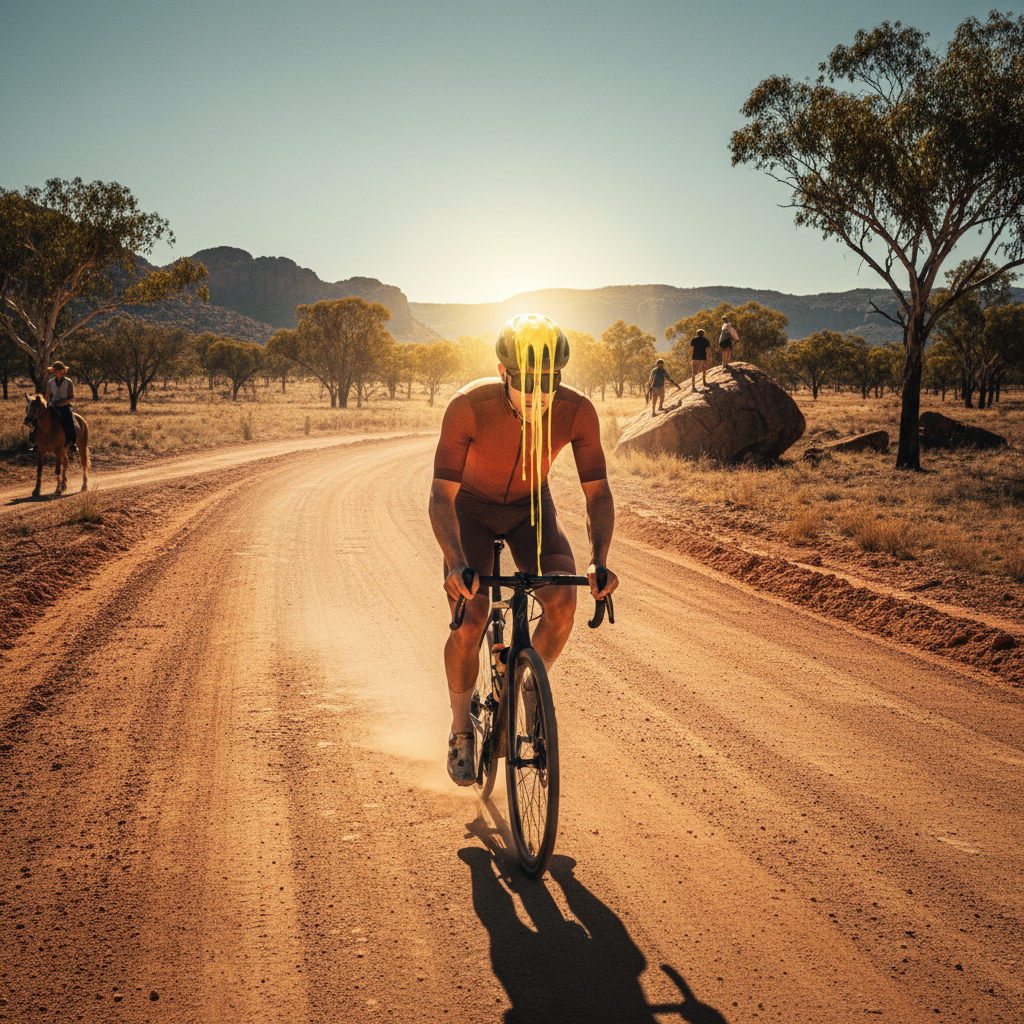
Beat the Heat: Staying Cool on Summer Climbs with Your Helmet (Australian Edition)
Australia. We love our sunshine, our outdoors, and our cycling. But when summer rolls around, those epic climbs can turn from a challenge into a sauna. Pushing hard uphill in 30-plus degree heat, with the UV index soaring, is a recipe for discomfort and, frankly, danger if you're not prepared. Your helmet, a crucial piece of safety gear, can sometimes feel like a personal furnace adding to the problem. But it doesn't have to be a one-way ticket to overheating. This isn't about fancy gadgets; it's about smart, practical strategies for Aussie cyclists looking to stay cool and safe on their summer ascents.
The Helmet Conundrum: Sweat and Sunshine
Let's face it, helmets are designed for protection, not necessarily for optimal ventilation in extreme heat. The foam absorbs heat, and the shell traps it. Add to that the sweat that inevitably pours off your scalp, and you've got a prime environment for feeling like you're boiling from the inside out. Prolonged exposure to high temperatures while cycling, especially when exerting yourself on a climb, can lead to heat exhaustion or even heatstroke. No one wants that cutting short a ride or, worse, leading to a serious medical issue.
Australian summers are notorious. We deal with intense UV radiation that can cause sunburn even on cloudy days, and prolonged periods of high temperatures. The long daylight hours might offer more riding time, but they also mean the sun is beating down for longer.
Common Objections and How to Counter Them
"Helmets are just too hot to wear in summer." This is the biggest hurdle. While true that they trap heat, the risks of not wearing a helmet far outweigh the discomfort. Our advice? Focus on strategies to mitigate the heat trapped by your helmet, rather than ditching it.
"I'll just ride early or late." Great advice for avoiding the worst of the sun, but sometimes your schedule doesn't allow for it. Plus, even early or late rides can still be very warm in the Australian summer.
"I need to feel the airflow to stay cool." Airflow is important, but so is scalp protection. Modern helmets have improved ventilation significantly. It’s about optimising the airflow you do get and managing the heat generated.
Pre-Ride Preparation: Setting Yourself Up for Success
The battle against the heat starts before you even clip in. Smart preparation makes a massive difference.
1. Hydration: Your First Line of Defence
This is non-negotiable. Drink plenty of water in the 24 hours leading up to your ride, not just 30 minutes before. Electrolyte drinks are also your friend, especially on longer or more intense rides, to replace salts lost through sweat. Don't wait until you're thirsty; thirst is already a sign of dehydration.
2. Nutrition: Fueling Without the Extra Heat Load
Opt for lighter meals before and during your ride. Heavy, fat-laden meals can take longer to digest and can contribute to a feeling of internal heat. Think fruits, simple carbohydrates, and easily digestible snacks.
3. Gear Choices: Beyond the Helmet
Light Colours: Choose light-coloured cycling jerseys and shorts. Dark colours absorb sunlight and heat. White, pastels, or bright neons are your best bet.
Wicking Fabrics: Invest in good quality cycling apparel made from technical, moisture-wicking fabrics. These draw sweat away from your skin, allowing it to evaporate and cool you down.
Sunscreen: Apply a high SPF sunscreen to all exposed skin, including your neck, ears, and any parts of your arms and legs that might get sun. Reapply if riding for extended periods.
Minimising Sun Exposure: Consider cycling caps worn under your helmet. These can add a slight buffer, absorb sweat, and provide a bit of extra shade for your forehead when you're off the bike. Look for thin, breathable ones. See our [Products page for some options that pair well with a helmet.]
4. Know Your Limits: Pace Yourself
Understand that on hot days, your body will not perform at the same intensity as it would in cooler weather. Plan your climbs accordingly. Don't go all-out if you're already feeling the heat. Listening to your body is paramount. Check the UV index before you head out – on days with a high UV index, extra precautions are essential.
On the Bike Strategies: Staying Cool During the Climb
Once you're out there, these tactics can help keep the heat at bay as you pedal uphill.
1. The Power of Water (Applied!)
This is your secret weapon. If you have a water bottle with a spray nozzle, use it! A quick spritz of cool water on your face, neck, and wrists can provide instant relief. Even just pouring a little water over your head (inside your helmet, if you can manage it without getting it in your eyes) can make a difference. This is particularly effective on climbs where you're moving slowly but generating a lot of heat.
2. Strategic Helmet Management
Ventilation: Ensure your helmet's vents are clear and that you've positioned it correctly on your head for maximum airflow. Most helmets are designed with vents for a reason – use them to your advantage.
Cooling Headbands/Skull Caps: As mentioned, a thin, moisture-wicking skull cap or headband worn under the helmet can absorb a significant amount of sweat, preventing it from dripping into your eyes and face. It also adds a slight insulating layer, but a well-ventilated helmet can mitigate this.
Head Condemnation (DIY): A simple trick, especially on slower climbs, is to dampen a bandana or a small piece of fabric and place it between your helmet and your head. Ensure it's not too thick or it will negate ventilation. This provides evaporative cooling directly on your scalp. You can re-wet it at water stops or with your bottle.
3. Breathing Techniques
Consciously try to breathe deeply and through your nose when possible. This can help regulate your body temperature more effectively than shallow, rapid mouth breathing. On climbs, focus on smooth, consistent breathing.
4. Periodic Cooling Stops
If possible, incorporate short breaks at shaded spots, especially during longer climbs. Duck under a tree, take a few sips of water, and maybe even splash some cool water on your face and neck. Even a minute or two can help reset your core temperature.
5. Pacing is Key (Again!)
On climbs, resist the urge to go all out if it’s scorching. Maintain a steady rhythm you can sustain. If you feel yourself overheating, ease up. It's better to reach the top feeling tired but safe than to push too hard and risk heatstroke. This is where understanding your personal capabilities and the environmental conditions is vital. On a 40km climb in the Aussie summer, your pace will be different to a cool autumn day.
Post-Ride Recovery: Cooling Down and Rehydrating
Don't neglect the after-ride period. This is when your body works to return to normal.
1. Immediate Rehydration
Continue drinking water and electrolyte drinks. Your body will need to replenish fluids lost during the ride.
2. Cool Down (Literally)
Once you're home, have a cool shower. Don't make it ice-cold; a lukewarm to cool shower is best for gradually lowering your body temperature.
3. Post-Ride Nutrition
Replenish your energy stores with a balanced meal. Focus on carbohydrates and protein to aid recovery.
Quick Checklist for Summer Climbs:
[ ] Hydrate well 24 hours prior.
[ ] Apply high SPF sunscreen.
[ ] Wear light-coloured, wicking cycling gear.
[ ] Consider a thin skull cap or cycling cap under your helmet.
[ ] Ensure helmet vents are clear and well-positioned.
[ ] Carry sufficient fluids, including electrolytes.
[ ] Pace yourself on climbs; don't push to your absolute limit.
[ ] Use water to cool your skin and head.
[ ] Take short breaks in shaded areas if possible.
[ ] Listen to your body; stop or slow down if feeling unwell.
Advanced Techniques & Considerations:
Helmet Brim (DA BRIM): Some cyclists find a helmet brim designed to extend the coverage of their helmet can offer additional shade to the face and neck, reducing direct sun exposure. This can contribute to feeling cooler by blocking some of the sun's radiant heat. If you're interested in how these attach and their benefits, check out our How to Install guide.
Electrolyte Tablets/Chews: Easy to carry and a quick way to top up on essential salts during longer or hotter rides.
- Cooling Towels: A specialty item, but a cooling towel soaked in water can provide extended evaporative cooling when draped around the neck (off the bike or during very short stops).
Final Thoughts
Conquering those summer climbs in Australia means being prepared. Your helmet is your most important safety feature, and by employing these practical strategies, you can significantly improve your comfort and safety. It's about managing your body's heat and the environmental conditions, not just hoping for the best. Stay hydrated, dress smart, and listen to your body. Happy climbing!
For more tips and product recommendations, visit our Products page or browse our Blog for other cycling advice. If you have specific questions about gear or fitting, our FAQ is a great resource.