
Beat the Heat: Staying Cool on Summer Climbs While Wearing Your Helmet
Climbing in the Australian summer can feel like a furnace. Learn practical ways to manage heat and stay protected under your helmet.
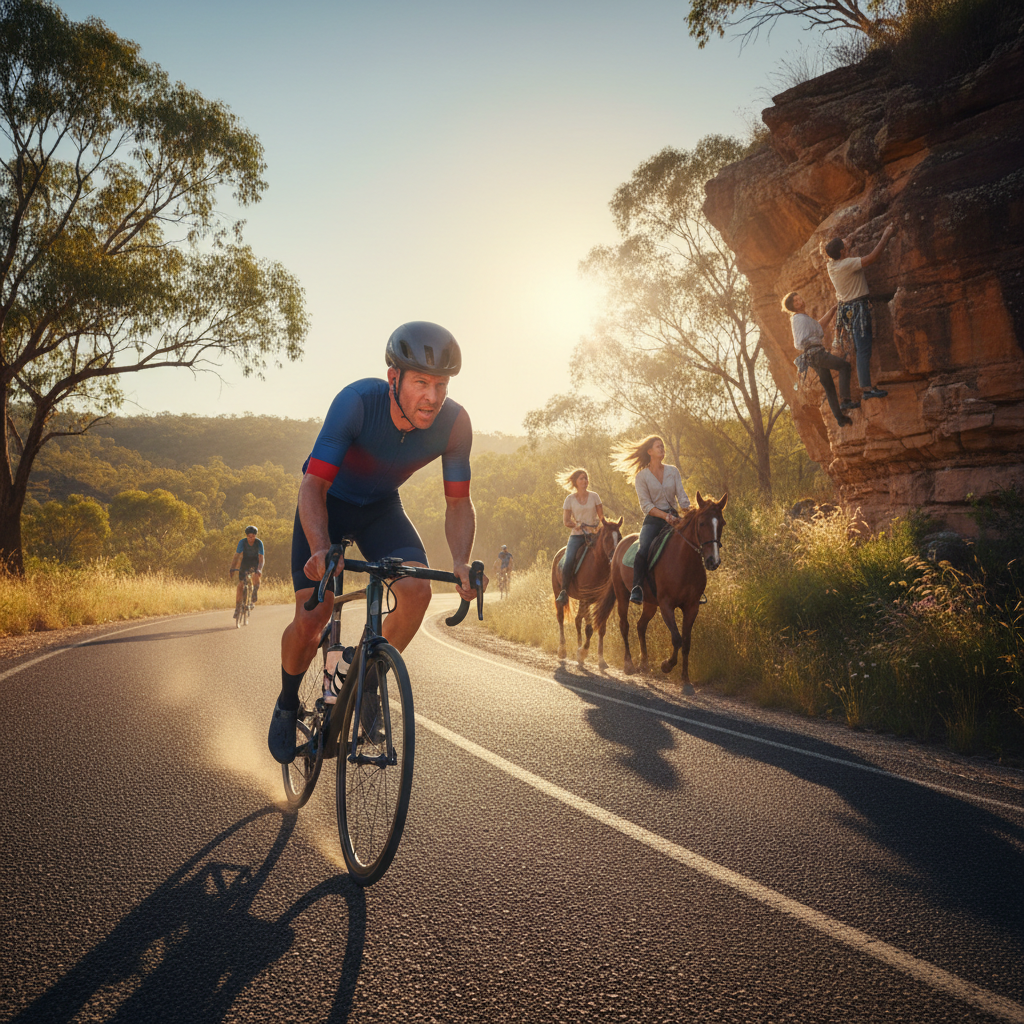
Beat the Heat: Staying Cool on Summer Climbs While Wearing Your Helmet
Australian summers are brutal. When the UV index is high and the mercury climbs, tackling a steep climb on your bike can feel like riding through a hot oven, especially with a helmet on. It's easy to think that removing your helmet is the answer to cooling down, but it’s a dangerous proposition. Your helmet is your most important piece of safety gear, and compromising on protection for a few degrees of coolness is never worth it. This guide is about practical, no-nonsense strategies to keep you from overheating on those tough summer ascents without sacrificing your safety.
We’re talking about long days, intense sun, and sweat. You need to balance staying protected with staying operational. Forget fancy gadgets that don't work; let's focus on what actually makes a difference.
The Sweat Problem and Your Helmet
Sweat is your body’s natural cooling system. When sweat evaporates from your skin, it draws heat away. The problem with helmets is they can impede this process. They trap heat and can block airflow, making it harder for that precious sweat to do its job. This leads to a build-up of heat, making climbs feel harder and increasing the risk of heat exhaustion.
Many cyclists think removing their helmet is the only solution. This is a bad idea. In Australia, the sun's UV rays can be incredibly damaging. Direct sun exposure to your scalp and head significantly increases your risk of sunburn and long-term skin damage, including melanoma. A helmet also protects your head in case of an accident. The risk of a crash is always present, and the protection a helmet offers is non-negotiable. compromise your safety for a temporary cooling effect.
So, how do we manage the heat while keeping that lid firmly on?
The Real Deal on Helmet Ventilation
Modern helmets have come a long way. The number and size of vents are designed to maximise airflow. However, even the best-ventilated helmet can feel like a personal sauna on a 35°C climb. The effectiveness of vents depends on rider speed. At climbing speeds, there's often not enough air moving through the vents to make a significant difference.
What you can do:
Choose wisely: When buying a new helmet, look for models with large, strategically placed vents. Some helmets also feature internal channeling designed to improve airflow over your head. This is something to consider when you next look to upgrade your safety gear. Check out our range of Products to see options focused on ventilation.
Keep vents clear: Ensure there's nothing blocking your helmet vents – stray hair, sweatbands, or even dirt. A quick once-over before each ride is all it takes.
Pre-Ride Preparation: Setting Yourself Up for Success
Cooling on the climb starts before you even pedal. Being proactive is key.
Hydration is King (and Queen)
This cannot be stressed enough. Dehydration is a fast track to heatstroke and significantly reduces your body's ability to regulate temperature. Start hydrating well before your ride. Don't just chug water in the hour before; sip throughout the day.
Electrolytes: For longer or more intense rides, especially in the heat, consider electrolyte drinks or tablets. They help your body retain fluid and replenish salts lost through sweat.
Carry enough: Plan your route to include water stops if you don’t have enough capacity on your bike. Relying on finding a shop open on a quiet country road can be a gamble.
Strategic Timing
This is the simplest and most effective strategy. If you can, avoid the hottest part of the day. Early mornings or late afternoons are your friends. Australian summers mean the sun is intense from around 9 am to 4 pm. Planning your rides outside this window makes a massive difference.
Clothing Choices
While you can't change your helmet, you can control what you wear underneath and over it.
Light colours: Light-coloured cycling jerseys reflect sunlight, keeping you cooler than dark colours.
Breathable fabrics: Opt for moisture-wicking fabrics that draw sweat away from your skin.
Under-helmet liners: A thin, moisture-wicking skullcap or cycling cap can help manage sweat. It wicks sweat away from your forehead into the cap, rather than dripping into your eyes. It also provides a slight barrier between your head and the helmet padding, potentially improving comfort. Many casual cycling caps are designed for this purpose. You can find some useful accessories in our Products section.
On the Climb: Tactics to Stay Cooler
Once you're on the road and the climb begins, here are practical steps to manage your internal temperature.
The Ice Towel Trick (Pre-Ride and Mid-Ride)
This is a simple yet highly effective method. Before you leave, soak a small, thin towel or bandana in ice-cold water. Wring it out so it’s damp but not dripping. Drape it over your neck or shoulders. Alternatively, keep it in a ziplock bag in your jersey pocket. During a tough climb, or during a break, you can pull it out and place it on your neck or forehead to cool down rapidly. The evaporation from the damp cloth helps cool the blood flowing through your arteries in your neck.
Slow and Steady Wins the Race
Pushing too hard, too soon, generates excessive body heat. On climbs, even if you feel good, pacing yourself is crucial. Aim for a sustainable effort. This not only conserves energy but also prevents your core temperature from skyrocketing. Think about your breathing – deep, controlled breaths help.
Strategic Water Spritzing
Carry a small, reusable spray bottle filled with water. During a climb, especially if you stop for a moment, a light spritz of cool water on your face, neck, and arms can provide immediate relief. As the water evaporates, it cools your skin. Don’t overdo it, as you don’t want to get hypothermic in cooler descending sections, but a controlled application can be a lifesaver.
Embrace the Wind (When Available)
On descents, or even on flatter sections after a climb, make the most of the airflow. Lower your head slightly (while maintaining visibility and control) to allow more air to pass over and through your helmet vents. This is where good helmet ventilation truly shines.
Advanced Cooling & Management Strategies
For those who regularly face brutal Australian conditions, consider these.
Pre-Cooling
Before a ride, especially a challenging one scheduled for a hot day, spend 10-15 minutes with a cool towel on your neck or wearing a damp cycling cap. You can even sit in a slightly cooler room or garage before heading out. This helps lower your core body temperature before you exert yourself.
Cool Showers Post-Ride
While not a direct climbing tactic, finishing a ride with a cool shower is essential for recovery and helps bring your core temperature back down. It also washes off the accumulated sweat and grime, reducing the risk of skin irritation under your helmet.
Understanding Heatstroke vs. Heat Exhaustion
It's vital to know the difference, as recognising the signs can save your life or someone else’s.
Heat Exhaustion Symptoms:
Heavy sweating
Cold, pale, clammy skin
Fast, weak pulse
Nausea or vomiting
Muscle cramps
Tiredness or weakness
Dizziness
Headache
Fainting
Heatstroke Symptoms (Medical Emergency):
High body temperature (around 40°C or higher)
Hot, red, dry or damp skin
Fast, strong pulse
Throbbing headache
Dizziness
Nausea
Confusion
Loss of consciousness
If you suspect heatstroke, seek immediate medical attention. For heat exhaustion, move to a cooler place, loosen clothing, apply cool, damp cloths, and sip water.
Helmet Maintenance for Optimal Cooling
Your helmet’s effectiveness isn't just about its design; it's also about its condition.
Cleaning Your Helmet
Pads: The internal padding absorbs sweat and can become a breeding ground for bacteria and odour. Most helmet pads are removable and can be hand-washed with mild soap and water. Allow them to dry completely before reinserting.
Straps: Wipe down the straps to keep them clean and comfortable against your skin.
Shell: A damp cloth is usually sufficient for cleaning the helmet shell. Avoid harsh chemicals that could damage the materials.
Keeping your helmet clean ensures maximum comfort and hygiene, contributing to your overall well-being on the bike.
Common Objections and Their Solutions
Objections:
1. "I'll just take my helmet off on the particularly steep parts to get more air."
Solution: As discussed, this is dangerous. Australian UV is intense. You risk severe sunburn and long-term skin damage. More importantly, a fall is possible, and your head will be unprotected. Use the cooling strategies mentioned (water, hydration, pacing) instead.
2. "My helmet just adds too much heat; it’s unbearable."
Solution: While it contributes, the helmet is essential safety. Focus on managing heat around the helmet. Pre-cooling, hydration, clothing, and strategic breaks are your allies. Consider a helmet with better ventilation if yours is old or poorly designed. Check out Products for updated options.
3. "I’m too sweaty in my helmet; it's all over my face."
Solution: This is where an under-helmet liner or a cycling cap becomes invaluable. It’s designed to channel sweat away from your eyes. Also, ensure your helmet’s internal padding is clean and wicking. See How to Install for tips on ensuring a good fit that complements ventilation, and visit our FAQ for more common questions.
4. "I don't have time for all these extra steps."
Solution: These are practical, time-efficient strategies. Hydration starts the day before. A quick spray bottle is easy to carry. Strategic timing of your ride saves you from the worst of the heat. These aren't arduous tasks; they are smart cycling habits.
Your Summer Climbing Checklist
Here’s a quick rundown to keep in your mind before and during your next hot ride:
[ ] Hydrate: Start the day before and continue during. Add electrolytes for longer rides.
[ ] Timing: Ride early morning or late afternoon to avoid peak heat.
[ ] Clothing: Light colours, breathable fabrics.
[ ] Under-helmet: Thin, moisture-wicking cap or liner.
[ ] Ice Towel: Pre-ride or for mid-ride cooling.
[ ] Water Bottle: Carry enough and a small spray bottle for cooling.
[ ] Pacing: Don't go all out on the climb; manage your effort.
[ ] Helmet Check: Ensure vents are clear and padding is clean.
[ ] Listen to your body: Recognise signs of heat exhaustion.
Conclusion
Conquering Australian summer climbs doesn't mean sacrificing your safety for comfort. By implementing these practical strategies – focusing on proactive preparation, smart tactics on the bike, and understanding your body's needs – you can manage the heat effectively. Always wear your helmet. It's your most crucial piece of gear. For more advice on gear and best practices, explore our Blog and Products.
Stay cool, stay safe, and enjoy the ride.