
Beat the Heat: Staying Cool on Summer Climbs in Your Helmet
Conquer scorching Australian summer climbs without overheating. Practical strategies for helmet wearers to stay cool, comfortable, and sun-safe.
Beat the Heat: Staying Cool on Summer Climbs in Your Helmet
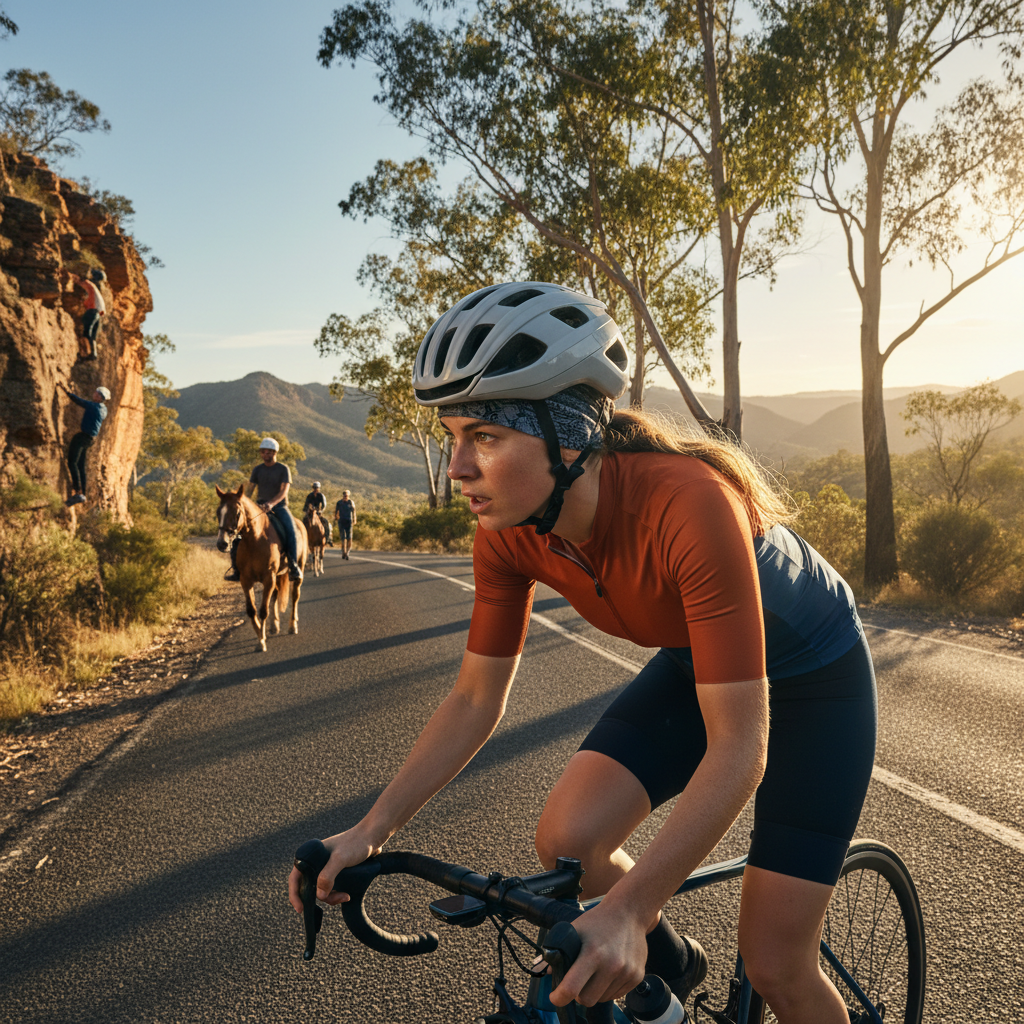
Summer in Australia means long days, scorching UV rays, and plenty of epic cycling. But for those of us who love to climb, those same conditions can turn a dream ride into a sweaty, uncomfortable slog. The good news? You don't have to suffer. With the right approach, you can stay cool, comfortable, and protected while tackling those summer ascents.
The Helmet Paradox: Essential Protection vs. Heat Trap
Your helmet is non-negotiable. It's your brain's best mate on the road, especially with Australia's intense UV index. But let's be honest, on a hot day, it can feel like a personal sauna attached to your head. The airflow designed to keep you cool can also trap heat and sweat, making climbs feel harder than they need to be.
This guide is about practical, no-nonsense advice for helmet wearers. We're not about fancy gadgets; we're about smart strategies to manage heat on those demanding summer climbs. Because suffering isn't a requirement for success.
Understanding the Heat:
When you're working hard on a climb, your body generates a significant amount of heat. To prevent overheating, your body sweats. This is your natural cooling system. However, several factors can hinder this process, especially when wearing a helmet:
Ambient Temperature: On hot Australian days, the air itself is already close to your body temperature, making it harder for heat to dissipate.
Humidity: High humidity reduces the effectiveness of evaporative cooling – sweat doesn't evaporate as quickly, leaving you feeling sticky and hotter.
Sun Exposure: Direct sunlight on your helmet and body adds radiant heat, further increasing your thermal load.
Helmet Design: Not all helmets are created equal when it comes to ventilation. Some older or more basic designs can act like heat traps.
Effort Level: The harder you push, the more heat your body produces.
Your Heat Management Toolkit:
Mastering summer climbs is about managing your body's heat. Here's your practical toolkit:
1. Pre-Ride Preparation:
Hydrate, Hydrate, Hydrate: Start hydrating the day before your ride. Drink plenty of water, and consider adding electrolytes, especially if you sweat a lot. Don't wait until you're thirsty – that's already a sign of dehydration.
Timing is Key: If possible, ride in the cooler parts of the day. Early morning or late afternoon are your best bets. This is crucial for those long Australian summer days where the peak heat can be brutal.
Pre-Cooling (Optional but Effective): Some athletes find success with pre-cooling techniques. This could involve a cold shower or consuming icy drinks before your ride to lower your core body temperature. Experiment to see what works for you.
2. During the Ride: Smart Strategies for Climbs
This is where the real work happens. You need to actively manage your heat while pedaling.
Pacing is Paramount: Don't go out too hard. On a climb, it's tempting to attack, but on a hot day, this is a recipe for disaster. Ease into it. Find a sustainable rhythm that allows your body to manage heat.
Strategic Hydration: Sip your fluids regularly, not gulps. Aim for small, frequent sips to keep your body functioning optimally. Your water bottle choice matters – insulated bottles can keep your drinks cooler for longer.
Leverage the Wind (When Available): Descend or ride on flatter sections to get airflow. This is your body's natural cooling system kicking into gear. Use these moments to recover slightly before the next ascent.
Helmet Cooling Aids: This is where you can make a big difference to your comfort:
Sweatbands: A good quality, moisture-wicking sweatband worn under your helmet can make a huge difference in managing sweat dripping into your eyes. Look for ones designed for intense activity.
Cooling Towels: Dampening a cooling towel (a specialised fabric that stays cool when wet) and placing it on your neck or forehead during breaks can provide significant relief.
Helmet Brims (Hear me out!): A helmet brim, like the DA BRIM, offers a unique advantage. While it doesn't directly cool your head, it shields your face and neck from direct sun. This reduces your overall radiant heat load, meaning your body has less external heat to contend with. On a scorching day, this can feel like a mini-breather for your head and face, allowing your body to focus on cooling itself through sweat.
3. Post-Ride Recovery:
Rehydrate and Refuel: Continue drinking water and replenish lost electrolytes and carbohydrates.
Cool Down: A gradual cool-down is essential. Avoid jumping straight into an ice bath if you're not used to it. A cool shower or sitting in a shaded, breezy spot is often sufficient.
Objection Handling: Common Doubts
Let's address some common reasons why people might hesitate to implement these strategies:
Objection: "I don't want to carry extra gear."
Reality: We're talking about smart, lightweight additions. A good sweatband is minimal. Insulated bottles are a standard upgrade. A collapsible cooling towel takes up no space. And a DA BRIM is incredibly lightweight and attaches securely to your helmet. The comfort gained often outweighs the negligible weight.
Objection: "My helmet has enough vents; it's fine."
Reality: Even the best-ventilated helmets can struggle on extreme heat days when the ambient temperature is high and the UV index is intense. Adding sweat management and sun protection layers helps your body's natural cooling system work more efficiently by reducing the external heat load and managing sweat.
Objection: "Cooling towels are a gimmick."
Reality: While some products over-promise, specialised cooling towels made from advanced evaporative fabrics genuinely work. They rely on the principle of evaporative cooling – when the water in the fabric evaporates, it draws heat away, creating a cooling sensation. They are a proven, simple technology.
Objection: "Isn't a helmet brim just for shade?"
Reality: Shade is a form of heat management. By blocking direct sunlight from your face and neck, a brim reduces the amount of radiant heat your body absorbs. This is especially beneficial in Australia where the UV levels are high. Less absorbed heat means your body doesn't have to work as hard to cool down, making climbs feel less intense.
Practical Tips for Helmet Comfort:
Here’s a quick-fire checklist to ensure your helmet experience is as cool as possible:
[ ] Check your helmet's ventilation: Ensure vents are clean and clear of debris.
[ ] Invest in a good sweatband: Choose one made from moisture-wicking material.
[ ] Consider a helmet liner/cap: A thin, moisture-wicking cap can absorb sweat before it reaches your band or drips into your eyes.
[ ] Dampen your helmet liner/sweatband: A quick splash of water before a tough climb can provide temporary cooling.
[ ] Hydrate proactively: Don't wait until you're thirsty.
[ ] Pace yourself on climbs: Avoid burning out early.
[ ] Use cooling towels on breaks: Especially effective for neck and forehead.
[ ] Accessorise wisely: Look into options like a DA BRIM to reduce sun exposure.
Step-by-Step: Implementing a Cooling Strategy for Your Next Climb
Let's put it into action. Here’s a simple plan for your next challenging summer climb:
Before the Ride:
1. Hydrate: Drink 500ml-1L of water in the 2-3 hours leading up to your ride. Add electrolytes if you're a heavy sweater.
2. Prepare Gear: Ensure your water bottles are filled. Pack a small, foldable cooling towel.
3. Choose Your Time: Aim for an early morning start.
During the Ride (Approaching and On the Climb):
1. Pre-Climb Hydration: Take a good sip of water before you start ascending.
2. On the Climb:
Maintain a steady, sustainable pace.
Take small, frequent sips of water.
If you have a DA BRIM, ensure it's positioned to maximise shade for your face and neck.
When you reach the summit or a brief respite, deploy your cooling towel. Dampen it, wring it out, and place it on your neck and/or forehead. A few minutes of this can make a significant difference.
3. Recovery Section: Use any downhill or flat sections to catch your breath, sip water, and let the airflow cool you down before the next effort.
After the Ride:
1. Rehydrate: Continue drinking water and consider a recovery drink.
2. Cool Down: Have a cool shower to aid your body's recovery and temperature regulation.
The Australian Context: UV and Heat
We live in a beautiful country, but it comes with extreme conditions. The Australian sun, particularly during summer, can deliver a formidable UV index that demands respect. Long hours of daylight mean prolonged exposure. Your cycling helmet is your first line of defence against this dangerous radiation. But managing the heat* generated by your body, amplified by the sun and your effort, is crucial for performance and enjoyment. Simple, practical additions and smart riding habits are often more effective than expensive, specialised gear. Don't let the heat dictate your ride. With a few proactive steps, you can conquer those summer climbs.
Where to Find Your Gear:
Looking for solutions to stay cool and protected? Explore our range of cycling accessories designed to enhance your comfort and safety. You can find everything you need to tackle those summer rides at our online store: visit our Products page. Not sure how to get the best out of your gear? Check out our installation guides, such as How to Install, or consult our comprehensive FAQ for answers to common questions. For more cycling tips and insights, head over to our Blog.
Stay cool, ride safe, and enjoy the summer climbs!