
Beat the Heat: Staying Cool on Summer Climbs in Your Helmet
Don't let summer heat roast you on your next climb. Learn practical, no-nonsense strategies for staying cool and comfortable in your helmet during Australian summer rides. Plus, how to mitigate sunburn and heat stress.
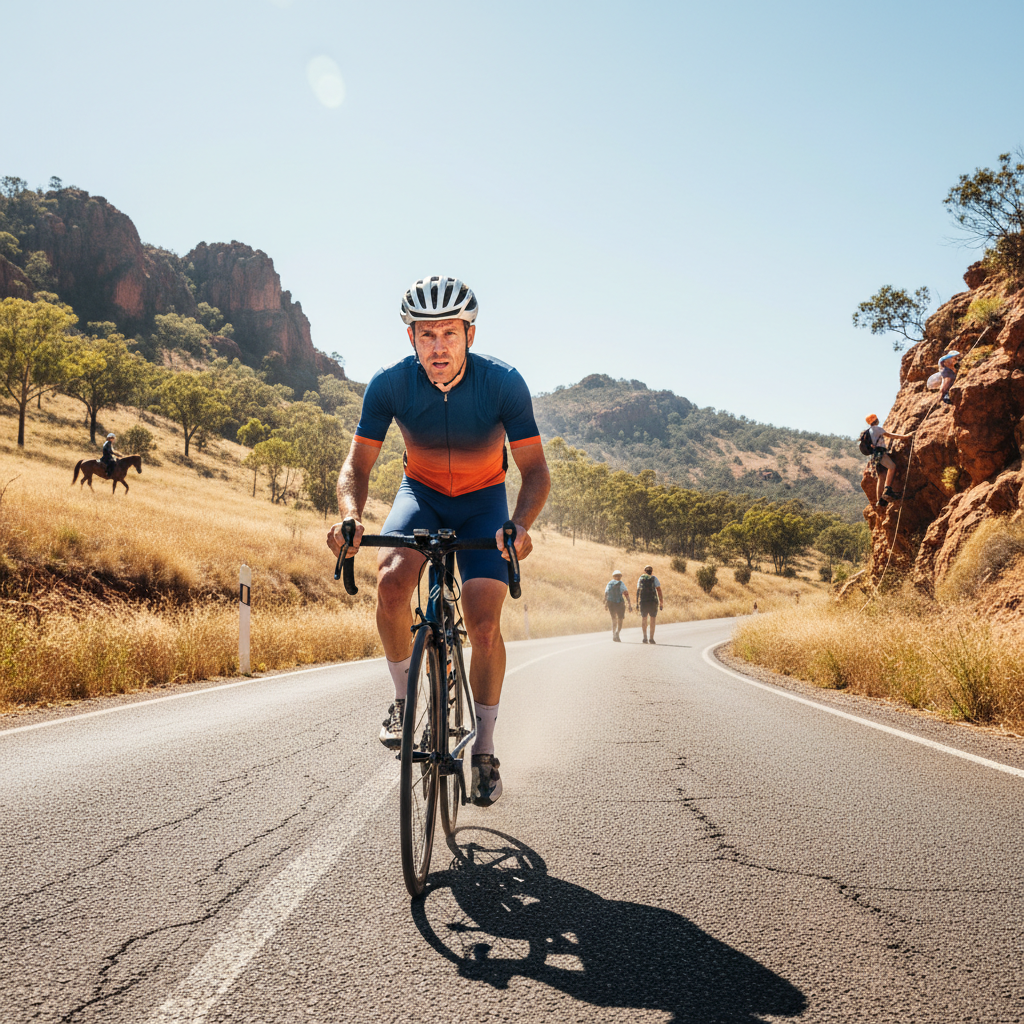
Beat the Heat: Staying Cool on Summer Climbs in Your Helmet
Australian summers are brutal. Long, hot days, relentless UV, and challenging climbs can turn a great ride into an uncomfortable ordeal, and worse, a dangerous one. If you wear a helmet – and you absolutely should – you already know it can feel like a personal sauna when the mercury rises. But it doesn't have to be this way. This guide is about practical, no-B.S. strategies to keep you cool on those gruelling summer climbs, protect you from the sun, and manage heat stress.
The Helmet Heat Trap: Why It Happens
Your helmet is designed for safety. Crucially, it needs to be robust and enclose your head. This design, while essential, inherently limits airflow. In summer, particularly on slow, steep climbs, this lack of ventilation becomes a major issue. Heat generated by your body has nowhere to go, building up around your head. This leads to increased sweating, reduced performance, and a higher risk of heat-related issues.
Adding to the problem is the direct sun beating down on the helmet's surface. While some helmets have vents, they often aren't enough when you're pushing hard and moving slowly. The sun's radiant heat further exacerbates the internal build-up. And let's not forget the UV factor – Australia's UV index can be extreme, meaning even short periods of unprotected sun exposure can lead to severe sunburn, especially on your scalp and neck.
Practical Strategies to Stay Cooler
Forget fancy gadgets that don't work. We're talking about actionable steps you can take right now.
1. Hydration: Your First Line of Defence
This is non-negotiable. Dehydration severely impairs your body’s ability to regulate temperature. You'll sweat less, your blood thickens, and your core temperature rises. Aim for more than you think you need, especially on longer rides or in extreme heat.
Pre-hydrate: Start drinking water well before your ride, not just when you're thirsty.
Sip consistently: Don't chug; take regular small sips throughout your ride.
Electrolytes are key: Plain water is good, but on long, hot rides, you lose essential salts through sweat. Electrolyte drinks or tablets help your body absorb water more effectively and replenish what's lost. Look for options designed for sports and avoid sugary drinks that can dehydrate you further.
Cold water: If possible, use chilled water bottles. Taking a swig of cool water can provide a temporary but welcome internal cooling effect.
2. Strategic Water Use: Cooling From the Outside
Your body loses heat through evaporation. Water is your friend here, not just for drinking.
Dampen your bandana or skullcap: If you wear one under your helmet, soak it in cool water before you set off. As the water evaporates, it draws heat away from your head. Re-soak it at water stops.
Splash water on pulse points: Wrists and neck can help cool your blood before it circulates. This is a quick, temporary fix, but worth it on a brutal climb.
Pour water ON your helmet (carefully): In extremely hot conditions, a quick pour of water over your helmet can provide immediate relief. Be mindful of water runoff into your eyes and ensure it doesn't compromise your vision. This is more of an emergency measure.
3. Gear Choices: More Than Just a Helmet
Your helmet is crucial, but other gear plays a role too.
Helmet liners/skullcaps: A thin, moisture-wicking skullcap or bandana worn under your helmet is vital. It absorbs sweat, preventing it from dripping into your eyes, and can be dampened for evaporative cooling. Choose light colours and breathable fabrics. Check out our Products for options.
Light-coloured clothing: Dark colours absorb more heat. Opt for light, breathable jerseys and shorts to reflect sunlight and allow air to circulate.
Ventilation: While the helmet itself can't be changed easily, the way you use its vents matters. Ensure they are clear of debris. Some helmets are inherently better ventilated than others.
4. Riding Tactics: Work Smarter, Not Harder
How and when you ride makes a massive difference.
Time your rides: If possible, avoid the absolute peak heat of the day (usually 10 am to 3 pm). Early mornings and late afternoons are significantly cooler.
Pace yourself: On steep climbs, you're generating a lot of internal heat. Don't blow up early. Find a sustainable rhythm, even if it's slow. Your body will thank you.
Seek shade: Even brief moments of shade can offer a small reprieve. Plan your breaks, if possible, in shaded areas.
Objection Handling: But My Helmet Is Hot!
This is the most common complaint, and it’s fair. Here’s the reality:
The 'No Helmet' Argument: In Australia, helmets are mandatory for cycling. Period. Riding without one is illegal, dangerous, and not an option. Your focus needs to be on making your helmet work for you, not ditching it.
'It stifles airflow': Yes, it does. That’s why strategies like damp skullcaps and strategic hydration are so effective. They compensate for the inherent limitation. Think of it as a system:
Helmet: Provides protection.
Skullcap/Bandana: Manages sweat and provides cooling medium.
Hydration: Regulates internal temperature.
'It makes me feel sick': This is often heat exhaustion setting in. It’s a sign you need to slow down, hydrate, and cool down. Ignoring it can lead to heatstroke, which is life-threatening.
Sun Safety: Beyond Just Heat
The Australian sun isn't just hot; it's intensely UV. Your helmet might cover most of your head, but your face, neck, and ears are exposed.
Sunscreen is essential: Apply broad-spectrum, high-SPF sunscreen to all exposed skin 20-30 minutes before your ride. Reapply if you're out for extended periods.
Sunglasses: Protect your eyes from UV damage and glare. Look for sunglasses that fit snugly and offer good coverage.
Neck protection: A lightweight, breathable neck gaiter or buff, even just pulled up around your neck, can shield you from the sun. Colours that match your cycling kit are a bonus.
The Da Brim Helmet Brim: For riders who want maximum protection from sun and rain for their face, neck, and ears, a Da Brim helmet brim is a game-changer. It attaches securely to most helmets and provides a wide brim that casts shade. Check out Products for details on how to install your Da Brim using our How to Install guide.
Heat Stress: Recognising the Signs
Understanding and acting on the signs of heat stress is critical for your safety. Heat stress can range from mild discomfort to life-threatening heatstroke.
Mild Heat Exhaustion Symptoms:
Heavy sweating
Cool, pale, clammy skin
Headache
Nausea or vomiting
Fatigue, weakness
Dizziness
Muscle cramps
Severe Heatstroke Symptoms (Medical Emergency):
High body temperature (40°C or higher)
Hot, red, dry or damp skin
Rapid, strong pulse
Throbbing headache
Dizziness
Nausea
Confusion, disorientation
Loss of consciousness
Action Plan for Heat Exhaustion:
Stop cycling immediately.
Move to a cooler, shaded area.
Loosen or remove excess clothing.
Drink cool water or electrolyte drinks slowly.
Sponge or spray yourself with cool water.
Rest.
If you suspect heatstroke, call Triple Zero (000) immediately. Heatstroke is a life-threatening emergency. While waiting for help, try to cool the person down.
Your Summer Climb Checklist
Here’s a quick list to ensure you’re prepared for your next summer ascent:
[ ] Hydrate: Pre-ride, during, and post-ride. Electrolytes included.
[ ] Cooling Gear: Moisture-wicking skullcap or bandana.
[ ] Sun Protection: High-SPF sunscreen, sunglasses, neck protection.
[ ] Helmet Brim: Consider a Da Brim for extended face/neck shade.
[ ] Clothing: Light-coloured, breathable cycling kit.
[ ] Timing: Plan rides for cooler parts of the day.
[ ] Pacing: Don't go too hard, too early.
[ ] Awareness: Know the signs of heat stress.
Conclusion
Conquering summer climbs in Australia is achievable and enjoyable with the right approach. It’s about being prepared, making smart choices about your gear, and listening to your body. Don't let the heat dictate your riding. By focusing on hydration, smart cooling techniques, and robust sun safety, you can tackle those challenging ascents while staying cool, comfortable, and safe. Remember to check our Products section for accessories that can help, and if you have further questions, our FAQ page is a great resource. For more riding tips, explore our Blog.
Stay cool out there!
Table: Heat Management Comparison
| Strategy | Effectiveness (Low Heat) | Effectiveness (High Heat) | Effort Level | Notes |
|---|---|---|---|---|
| Hydration (Water Only) | Moderate | Moderate | Low | Essential, but less effective without electrolytes |
| Hydration (Electrolytes) | Moderate | High | Low | Crucial for prolonged exertion in heat |
| Damp Skullcap/Bandana | Low | High | Low | Maximises evaporative cooling |
| Cooling Skin/Pulse Pts. | Low | Moderate | Low | Temporary relief, but welcome |
| Da Brim Helmet Brim | Moderate (Sun) | High (Sun) | Low | Reduces radiant heat, constant shade |
| Pacing/Riding Time | Low | High | Moderate | Avoids peak heat, conserves energy |
Don't let the heat win. Ride smart, ride safe, and enjoy those summer climbs.