
Beat the Heat: Staying Cool on Summer Climbs in Your Helmet
Summer climbs in Australia can be brutal. Learn practical, no-nonsense strategies to manage heat and stay cool while wearing your helmet, keeping you safer and stronger on every ride. Avoid overheating and sunstroke.
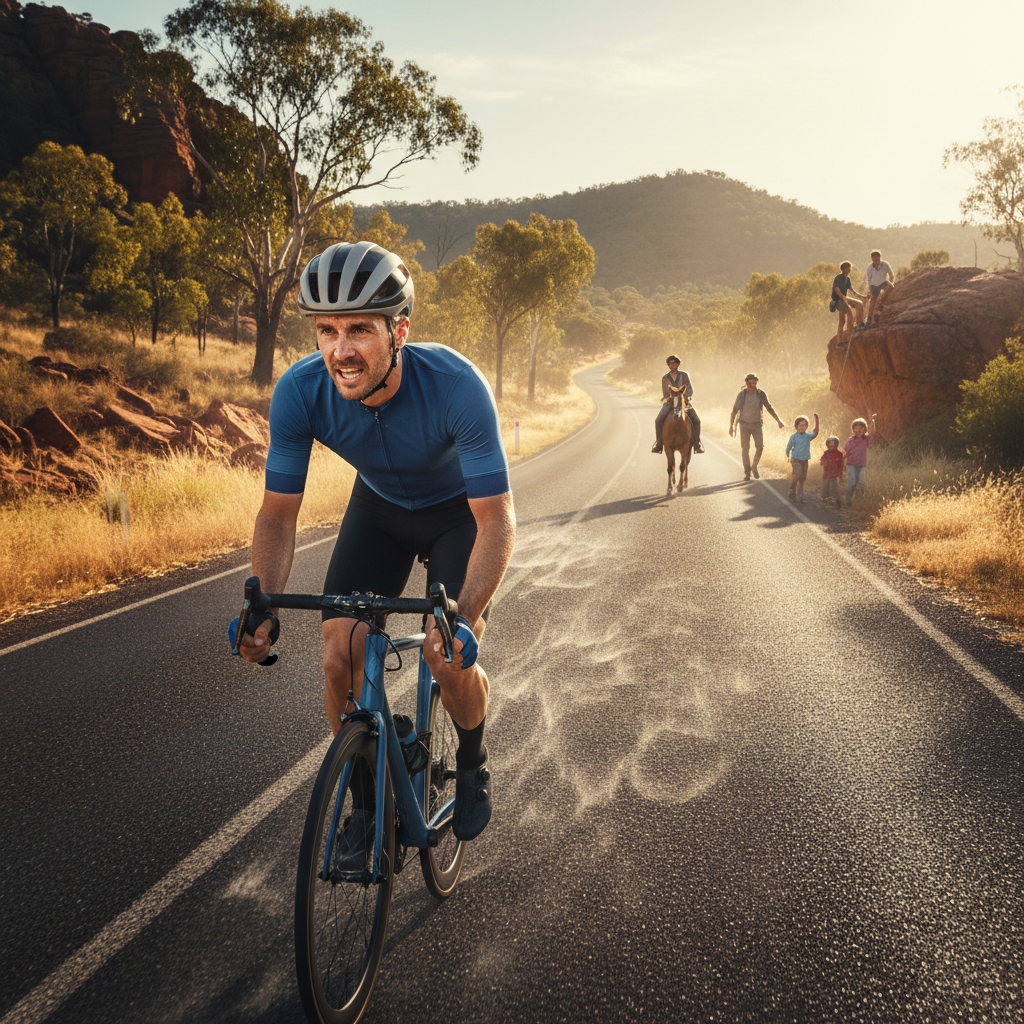
Beat the Heat: Staying Cool on Summer Climbs in Your Helmet
Australian summers are legendary. Long days, intense sun, and the lure of the open road are irresistible. But for cyclists, especially those tackling climbs, those same conditions can turn a fantastic ride into a sweaty battle against overheating. Wearing a helmet is non-negotiable for safety, but it can often feel like wearing a personal sauna.
This isn't about fancy gadgets or expensive additions. This is about practical, tried-and-tested methods to keep your head cool, your focus sharp, and your climbs achievable, even when the mercury climbs. We're talking real-world advice for real-world Australian conditions – high UV index, relentless heat, and the need to stay protected.
The Helmet Conundrum: Safety vs. Comfort
Let's be frank. Helmets are designed for impact protection. While ventilation has improved dramatically over the years, they inherently trap heat. On a flat, fast ride, the airflow can do a decent job of dissipating this. But when you're grinding up a long, steep climb, your exertion levels skyrocket, and the airflow often drops to a crawl. The result? A rapidly rising body temperature and a feeling of being cooked.
Overheating isn't just uncomfortable; it's dangerous. It impairs judgment, reduces performance, and can lead to heat exhaustion or even heatstroke. We need to manage this heat effectively by ensuring our helmet doesn't become a heat trap.
Pre-Ride Preparation: Setting Yourself Up for Success
Before you even clip in, a few crucial steps can make a significant difference to how cool you feel on the bike.
Hydration is King
This is the most critical element, and it's not just about drinking while riding. Start hydrating hours before your ride. Aim for clear, pale urine. Don't wait until you're parched – that's a sure sign you're already behind.
Morning: Drink a large glass of water upon waking.
Pre-ride (2-3 hours): Continue sipping water with electrolytes.
Pre-ride (1 hour): Another good drink, perhaps with a little more salt if you're a heavy sweater.
Sunscreen and Sun Shirts
While your helmet covers your head, your arms, neck, and face are still exposed. Apply a broad-spectrum, sweat-resistant sunscreen generously. Consider wearing a lightweight, long-sleeved sun shirt. Modern cycling apparel is designed to wick sweat and provide UPF protection, keeping you cooler and more protected than bare skin or dark jerseys.
Pre-Cooling Techniques
This sounds fancy, but it's simple. Consuming a cold drink or a cold, wet towel placed on your neck or wrists for a few minutes before you set off can help lower your core body temperature slightly, giving you a small buffer.
Timing Your Ride
If possible, ride early in the morning or late in the afternoon. Avoiding the peak UV hours between 10 am and 3 pm significantly reduces your heat load and sun exposure. We all know those long, golden hour rides are amazing. Plan your challenging climbs for these cooler windows.
On-the-Bike Strategies: Keeping Cool Mid-Climb
Once you're riding, the battle is on. Here's how to fight the heat with your helmet and body.
Harnessing Airflow (When Available)
Even on slow climbs, there's some airflow. Use it.
1. Proper Helmet Fit: A well-fitting helmet, snug but not tight, allows for better airflow through the vents. If your helmet feels loose, it can shift and block vents. Check out our How to Install page for tips on ensuring a secure fit.
2. Helmet Positioning: Ensure your helmet is sitting level on your head, not tilted back or forward, so the vents are positioned to catch and direct air.
3. Keep Vents Clear: Make sure nothing is obstructing your helmet's vents. Sometimes hair, a bandana that's too thick, or even a forgotten label can impede airflow.
Strategic Hydration and Electrolytes
Drinking is paramount. Don't just sip; actively replenish fluids.
Regular Sips: Take small, frequent sips from your bottles rather than gulping large amounts infrequently.
Electrolytes: especially on longer rides or in extreme heat, replace lost salts and minerals. Electrolyte tabs or powders in your bottles are essential. Our Products page has options designed for endurance cyclists.
The Power of Water
This is a game-changer and often overlooked. Keep a spare bottle of plain water or even an ice-filled bottle for strategic cooling.
Douse Yourself: As you approach the summit or a brief flat section, pour water over your head, neck, and wrists. The evaporation will have a significant cooling effect.
Cooling Towel: A small, highly absorbent cooling towel can be soaked and draped around your neck, tucked into your jersey. It's a simple, effective tool.
Managing Your Effort (Pacing)
This is crucial for climbing, but even more so in the heat. Don't go all out from the gun.
Start Conservatively: Begin climbs at a sustainable pace. You can always ramp it up if you feel good.
Listen to Your Body: If you feel yourself getting uncomfortably hot, ease back. It's better to finish hot but safe than hot and DNF'd.
Helmet Brims: A Simple Solution
While helmets are great for impact, they don't offer much in terms of sunshade for your face and neck. This is where a simple addition can make a difference. Many helmets don't come with brims or have very small, often ineffective ones. Adding a supplemental helmet brim, like those designed for cycling helmets, can provide shade for your face and eyes, reducing glare and the direct radiant heat from the sun hitting your forehead. This can make a surprisingly big difference to your perceived comfort and how much you squint.
Check our Products for compatible brims. Installing them is straightforward, as detailed on our How to Install page. It's a small investment for significant comfort improvement.
Post-Ride Recovery: Refuel and Rehydrate
Your job isn't done when you cross the finish line. Proper recovery is vital for preparing for your next ride.
Continue Hydrating: Keep drinking water and electrolytes.
Replenish Nutrients: Eat a balanced meal that includes carbohydrates and protein.
Cool Down: If possible, take a cool shower or bath.
Common Objections and How to Handle Them
“A brim will make my helmet look silly.”
Safety and comfort are paramount. A functional brim, designed to integrate well, won't compromise your helmet's safety and will significantly increase your comfort and reduce sun glare. Function over form when you're pushing your limits.
“I don’t want to sweat more by adding something to my helmet.”
Modern helmet brims are designed to be lightweight and aerodynamic, not to trap heat. In fact, by shading your face directly from the sun and deflecting some radiant heat, they can help reduce the overall heat load on your head and face, potentially making you feel cooler. The primary function is sun protection and a minor deflector of direct light.
“I’ll just take my helmet off when I stop.”
This is a common temptation, especially at aid stations or brief stops. However, it’s a risky habit. Every time you remove your helmet, you lose the protective benefits. Even a short stop where you’re stationary in the sun can cause significant heat buildup. Plus, the habit can lead to forgetting to put it back on or putting it on incorrectly. Stick to keeping it on.
“My helmet has enough vents; I don’t need anything else.”
Helmets have vents, and they're crucial. But as we’ve discussed, on slow climbs, vent effectiveness drops. Vents deal with the heat generated within the helmet. A brim primarily deals with the external heat from the sun beating down directly on your face and eyes, reducing glare and radiant heat. It's a different type of protection and comfort.
Your Summer Climbing Checklist
Here’s a quick rundown to ensure you’re prepared for your next hot climb:
[ ] Hydration Plan: Start hydrating long before the ride.
[ ] Electrolytes: Pack enough for the duration.
[ ] Sunscreen: Apply liberally and reapply if needed.
[ ] Sun Shirt (Optional but recommended): Lightweight, UPF rated.
[ ] Helmet: Check fit and ensure vents are clear.
[ ] Helmet Brim (Recommended): For added facial shade and comfort.
[ ] Spare Water Bottle: For strategic dousing.
[ ] Pacing Strategy: Don't go out too hard.
[ ] Post-Ride Recovery: Rehydrate and refuel.
Table: Heat Management Tools and Their Purpose
| Tool/Strategy | Primary Benefit in Heat | Considerations |
|---|---|---|
| Hydration | Regulates body temperature, prevents dehydration. | Continuous intake, electrolyte replacement crucial. |
| Electrolytes | Replaces lost salts and minerals, aids hydration. | Essential for long or very hot rides. Too much can cause issues. |
| Helmet Vents | Facilitates airflow to dissipate internal heat. | Effectiveness reduced at low speeds. Must be clear and helmet must fit properly. |
| Helmet Brim | Shades face and eyes from direct sun, reduces glare. | Adds minimal weight, no negative impact on ventilation. Improves comfort. |
| Cooling Towel | Evaporative cooling on neck/wrists. | Requires water to soak. Can become heavy when wet. |
| Strategic Dousing | Evaporative cooling of head and neck. | Requires spare water. Most effective on arrival at a stop or when speed allows evaporation. |
| Pacing | Manages exertion and internal heat generation. | Crucial for endurance and preventing overheating. Listen to your body. |
Conclusion: Conquer the Climb, Stay Cool
Conquering Australian summer climbs while wearing a helmet is entirely achievable. It requires mindfulness, preparation, and smart strategies. By focusing on hydration, utilizing effective cooling techniques, and ensuring your helmet works for you (not against you!), you can transform challenging rides into enjoyable experiences.
Don't let the heat dictate your rides. Equip yourself with knowledge, the right gear from our Products section, and a positive attitude. Check out our FAQ for more common questions and explore our Blog for more cycling tips.
Ride smart, ride safe, and most importantly, ride cool.