
Beat the Heat: Staying Cool on Summer Climbs
Don't let the Australian summer sun derail your climbs. This guide offers practical, no-nonsense advice for cyclists to stay cool, comfortable, and safe.
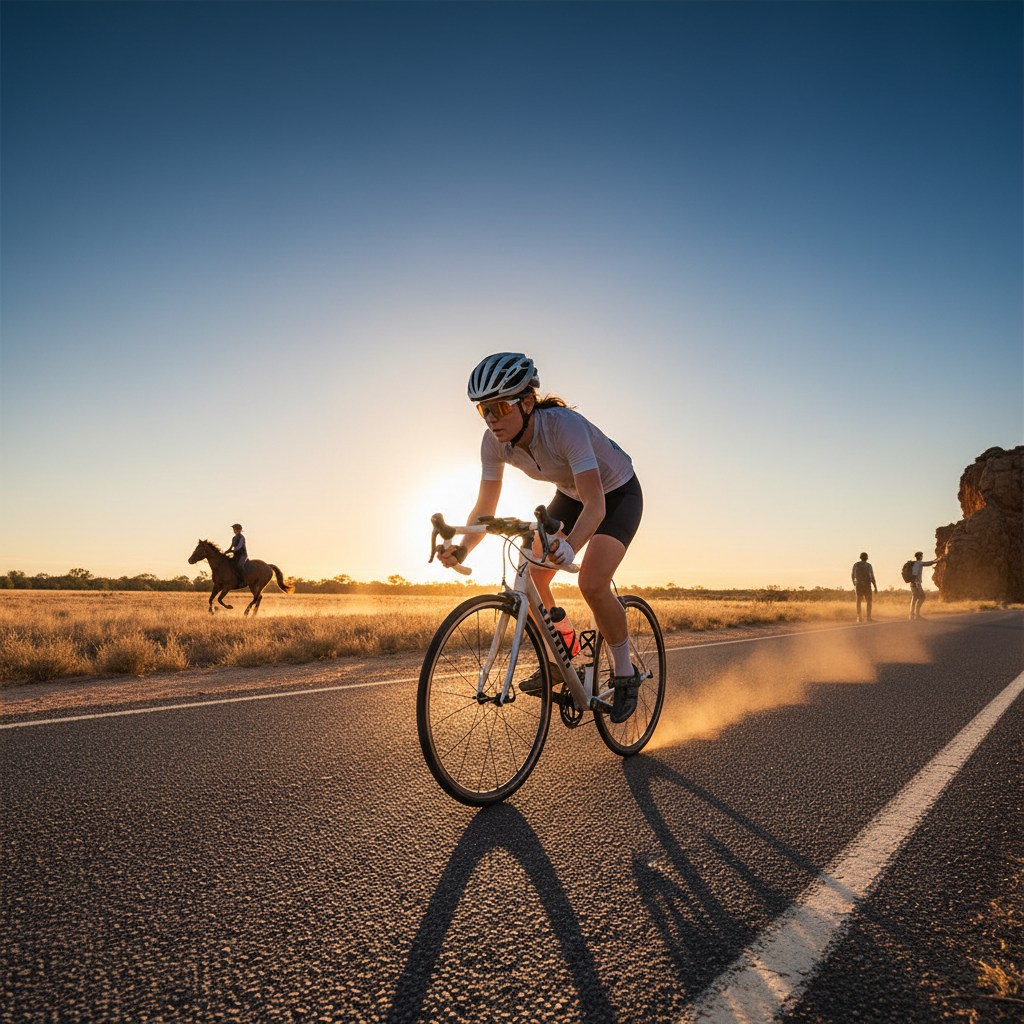
Beat the Heat: Staying Cool on Summer Climbs
Australian summers are legendary. Long days, bright sunshine, and often, brutal heat. If you're a cyclist who loves getting out on the road, tackling those climbs can feel like riding through an oven. But it doesn't have to be a miserable experience. This is your practical guide to staying cool, comfortable, and most importantly, safe, during your summer rides.
We're not talking about fancy gadgets or unrealistic solutions. This is about smart choices, preparation, and using the gear you have effectively. Let's get straight to it.
The Problem with Climbing in the Heat
Climbing inherently means working hard. Your body generates a lot of heat. In summer, this internal heat is amplified by external conditions. When you're climbing, your speed drops, meaning less airflow through your helmet. This is where the trouble starts:
Overheating: Your body struggles to dissipate heat, leading to fatigue, reduced performance, and potential heatstroke.
Dehydration: You sweat more, losing vital fluids and electrolytes.
Sunburn: Exposed skin, and even areas under your helmet, can suffer from prolonged UV exposure.
Discomfort: Simply put, it's unpleasant and can make you dread your rides.
Practical Strategies for Cooler Climbs
Forget trying to magically lower your core temperature. It's about managing the heat load and maximising your body's natural cooling mechanisms.
1. Hydration is Non-Negotiable
This is the foundation. Dehydration massively impairs your body's ability to regulate temperature. Fancy sports drinks are fine, but plain water is king. Start hydrating before you even leave the house. Don't wait until you're thirsty. Electrolyte supplements can be useful on very long or intense rides, but for most sessions, water will suffice.
Pre-ride: Drink 500ml-1 litre in the hours leading up to your ride.
During the ride: Sip consistently. Aim for at least one bottle per hour, more if it's scorching.
Post-ride: Continue to replenish fluids. Your body will thank you.
2. Timing is Everything
This is the easiest win, but often overlooked. Riding in the peak heat of the day is asking for trouble. Australian sun can be incredibly intense, and the UV index can be high even outside of the hottest midday hours. Plan your rides for the cooler parts of the day.
Early Morning: Start before the sun really cranks up. The air is cooler, and you beat the worst of the UV.
Late Afternoon/Evening: If you can manage it, an evening ride can also be significantly more pleasant. Be mindful of fading light and visibility.
3. Smart Nutrition
What you eat impacts your body's ability to cope with heat. Heavy, fatty meals can increase your metabolic heat. Lighter, easily digestible foods are better. Consider foods with high water content like fruits.
4. Clothing Choices
Lightweight, breathable cycling kit is crucial. While your helmet is a key piece of gear, the rest of your attire matters too.
Colours: Lighter colours reflect sunlight, darker colours absorb it.
Fabric: Moisture-wicking fabrics move sweat away from your skin, where it can evaporate and cool you.
5. Gear Up for the Sun: Your Helmet and Beyond
Your helmet is your shield, but in summer, it can also be a heat trap. We need to address this directly.
The 'No-Brim' Objection
Many cyclists worry about sun glare or the discomfort of a hot helmet. The common assumption is that a helmet without a brim is the only comfortable option. This is a flawed assumption. In fact, a well-designed brim can be a significant advantage.
Objection: "Helmets without brims let in more air and keep me cooler."
Reality Check: While some helmets have more vents than others, the design of the vent and the area covered is more critical than just the number. More importantly, a brim can significantly reduce sun glare, which can be incredibly distracting and fatiguing on climbs, forcing you to squint or look down more often. This distraction itself can make the climb feel harder. Furthermore, it shields your face from direct sun, reducing heat absorption on your forehead and scalp.
Objection: "Brims catch the wind and slow me down."
Reality Check: A properly designed brim, like those found on our Products, is aerodynamically considered. It's not a sail. For the speeds achieved on most climbs, aerodynamic drag from a well-designed brim is negligible compared to the benefits of sun protection and glare reduction. The focus on climbing is usually power output, not aerodynamics.
Objection: "Brims are only for mountain biking."
Reality Check: This is a misconception. While brims are standard on mountain bike helmets for trail debris, their utility for sun and glare protection extends perfectly to road cycling, especially in harsh Australian conditions where UV is a constant and serious threat.
The DA BRIM Advantage
Our Products are designed to enhance your cycling experience in all conditions, especially the harsh Australian sun. Here's how a DA BRIM helmet brim helps you stay cooler and safer on climbs:
Reduced Sun Glare: Most importantly, it stops the sun from directly hitting your eyes. This allows you to maintain better vision and focus on the climb, making it feel less taxing. Less squinting equals less fatigue.
Shade for Your Face: Your forehead and scalp are exposed to direct sun. A brim provides shade, reducing the radiant heat hitting these areas.
Protection from Incidental Sun: When you're climbing, you often look upwards more (at turns, for instance). A brim provides a degree of protection from sun that might otherwise sneak in.
Ventilation Still Matters: While the brim provides shade, the helmet itself still needs good ventilation. Look for helmets with ample, well-placed vents. The DA BRIM is designed to work with your helmet's airflow, not against it. It doesn't block vents; it complements them.
6. Managing Effort
On hot days, your perceived exertion will be higher. Riding at your absolute limit is a recipe for overheating. Ease back slightly, focus on maintaining a sustainable rhythm.
Preparing for Your Summer Climb: A Checklist
Here’s a quick, no-nonsense checklist to ensure you’re ready:
[ ] Check the Weather: Know the temperature, UV index (if available), and wind.
[ ] Hydration: Water bottles filled, electrolyte tabs packed if needed.
[ ] Nutrition: Easily digestible snacks (gels, bars, fruit).
[ ] Kit: Lightweight, light-coloured, moisture-wicking clothing.
[ ] Sun Protection: Sunscreen applied to exposed skin (ears, neck, arms).
[ ] Helmet Check: Ensure your helmet fits well and is suited for ventilation. For DA BRIM users, ensure it's securely attached following How to Install instructions.
[ ] Route Planning: Consider shaded sections, available water stops, and the time of day.
[ ] Emergency Contact: Ensure your phone is charged.
Step-by-Step: Staying Cool on a Specific Climb
Let's break down a typical summer climb, focusing on in-the-moment strategies.
Scenario: You're approaching a 5km, steady gradient climb on a 30°C afternoon.
Step 1: Pre-Climb Assessment (5-10 mins before)
Hydration: Take a good swig from your water bottle.
Pacing: Assess your current effort. Are you already pushing hard, or do you have reserves?
Sun Angle: Notice where the sun is. Is it directly in your eyes? If so, adjust your helmet angle slightly if possible (though a DA BRIM should have this sorted). A DA BRIM will be providing immediate shade.
Step 2: Starting the Climb (First 1-2 km)
Find Your Rhythm: Don't go out too hard. Your goal is to sustain your effort. Aim for a cadence and effort level that feels challenging but manageable.
Breathing: Focus on deep, controlled breaths. Shallow breathing can increase fatigue.
Drip Feed Hydration: Take small, frequent sips of water. Don't chug.
Step 3: Mid-Climb (2-4 km)
Effort Management: This is where it gets tough. Resist the urge to surge. If you feel your heart rate climbing too rapidly, ease off by 5-10 watts for a minute to get it back under control.
Mental Fortitude: Focus on the immediate task: pedal stroke, breathing, staying smooth. Use the shade from your DA BRIM to keep your vision clear and head cooler.
Continue Hydrating: Keep sipping.
Step 4: Approaching the Summit (<1 km)
Maintain Pace: The end is in sight. Resist blowing up with a final, all-out sprint unless planned. A consistent effort all the way is usually more rewarding and less risky.
Scan Ahead: Note any changes in gradient or road surface. Your DA BRIM ensures your vision remains unimpeded by glare.
Prepare for Descent: Think about what's next. You'll cool down rapidly on the descent, so have a jacket ready if necessary.
Step 5: Post-Climb Recovery
Cool Down: Don't stop abruptly. Ride on flatter ground for a few minutes to let your heart rate lower.
Rehydrate: More water is needed.
Refuel: Have a snack to replenish energy stores.
Common Misconceptions About Heat and Cycling
"I just need to sweat more to cool down."
Truth: Sweating is a mechanism for cooling, but if you don't replace the lost fluids, it becomes inefficient and dangerous. It's not about how much you sweat, but how well your body manages it.
"Wearing a wet bandana under my helmet is the key."
Truth: This offers temporary relief but can become a hot, soggy mess. It doesn't address the root cause of heat buildup and can even trap heat if it dries out too quickly. Ventilation and shade are more effective long-term solutions.
"I can just push through it."
Truth: While grit is important, ignoring your body's signals in extreme heat is foolish. Heat exhaustion and heatstroke are serious medical emergencies. Acknowledging the conditions and adapting your ride is the smart choice.
Conclusion: Ride Smarter, Not Harder
Australian summers on the bike are a privilege, not a punishment. By being prepared, making smart choices about your riding times, and utilising gear that actively supports your comfort and safety, you can conquer those climbs without wilting. Don't let the heat dictate your season. Invest in smart hydration, thoughtful planning, and gear that makes a real difference. Your body will thank you.
For more tips and to explore our range of sun-protective cycling gear, check out our Products page, our FAQ section, or browse our Blog for more insights.
Remember, safety and enjoyment go hand-in-hand. Ride well.