
Beat the Heat: Staying Cool on Summer Climbs
Conquer those summer climbs without overheating. Practical advice for Australian cyclists on managing heat and sun exposure while wearing a helmet.
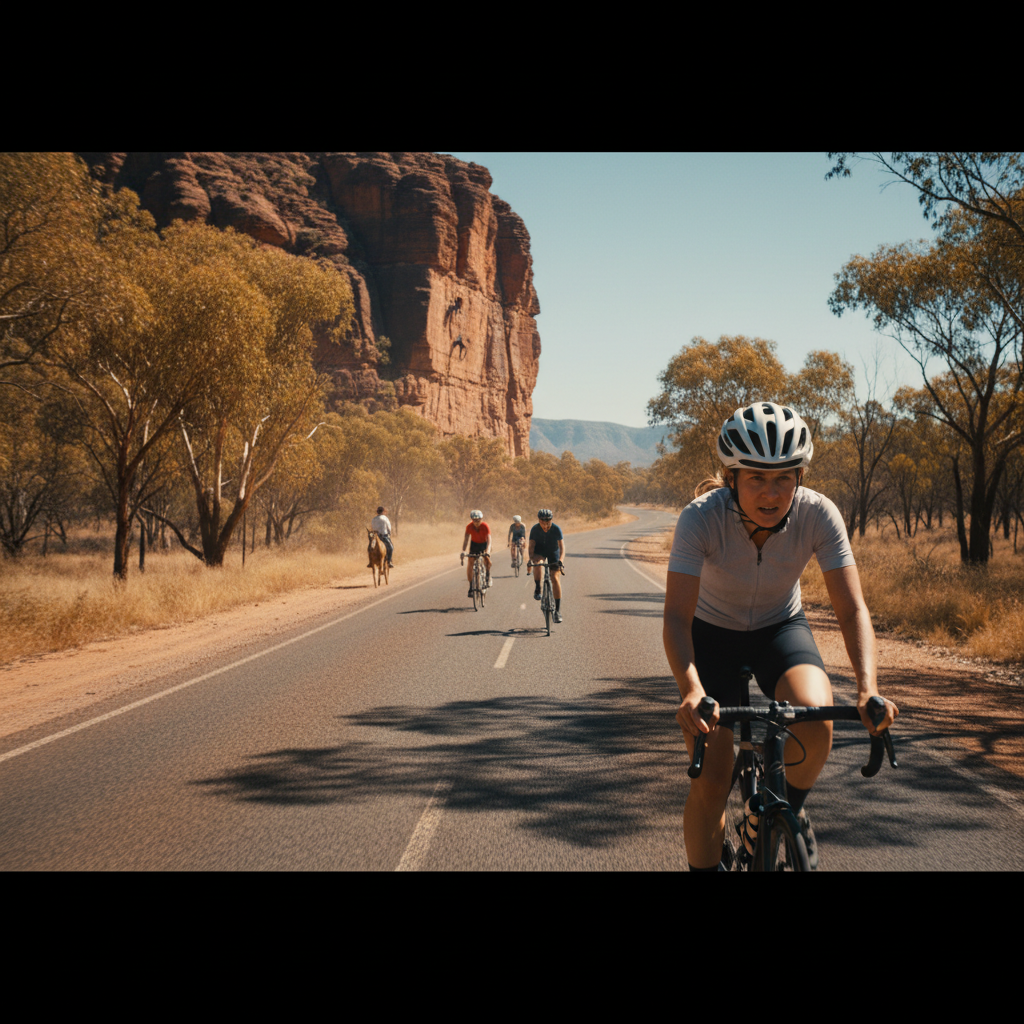
Beat the Heat: Staying Cool on Summer Climbs
Summer in Australia means long days, scorching sun, and climbs that feel even steeper when the mercury rises. As a cyclist, you know the drill: the sweat starts before you even hit the base of the climb. But overheating on your bike, especially on uphills when airflow is minimal, isn't just uncomfortable – it's dangerous. It can lead to heat exhaustion, reduce your performance, and ruin your ride.
This guide is for you, the helmeted rider tackling Australian conditions. We're cutting through the fluff to give you practical, actionable advice on how to stay cool and safe, even when the sun is directly overhead and the UV index is high. We'll cover everything from pre-ride prep to on-the-go strategies.
Why Heat is a Problem for Cyclists
Your body generates a significant amount of heat during intense exercise like climbing. When the ambient temperature is also high, this heat has nowhere to go. Your body’s primary cooling mechanism is sweating, but if the air is humid and hot, sweat evaporates less efficiently, making it harder to regulate your core temperature. This can lead to:
Reduced Performance: Your muscles struggle, and your perceived exertion skyrockets.
Dehydration: You lose more fluids through sweat.
Heat Exhaustion/Stroke: This is serious. Symptoms include dizziness, nausea, confusion, and a lack of sweating. Seek shade and fluids immediately if you experience these.
Sunburn: Even with a helmet, exposed skin is vulnerable.
Pre-Ride Strategies: Setting Yourself Up for Success
Don't wait until you're on the climb to think about heat management. Preparation is key.
Hydration: Your First Line of Defence
This is non-negotiable.
Start Hydrating Early: Don't just chug water an hour before your ride. Begin hydrating the day before and continue on the morning of your ride. Aim for clear to pale yellow urine – that’s a good sign you're hydrated.
Electrolytes Matter: On longer or hotter rides, plain water isn't enough. You lose vital electrolytes like sodium and potassium through sweat. Consider electrolyte tablets or powders mixed into your water bottles. These can help your body absorb fluid more effectively and prevent cramping.
What to Drink: Water is essential. Sports drinks can be beneficial for longer rides. Avoid excessive caffeine or alcohol before a ride, as they can be dehydrating.
Nutrition: Fueling Wisely
While hydration is paramount, your food choices also play a role.
Easy Digestion: Opt for easily digestible carbohydrates before your ride. Heavy, greasy meals can divert blood flow to your stomach for digestion, making it harder for your body to cool itself.
Pre-Cooling Food: Some fruits and vegetables, like watermelon and cucumber, have a high water content and can contribute to hydration.
Gear Up for Coolness
Your clothing and helmet setup can make a significant difference.
Lightweight, Breathable Kit: Wear light-coloured, moisture-wicking cycling jerseys and shorts. These reflect sunlight and help pull sweat away from your skin.
Helmet Ventilation: Choose a helmet with ample ventilation. More vents mean better airflow, which is crucial for cooling.
Sun Protection for Your Head: The sun beating down on your helmet can contribute to heat build-up. A helmet brim, like Da Brim, specifically designed to attach to your helmet, can provide crucial shade for your face and neck, reducing solar loading and making your ride more comfortable.
On-the-Ride Tactics: Staying Cool When the Heat Hits
Once you're out there, it's about smart management.
Hydration, Hydration, Hydration
Frequent Sips: Don't wait until you're thirsty. Take small, frequent sips from your bottles every 15-20 minutes.
Refill Strategically: Plan your route to include water stops at cafes, service stations, or public fountains. Always carry enough water to get you to your next planned refill point.
Cool Your Bottles: If possible, start with chilled water. You can even add a few ice cubes to your bottles, though they will melt quickly.
Leveraging Airflow
Positioning on the Road: In groups, try to take turns at the front, especially on exposed sections. Even slight breaks in the breeze can help.
Downhill Cooling: Use downhill sections to let the air do its work. Take deep breaths.
Cooling Your Body Directly
This is where you can make an immediate impact.
Water Splash: If you’re near a public tap or a friendly local, a splash of cool water on your head, neck, and wrists can provide instant relief. It’s not just about feeling cool; it’s about dissipating heat.
Dampen Your Helmet Liner (Carefully): Some riders lightly dampen the inside of their helmet liner. Be cautious not to overdo this, as excessive moisture can affect the helmet's integrity or become uncomfortable. A small spray bottle can be useful for this.
The Power of Shade: As mentioned, a good helmet brim offers shade for your face. This reduces direct sun exposure, which can feel like a significant cooling effect. It also protects your eyes and face from UV rays – remember, the UV index in Australia can be extreme.
Pacing is Crucial
Start Easy: Especially on a hot day, don't go out at your maximum effort from the start. Ease into your rhythm.
Listen to Your Body: If you start feeling excessively fatigued, dizzy, or nauseous, slow down or stop. It's better to pull over for a break than to push through and risk serious heat illness.
Break Down Climbs: Mentally (or physically, with planned stops) break down long climbs into smaller segments. This makes them more manageable and allows for brief recovery periods.
Table: Essential Gear for Hot Weather Climbing
| Item | Key Features for Heat Management |
|---|---|
| Helmet Brim | Provides shade for face/neck, reduces sun glare, deflects debris. See our range |
| Helmet | Excellent ventilation, lightweight design. |
| Cycling Jersey/Bibs | Light colour, moisture-wicking fabric, breathable panels. |
| Cycling Shorts | Light colour, breathable fabric. |
| Arm/Leg Coolers (Optional) | Can be soaked in water for evaporative cooling. |
| Water Bottles | Large capacity, insulated (optional). |
| Electrolyte Tablets/Powder | Essential for replacing lost salts and aiding hydration. |
Checklist: Your Summer Climb Prep
Before you head out on a hot day, run through this quick checklist:
[ ] Hydrated: Drank fluids throughout the previous day and morning.
[ ] Electrolytes considered: Have electrolyte supplements ready if needed.
[ ] Gear: Wearing light, breathable clothing.
[ ] Helmet: Well-ventilated, with a suitable brim for sun protection.
[ ] Water Bottles: Filled and chilled if possible.
[ ] Route: Planned for water stops if necessary.
[ ] Sunscreen applied to exposed skin (arms, legs, neck), even if wearing a helmet.
Dealing with Objections and Common Concerns
"A helmet brim looks silly."
Frankly, feeling sick from heatstroke looks sillier. Functionality trumps aesthetics when you're dealing with intense Australian sun. A well-designed helmet brim, like those in our Products range, is aerodynamic and practical. The comfort and safety benefits – reduced glare, less direct sun on your face, and improved cooling – far outweigh any perceived aesthetic downsides. Plus, who cares what other people think when you're comfortably conquering climbs?
"I can train in the heat, it builds toughness."
There's a difference between heat acclimatisation and heat danger. Pushing yourself in extreme heat without proper preparation and cooling strategies can be dangerous. Acclimatisation should be gradual and progressive. Using tools to manage heat, like a good helmet brim for shade and staying hydrated, allows you to train effectively without risking serious heat illness. It’s about smart training, not just enduring.
"Do I really need a special brim? Can't I just wear a cap under my helmet?"
A regular cycling cap offers minimal sun protection for your face and neck. Its brim is often too short, and the cap itself can trap heat and reduce overall helmet ventilation. Helmet-specific brims are designed to integrate with your helmet’s aerodynamics and ventilation, offering superior shade and protection. They are a targeted solution for a real problem, especially under the harsh Australian sun. If you're unsure, check out our How to Install guide – it’s simple and quick.
"It's too hot to ride long distances in summer."
It can feel that way, but with the right strategies, you can still enjoy longer rides. Prioritise early morning or late afternoon rides when temperatures are lower. Take more frequent breaks, focus heavily on hydration and electrolyte intake, and choose cooler routes. Don't be afraid to shorten your ride if conditions become too extreme. Always err on the side of caution. For more tips, our FAQ page has answers to common questions.
Step-by-Step: A Hot Day Climb Strategy
Let's put it all together for that dreaded summer climb.
1. Pre-Ride: Ensure you're well-hydrated for 24 hours prior. Eat a light, easily digestible meal 1-2 hours before. Apply sunscreen to any exposed skin. Double-check your water bottles are full and consider adding electrolytes.
2. Gear Check: Wear light, wicking clothing. Ensure your helmet is securely fitted with its brim attached for maximum shade. Make sure your sunglasses are clean for clear vision.
3. Start Conservatively: Begin your ride at a comfortable pace. Don't surge towards the start of the climb. Let your body warm up gradually.
4. On the Approach: As you near the base of the climb, take a few deep breaths and a sip of water. Mentally prepare.
5. Ascending: Find a sustainable rhythm. Focus on smooth pedalling. Take small sips of water every 15-20 minutes. If you feel your core temperature rising excessively, consciously slow your pedal strokes for a minute or two and focus on breathing deeply to increase airflow. Use the shade provided by your helmet brim to shield your eyes and face.
6. Mid-Climb Break (if needed): If it's a very long climb, consider a brief stop in any available shade. Stand up, stretch, take a longer drink of water, and reset.
7. Summit and Descent: Don't overexert yourself at the summit. Take a moment to recover. Use the downhill to cool off, but remain vigilant. Ensure your helmet is still securely fastened.
8. Post-Ride: Continue hydrating and refuel properly. Check for any signs of heat stress.
Staying Cool is Smart Cycling
Conquering summer climbs in Australia is achievable and enjoyable with the right approach. It's not about suffering; it's about smart preparation, strategic on-the-ride tactics, and using the right gear. Prioritising hydration, managing your body's heat, and protecting yourself from the intense Australian sun are fundamental to safe and effective cycling.
Don't let the heat dictate your summer rides. By implementing these tips and equipping yourself with the right accessories, like a reliable helmet brim from our Products range, you can stay cool, comfortable, and safe on every climb. For more insights, browse our Blog or visit our FAQ page. Ride safe and stay cool this summer!