
Beat the Heat: Staying Cool on Long Rides in Australian Sun
Australian riding conditions can be brutal. Learn practical, no-nonsense tips to stay cool and protected during extended sessions under our fierce sun.
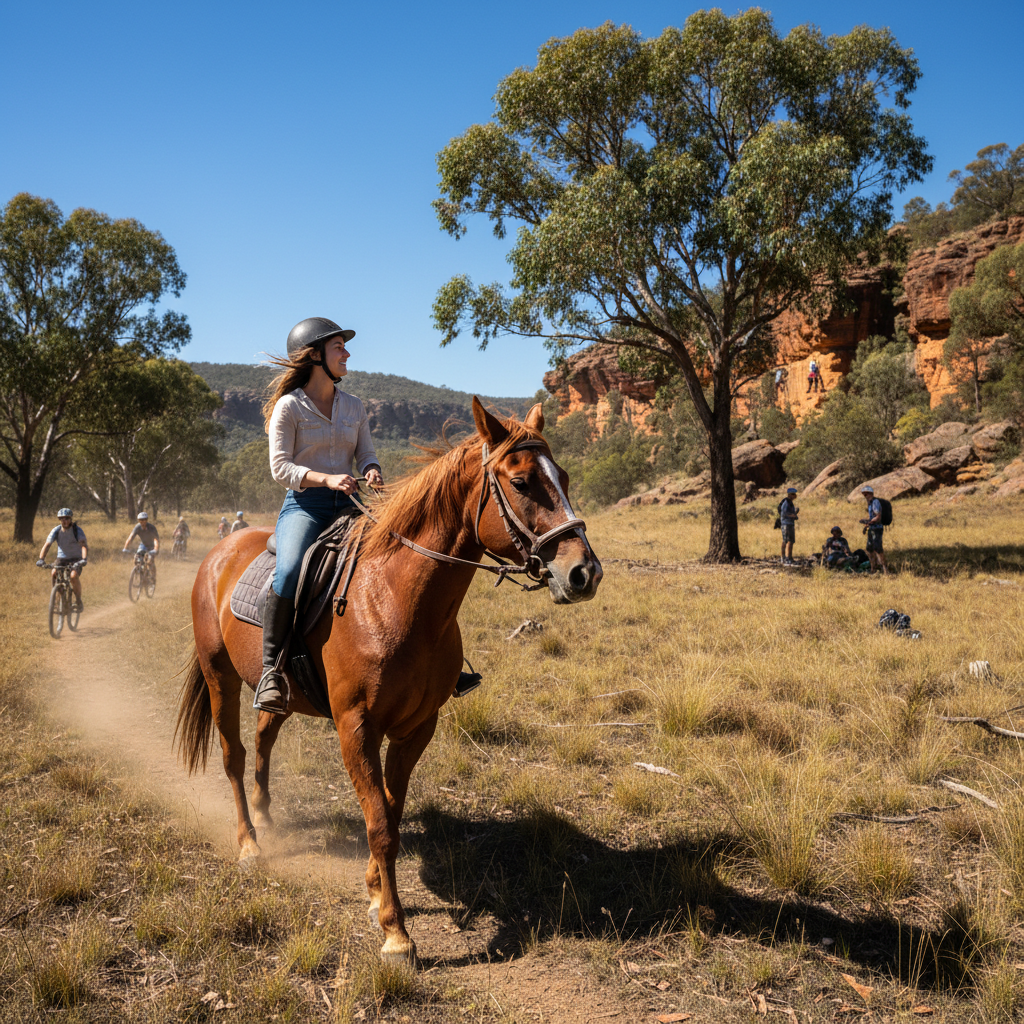
Beat the Heat: Staying Cool on Long Rides in Australian Sun
Australia. Beautiful, vast, and home to some of the harshest sun and heat in the world. For any equestrian spending hours in the saddle, this presents a significant challenge, especially during long riding sessions. We're not talking about a quick trot around the arena; we mean those epic trail rides, lengthy training days, or preparing for endurance events that can stretch for hours. The sun beats down, the UV index soars, and staying cool isn't just about comfort – it's about safety and performance.
Many riders think you just 'toughen up' and sweat it out. But that’s a recipe for heat exhaustion, dehydration, and a miserable experience. The good news? You can significantly improve your comfort and safety with a few smart strategies, many of which work in conjunction with your helmet.
The Core Problem: You're a Human Under a Helmet
Let's be blunt. When you're wearing a helmet, especially in the Australian heat, you're creating a microclimate. Your head generates heat, and the helmet, designed for protection, can trap it. Add the direct sun beating down on the helmet, and you've got a recipe for overheating. This isn't just about feeling sticky; it affects your concentration, your physical stamina, and your ability to communicate effectively with your horse.
Common Objections and Why They Don't Cut It:
"I just wear a light-coloured helmet." Good start, but it’s not enough. The sun still radiates heat, and the helmet's construction will still trap warmth. You need more active cooling.
"I drink plenty of water." Essential, yes. But once you're overheated, drinking alone won't bring your core temperature down quickly enough, and you risk heat stress building up. Prevention is key.
"I'll just ride in the early morning or late evening." Fantastic for avoiding the peak UV, but we all know sometimes rides have to happen mid-day, or those cooler hours aren't enough to escape the ambient heat. Plus, even early and late sun can be intense in Australia.
"Helmets are designed to be ventilated." They are, but even the most ventilated helmet struggles against direct Australian sun and a long duration of wear. The airflow is often insufficient to combat concentrated heat.
It's time for a more proactive approach. Let's break down how you can stay cool, protected, and focused.
Strategies for Staying Cool During Long Rides
Staying cool on long rides involves a multi-pronged approach: managing your body's heat, protecting yourself from the sun, and choosing the right gear. Many solutions integrate directly with your existing helmet, making implementation straightforward. Visit our Products page to explore options.
1. Hydration: Your First Line of Defence
This is non-negotiable. Dehydration significantly exacerbates the effects of heat. Sip water consistently, not just when you feel thirsty. Thirst is a sign you're already behind.
Electrolytes: For rides exceeding an hour, consider electrolyte drinks or tablets. These replace salts and minerals lost through sweat, helping your body regulate temperature more effectively.
Carry it: Ensure you have easy access to your water. Hydration packs, bottles on your saddle, or waist packs are all viable options. For very long rides, plan water stops if possible.
2. Gear Choices: Beyond Just the Helmet
Your clothing plays a massive role. Think light, breathable, and UV-protective.
Wicking Fabrics: Opt for base layers and riding shirts made from synthetic materials designed to draw sweat away from your skin.
Light Colours: Reflect sunlight rather than absorb it.
Sun-Protective Clothing: Look for UPF (Ultraviolet Protection Factor) rated long-sleeved shirts and riding pants. While sometimes counterintuitive in the heat, well-designed, breathable sun shirts can be cooler than short sleeves because they prevent direct sun exposure.
Headwear Under the Helmet (Optional): Thin, moisture-wicking skull caps can help manage sweat and provide an extra layer of comfort. Ensure they don't interfere with helmet fit.
3. Helmet Management: Optimising Your Protection
Your helmet is crucial for safety, but it can also be a heat trap. Here’s how to make it work for you:
Ventilation is Key: Choose helmets with ample, strategically placed vents. However, as discussed, this is often not enough on its own.
Helmet Brims: This is where your helmet can become a true ally. A well-designed helmet brim, like Da Brim, attaches to your existing helmet and extends its peak significantly. This offers much-needed shade for your face and neck, reducing direct sun exposure and thus, heat build-up on the helmet itself. A larger shaded area means less absorption of solar radiation. Our guide on How to Install details how easy it is to add this crucial protection to your current helmet.
Cooling Inserts: Some helmets have removable, washable liners. Consider ones made from cooling materials if available.
4. Cooling Techniques: Active Cooling
These are methods to actively lower your body temperature. The Australian sun demands active intervention.
Water, Water Everywhere: Dampen a bandana or a cooling towel with water and wear it around your neck. The evaporation helps cool your blood flow. You can even lightly mist your face and neck periodically.
Strategic Breaks: Plan short breaks in shaded areas. This is your chance to cool down, rehydrate, and check on your horse.
Ice Packs (Carefully): For very long, arduous sessions, consider a small, waterproof ice pack wrapped in a towel placed strategically (e.g., back of the neck) during breaks. Use sparingly and ensure it doesn't compromise your riding position or safety.
Table: Quick Comparison of Cooling Strategies
| Strategy | Effectiveness in Australian Heat | Ease of Implementation | Cost Factor | Notes |
|---|---|---|---|---|
| Hydration | High | High | Low | Essential, always. Add electrolytes for long/hot rides. |
| Light/Wicking Gear | Medium | High | Medium | Reduces heat absorption and manages sweat. |
| Helmet Brim | Very High | Medium | Medium | Significantly reduces direct sun on helmet, massive shade benefit. |
| Cooling Towels/Bandanas | Medium | High | Low | Provides evaporative cooling. Needs re-wetting. |
| Strategic Breaks | Medium | Medium | N/A | Allows body to rest and cool. Requires planning. |
Your 'Beat the Heat' Riding Checklist
Before you even think about mounting up for a long ride in the Australian sun, run through this checklist. It’s designed to be practical and effective.
[ ] Hydration Plan: Enough water for the entire ride? Electrolytes included?
[ ] Appropriate Clothing: Light colours, wicking fabrics, UPF rated?
[ ] Helmet: Is your helmet well-ventilated? Does it have adequate sun protection?
[ ] Helmet Accessory: Is your helmet brim attached and ready to provide shade?
[ ] Cooling Aids: Cooling towel or bandana packed and ready to go?
[ ] Sunscreen: Applied to any exposed skin (face, hands, legs).
[ ] Communication: Notified someone of your ride plan and expected return time?
[ ] Horse Welfare: Is your horse equipped for the conditions? (e.g., water access, shade where possible).
A full rundown of common questions and answers can be found on our FAQ page.
Step-by-Step: Integrating a Helmet Brim for Maximum Cooling
While wearing a helmet brim might seem like an extra step, it's one of the most impactful ways to manage heat and sun on your head during extended rides. It directly tackles the problem of solar radiation hitting your helmet and the subsequent heat build-up.
Step 1: Assess Your Current Helmet.
Most modern equestrian helmets have a smooth, clean surface around the brim area where an accessory can be attached. Check the manufacturer's guidelines for your helmet if you're unsure about attaching external items, though most brims are designed to be universally compatible.
Step 2: Choose Your Brim.
Look for brims specifically designed for equestrian helmets. The important features are a wide brim for maximum shade, a robust attachment system that won't easily detach during riding, and a material that can withstand the elements. Da Brim offers various styles that fit securely. You can see the range of Products available.
Step 3: Attach the Brim.
Follow the manufacturer's instructions for attachment. Typically, this involves a strong hook-and-loop system or clips that fasten around the helmet. Ensure the brim is positioned centrally and securely. A good fit is crucial for both comfort and effectiveness. Our How to Install page provides detailed instructions.
Step 4: Test the Fit and Stability.
Before heading out, gently tug on the brim to ensure it's firmly attached. Move your head around as you might when riding. It shouldn't be loose, wobbly, or impede your vision. If it feels insecure, re-adjust the attachment.
Step 5: Ride and Experience the Difference.
As you ride, you'll immediately notice the significant reduction in direct sunlight hitting your face and the top of your helmet. This shade lessens the heat absorbed by the helmet and keeps your face cooler and more comfortable. Continuously reapply sunscreen to any exposed areas like your neck and hands throughout your ride. Remember to keep sipping your water.
Beyond the Ride: Post-Ride Recovery
Even with the best preparation, long rides in the Australian sun can take a toll. Cool down properly post-ride.
Cool Shower: A lukewarm to cool shower helps lower your body temperature.
Rehydrate: Continue drinking water and consider an electrolyte drink.
- Rest: Allow your body to recover, especially in hot conditions.
Remember, consistent practice and preparation will make dealing with the Australian sun on long rides a manageable part of your equestrian life. Don't let the heat dictate your riding schedule or compromise your safety. For more tips and product information, check out our Blog for ongoing advice.
By adopting these practical strategies, riders can significantly improve their comfort and safety during extended periods in the saddle. Investing in a helmet brim, prioritising hydration, and choosing appropriate gear are straightforward ways to combat the challenges of the Australian sun. Stay cool, stay safe, and enjoy your rides.