
Beat the Heat: Staying Cool on Intense Summer Climbs
Conquer hot Australian summer climbs without overheating. Practical tips for helmet wearers to stay cool and protected.
Beat the Heat: Staying Cool on Intense Summer Climbs
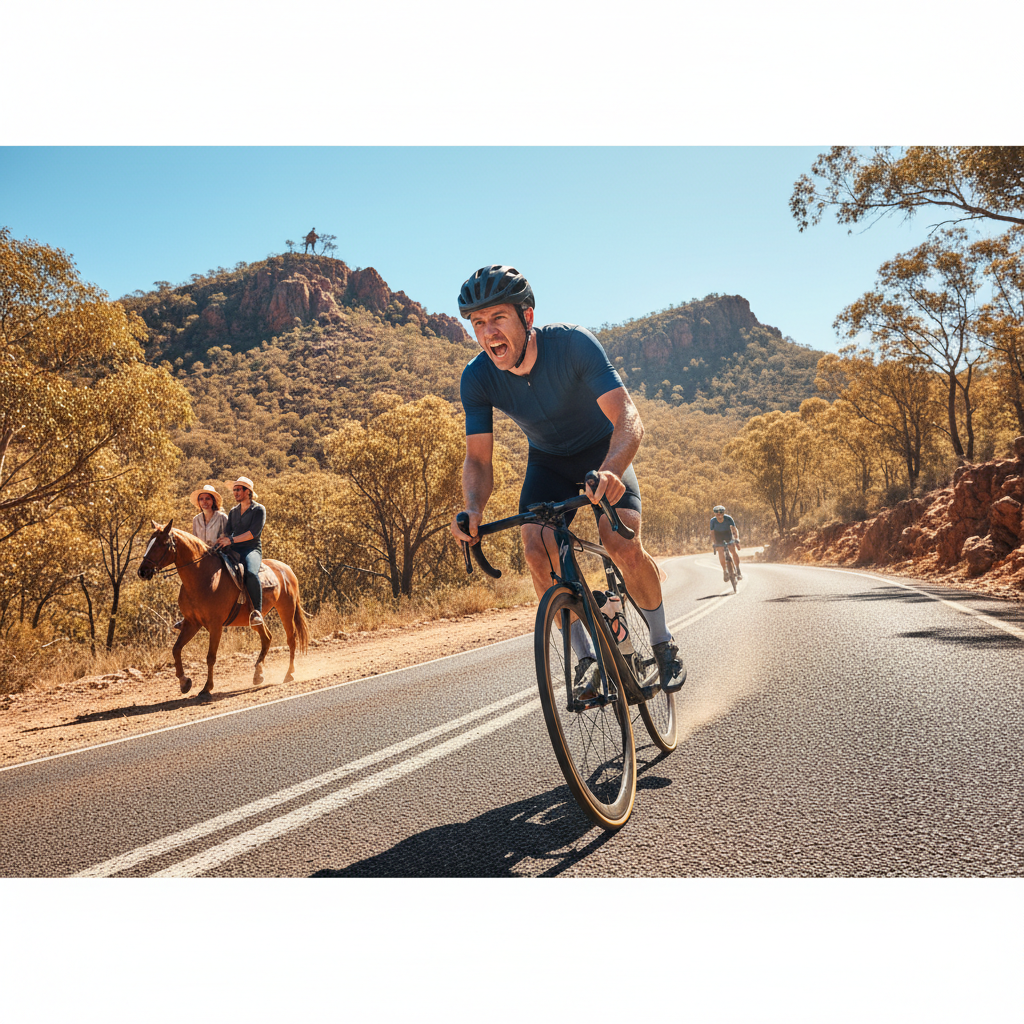
Summer in Australia. The days are long, the sun is fierce, and the urge to hit the hills is strong. But let's be real, those long, exposed climbs under the midday sun can feel like riding through an oven. Overheating isn't just uncomfortable; it tanks your performance and increases your risk of heatstroke.
As helmet wearers, our heads are our primary defence against UV radiation and impacts, but they can also become a hotbox. Don't let the summer heat dictate your riding schedule. With the right strategies, you can still push yourself on those challenging ascents and enjoy the views without feeling like a boiled egg.
This isn't about magic tricks; it's about practical, no-nonsense advice for Australian cyclists facing brutal summer conditions. We'll cover how to manage heat, stay hydrated, optimise your gear, and crucially, keep your head – and your body – cool.
The Heat Problem: Why Summer Climbs Are Different
Australia’s summer sun packs a punch. The UV index can soar, meaning severe sunburn is a real risk, even on cloudy days. When you're grinding uphill, your body generates a lot of heat. Add the ambient temperature and direct solar radiation to the mix, and your body’s cooling mechanisms, primarily sweating, can struggle to keep up.
Your helmet, while essential for road safety, acts as an insulator. While modern helmets are designed with ventilation, it doesn't eliminate the heat trap entirely. This is where proactive measures become vital.
Common Objections and How to Handle Them:
"It's too hot, I'll just ride early/late." While early or late rides are great, sometimes your schedule doesn't allow it. What if you have a lunchtime sportive or need to get a ride in during peak sun hours? This guide is for those times.
"I'll just sweat it out." Sweating is your body's cooling system, but excessive sweat means fluid loss. If you can't evaporate that sweat effectively, your body temperature will rise regardless. Furthermore, dehydration severely impacts performance and cognitive function.
"Ventilation in my helmet is enough." Modern helmets have good vents, but they can only do so much against prolonged, intense heat and exertion, especially when combined with direct sun.
"Wearing extra gear makes me hotter." It's about wearing the right gear and using it strategically, not just piling on more.
Staying Cool: The Core Strategies
Cooling on a climb is a multi-faceted approach. It involves preparation, smart choices during the ride, and understanding your body's limits.
1. Pre-Ride Prep: Setting Yourself Up for Success
What you do before you even clip in makes a massive difference.
Hydration is Key: Start hydrating hours before your ride. Don't wait until you're thirsty. Drink water and electrolyte drinks consistently throughout the day leading up to your climb. Aim for clear to pale yellow urine as an indicator of good hydration.
Nutrition: Eat a light, easily digestible meal a couple of hours before. Avoid heavy, fatty foods that take longer to digest and can divert blood flow away from your skin for cooling.
Sunscreen: Apply a broad-spectrum, high SPF sunscreen to all exposed skin, especially your neck, ears, and arms. Reapply if your ride is very long.
Kit Choice: Opt for lightweight, moisture-wicking cycling jerseys and shorts in lighter colours. These absorb less heat and help sweat evaporate.
2. During the Ride: Active Cooling Techniques
Once the tarmac starts to rise, you need to actively manage your body temperature.
Hydration, Hydration, Hydration: This cannot be stressed enough. Carry more fluids than you think you'll need, especially on longer climbs. Utilise electrolyte drinks to replace salts lost through sweat.
Strategic Soaking: If you can find a water fountain or a safe place to pause next to a tap, drench your helmet, jersey, and even your bandana before you start climbing. The evaporation will have a significant cooling effect. You can also pour small amounts of water over your head or wrists when you stop briefly.
Headwear Under the Helmet: A thin, moisture-wicking skullcap or cycling cap worn under your helmet can help absorb sweat, preventing it from dripping into your eyes, and sometimes provides an extra layer of insulation from direct sun before you start sweating profusely.
Pacing: On a long, hot climb, don't go out too hard. Build into it and listen to your body. Overcook it early, and you'll pay for it later.
Helmet Brim: A good helmet brim, like the DA BRIM, offers crucial shade for your face and eyes, reducing glare and preventing direct sun on your forehead where heat can build up. This can make a noticeable difference to overall comfort and perceived temperature.
3. Post-Ride Recovery: Replenish and Rehydrate
Don't neglect recovery. Your body needs to cool down and rehydrate properly.
Continue Hydrating: Drink plenty of water and electrolytes.
Cool Shower: A cool (not ice-cold) shower can help bring your core temperature down safely.
Rest: Allow your body ample time to recover, especially after a particularly gruelling hot ride.
Gear That Makes a Difference
While your bike and your fitness are paramount, the right gear can significantly enhance your comfort and safety on hot climbs.
Your Helmet: Choose a helmet with ample ventilation. Ensure it fits correctly – a loose helmet won't ventilate effectively. Regularly clean your helmet's vents and padding to ensure optimal airflow. Consider if your current helmet offers sufficient frontal protection from the sun; a helmet brim can be a game-changer here. Check out our range of products designed with rider comfort and safety in mind.
Hydration Systems: Ensure your water bottles or hydration pack are easily accessible and large enough for the conditions. Don't be afraid to use them liberally.
Lightweight Clothing: As mentioned, light colours and breathable fabrics are your best friends.
Expert Tips: A Quick Reference Table
Here’s a snapshot of key strategies to keep you cool on the bike when the mercury rises:
| Strategy | Details | Benefit |
|---|---|---|
| Pre-Ride Hydration | Drink water/electrolytes consistently hours before. | Prevents dehydration, aids sweat production. |
| Sunscreen | Apply high SPF to all exposed skin. | Prevents sunburn, reduces heat absorption. |
| Lightweight Kit | Opt for light colours and breathable, moisture-wicking fabrics. | Reduces heat absorption, aids evaporative cooling. |
| Strategic Soaking | Pour water on helmet/jersey before/during climbs to promote evaporation. | Significant cooling effect through evaporation. |
| Hydration Management | Carry ample fluids, use electrolytes. Drink often. | Replaces lost fluids and salts, maintains core temp. |
| Helmet Brim | Provides shade, reduces glare, and direct sun on forehead. | Improves comfort, reduces perceived heat. |
Practical Steps for a Cooler Climb
Let's break down how to implement these strategies into actionable steps before and during your ride.
Step-by-Step: Pre-Ride Preparation
1. The Day Before: Ensure your water bottles are clean. Pack your cycling bag with any essential spares, snacks, and your sunscreen. Check the weather forecast, particularly the UV index and temperature.
2. Morning Of (2-3 Hours Before): Drink at least 500ml of water or an electrolyte drink. Eat a light, carbohydrate-rich breakfast.
3. 30 Minutes Before: Apply sunscreen liberally to all exposed skin. If using a skullcap or cycling cap, put it on now.
4. Just Before Heading Out: Fill your water bottles with ice-cold water and electrolyte mix. Ensure your helmet is comfortable and secure. If you have a helmet brim, attach it.
Step-by-Step: On the Climb
1. Start Hydrating Immediately: Take small, frequent sips of your fluid from the very start of the climb.
2. Listen to Your Body: If you feel excessive fatigue, dizziness, or nausea, ease off the pace or stop if necessary. Don't push through heat exhaustion.
3. Strategic Soaking (If Possible): If you pass a water source or safe place to pause, drench your helmet, cap, and jersey. This provides immediate cooling.
4. Utilise Shade: If the climb has any shady sections, use them to your advantage, even for a few minutes to let your body recover slightly.
5. Post-Climb Rehydration: As soon as you crest the climb, start rehydrating again. Don't wait until you're home.
Frequently Asked Questions (FAQ)
Q: How much water should I carry on a hot climb?
A: This depends on the duration and intensity of the climb, as well as the temperature. As a general rule, aim for at least 750ml to 1 litre per hour of riding in hot conditions. It's always better to have too much than too little. Our FAQ has more details.
Q: Can I pour water over my helmet to cool down?
A: Yes, absolutely! Pouring water over your helmet, especially before* you've started overheating, can create a significant cooling effect as the water evaporates. This is a simple but effective technique. Ensure your helmet's retention system can handle being wet and won't slip.
Q: Do cooling vests work for cycling?
A: Cooling vests can offer some benefit, but they can also add weight and restrict airflow. For most cyclists, the combination of hydration, strategic soaking, and good ventilation is more practical and effective. For serious endurance events or extreme heat, they might be considered.
Q: My helmet feels too hot. What can I do?
A: Ensure your helmet has good ventilation and fits correctly. Clean the vents and padding regularly. Consider adding a helmet brim for better sun protection, which can indirectly reduce the perceived heat. Refer to our How to Install guide for optimal brim use.
Conclusion
Summer climbs in Australia are challenging, but they don't have to be unbearable. By understanding how heat affects your body and implementing practical, proven strategies, you can stay cooler, ride stronger, and most importantly, stay safe.
Focus on consistent hydration, smart clothing choices, and leveraging evaporative cooling. And never underestimate the power of a good helmet brim for shade and comfort. Don't let the heat deter you from enjoying those glorious summer ascents.
Ready to gear up for your next hot ride? Explore our range of solutions designed for cyclists like you at Products. For more cycling tips and advice, check out our Blog.