
Beat the Heat: Staying Cool on Australian Summer Climbs
Tackling Australian summer climbs in a helmet demands smart strategies to avoid overheating. This guide gives you the practical, no-nonsense advice you need to stay cool and safe.
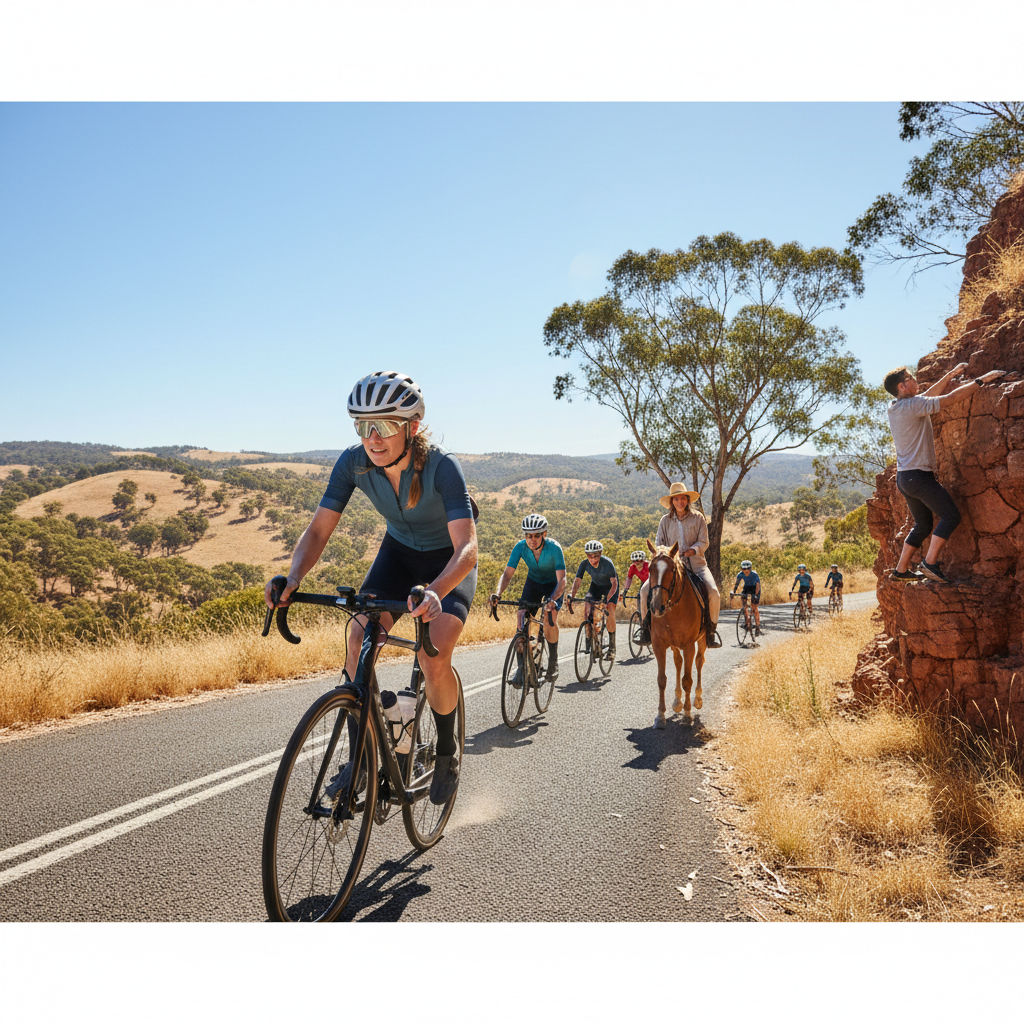
Beat the Heat: Staying Cool on Australian Summer Climbs
Australia. We love it. Long summer days, challenging climbs, the promise of incredible views. But in the height of an Australian summer, that same sun that beckons can also be an enemy. Pushing hard uphill in 30-degree-plus heat, even without the added insulation of a helmet, is tough. With one on, it can feel downright brutal. But you’re not going to ditch your helmet, right? Responsible cycling means head protection, always. So, how do you stay cool and safe on those demanding summer climbs without risking heatstroke or sunburn so bad you’ll regret the ride for days?
This isn't about fairy tales or advanced cooling systems that cost a fortune. This is about practical, hard-won knowledge for Australian cyclists. We’ll cover everything from pre-ride prep to on-the-go tactics, all while respecting the power of our sun.
Why Helmets Can Feel Hot, and Why It Matters
Let’s get straight to it. Helmets are designed to protect your noggin. That means they have to be sturdy. They have to absorb impact. This often translates to a fair bit of plastic and foam, and while modern helmets have vents, they’re not exactly air conditioners. In the fierce Australian sun, heat builds up. Your head, being a major heat-generating part of your body and a focal point for blood flow, can quickly become a furnace. If your body can't dissipate that heat effectively, core temperature rises. This leads to:
Reduced performance: You feel sluggish, your legs burn faster, and your mental focus waivers.
Increased fatigue: What felt like a moderate effort can suddenly feel like an all-out grind.
Dehydration: You sweat more to try and cool down, losing precious fluids.
Heat exhaustion: This is serious. Symptoms include heavy sweating, dizziness, nausea, and a rapid pulse. Left untreated, it can progress to heatstroke.
Sunburn: Even with a helmet, exposed areas like your neck and ears are vulnerable with our high UV indices.
Nobody wants to pull over for a recovery stop only to realise their neck is roasted or they’re feeling dizzy. Helmet-wearing cyclists need a proactive approach.
Pre-Ride Prep: Setting Yourself Up for Success
Don’t wait until you’re halfway up Mount Glorious to think about cooling. The foundations for a comfortable summer climb are laid before you even clip in.
1. Hydration is Non-Negotiable
This is paramount. You can’t out-cool a dehydrated body. Start hydrating well before your ride, not just an hour before.
Days before: Aim for consistent, clear urine. If it’s dark, you’re not drinking enough.
Morning of: Drink at least 500ml of water in the hours leading up to your ride.
Electrolytes: For rides longer than 60-90 minutes, or in extreme heat, consider electrolyte drinks or tablets. These replace salts lost through sweat, helping your body retain fluid better.
2. Nutrition Matters
Fueling your body correctly helps it regulate temperature. Avoid heavy, fatty meals right before a ride on a hot day. Opt for easily digestible carbohydrates.
3. Strategic Clothing Choices
Your cycling kit is your first line of defence.
Light colours: White or light-coloured jerseys reflect sunlight, absorbing less heat than dark colours.
Breathable fabrics: Look for technical fabrics designed to wick sweat away from your skin and dry quickly.
Sun protection: Long sleeves can help you stay cooler if they're made of UPF-rated, breathable fabric. They shield your skin from direct solar radiation. A lightweight, moisture-wicking base layer can also add a slight cooling effect as sweat evaporates.
Arm coolers/Leg warmers (yes, really): In some conditions, a thin, wicking pair of arm coolers can keep the sun off your skin, and you can wet them at stops for a cooling effect.
4. Timing is Everything
If possible, ride in the cooler parts of the day. Early mornings or late afternoons/evenings are your best bet. If you must ride during peak heat, be extra cautious and keep your rides shorter.
On the Bike: Tactics for Staying Cool
Once you’re pedalling, it’s all about managing the heat you generate and the heat you absorb.
1. The Power of the Brim
Your helmet is essential, but it can also trap heat. A good helmet brim is crucial. It’s not just for rain.
Shade: A quality brim casts shade over your face and forehead, reducing direct solar radiation on your head. This makes a surprising difference.
Airflow: While it doesn't block vents, a well-designed brim can create a slight scoop effect, potentially encouraging airflow through the helmet. Importantly, the best brims don't obstruct your vision.
We know a good brim is key to comfort and sun protection. Check out our Products for options designed for Australian conditions.
2. Hydrate Consistently
Don't wait until you feel thirsty. Thirst is a sign you're already starting to dehydrate. Sip regularly from your bottles.
3. Manage Your Effort
On hot days, your perceived exertion will be higher. Back off the pace slightly on climbs you’d normally attack. A steady, sustainable pace is far better than pushing too hard and overheating.
4. Utilise Wind and Water
Descents are your friend: Use descents to let your body cool down. Open up your jersey, let the breeze through your helmet vents.
Wet yourself: At rest stops or even during gentle sections, splash water on your face, arms, and back of your neck. Getting your helmet straps wet can help too.
5. Listen to Your Body
This is critical. Recognise the signs of overheating. If you feel dizzy, nauseous, or experience a severe headache, pull over immediately. Find shade, drink water, and try to cool down.
Helmet Cooling Hacks and Considerations
Beyond the brim, what else can you do with your helmet itself?
1. Vent Management (Where Applicable)
Some helmets have adjustable vents. If yours does, open them up fully. Understand how your helmet’s vents are designed to channel air. Sometimes strategically placing a slightly damp bandana under the rim can offer a tiny bit of evaporative cooling on the forehead, but ensure it doesn't impede vents or vision.
2. Post-Ride Helmet Care
Clean your helmet regularly. Sweat and grime can clog vents and make it feel less efficient. Use mild soap and water. Read your helmet's FAQ for specific cleaning advice.
3. Ensuring a Proper Fit
A helmet that fits poorly can actually create hot spots and hinder airflow. Make sure your helmet is snug but comfortable. Check our How to Install guide for tips on getting the fit right.
What About the UV Index?
Australia’s UV levels are notoriously high, even on cloudy days. While our focus here is on heat, sun protection remains a crucial part of summer cycling. A helmet brim provides shade, but for exposed skin, sunscreen is still essential. Reapply if you’re on a long ride. Remember the high UV index means sunburn can happen surprisingly quickly.
Your Summer Climb Checklist
Here’s a quick rundown to keep in your mind before and during your next hot summer climb:
[ ] Hydrate consistently (starting days before).
[ ] Wear light-coloured, breathable kit.
[ ] Choose a helmet with an effective brim.
[ ] Manage your effort – don’t go too hard.
[ ] Sip fluids regularly, including electrolytes if needed.
[ ] *Use descents and stops to actively cool down (water).
[ ] Listen to your body – recognisable signs of overheating means stop.
[ ] Apply sunscreen to exposed skin.
Tactical Steps for an Australian Summer Climb
Let's break down a typical hot climb scenario and how to manage it.
Scenario: You’re approaching a known 8km climb with an average gradient of 6%, and the thermometer reads 32°C.
Pre-Climb (Last 10-15 minutes before base):
1. Hydrate: Take a good gulp from your bottle. If you have electrolyte tabs, this is a good time to deploy one if you haven’t already.
2. Assess Effort: Mentally prepare for a slightly slower pace than you might usually ride this climb.
3. Check Helmet: Ensure your helmet is on securely, and the brim is positioned correctly for maximum shade.
During the Climb:
1. Pacing: Settle into a rhythm that allows you to speak in short sentences. If you’re gasping for air, you’re going too hard. Focus on sustainable power output.
2. Sipping: Take small, frequent sips of water. Every 10-15 minutes, aim for a decent mouthful.
3. Neck/Forehead Cool: If you feel your head getting excessively hot, carefully splash a little water on your forehead just under the helmet rim, or on the back of your neck. Be mindful of losing vision.
4. Breathing: Focus on deep, controlled breaths. Breathe through your nose where possible to help humidify and warm the air a little, but don't force it if mouth breathing is necessary for airflow.
5. Observe Conditions: Notice if the wind picks up slightly, or if there are any shaded sections you can use to your advantage.
Post-Climb (At the summit/first available rest spot):
1. Immediate Cooling: Get into the shade. If you have any leftover water, pour some over your head and neck. Loosen your jersey.
2. Rehydrate: Drink a substantial amount of water. Replenish electrolytes.
3. Assess: How are you feeling? Are you dizzy? Nauseous? If so, stay put, seek more shade, and continue to cool down gradually. Don't try to hammer the descent if you're feeling unwell.
Common Objections Handled
“Helmets make me too hot.” We get it. But the risks of head injury far outweigh the discomfort of temporary heat build-up. The goal isn't to eliminate heat, but to manage it effectively with smart clothing, hydration, pacing, and using your gear wisely. Proper ventilation and a good brim are your allies. Check out our Products for helmets designed with airflow in mind.
“I don’t have time for all this prep.” Your safety and performance are worth 15 minutes of extra planning. Dehydration and heat exhaustion will cost you far more time and potentially cause serious health issues. A little foresight goes a long way.
“Is it really that hot?” Yes, in Australia, our sun is powerful. Relying on the thermometer alone isn't enough. Consider the UV index, humidity, and the intensity of the climb. It’s always better to be slightly over-prepared than under-prepared. Our Blog has more tips for navigating Australian cycling conditions.
Conclusion
Conquering Australian summer climbs in a helmet is achievable. It requires preparation, smart on-bike tactics, and a healthy respect for the conditions. Prioritise hydration, make sensible clothing choices, manage your effort, and utilise every tool at your disposal – including the shade and airflow your helmet's brim provides. By following these practical steps, you can enjoy your rides, stay safe, and focus on the joy of the climb, not the discomfort of the heat.
Remember to always check your helmet's suitability and follow manufacturer guidelines. For more insights and product options, explore our Products page and our FAQ section.