
Beat the Heat: Staying Cool on Australian Summer Climbs
Conquer those summer climbs without melting. Practical tips for helmet wearers battling the Australian sun and heat, focusing on staying cool and protected.
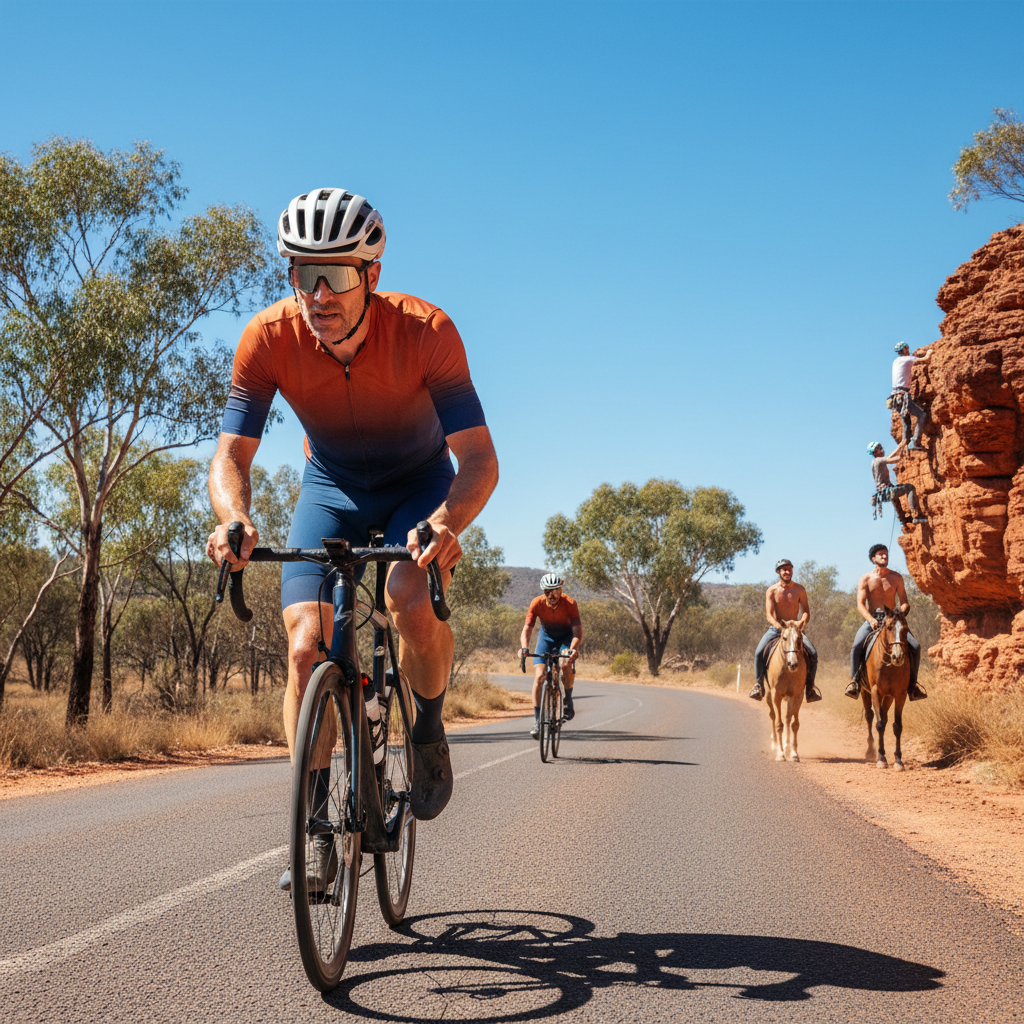
Beat the Heat: Staying Cool on Australian Summer Climbs
Australian summers are brutal. Long days, relentless sun, and climbs that feel like furnaces. If you're a cyclist who pushes yourself, you know the feeling: the heat builds up, sweat pours, and your focus starts to waver. Wearing a helmet is non-negotiable, especially under our harsh UV conditions, but it can feel like an oven strapped to your head. How do you stay cool and safe when the mercury climbs?
This isn't about fancy gadgets only elite athletes use. This is about practical, no-nonsense advice for everyday cyclists on Australian roads. We’re talking about making deliberate choices before, during, and after your ride to manage heat and stay comfortable.
The Heat is On: Why It Matters
It's more than just discomfort. Overheating, or hyperthermia, is a serious risk. When your body can't dissipate heat effectively, your core temperature rises. This leads to:
Reduced Performance: Your muscles work harder, fatigue sets in faster. That KOM you were chasing? Forget it.
Impaired Judgment: Dehydration and heat stress can make you less aware of your surroundings, increasing accident risk.
Heat Stroke: The most dangerous outcome, requiring immediate medical attention.
Under the Australian sun, even short rides can become hazardous if you don't take heat management seriously. The UV index can be extreme, and the ambient temperature often climbs well into the 30s and 40s Celsius.
Common Objections & Realities
Let's tackle some common things people say (or think) about staying cool on the bike:
"My helmet is ventilated, that's enough." While ventilation helps, it's only one piece of the puzzle. A helmet's primary job is protection. We need to supplement its cooling capabilities.
"I just need to drink more water." Hydration is crucial, yes, but it's reactive. You're already losing water as you start to overheat. Proactive cooling is more effective.
"I'll just ride early or late." Great advice for some, but what about when you have to ride mid-day? Or when the days are long and the sun is intense even at dawn and dusk?
"Cycling in summer is just going to be hot, I have to accept it." You don't have to accept overheating. You can manage it.
Practical Strategies for Staying Cool
Staying cool on climbs isn't about a single magic bullet. It's a combination of preparation, on-bike technique, and smart gear choices. This guide focuses on actionable steps you can take, particularly when wearing your helmet.
Before You Ride: Setting Yourself Up for Success
Don't wait until you're on the climb to think about heat. Start before you even leave the house.
1. Hydrate Strategically: Don't chug water right before you head out. Start hydrating well in advance, at least 2-3 hours before your ride. Aim for clear urine – that’s your best indicator.
2. Cool Down: Before you clip in, do something to lower your core temperature. A quick cold shower, or even just splashing cold water on your face and neck, can make a significant difference.
3. Choose the Right Kit: Lightweight, breathable, and light-coloured cycling jerseys and bibs will reflect sunlight rather than absorb it. This is a simple, yet effective, step.
4. Know Your Route: Plan your climbs for the coolest parts of the day if possible. Identify sections with shade from trees or buildings. Sometimes, a slightly longer but shadier route is better.
5. Pre-Load Electrolytes: For longer, hotter rides, consider adding electrolyte tablets or powders to your water bottles. This helps your body absorb water more effectively and replaces salts lost through sweat.
On the Climb: Real-Time Heat Management
Once you're on the move, especially during a tough ascent, active cooling becomes key.
1. Use Your Vents (and Modify Them): Most helmets have vents. Ensure they're clear of debris. For those with very aggressive vents, you might consider adding subtle, removable mesh to the inside of the vents to block direct sun while still allowing airflow. This isn't about completely sealing them, but about a slight shade.
2. The "Damp Cloth" Trick: A simple wet bandana or sweatband placed under your helmet (on your forehead, not right against the padding) can be surprisingly effective. As the water evaporates, it cools you down. Re-wet it during longer breaks or at aid stations.
3. Strategic Water Dousing: Don't be afraid to pour a little water over your head (and therefore into your helmet vents) during a ride, especially on a long climb. This provides immediate evaporative cooling. It might feel messy, but it works.
4. Pace Yourself: This sounds obvious, but when you're pushing hard, your body generates a lot of heat. On a long climb, ease off slightly for a few minutes every 10-15 minutes. This allows your body to shed some heat before you ramp up again. It's not about giving up, it's about pacing to minimise overheating over the entire climb.
5. Listen to Your Body: Dizziness, nausea, and extreme fatigue are signs you're getting too hot. Don't push through these. Pull over, find shade, rehydrate, and cool down.
Post-Ride Recovery: Cooling Down Effectively
Your ride is over, but the heat can linger. Proper recovery helps.
1. Immediate Rehydration: Continue drinking water and electrolyte drinks.
2. Cool Down Gradually: Avoid jumping straight into a cold shower after a very hot ride. Your body needs to cool down gradually. A lukewarm shower is better, or sit in a cool, shaded area.
3. Replenish Nutrients: Eat a balanced meal to help your body recover.
The Role of Your Helmet Brim
This is where your helmet's design becomes critical. While ventilation is for air flow, the brim is your direct shield against the sun.
A well-designed helmet brim offers several advantages:
Reduced Sunburn Risk: It shades your face, neck, and eyes. This is crucial in Australia, where UV radiation is intense even on cloudy days.
Reduced Glare: It helps cut down on glare, improving your vision and reducing eye strain, which can contribute to fatigue.
Increased Comfort: By blocking direct sunlight, it makes the overall experience feel cooler, even if the ambient temperature hasn't changed.
If your current helmet doesn't have a decent brim, or if you're looking for an upgrade that specifically addresses sun protection and heat, consider options designed for harsh conditions. For example, a helmet with a wider, more substantial brim can make a noticeable difference. Many riders find that adding a brim accessory, like the Da Brim, significantly improves their comfort and sun protection without compromising ventilation.
Table: Heat Stress vs. Preparedness
| Condition | Low Preparedness | High Preparedness |
|---|---|---|
| Ambient Temperature | Rapid overheating, reduced performance, fatigue | Managed heat, sustained performance, better focus |
| UV Index (High) | Sunburn, eye strain, increased dehydration risk | Reduced sunburn, less glare, more comfortable |
| Long Climbs | Overexertion, heat exhaustion risk, poor recovery | Pacing, strategic cooling, efficient hydration |
Gear You Can Trust
When it comes to staying cool and protected, your gear matters. Beyond a good helmet, consider:
Lightweight Cycling Jerseys: Breathable fabrics that wick sweat.
Wicking Underlayers: A thin, technical fabric layer under your jersey can help manage sweat.
Quality Water Bottles: Ensure they're insulated to keep fluids cooler for longer.
Helmet Accessories: As mentioned, a good brim can be a game-changer. You can find products designed to attach to your existing helmet, offering enhanced shade and protection.
Checklist: Your Summer Climbing Prep
Before you head out for your next hot-weather climb, run through this:
[ ] Hydrated adequately (2-3 hours prior).
[ ] Cool-down routine completed (shower, splash water).
[ ] Lightweight, light-coloured cycling kit worn.
[ ] Route checked for shade or cooler sections.
[ ] Water bottles filled (consider electrolytes).
[ ] Helmet vents clear.
[ ] Sunscreen applied.
[ ] (Optional) Damp sweatband packed.
Installation is Key
If you're considering adding accessories like an extended brim to your helmet, proper installation is vital both for effectiveness and safety. Unlike a helmet that fits poorly, a poorly attached accessory could shift or become a hazard. Always follow the manufacturer's instructions. If you've purchased a Da Brim, make sure you've gone through the How to Install process correctly.
Common Questions (and Answers)
Q: Will a helmet brim actually make a difference in ventilation?
A: The brim itself doesn't increase airflow through the helmet's vents. Its benefit is in blocking direct sun, reducing heat build-up on your head and face, and shading your eyes. This perceived coolness, combined with actual airflow, makes a significant difference.
Q: Is it safe to pour water on my helmet?
A: Yes, it's generally safe and quite effective for evaporative cooling. The water will cool your head and the helmet liner. Ensure the padding isn't constantly soaked, as excessive moisture could degrade some foams over very long periods, but for casual riding, the cooling benefit far outweighs this minor risk.
Q: I get really bad sunburn on my neck. What can I do?
A: Extended brims, especially those designed for cycling helmets, often provide more coverage for the back of the neck than standard baseball caps or even some helmet designs. Alternatively, wear a high-collared jersey or a neck gaiter. And, of course, sunscreen on any exposed skin is a must. Check our FAQ for more detailed advice.
Q: I feel like my helmet traps too much heat. Is there anything I can do besides get a new one?
A: As discussed, focus on active cooling: dousing with water, strategic breaks. Also, consider the colour of your helmet – lighter colours absorb less heat. And as mentioned, accessories that add shade can make a big difference to how hot you feel, even if the airflow is the same. Explore products that can enhance your current helmet's capabilities.
Conclusion: Conquer Your Climb, Don't Just Endure It
Summer in Australia demands respect for the sun and heat. As a cyclist, staying cool on climbs isn't a luxury; it's a safety and performance necessity. By combining preparation, smart on-bike strategies, and the right gear – especially a helmet with effective sun protection – you can transform your rides from a sweaty battle into an enjoyable challenge.
Don't let the heat dictate your limits. Arm yourself with these practical tips and keep pushing those pedals. For more insights and tips on cycling safety and comfort, explore our Blog.
Remember, the goal is to ride further, faster, and safer, no matter how hot it gets. Stay cool out there!