
Beat the Heat: Staying Cool and Safe While Climbing Under the Australian Sun
Climbing in Australia means battling intense UV and high temperatures. This guide offers practical, no-nonsense heat management strategies for helmet wearers, keeping you cool, focused, and safe on the rock.
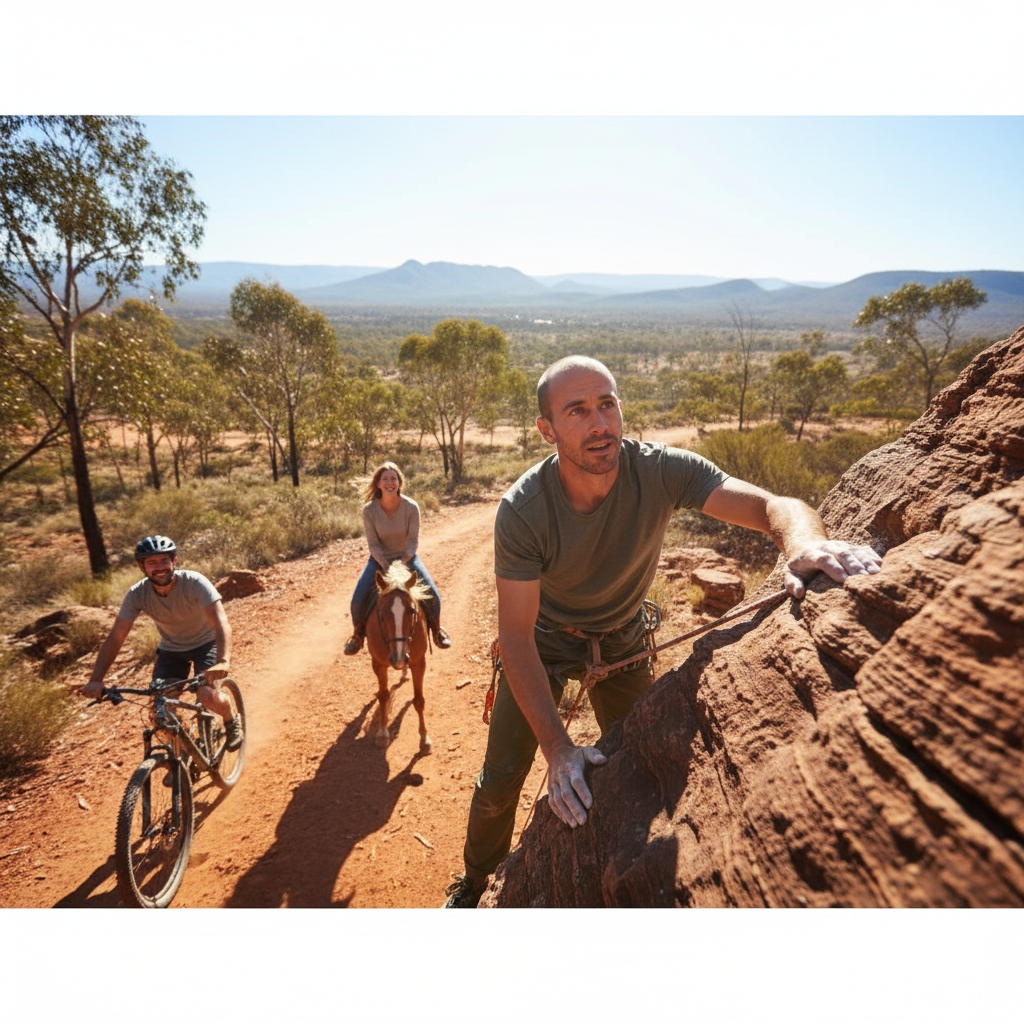
Beat the Heat: Staying Cool and Safe While Climbing Under the Australian Sun
Let's be honest. Climbing in Australia is epic. The rock formations, the sheer scale, the endless sunshine. But that sunshine? It can turn a great day into a brutal, sweaty slog, especially with a helmet on. Heat exhaustion and sunburn aren't just uncomfortable; they're dangerous. They mess with your judgment, drain your energy, and can lead to serious health issues. This isn't about fancy gadgets or theoretical advice; it's about practical, actionable steps to manage heat and UV exposure while you're focused on the next move.
We'll cover why heat and helmets are a challenge, how to prepare, what to do on the day, and how to recover. And yes, we'll talk about how a simple piece of gear can make a significant difference.
The Helmet Heat Conundrum
Helmets are non-negotiable for climbing. They save lives. But generally, they offer limited ventilation and can trap heat. Directly under the Australian sun, that helmet becomes a mini sauna on your head. Combine that with physical exertion, and your core temperature can skyrocket. The effects are insidious:
Decreased Focus: As you get hotter, your brain doesn't work as well. Decision-making suffers, and that's a recipe for disaster on the rock.
Rapid Fatigue: Your body diverts energy to cooling itself, leaving less for your muscles. You'll feel tired faster.
Dehydration: You sweat more to cool down, losing vital fluids and electrolytes.
Sunburn: Even with a helmet, your face, neck, and ears are exposed, leading to painful and damaging sunburn, especially during long climbing days where the UV index can be extreme.
This isn't about complaining; it's about acknowledging the reality of climbing in a country with one of the highest UV ratings in the world. We need to be smart about how we approach it.
Pre-Climb Preparation: Setting Yourself Up for Success
Getting it right starts before you even clip into the first bolt. Proper preparation minimises the impact of heat on your body.
1. Hydration is Key, Not an Afterthought
Don't wait until you're thirsty. Dehydration significantly impairs your body's ability to regulate temperature. Start hydrating the day before your climb. On the day itself, sip water consistently.
Electrolytes Matter: Plain water is good, but for long days or intense heat, add electrolyte tablets or powders to your water. This helps replace salts lost through sweat.
Carry Enough: Pack more water than you think you'll need. Running out in the middle of a climb or a descent is a serious problem.
2. Fueling for the Heat
Your body needs energy to function, but heavy, greasy foods can make you feel sluggish and hotter. Opt for easily digestible, nutrient-rich foods.
Pre-Climb Meal: A balanced meal a few hours before climbing, focusing on complex carbohydrates and lean protein.
On the Go Snacks: Fruit, nuts, energy bars, and jerky are good options for sustained energy without making you feel weighed down.
3. Sunscreen, Always
Even when wearing a helmet, areas like your face, ears, and neck are vulnerable. Use a broad-spectrum SPF 30 or higher sunscreen. Reapply regularly, especially after sweating.
4. Timing is Everything
If possible, plan your climbs for the cooler parts of the day. Early mornings and late afternoons are your friends on hot Australian days. This is especially true if you're heading to exposed crags.
5. Gear Check: Does Your Helmet Help or Hinder?
Standard climbing helmets offer protection, but often minimal ventilation. Consider gear that actively helps manage heat. This is where innovation comes in. A helmet brim extension, for example, can offer additional shade, reducing how much direct sun hits your face and neck, which in turn can make you feel cooler.
On the Rock: Heat Management Strategies
Once you're climbing, your focus shifts to maintaining performance and safety. Here's how to manage heat and sun exposure in real-time.
1. Master Your Hydration Rhythm
Sip, Don't Gulp: Take small, frequent sips of water from your bottle. This helps your body absorb it better.
Electrolyte Top-Ups: Consume electrolyte chews or drinks regularly, especially if you're sweating heavily.
2. Strategic Breaks
Don't power through until you're on the verge of collapse. Take short, frequent breaks. During these pauses:
Seek Shade: If there's any available, even a small patch of shade can make a big difference.
Dampen Up: Use a bandana or a cloth soaked in water to cool your neck, wrists, and forehead. The evaporation helps cool your body.
3. Clothing Choices
Lightweight and Light-Coloured: Opt for loose-fitting, breathable, and light-coloured clothing. This reflects sunlight and allows air to circulate.
Sun-Protective Clothing: Consider long-sleeved shirts made from UPF-rated fabric. While it might seem counterintuitive in the heat, covering your skin can prevent sunburn and reduce direct heat absorption compared to exposed skin under direct sun.
4. The Power of Shade
This is where your helmet can be enhanced. The standard helmet brim is often small and offers limited shade.
Extend Your Shade: Products designed to add a wider brim to your helmet can significantly increase the shade offered to your face and neck. This means less direct sun hitting your skin, which helps you feel cooler and reduces the burden on your body trying to manage that heat. Check out Products for options that can enhance your existing helmet's sun protection. Installation is usually straightforward – see How to Install for details.
Utilise Natural Shade: When belaying or resting, actively seek out any natural shade available. Even a few minutes out of direct sun can be incredibly restorative.
5. Listen to Your Body
This is paramount. Don't push your limits when heat is a factor. Recognise the signs of heat stress and heatstroke. If yourself or a climbing partner starts experiencing:
Headache
Nausea
Dizziness
Excessive sweating (or lack of sweating in severe cases)
Muscle cramps
It's time to stop, rest in the shade, hydrate, and cool down. If symptoms are severe, descend and seek medical help. For more on common concerns, our FAQ might have answers.
Post-Climb Recovery
A smart climber knows that recovery is part of the process. After a hot day on the rock, focus on replenishing your body.
1. Rehydrate and Replenish
Continue drinking water and electrolyte-rich beverages. Replenish lost salts and minerals.
2. Cool Down
Take a cool shower or bath. Avoid ice-cold water, as this can shock your system. Aim for a comfortable cool temperature.
3. Monitor for Symptoms
Keep an eye on yourself and your partners for any delayed signs of heat illness. Sunburn can also make you feel unwell and dehydrated.
Practical Checklist for Hot Climbs
Want a quick rundown? Here's what to keep in mind:
[ ] Hydration: Start 24 hours prior, carry plenty, use electrolytes.
[ ] Fuel: Eat light, digestible meals and snacks.
[ ] Sun Protection: SPF sunscreen on exposed skin, consider UPF clothing.
[ ] Timing: Climb during cooler hours if possible.
[ ] Helmet Enhancement: Consider a wide brim extension for extra shade.
[ ] On-Rock Hydration: Sip constantly, use electrolyte tabs/drinks.
[ ] Breaks: Take frequent, short breaks in shade.
[ ] Cooling Aids: Damp bandana/cloth for neck and wrists.
[ ] Listen to Body: Recognise heat stress symptoms and stop if needed.
[ ] Post-Climb: Rehydrate, replenish, cool down.
Common Objections and How to Handle Them
"A helmet brim extension will get in the way."
Modern designs are made to integrate seamlessly with climbing helmets without impeding your vision or snagging on features. The extra shade far outweighs any minor inconvenience, especially when you feel the difference it makes to your comfort and focus. If you're worried about fit or function, check out the specifications on our Products page or visit our FAQ.
"I've always managed fine without extra gear."
Conditions change, and so should our approach. Australian climbing days can be exceptionally long and intense. Your tolerance might be high now, but pushing your limits consistently under extreme heat and UV can lead to cumulative issues or a serious incident. Being prepared is about long-term safety and enjoyment, not just getting through the day.
"Wearing more clothes in the heat is counterproductive."*
This is a common misconception. While it seems logical to wear less, loose-fitting, light-coloured, UPF-rated clothing can prevent severe sunburn and reduce the amount of direct solar radiation your body absorbs. It's about breathable fabric and smart coverage, not just minimal clothing. Combine it with good ventilation and hydration, and it's a winning strategy.
The Bottom Line
Climbing in Australia is a privilege, and with it comes the responsibility to respect the environment and its inherent challenges. The sun is a powerful force here. By being strategic about your preparation, on-rock practices, and recovery, you can mitigate the risks associated with heat and UV exposure. Investing in smart gear, like a helmet brim extension, can offer significant benefits in comfort and safety, allowing you to focus on what you love – climbing. Don't let the heat dictate your day. Be prepared, stay cool, and climb safe.
For more tips and product information, explore our Blog and Products pages. Your safety and enjoyment are our priority.