
Beat the Heat, Stay Sharp: Your Helmet Guide for Long Australian Climbs
Long climbing routes in Australia mean serious sun and heat. Learn how to keep your cool and focused helmet-on with practical tips and gear advice.
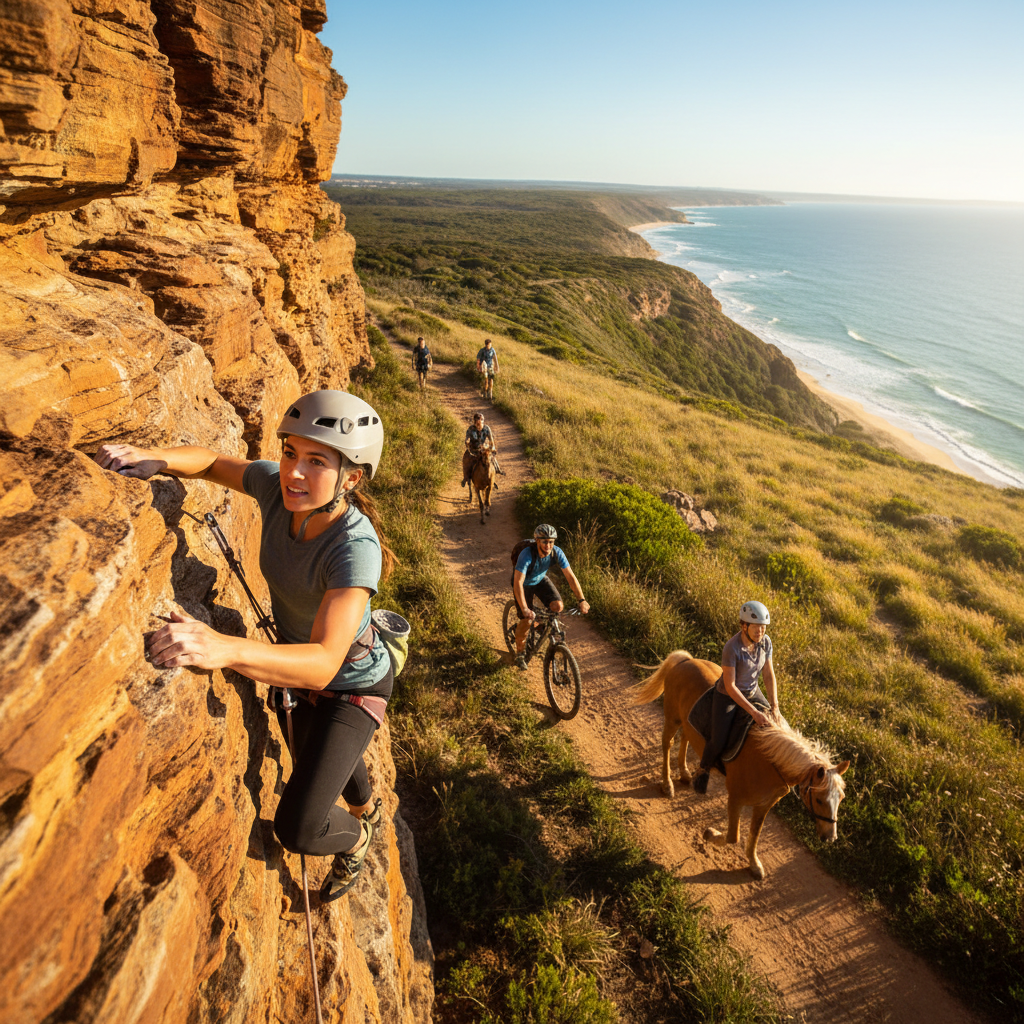
Beat the Heat, Stay Sharp: Your Helmet Guide for Long Australian Climbs
Australia. Beautiful, vast, and often brutally hot. If you're a climber, you know the drill: long days out, relentless UV, and the constant battle to stay hydrated and focused. Pushing your limits on a multi-pitch or a lengthy sport climb means your gear needs to work just as hard as you do. And that starts with your helmet – your first line of defence, keeping your head protected and, crucially, keeping you cool.
We're not talking about a quick half-hour sport climb. We're talking about those epic days where the sun is high, the UV index is serious (often extreme in peak Australian summer), and you're a good few hours from shade. These are the times when discomfort can quickly turn into distraction, impacting your performance and, more importantly, your safety. Overheating and dehydration sap your strength and cloud your judgment, and a poorly managed helmet can make it even worse.
This guide is for the practical climber. No-nonsense advice on how to manage heat and stay mentally sharp while your helmet is strapped on, even when the mercury is climbing. We'll cover everything from helmet choice to on-route strategies.
The Helmet: More Than Just Protection
Your helmet is your most vital piece of safety equipment. But in the Australian sun, it also plays a critical role in managing your body temperature. A helmet that traps heat is a recipe for disaster on a long day. This is where smart design and smart accessories make a massive difference.
Objection Handling: "My Helmet Gets Too Hot"
We hear it all the time. "Helmets are ovens." While some older or poorly designed helmets can feel that way, modern climbing helmets are designed with ventilation in mind. And even the best ventilated helmet can be enhanced.
Ventilation Design: Look for helmets with ample, well-placed vents. These aren't just holes; they're engineered to create airflow, drawing hot air away from your head.
Light Colours: A lighter coloured helmet will absorb less solar radiation than a dark one. It’s a simple physics principle that makes a noticeable difference.
Weight: Lighter helmets generally have less material to trap heat.
But what if you already have a helmet, or want extra insurance? That's where accessories come in. The most effective solution? A helmet brim.
The Game Changer: A Helmet Brim
Imagine this: The sun is beating down, directly into your eyes. You're squinting, your focus is shot, and you're absorbing unnecessary heat. A helmet brim doesn't just block the sun; it creates a shaded microclimate for your face and eyes. This is particularly impactful in Australia, where the sun angle can be fierce, even on a slightly overcast day.
A good brim, like the Da Brim, is designed to extend the shade provided by your helmet without compromising your field of vision or creating drag. It attaches easily to most standard climbing helmets.
Why a Brim for Long Routes?
1. Reduced Glare, Enhanced Focus: Less squinting means less eye strain and better concentration. On a complex pitch, you need every ounce of mental clarity.
2. Cooler Face: Direct sunlight on your face adds to your overall heat load. Blocking it helps regulate your temperature. Think of it like wearing a hat – it makes a difference.
3. Sunburn Prevention: Your face, especially around the eyes and forehead, is vulnerable. A brim offers physical protection against harmful UV rays.
4. Psychological Comfort: Feeling cooler and more comfortable leads to a better overall experience, allowing you to concentrate on the climb, not the heat.
For those long, exposed Australian ascents where the sun seems to follow you, a brim isn't a luxury; it's a performance enhancer.
Staying Cool: On-Route Strategies
Gear is one part of the equation. Your behaviour on the climb is another. Long routes demand discipline.
Hydration is Key
This is non-negotiable, especially in Australia's climate. Dehydration is a quick route to heat exhaustion and reduced cognitive function. Plan your water intake.
Sip Constantly: Don't wait until you're thirsty. Take small sips of water every 15-20 minutes.
Electrolytes: For prolonged efforts, especially in heat, electrolyte supplements are crucial to replace salts lost through sweat.
Carry Enough: Estimate your needs based on the length of the route, temperature, and your personal exertion level. It's always better to have a little extra.
Strategic Rest and Shade
While perfectionists might aim for non-stop ascents, smart climbers use available opportunities.
Belay Stance Comfort: When you're at a belay stance, if there's any hint of shade, use it. Even a few minutes can help.
Minimize Sun Exposure During Rests: If you're on a multi-pitch, try to position yourself so your belayer (or you from below) can offer some shade. This is often impossible on highly exposed routes, making your helmet and brim even more important.
Managing Sweat
Sweat is your body's cooling mechanism, but excessive sweat can lead to dehydration and salt build-up.
Headbands: A lightweight, moisture-wicking headband worn under your helmet can help manage sweat dripping into your eyes and face.
Regular Wiping: If possible, use a bandana or cloth to wipe away sweat during rests.
Practical Gear Checklist for Long Climbs
Here’s a quick rundown of what to consider when preparing for a long, hot day on the rock:
Helmet: Look for excellent ventilation and a light colour.
Helmet Brim: Essential for sun and heat management. Easy to install.
Water: Sufficient quantity, plus electrolytes.
Sunscreen: High SPF, applied before you leave and reapplied as needed.
Lip Balm with SPF: Often overlooked, but your lips can burn.
Sunglasses: For the approach, descent, and any non-climbing time squinting.
Moisture-Wicking Clothing: Breathable fabrics that help manage heat and sweat.
Headband/Bandana: To manage sweat.
Step-by-Step: Optimising Your Helmet Comfort
Let's break down the process of ensuring your helmet aids, rather than hinders, your performance on a long route.
Step 1: Helmet Selection (If Buying New)
Prioritise Ventilation: Examine the helmet's vent placement and size. Does it look like it will promote airflow?
Consider Colour: Opt for lighter colours to reflect solar radiation.
Fit is Paramount: A helmet that fits poorly will be uncomfortable, regardless of ventilation. Try it on, ensure it’s snug but not tight.
Check for Brim Compatibility: If a brim is a priority, ensure your chosen helmet can accommodate one easily. See our Products page for options.
Step 2: Pre-Climb Setup
Install Your Brim: Attach your Da Brim securely to your helmet. Test it to ensure it doesn't obstruct your vision or unbalance the helmet. Follow our simple How to Install guide.
Hydration Pack/Bottles: Load your water system. Ensure it's easily accessible.
Sunscreen Application: Apply liberally and thoroughly to all exposed skin, including your neck and ears.
Step 3: On the Route Management
Wear Your Headband: Put it on before your helmet. It absorbs sweat.
Sip Water Regularly: Stick to your hydration schedule.
Strategic Shade Use: Maximise any available shade during rests.
Monitor Your Condition: Be aware of your body's signals. If you feel excessive heat, dizziness, or fatigue, assess the situation and consider descending or resting more.
Step 4: Post-Climb Care
Clean Your Gear: Wash your helmet and any fabric accessories to remove sweat and salt.
- Rehydrate Thoroughly: Continue drinking water (and consider electrolytes) after the climb.
The Importance of Staying Focused
Heat and discomfort are major distractors. When you're hot, tired, and squinting into the sun, your brain struggles to perform at its best. This can lead to mistakes: missed holds, misjudged cruxes, or communication errors.
By proactively managing your thermal comfort and sun protection with a good helmet and a functional brim, you free up your mental energy. You can focus on the climb, your breathing, your technique, and your partner. This enhanced focus is crucial for safely navigating challenging routes, especially those long, sun-baked classics found all over Australia.
Frequently Asked Questions About Helmet Comfort
We get a lot of questions about staying comfortable on long routes. Here are a few common ones:
Q: Will a brim make my helmet unstable in the wind?
A: A properly designed and fitted brim, like the Da Brim, is engineered to minimise drag. While strong gusts can affect any headwear, you'll find they are surprisingly stable. Always ensure a secure fit. For more details, check our FAQ.
Q: Can I wear a cap under my helmet?
A: A thin, moisture-wicking headband is generally better. A bulky cap can trap heat and provide a less secure helmet fit. Some very thin cycling caps might work, but experiment carefully.
Q: How often should I reapply sunscreen on a long climb?
A: This depends on the sunscreen's SPF, your sweat rate, and the intensity of the sun. A good rule of thumb is to reapply every 2-3 hours, or more often if you’re sweating heavily or after any water activities.
Q: My helmet feels too tight when I sweat. What can I do?
A: Ensure your helmet is adjusted correctly when dry. If it's genuinely too tight when warm, you might need a helmet with more adjustable strapping or a different internal padding system. A well-ventilated helmet with a brim will also help prevent excessive sweating.
Conclusion: Climb Smarter, Not Just Harder
Long climbing days in Australia are incredible experiences. Don't let heat and sun glare reduce your enjoyment or compromise your safety. By investing in smart gear, like a well-ventilated helmet and an effective brim – and by adopting disciplined on-route strategies – you can significantly improve your comfort and focus.
It’s about optimising your performance by managing the environmental factors you can control. A cool head is a focused head, and a focused head is a safer, more successful climber.
Remember to check out our range of Products and Blog for more climbing tips. Happy climbing!