
Beat the Heat: Stay Cool on Summer Climbs with Your Helmet
Summer climbs in Australia are brutal. High UV, intense heat, and long days demand smart strategies to stay cool and safe under your helmet. This guide offers practical, no-nonsense advice for cyclists.
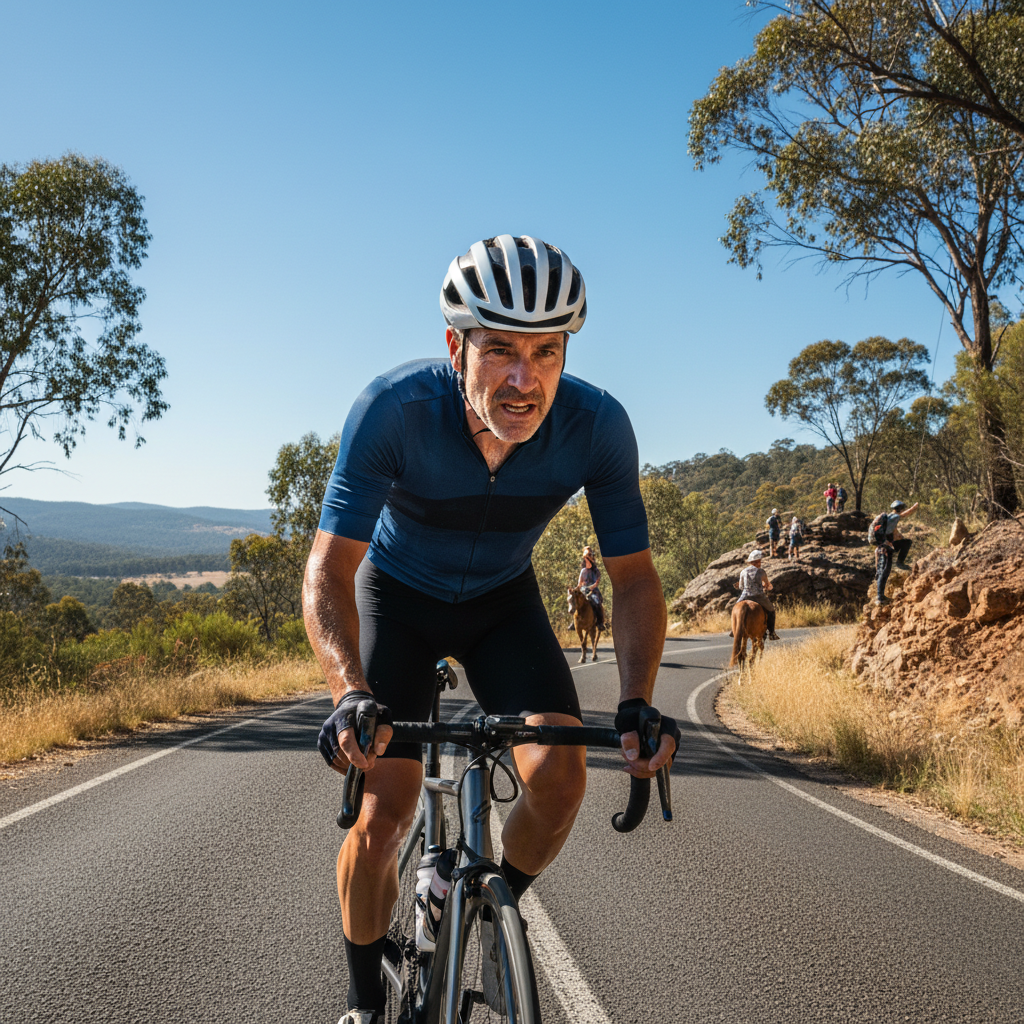
Beat the Heat: Stay Cool on Summer Climbs with Your Helmet
Australian summer. The sun’s a beast, the UV index is usually high, and those long, punishing climbs can feel like an oven on wheels. You’re wearing your helmet – because you're smart – but that doesn't mean you have to feel like a baked potato under it. Staying cool on these rides isn't just about comfort; it's crucial for performance and preventing heatstroke.
This isn't about fancy gadgets or complicated techniques. This is about practical, hard-won knowledge for smashing those summer ascents without melting.
The Helmet Conundrum: Ventilation vs. Sun Protection
We get it. You hear 'helmet' and think 'heat trap'. Traditional helmets prioritize ventilation, which is great for airflow, but often leave your face and neck exposed to the relentless Aussie sun. Riding with a separate hat under your helmet? Creates more heat, feels claustrophobic, and is generally a bad idea for safety and comfort. So, what's the go?
The answer is smart design. Helmets with integrated, effective sun protection are a game-changer for Australian conditions. Think about it: the sun beats down from above, right where your head is. Protecting that area directly, without compromising airflow, is key.
Why Staying Cool Matters on the Climb
It’s simple physics and physiology. When your core temperature rises, your body has to work harder to cool itself. This diverts blood flow away from your working muscles, straight to your skin for cooling. The result? You feel tired, your legs burn faster, and your pace tanks. Beyond performance, excessive heat can lead to:
Dehydration: You sweat more, obviously, and if you don't replenish fluids, you’re in trouble.
Heat Exhaustion: Symptoms include dizziness, nausea, heavy sweating, and a rapid pulse. Not something you want to be dealing with miles from home.
Heatstroke: This is a medical emergency. High body temperature, confusion, and loss of consciousness. Don't mess around with this.
Australian Conditions: A Quick Reality Check
We're not talking about a mild European summer here. Australian summer means:
High UV Index: Peak hours often push into the danger zone, meaning sunburn and long-term skin damage are real risks, even on cloudy days. Extended exposure without protection is asking for trouble.
Intense Heat: Daytime temperatures routinely hit the high 30s and even 40s Celsius, especially inland and in the north. Even coastal areas can bake.
Longer Daylight Hours: Early morning or late afternoon rides might seem like a good idea, but the sun’s angle can still be brutal, especially on climbs where you’re exposed for longer periods.
Practical Strategies to Stay Cool and Protected
It's not just about the helmet. It’s about a holistic approach to your ride.
1. Hydration: Your First Line of Defence
This is non-negotiable. Drink before you ride, during, and after. Don’t wait until you’re thirsty; thirst is a sign you’re already behind.
Electrolytes: On long or very hot rides, plain water isn't enough. Add electrolyte tabs or drinks to replace the salts you lose through sweat. This helps your body absorb water more effectively and prevents cramping.
Cold Water: If you can, use insulated bottles and fill them with ice-cold water. It’s a small trick, but that cold hit can make a difference.
Regular Sips: Don't chug. Take small, frequent sips to keep your system topped up.
2. Timing is Everything
Avoid the harshest part of the day whenever possible. If you can ride early in the morning or later in the evening, do it. This significantly reduces your exposure to peak UV and the most oppressive heat.
Dawn Patrol: Beat the heat and the crowds. Coffee afterwards is mandatory.
Sunset Sessions: A beautiful way to finish the day, but be aware of decreasing light and still-present heat.
3. Gear Up Smart
What you wear under your helmet matters. Forget bulky caps.
Helmet Brim: This is where a quality helmet comes into play. A helmet with a well-designed, integrated brim offers shade to your face, neck, and ears without hindering airflow. This is far superior to trying to jury-rig shade.
Lightweight, Breathable Clothing: Opt for cycling jerseys and shorts made from moisture-wicking fabrics. Light colours reflect more sun than dark colours.
Sunscreen: Even with a brim, areas like your arms, legs, and the back of your neck can get hammered. Apply a broad-spectrum, sweat-resistant sunscreen with a high SPF liberally.
4. Pace Yourself on the Climb
This might seem obvious, but it’s worth stating. Pushing too hard in the heat is a recipe for disaster. Listen to your body.
Moderate Effort: Find a sustainable pace. You should be able to hold a conversation (albeit a breathy one) if you're climbing efficiently and not overheating.
Breaks: If you're on a very long climb, don't be afraid to take short standing breaks. Use this time to take a sip of water and allow your body to cool slightly. Find shade if you can.
5. Use Water Strategically
Beyond drinking, use water to cool yourself down.
Douse Your Helmet: If you stop at a tap or a friendly servo, pour a little water over your helmet (especially the vents if it has them) and your head. The evaporation will have a cooling effect.
Soak a Scarf/Bandana: A thin, light-coloured bandana soaked in cool water and worn around your neck can provide significant cooling as the water evaporates. Make sure it doesn't interfere with your helmet strap.
Integrating Sun Protection and Cooling with Your Helmet
Let’s be blunt: the best strategies involve using gear designed for the job. Relying on makeshift solutions or ignoring sun protection is a false economy. A helmet with a substantial brim is your most effective single piece of equipment for protecting your head and face from the sun while you climb.
Think about the angles. The sun is high on a climb. Where does it hit? Your head, your face, your neck. A helmet brim is designed to block this direct overhead sun. It’s not just about looking good; it’s about function.
When choosing a helmet, consider:
Brim Size and Shape: Does it offer significant shade without obstructing your vision?
Ventilation: Are the vents positioned to allow good airflow around your head, even with the brim?
Fit: A well-fitting helmet is crucial for safety and comfort.
Case Study: The Da Brim Helmet Brim
For many cyclists in Australia, the frustration with standard helmets boils down to one thing: inadequate sun protection. That's where a solution like the Da Brim Helmet Brim comes in. It’s designed to attach to existing helmets to add a substantial brim, providing much-needed shade to your face and neck.
It's engineered to work with your helmet's ventilation, not against it. This means you can get the sun protection you need for those long, exposed summer climbs without overheating.
Pre-Ride Checklist for a Cooler Climb
Before you even roll out the door, tick these off:
[ ] Hydration: Bottles full, ideally with electrolytes. Cool water is a bonus.
[ ] Sunscreen: Applied to all exposed skin (face, neck, arms, legs).
[ ] Helmet: Check it’s secure. If using an add-on brim like Da Brim, ensure it's properly attached (see How to Install).
[ ] Clothing: Light colours, moisture-wicking fabrics.
[ ] Route Awareness: Know where shaded sections might be, or if water stops are available.
- [ ] Timing: Is the ride planned to avoid peak heat/UV?
Common Objections and How to Handle Them
Objection 1: "Helmets are too hot anyway, especially in summer."
Response: Traditional helmets can be. But modern designs, especially those with integrated or add-on brims, focus on balancing ventilation with sun protection. The heat you feel is often more from sun striking your head and face than just trapped air. A brim helps block that direct solar radiation. Remember, your body generating heat from exertion is a given; blocking external heat sources is key.
Objection 2: "I don't want to wear extra gear."
A helmet brim like Da Brim is designed to be lightweight and integrated, not an encumbrance. It’s a single addition that significantly boosts comfort and safety. Unlike a separate hat or cap under your helmet, it doesn’t trap more heat or compromise safety.
Objection 3: "I'm only riding for an hour, I'll be fine."
If that hour is during peak Australian summer sun, you might be surprised. High UV can cause damage quickly, and even an hour of intense heat can dehydrate you and lead to fatigue. It's better to be prepared.
Conclusion: Conquer Your Climbs, Beat the Heat
Summer climbs in Australia are a test of endurance and smarts. By focusing on practical strategies – prioritising hydration, timing your rides, wearing appropriate gear like a helmet with effective sun protection, and pacing yourself – you can not only survive but thrive. Don't let the heat dictate your ride. Invest in smart gear, prepare thoroughly, and enjoy those stunning hilltop views without feeling cooked.
Check out our range of Products to find solutions that keep you cool and protected. For more tips, visit our FAQ or explore more articles on our Blog.