
Beat the Heat: Stay Cool and Safe When Riding in Australian Summer
Don't let soaring temperatures stop you from enjoying your horses this summer. Learn practical strategies to manage heat stress while wearing your helmet and riding in Australia's harsh conditions.
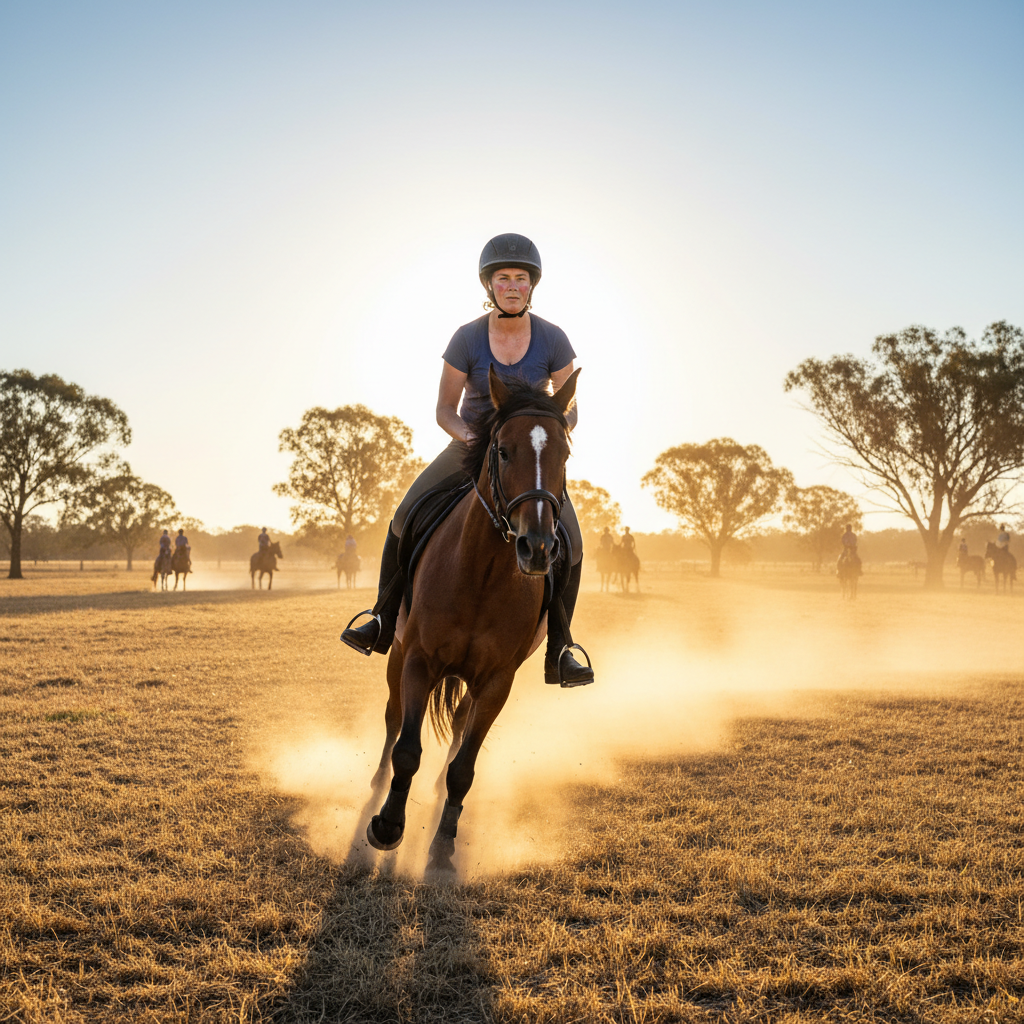
Beat the Heat: Stay Cool and Safe When Riding in Australian Summer
Australian summers are legendary. Long, sun-drenched days are perfect for riding, but let's be honest, that glorious sunshine comes with a serious dose of heat. For us equestrians, the combination of physical exertion, a heavy riding helmet, and temperatures that can easily climb into the high thirties or beyond can be a recipe for heat stress. Ignoring it isn't an option – it impacts your performance, your horse's well-being, and most importantly, your safety.
This isn't about complaining about the weather; it's about adapting and riding smarter. We're talking practical, no-nonsense advice to keep you cool, comfortable, and focused on the ride, even when the mercury is skyrocketing.
Understanding Heat Stress: It's More Than Just Sweating
Heat stress occurs when your body struggles to cool itself down effectively. When you're riding, your body generates heat. Combined with the external heat and the insulation of your riding helmet, your core temperature can rise. Initially, you'll sweat a lot. But if your body can't dissipate enough heat, it can lead to fatigue, reduced concentration, dizziness, headaches, and in severe cases, heatstroke – a medical emergency.
Australian conditions are particularly challenging. Our UV index often hits extreme levels during summer, meaning sunburn is a real threat even on shorter rides you might not expect. Coupled with significant heat, dehydration can sneak up on you fast. Riding for extended periods, as many of us do, amplifies these risks.
Your Helmet: Friend and Foe in the Heat
Your riding helmet is non-negotiable for safety. It's your best defence against serious head injuries. However, it's undeniable that helmets, especially older models, can feel like a personal sauna in the summer heat. They trap heat and moisture, contributing to that feeling of being overheated. This is where smart choices and accessories come into play.
Many modern helmets are designed with ventilation in mind, using strategically placed vents to allow airflow. But even the best ventilated helmet can feel intense on a 40-degree day. The key is to work with your helmet, not against it.
Practical Strategies to Manage Heat While Riding
Let's get down to brass tacks. Here’s how you can actively manage heat and ride more comfortably and safely this summer.
1. Hydration is Your Primary Weapon
This is the absolute cornerstone of heat management. You lose fluids through sweat, and you need to replace them before you feel thirsty. Thirst is a sign you're already starting to dehydrate.
Pre-hydrate: Start drinking water well before you even head to the stables. Aim for clear urine – that’s a good indicator of hydration.
Sip Constantly: Carry water with you and take small, frequent sips throughout your ride and in breaks. A hydration pack can be a game-changer for longer rides.
Electrolytes Matter: Sweating loses not just water, but also essential salts like sodium and potassium. Consider electrolyte drinks or tablets, especially for longer sessions or if you're sweating heavily. Plain water is fine for shorter rides, but electrolytes can help your body retain water better and prevent cramping.
Avoid Dehydrating Drinks: Steer clear of excessive caffeine and alcohol, as they can have a diuretic effect, making you lose more fluids.
2. Dress for Success (and Survival!)
Your riding attire can make a surprising difference.
Lightweight Fabrics: Opt for lightweight, breathable fabrics for your base layers and even your schooling shirts. Think technical fabrics designed to wick moisture away from your skin.
Light Colours: Dark colours absorb more heat. Lighter shades will reflect sunlight and feel cooler.
Sun Protection Isn't Just About Your Skin: While your helmet protects your head, your neck and face are still exposed. A lightweight, breathable sun neck gaiter or a wide-brimmed hat to wear before and after your ride, or during yard work, is crucial.
3. Timing is Everything
This is perhaps the easiest and most effective strategy, but often overlooked. Why ride in the absolute hottest part of the day?
Early Mornings: Ride before the sun really starts to bake. The air is cooler, and the UV levels are lower.
Late Evenings: The golden hour can be beautiful, and as the sun sets, temperatures drop significantly.
Breaks: If you must ride during the day, break up your session. Take a good long break in the shade, rehydrate, and let your body cool down.
4. Helmet Hacks for Cooler Riding
Your helmet is essential, but you can make it work for you.
Ventilation is Key: If you're in the market for a new helmet, prioritise models with excellent ventilation. Look for designs with large, well-placed vents and good airflow channels. Check out our range of Products – we have options designed with rider comfort in mind.
Cooling Headwear: Underneath your helmet, wear a thin, sweat-wicking skull cap or a cooling headband. These absorb sweat and can help to wick moisture away from your scalp. Some even contain cooling gels.
Dampen Down: For short periods, and if your helmet liner allows (check this!), you can lightly dampen a cooling headband or skull cap before putting your helmet on. This provides a evaporative cooling effect.
Strategic Breaks: When you take a break from riding, remove your helmet. This allows your head to breathe and cool down significantly.
5. Acclimatise and Listen to Your Body
Your body gets stronger and more resilient when exposed to heat over time. If you're not used to riding in hot weather, start with shorter rides and gradually build up duration.
Crucially, pay attention to the signs of heat stress:
Excessive sweating, followed by a lack of sweating
Cool, clammy skin
Dizziness and lightheadedness
Headache
Nausea
Muscle cramps
Rapid pulse
Fatigue
If you experience any of these, stop immediately, move to a cooler place, and rehydrate. If symptoms are severe or don't improve, seek medical attention.
Dealing with Common Objections
Let's address some reasons why people might push through the heat when they shouldn't.
"It's too hot to ride, but I have to school my horse."
Objection Handling: Reframe it. Riding in extreme heat risks your health and your horse's. A poorly focused rider is a danger. Can you swap your schooling session for a lighter ground-based activity, grooming, or a swim in the paddock dam (for you as well as the horse!)? Perhaps a very early morning or late evening ride is a better alternative. It’s about quality and safety, not just quantity.
"My helmet is the reason I get so hot."
Objection Handling: Your helmet is a safety essential. Don't ditch it. Instead, use the strategies above to mitigate the heat. Invest in a helmet with superior ventilation, wear cooling underlayers, and ensure you're hydrating effectively. For more on helmet care and fit, our FAQ page has valuable information.
"I just power through it."
Objection Handling: This is the most dangerous mindset. Heat stress isn't just about discomfort; it's a serious risk to your health. Pushing through can lead to impaired judgment, slower reflexes, and potentially heatstroke. Your horse also suffers in the heat, and a compromised rider can overexert them.
Pre-Ride Checklist for Hot Weather
Keep this simple list handy.
[ ] Check the weather forecast and UV index.
[ ] Plan your ride timing to avoid peak heat.
[ ] Drink at least 500ml of water before you leave.
[ ] Pack extra water and electrolyte supplements for your ride.
[ ] Wear lightweight, light-coloured riding gear.
[ ] Ensure your helmet has good ventilation and consider a cooling skull cap.
- [ ] Inform someone of your riding plans.
Step-by-Step: Cooling Down After Your Ride
Even with the best preparation, you'll be hot after a summer ride. Here's what to do:
1. Remove Helmet: As soon as you dismount, take your helmet off. This is the single most effective thing you can do to start cooling your head.
2. Cool Water: Splash cool (not icy cold) water on your face, neck, and wrists. These are pulse points where blood is close to the surface, helping to cool your blood.
3. Hydrate: Continue drinking water or electrolyte drinks.
4. Rest in Shade: Sit in the coolest, shadiest spot available.
5. Loosen Clothing: Remove any restrictive or tight layers.
6. Monitor Yourself: Be aware of how you're feeling. If you're still feeling overheated or unwell, take further steps to cool down, like a cool shower.
Conclusion: Ride Smart, Ride Safe, Ride Cool
Australian summers are brilliant, and they don't have to mean days off from the saddle. By adopting a proactive approach to heat management, choosing the right gear – including a well-ventilated helmet, and making smart decisions about when and how you ride, you can significantly reduce your risk of heat stress. Prioritise hydration, dress appropriately, and always listen to your body. Your safety, and enjoyment of your equestrian pursuits, depends on it. For safety reminders and more great tips, explore our Blog!
Remember, a safe ride is always the best ride. For a wide range of helmets and accessories designed for comfort and safety, visit our Products page. And if you're unsure about helmet installation or care, our How to Install guide and FAQ page are always available.