
Beat the Heat: Stay Cool and Protected on Long Equestrian Rides in Australia
Don't let the Australian sun or a sweltering day cut your riding sessions short. Learn practical strategies to stay cool, comfortable, and sun-safe while wearing your helmet.
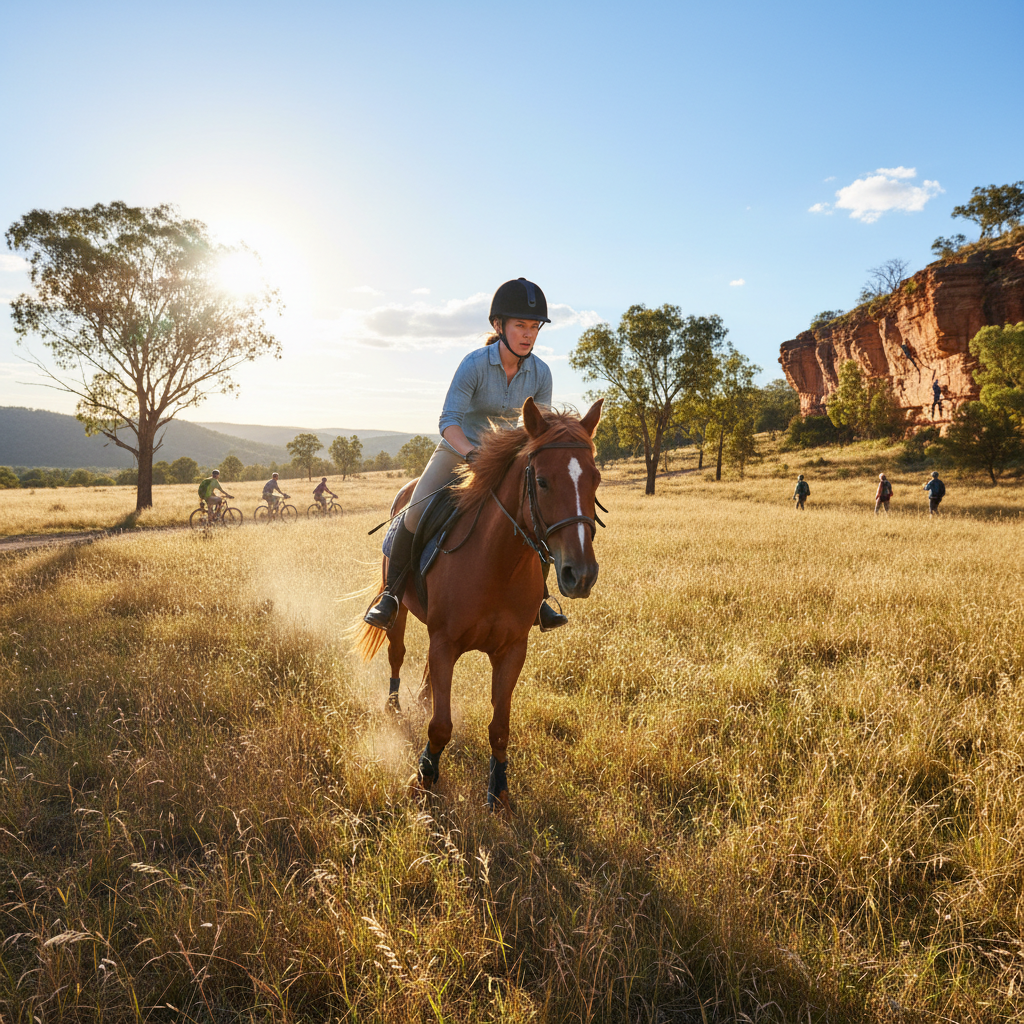
Beat the Heat: Stay Cool and Protected on Long Equestrian Rides in Australia
The Australian sun is a beautiful thing, but it can also be relentless. For equestrians, this presents a unique challenge: how to stay comfortable and safe during long riding sessions when the mercury is climbing and the UV index is high. Wearing a helmet is non-negotiable for safety, but it can also feel like wearing a portable sauna when the heat kicks in. This guide is for you – the rider who wants to push through those longer rides without wilting.
We're not talking about a quick 30-minute trot. We're talking about those multi-hour endurance sessions, training days that run long, or simply enjoying a leisurely extended trek through the countryside. In Australia, especially during our long summer days, keeping cool and protected from the sun's harsh rays is paramount. Ignoring it leads to discomfort, fatigue, and a significantly increased risk of heatstroke and sunburn.
The Helmet Factor: Comfort vs. Safety
Let's address the elephant in the arena: helmets get hot. They're designed for protection, often with robust shell materials and ventilation systems. However, during prolonged exertion in high temperatures, the heat absorbed and trapped by your helmet can contribute significantly to feeling overheated. This is where proactive strategies come into play.
Understanding the Risks in Australian Conditions
Australia's UV levels are among the highest in the world. Even on cooler days, intense UV radiation can cause sunburn and long-term skin damage. When you add high temperatures and humidity, the risk of heat-related illnesses like heat exhaustion and heatstroke escalates rapidly. Long riding sessions mean prolonged exposure to these elements. Our advice is practical, no-nonsense, and designed to keep you in the saddle, safely and comfortably.
Core Strategies for Staying Cool
Staying cool isn't just about one trick; it's a multi-faceted approach. It involves preparation, smart choices during your ride, and effective cooling methods.
1. Hydration is Your Best Friend:
This is not an option; it's an absolute necessity. You sweat more when you're hot and exerting yourself. This sweat is your body's natural cooling mechanism, but it also means you're losing fluids and electrolytes. Dehydration leads to fatigue, headaches, muscle cramps, and impaired judgment – all dangerous on a horse.
Before the Ride: Start hydrating hours before you even think about tacking up. Don't wait until you're thirsty. Aim for clear or light-yellow urine as a sign of good hydration.
During the Ride: Take regular sips from a water bottle. If you're on a long trek, plan checkpoints where you can dismount and take a longer drink. Electrolyte drinks can be beneficial for very long or intense sessions, but pure water is crucial.
After the Ride: Continue to rehydrate. Replace lost fluids and electrolytes.
2. Strategic Timing:
If possible, avoid riding during the hottest parts of the day. Early mornings and late afternoons/evenings are significantly cooler and offer lower UV exposure. This is especially true during the peak Australian summer months. Plan your longest rides for these times.
3. Smart Gear Choices (Beyond Just Your Helmet):
Your helmet is crucial, but it's not the only piece of gear that affects your comfort.
Wicking Fabrics: Wear light-coloured, breathable, and moisture-wicking base layers under your riding shirt. This helps draw sweat away from your skin.
Sun-Protective Clothing: Long sleeves and trousers made from lightweight, breathable, sun-protective fabrics are ideal. They shield your skin from UV rays more effectively than sunscreen alone, especially during long exposure.
Sun Hat Under the Helmet? This is a tricky one. A thin, moisture-wicking skull cap or headband can sometimes help absorb sweat and provide a slight barrier. However, a thick hat can trap more heat and affect helmet fit. Test this before a long ride.
4. Harnessing Ventilation:
Modern helmets have ventilation systems. Make sure you're using them effectively. Keep vents clear of debris. If your helmet has adjustable vents, open them fully.
Introducing Da Brim: Your Helmet's New Best Friend
This is where practical innovation comes in. While no helmet is designed to be air-conditioned, external additions can dramatically improve your comfort and sun protection. This is where a product like Da Brim can be a game-changer for equestrian riders.
Da Brim is a helmet brim that attaches to your existing riding helmet. It's designed to shade your face, neck, and ears from the sun's damaging UV rays and can also help to direct airflow around your head, potentially making your helmet feel cooler. It’s lightweight, durable, and importantly, designed to stay on.
How Da Brim Helps:
Superior Sun Protection: The wide brim offers significant shade, reducing the amount of direct UV radiation hitting your face and neck, areas that often burn even with sunscreen, especially during long days in the saddle.
Reduces Glare: Better visibility means safer riding. The brim cuts down on glare from the sun.
Potential Cooling Effect: By shading your head and face, Da Brim can help prevent excessive heat absorption. While it doesn't actively cool you, by reducing direct sun on your head, it contributes to a feeling of being cooler.
Durable and Secure: Designed to withstand riding conditions, it's made from robust materials and attaches securely to your helmet. Installation is straightforward; check out our How to Install guide.
Objection Handling:
"Will it look ridiculous?" Da Brim is designed with aesthetics in mind, available in various colours and styles that complement typical equestrian helmets. Functionality for comfort and safety is the priority, and the look is a well-considered secondary factor.
"Will it fall off?" The attachment system is engineered for a secure fit during equestrian activities. Proper installation, as outlined in our guide, is key.
"Will it make my helmet hotter?" While it adds a layer, the primary function is to shield from the sun's direct heat. By diffusing direct UV and sun rays, it can help prevent your helmet and head from absorbing as much heat as they would otherwise. The key is the added shade.
Practical Cooling Techniques During Your Ride
Even with the best preparation and gear, sometimes you need to actively cool down. Here's how:
1. Cool Water Spritz:
Keep a small spray bottle filled with cool water in your saddlebag. A quick spritz on your face, neck, and wrists can provide instant relief. These areas have a high concentration of blood vessels close to the skin, so cooling them helps lower your overall body temperature.
2. Damp Bandana or Neck Scarf:
A lightweight, breathable bandana or neck scarf can be soaked in cool water and worn around your neck. As the water evaporates, it cools you. Ensure it's not too bulky to interfere with your helmet fit or safety.
3. Planned Breaks:
If you're on a long endurance ride, plan for breaks in shaded areas. Dismount, untack your horse if feasible, and allow yourselves to cool down. This is also a good time for extra hydration.
4. Riding Pace:
Adjust your riding pace according to the conditions. If you're overheating, slow down. Conserve your energy and your body's ability to regulate temperature.
Pre-Ride Preparation Checklist
Before you head out for a long session, run through this quick checklist:
[ ] Hydrated: Am I properly hydrated? (Check urine colour).
[ ] Appropriate Timing: Is it the coolest part of the day I can manage?
[ ] Sun Protection: Hat? Sunscreen applied? Appropriate clothing?
[ ] Water Supply: Enough water for the entire ride?
[ ] Cooling Aids: Water spray bottle? Damp bandana prepared?
[ ] Helmet Check: Is my helmet ventilated and secure? Is Da Brim (if used) installed correctly?
[ ] Planned Route: Are there shaded areas or planned breaks?
Step-by-Step Cooling During a Long Ride
Let's break down how to actively manage your temperature during an extended ride:
Step 1: Initial Assessment (First 30-60 minutes)
Begin your ride at a moderate pace.
Pay attention to initial body temperature and sweat levels.
Ensure hydration is consistent.
Step 2: Gradual Cooling Measures (As Needed)
If you start feeling noticeably warm, take a sip of water.
If heat is persisting, consider a spritz of cool water on your face and neck.
If using a damp bandana, ensure it's still cool and effective.
Step 3: Planned Break (Mid-Ride or When Feeling Overheated)
Seek shade if possible.
Dismount and allow your body to cool naturally.
Take a substantial drink of water, possibly an electrolyte replacement.
If using a spray bottle, use it liberally on pulse points (wrists, neck).
Step 4: Moderate Pace for Remainder of Ride
Avoid pushing yourself if temperatures are still high.
Continue with regular sips of water.
Reassess comfort levels periodically.
Step 5: Post-Ride Rehydration and Cool Down
Immediately after dismounting, continue to drink water.
If very hot, consider a cool shower or bath at home.
Listen to your body; if you feel unwell, seek medical attention.
Essential Gear Recap
Here’s a quick rundown of gear that aids in keeping cool:
| Item | Purpose |
|---|---|
| Helmet | Essential safety equipment. |
| Da Brim | Adds shade, reduces glare, aids in feeling cooler. |
| Wicking Base Layer | Pulls moisture away from skin. |
| Breathable Riding Gear | Allows air circulation. |
| Water Bottles/Bladder | Crucial for consistent hydration. |
| Spray Bottle | For quick, refreshing cool-downs. |
| Damp Bandana/Scarf | Evaporative cooling on pulse points. |
Beyond the Ride: Recovery
Proper recovery is part of staying safe for your next ride. If you've been riding in hot conditions, ensure you don't just stop and forget about cooling down. Continue to drink water, rest in a cool place, and monitor yourself for any signs of heat exhaustion. For more general equestrian advice, explore our Blog section.
FAQs
We know you might have more questions. You can find answers to common queries on our FAQ page. Remember, safety and comfort on your horse are paramount, no matter how long the ride or how hot the Australian sun.
Investing in practical solutions for staying cool and protected, like a Da Brim helmet brim, is a smart move for any serious equestrian. Don't let the heat dictate your training or enjoyment. Prepare, adapt, and ride smart. Browse our full range of Products to find the perfect fit for your needs.