
Beat the Heat: Stay Cool and Protected During Long Equestrian Rides
Don't let the Australian sun and heat cut your rides short. Learn practical strategies to stay cool, comfortable, and sun-safe while wearing your helmet.
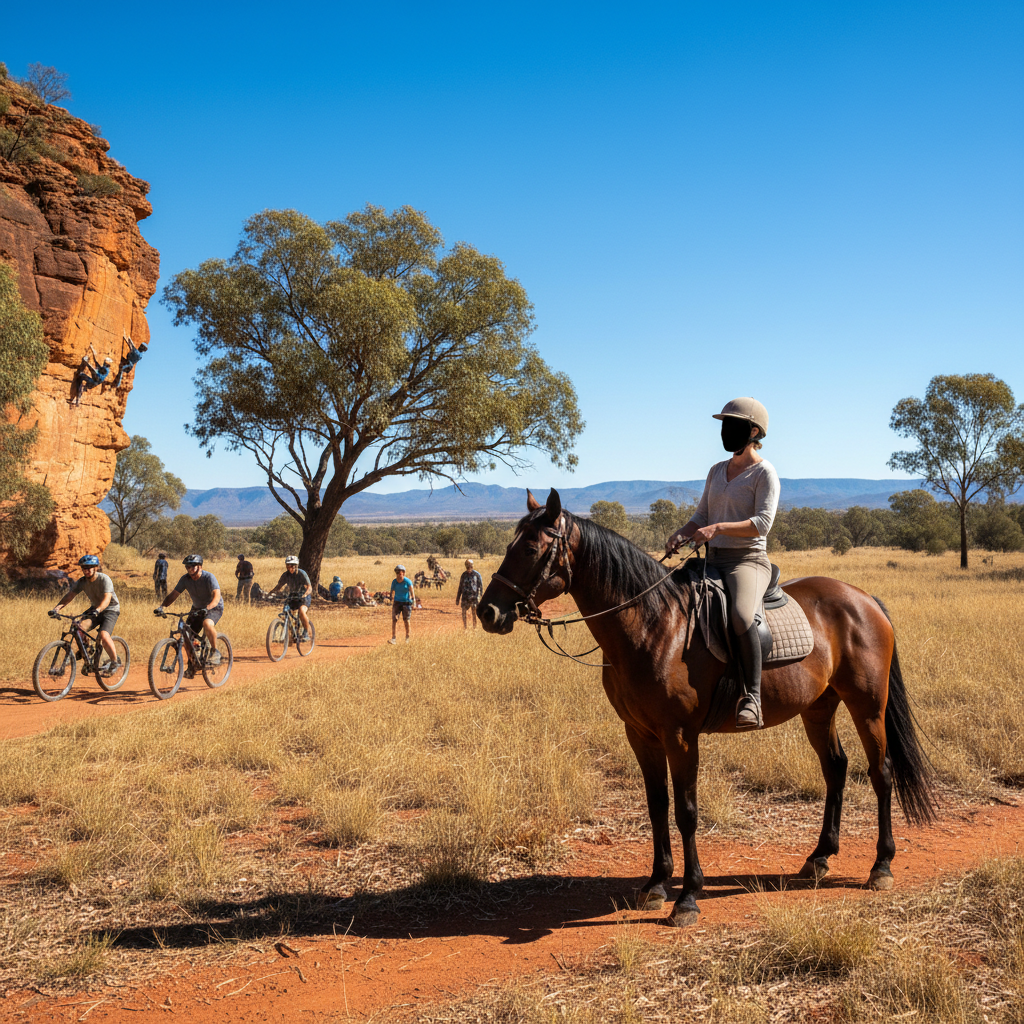
Beat the Heat: Stay Cool and Protected During Long Equestrian Rides
Australia. We love it. But that beautiful, strong sun and often scorching heat can make even the most dedicated rider rethink that extra hour in the saddle. Long riding sessions, especially during peak summer or in the hotter inland regions, demand more than just a willingness to get on. You need a strategy to stay cool, comfortable, and crucially, protected from the harsh UV rays that are a constant presence.
As equestrians, we know our helmets are non-negotiable for safety. But they can also become a personal sauna on a hot day. This isn't just about comfort; prolonged heat exposure can lead to dehydration, heat exhaustion, and reduced concentration, all of which impact your performance and safety. And let's not forget the cumulative damage from the sun – even on overcast days, UV levels can be high.
This guide is about practical, no-nonsense ways to manage heat and sun exposure during your longer equestrian adventures, keeping your focus where it needs to be: on your horse and your ride.
Understanding the Challenge: Australian Sun and Heat
Australia's UV index is consistently high, often reaching extreme levels, particularly between 10 am and 3 pm. Long riding sessions mean prolonged exposure to this intense radiation. Combine that with ambient temperatures that can easily climb into the high 30s or even 40s Celsius, and the need for effective heat management becomes critical. Your helmet, while essential for protection, can trap heat and reduce airflow to your head, exacerbating the problem. Sweat will pour, and that feeling of being slowly cooked is a reality for many riders.
We’re not talking about short hacks; we’re looking at those days when you’re training for a competition, completing an endurance ride, or simply enjoying a long trail ride. These are the times when your body’s thermoregulation is put to the test, and your helmet can become a barrier rather than an aid if not managed correctly.
Common Objections and How to Overcome Them:
"My helmet is too hot to wear for long periods." This is a valid concern. Modern helmets have ventilation, but it has limits. We’ll cover ways to maximise your cooling, not just the helmet's.
"I get too sweaty and uncomfortable." Sweat is a natural cooling mechanism, but when it’s trapped or excessive, it becomes a problem. We’ll look at how to manage sweat more effectively.
"I don't have time for all these extra steps." These strategies are about efficiency and preparedness. A few minutes spent preparing can save you hours of discomfort and potential harm later.
"I just power through it." This is the most dangerous. Heat illness is serious and can sneak up on you. Prioritising your well-being is never a waste of time.
Strategies for Staying Cool and Protected
Staying cool is a multi-faceted approach, focusing on hydration, clothing, and modifying your environment where possible. Sun protection goes beyond just sunscreen – it's about physical barriers.
1. Hydration is King (and Queen)
This is the absolute cornerstone. You lose fluids much faster than you think when you’re physically active in the heat. Don't wait until you're thirsty; that's already a sign of dehydration.
Pre-hydrate: Drink plenty of water in the hours leading up to your ride. Aim for clear or pale yellow urine. Electrolyte drinks can be beneficial for very long or intense sessions to replace lost salts.
Sip frequently: Keep a water bottle accessible (in the stable, in your car) and drink small amounts regularly during your ride breaks. A hydration pack can be useful for longer trail rides where stops are infrequent.
Post-hydrate: Continue drinking water after your ride to fully rehydrate.
2. Smart Apparel Choices
What you wear beneath your helmet and over your body makes a significant difference.
Helmet Liners/Headbands: Specialised cooling headbands or thin, moisture-wicking liners worn under your helmet can absorb sweat and provide a sensation of coolness. Some are designed to be soaked in water for an extra cooling effect.
Lightweight, Breathable Riding Gear: Opt for light colours and fabrics that are designed to wick moisture away from your skin. Loose-fitting clothing allows for better air circulation. While stylish riding attire is important, performance fabrics can be your best friend on hot days.
Sun-Protective Clothing: Long sleeves and trousers made from UPF (Ultraviolet Protection Factor) rated fabric offer superior sun protection compared to sunscreen alone, especially for extensive exposure. These are often lightweight and breathable, so don't dismiss them as being too hot.
3. Maximising Helmet Ventilation and Heat Management
Your helmet does have vents, but they're only effective if air can flow through. We can also add external elements for extra shade and cooling.
Keep Vents Clear: Ensure the vents on your helmet are not blocked by hair, sweatbands, or dirt. If you have a removable liner, wash it regularly to maintain breathability.
Consider a Helmet Brim: This is where external solutions come into play. A wide-brimmed attachment for your helmet can significantly improve your comfort and sun protection. These brims can shield your face and neck from direct sun, reducing the radiant heat hitting you. They also help deflect sweat away from your eyes, keeping your vision clearer. Imagine the difference between direct sun on your face versus being in shade – that’s what a good brim can offer.
Our Products page features options designed precisely for this purpose, enhancing your existing helmet. Attaching them is usually straightforward; check out our How to Install guide.
4. Timing and Pacing
Sometimes, the easiest way to beat the heat is to avoid the worst of it.
Ride Early or Late: If possible, schedule your longer rides for the cooler parts of the day – early morning or late afternoon/early evening. This dramatically reduces your exposure to peak UV and heat.
Pace Yourself: On very hot days, don't push your horse or yourself too hard. Shorter bursts of exertion with adequate rest breaks in the shade are more sensible than a sustained, strenuous effort.
5. Taking Smart Breaks
Breaks aren't just for water. Use them strategically.
Seek Shade: When you take a break, find a shady spot for yourself and your horse. This allows your body temperature to lower naturally.
Cool Down: If you have access to water, a cool cloth on your neck or forehead can be incredibly refreshing. You can even dampen your cooling headband or ponytail for an extra chill.
Step-by-Step: Preparing for a Long, Hot Ride
Here's a practical plan to implement before you even tack up.
Step 1: Hydration Check
Morning: Drink a large glass of water.
1-2 hours before: Drink another glass, possibly with electrolytes.
During the ride: Have a water bottle readily accessible.
Step 2: Gear Up Smart
Wear a moisture-wicking base layer or cooling headband under your helmet.
Choose light-coloured, breathable riding attire. Consider UPF rated clothing for extended rides.
Ensure your helmet is clean and its vents are unobstructed. If using an attachment like a Da Brim, confirm it's securely fitted (see How to Install).
Step 3: Sun Protection Application
Apply broad-spectrum, high SPF sunscreen to any exposed skin – face, neck, arms, legs. Reapply during long breaks.
Wear sunglasses that offer UV protection to shield your eyes.
Step 4: Strategise Your Ride
Check the UV index and temperature forecast.
Plan your route to include shady spots for breaks.
Adjust your riding intensity and duration based on conditions.
Step 5: Post-Ride Recovery
Rehydrate thoroughly with water and/or electrolytes.
Cool down gradually. If you're feeling unwell, seek medical attention.
Putting it All Together: A Cheat Sheet
Here’s a quick reference to keep these essentials top of mind.
| Aspect | Key Actions |
|---|---|
| Hydration | Pre-hydrate, sip continuously, use electrolytes for long rides. |
| Headwear Comfort | Use cooling liners/headbands, keep vents clear, consider a helmet brim for shade and sweat deflection. |
| Apparel | Light colours, breathable fabrics, UPF clothing, loose fits. |
| Timing | Ride early mornings or late afternoons to avoid peak sun and heat. |
| Breaks | Seek shade, use cool cloths, rehydrate. |
| Sun Protection | High SPF sunscreen (reapply), UV-protective sunglasses. |
| Ride Management | Pace yourself, plan for breaks, shorten rides if heat is extreme. |
Frequently Asked Questions
We receive a lot of questions about managing heat and sun. For more in-depth answers, visit our FAQ page.
Can a helmet brim make me hotter?
It’s a common misconception. While it’s an additional piece of equipment, a good helmet brim's primary function is to shade your face and neck. This reduces the radiant heat hitting your skin, which can actually make you feel cooler overall. It also deflects sweat away from your eyes, improving comfort and potentially reducing irritation. The increased shade can outweigh the minor heat added by the brim itself.
How do I know if I’m getting heat-stressed?
Early signs include excessive sweating, dizziness, headache, nausea, and muscle cramps. If you experience these, stop riding immediately, cool down in a shaded area, and rehydrate. If symptoms worsen or don't improve, seek medical attention. It's better to be cautious than to push through.
Are there any specific products you recommend for cooling?
We offer a range of innovative Products designed to enhance comfort and protection for riders. A popular choice for heat management is a wide helmet brim attachment, which provides superior shade and helps manage sweat. You can find these and other useful accessories on our Products page.
Conclusion
Long riding sessions in the Australian sun don't have to be an exercise in enduring discomfort and risking heatstroke. By being prepared, making smart choices about your gear and clothing, prioritising hydration, and timing your rides wisely, you can significantly improve your comfort and safety. Don't let the heat dictate your riding limits. Embrace the sun responsibly, and enjoy every moment in the saddle.
Remember to check our Blog for more tips and advice for equestrians.