
Beat the Heat: Riding Your Bike in Extreme Australian Conditions
Don't let the scorching Australian sun and extreme heat stop your ride. This practical guide for helmet wearers covers everything from pre-ride prep to staying cool on the bike, handling objections and keeping you safe and comfortable.
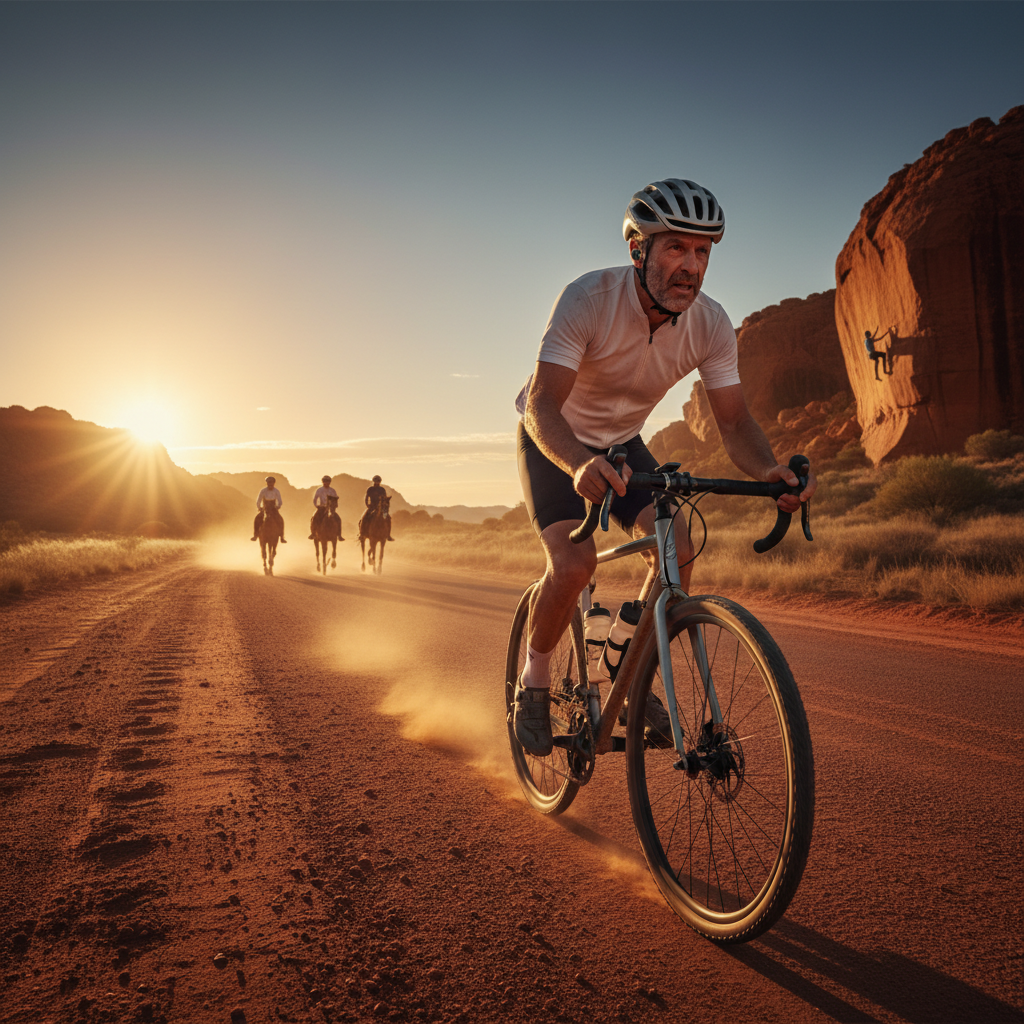
Beat the Heat: Riding Your Bike in Extreme Australian Conditions
Australia. We love its wide-open spaces, its killer coastlines, and yes, its sunshine. But when that sunshine turns into a relentless scorcher, cycling can feel less like a pleasure cruise and more like an endurance test. Riding in extreme heat, especially with a helmet on, brings its own set of challenges. This isn't about looking pretty; it's about practical survival and making sure your ride is safe and, dare we say, enjoyable despite the mercury climbing.
Let's cut to the chase: riding in 35°C+ with 90% humidity is tough. The UV index can still be dangerously high even on those sweltering days. Helmet wear is non-negotiable for safety. So, how do you prevent yourself from turning into a sweaty, overheated mess that's a danger to yourself and others? This guide is for you. No fluff, just actionable advice.
The Objections: Why People Skip Rides in the Heat (And How to Counter Them)
Before we get into the nitty-gritty, let's address the elephant in the room – the reasons people give for not riding when it's blisteringly hot.
"It's just too hot. I'll overheat." This is the primary concern, and it’s valid. Overheating is serious and can lead to heatstroke. However, with the right preparation, you can mitigate this risk significantly. It’s about managing your body’s core temperature.
"I'll get sunburnt, even through my helmet." You can, and you will. Your neck, arms, and legs are exposed. And even your face can get sunburnt unprotected.
"I'll dehydrate and get dizzy." Dehydration is a major risk. Losing fluids through sweat is rapid in the heat, and if you don't replenish them, cognitive function and physical performance plummet.
"It's not worth the effort. I’ll just ride when it’s cooler." We understand this. But sometimes, life happens, and you need to ride when it’s hot. Or perhaps you want to push your limits safely. Plus, training in the heat can have benefits if done correctly.
"My helmet makes me hotter." This is partly true. A helmet does trap heat. But the safety benefits far outweigh this discomfort. The trick is to manage that heat effectively and make sure your helmet is as well-ventilated as possible and, crucially, that you’re using accessories that complement it.
These are legitimate concerns. But with the right strategy, you can overcome them. It’s about intelligent preparation and execution.
Pre-Ride Preparation: The Foundation of a Cool Ride
What you do before you even hop on your bike is critical. Think of it as building your defence against the heat.
1. Hydration is King (and Queen)
This isn't just about downing a litre of water an hour before you leave. It's a continuous process.
Days Leading Up: Start hydrating well in advance. Don't wait until the day of your ride. Sip water throughout the day, every day.
The Night Before: Ensure you’re well-hydrated before bed. A good night’s sleep is key, and so is starting your ride with your fluid levels topped up.
Morning Of: Drink a decent amount of water (500ml+) with electrolytes a couple of hours before your ride.
Electrolytes: Plain water is good, but in extreme heat, you lose vital electrolytes like sodium and potassium through sweat. Use electrolyte tablets, powders, or sports drinks to replenish these. This helps your body retain fluid and prevents cramping.
2. Nutrition for Heat Tolerance
Fueling your body correctly can impact how well it regulates temperature.
Pre-Ride Meal: Opt for easily digestible carbohydrates about 2-3 hours before your ride. Avoid heavy, fatty, or overly complex meals that take longer to digest.
Salt and Snacks: A slightly saltier diet in the days leading up to a hot ride can help your body retain more water. Think about salted crackers or pretzels.
3. Gear Up Smart
Your clothing and accessories play a massive role.
Light Colours: Light-coloured clothing reflects sunlight, keeping you cooler than dark colours, which absorb it.
Wicking Fabrics: Choose synthetic fabrics designed to wick sweat away from your skin. Cotton absorbs sweat and stays wet, making you feel hotter and heavier.
Helmet Aeration: Ensure your helmet has good ventilation. This is a key design feature. Some helmets are designed with more airflow than others.
The Brim Advantage: This is where we offer a practical solution. A helmet brim, like the one found on our products, extends the shade over your face and neck, reducing direct sun exposure. This makes a surprising difference to how hot you feel, even if your core temperature is the primary concern. It also helps keep sweat out of your eyes.
Sunscreen: Apply high-SPF, water-resistant sunscreen liberally to all exposed skin – face, neck, arms, legs. Reapply if your ride is long or you sweat heavily.
4. Timing is Everything
If you have flexibility, choose your riding times wisely.
Early Morning/Late Evening: These are the coolest parts of the day. Head out at dawn or ride as the sun begins to dip. This is often the safest and most comfortable.
Midday Avoidance: If possible, avoid riding during the peak heat of the day (typically 10 am to 4 pm in Australia).
On the Bike: Strategies for Staying Cool and Safe
Once you're out there, it’s about continuous management. Don't wait until you feel terrible to adapt.
1. Hydration on the Go
Carry Enough Water: This is non-negotiable. For longer rides in heat, you might need more than you think. Consider carrying an extra bottle or using a hydration pack.
Sip Regularly: Take small, frequent sips from your bottles. Don't wait until you're thirsty. Thirst is a late indicator of dehydration.
Electrolytes Still Matter: Continue to use electrolyte drinks or tablets throughout your ride.
2. Managing Your Heat Exposure
Seek Shade: Whenever possible, ride on the shady side of the road or take advantage of tree cover. Even a few minutes in the shade can provide a small reprieve.
Ventilation with Your Helmet: While a helmet traps heat, you can maximise airflow. Ensure straps are adjusted but not overly tight, allowing some air circulation around your head. Some helmets have adjustable vents – use them.
Cooling Towels: A damp bandana or a specialised cooling towel draped around your neck under your helmet can make a big difference. As the water evaporates, it cools your blood vessels.
Water Sprinkzes: If you pass a water fountain or can safely stop, splash water on your face, neck, and wrists. The evaporation process cools your body.
Pacing: Don't push too hard. Your body has to work harder to cool itself in the heat, so your aerobic capacity will be reduced. Ride at a sustainable pace.
3. Listen to Your Body
This is the most important piece of advice. Your body will tell you when it’s had enough. Don’t ignore the signs.
Signs of Heat Stress: Headaches, dizziness, nausea, muscle cramps, excessive sweating or a sudden lack of sweating, confusion, increased heart rate, and flushed skin are all warning signs.
When to Stop: If you experience any of these, pull over immediately, find shade, and rehydrate with water and electrolytes. If symptoms are severe or don't improve, seek medical attention.
Dealing with Specific Helmet-Related Heat Issues
Helmets are essential, but they do create a microclimate. Here's how to manage it.
The Sweaty Scalp Problem
Solution 1: Headbands/Skull Caps: A thin, moisture-wicking headband or a dedicated cycling skull cap worn under your helmet can absorb a lot of sweat. Wring it out when it gets saturated.
Solution 2: Proper Helmet Fit: Ensure your helmet fits snuggly but isn't crushing your head. Pressure points can be uncomfortable when you're hot and sweaty. Check out our How to Install guide for achieving optimal fit.
Solution 3: The Brim: As mentioned, the added shade from a helmet brim can reduce forehead sweat dripping into your eyes. This is why we designed them. Check out the range of products available.
The Feeling of Being Cooked
This is often a psychological effect as much as a physical one. When you feel hot, you perform worse.
Acknowledge and Adapt: Accept that it will feel hotter than usual. Adjust your pace accordingly. Focus on breathing and staying relaxed.
Visualisation: Imagine you are in a cooler place or that cool air is flowing around you. It sounds silly, but it can help.
A Quick Checklist for Hot Weather Riding
Before you head out, run through this quickly:
[ ] Hydrated well (days prior, morning of)
[ ] Electrolytes consumed (pre-ride and planned for ride)
[ ] Sunscreen applied
[ ] Light, wicking clothing worn
[ ] Helmet with adequate ventilation checked
[ ] Helmet brim attached (if applicable and used)
[ ] Water bottles filled (enough for planned duration/distance)
[ ] Electrolyte supplement for bottles/pack
[ ] Plan route with shade and water stops in mind
[ ] Pacing strategy considered
Advanced Tactics for Extreme Heat
For those who ride regularly and need to push through hotter conditions, consider these:
1. Pre-Cooling
In the hour before your ride, you can try pre-cooling techniques:
Cold Showers: A quick cold shower can lower your core body temperature.
Ice Vest/Cold Drink: Wearing a lightly wet vest or drinking an icy beverage can have a similar effect.
2. Adapting Your Ride Schedule
Split Rides: If you need to cover a lot of distance, consider splitting your ride into two shorter sessions (e.g., early morning and late evening) rather than one long, gruelling one.
3. Post-Ride Recovery
Cooling down post-ride is just as important as preparing beforehand.
Rehydrate: Continue drinking water and electrolytes.
Cool Down: Take a cool shower, sit in a shaded, breezy spot.
- Replenish: Eat a balanced meal to help your body recover.
When to Just Not Ride
There’s a fine line between pushing your limits and being reckless. Extremely high heat combined with high humidity is dangerous. If the forecast is truly extreme (think sustained 40°C+ with high humidity, or conditions where the UV index is extreme for prolonged periods), and you don't have critical reasons to ride, it's perfectly sensible to stay home, do an indoor workout, or postpone your ride. Check our FAQ for more on safety and best practices.
This article is part of our ongoing commitment to helping you ride safer and smarter. For more tips, check out the rest of our Blog.
Riding in the Australian heat is a challenge, but it doesn't have to be a suffering-fest or a safety risk. By understanding the principles of heat management, preparing diligently, and listening to your body, you can continue to enjoy your cycling, even when the sun is doing its best to stop you. Remember, investing in the right gear, like a quality helmet with effective ventilation and perhaps a brim extension for that crucial shade, makes a real difference. Stay cool, stay safe, and keep riding.