
Beat the Heat: Riding Your Bike in Australian Summer
Don't let scorching Australian temperatures stop your ride. Learn practical strategies to stay cool, protect yourself from the sun, and enjoy cycling even on the hottest days.
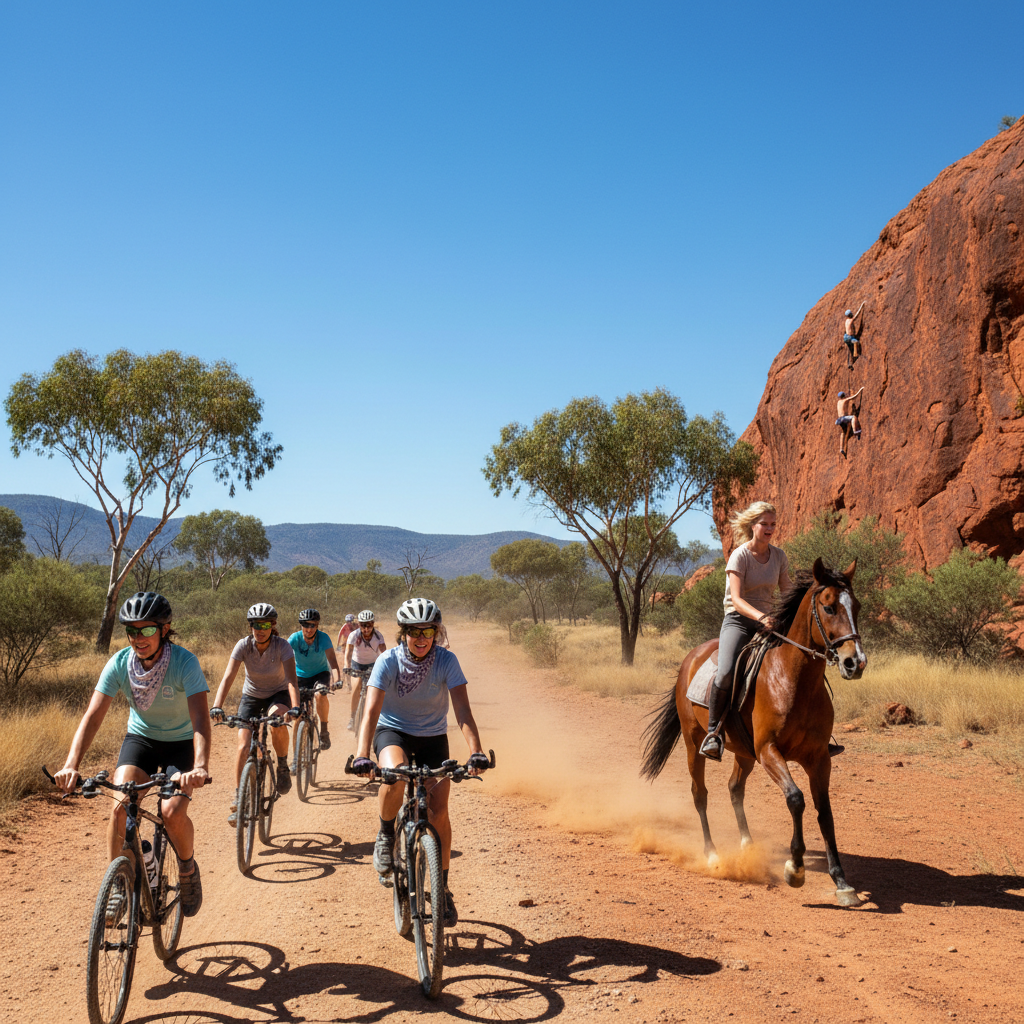
Beat the Heat: Riding Your Bike in Australian Summer
Australia. Land of sunshine, beaches, and… scorching summer heat. When the mercury climbs, many cyclists hang up their helmets. But it doesn't have to be that way. Riding in extreme heat is achievable, and even enjoyable, with the right preparation and strategy. This isn't about fancy, expensive gear (though some helps). It's about practicality, common sense, and understanding how your body copes with intense warmth.
We're talking about days where the UV index is high, the sun is relentless, and a gentle breeze feels like a hairdryer on high. Here’s how to tackle it head-on, helmet on, and still get your miles in.
The Obvious Problem: Overheating
Your body struggles to regulate temperature when it's hot. Cycling generates internal heat. Combine that with external heat, and you've got a recipe for heat exhaustion or worse. Symptoms range from excessive sweating and dizziness to nausea and confusion. Ignoring these signs is dangerous.
The Helmet Factor: Does it Make it Worse?
This is a common objection. "Helmets trap heat!" While a helmet does add a layer, modern helmet design focuses on ventilation. More importantly, the protection a helmet offers against serious injury far outweighs any marginal increase in discomfort due to heat. Our focus here is on managing that heat while wearing your essential head protection. If you're looking to maximise airflow, consider helmets with larger vents and channels. And remember, a brimmed helmet like those available at Products can help shield your face and neck, reducing direct sun exposure which contributes significantly to overheating.
Preparation is Key: Before You Even Spin a Pedal
Rolling out unprepared into the midday sun is asking for trouble. Proactive measures are crucial.
1. Hydration, Hydration, Hydration!
This is non-negotiable. You lose fluids through sweat, and in hot weather, you lose them fast.
Start early: Begin hydrating the day before your ride, not just an hour before. Water, not just sports drinks, is your friend.
Sip consistently: Don't chug litres just before or during your ride. Take small, frequent sips. Aim for 150-250ml every 15-20 minutes.
Electrolytes matter: In prolonged or intense heat, you lose salts. Sports drinks, electrolyte tablets, or even a pinch of salt in your water can help prevent hyponatremia, which is more dangerous than dehydration.
Know your needs: If you're a heavy sweater, you'll need more. There's no one-size-fits-all, but aim for pale urine as a general indicator of good hydration.
2. Timing Your Ride
This is the simplest yet most effective strategy. Why ride during the absolute peak of the heat?
Early mornings: The coolest part of the day. Sunrise rides are often the most pleasant, with reduced UV and less intense heat.
Late evenings: As the sun begins to dip, temperatures usually follow. You still get good light for a while, but the edge is taken off the heat.
Avoid midday: Generally, between 11 am and 3 pm is when the sun is harshest and temperatures are highest. If you must ride then, keep it short and intense, or focus on shaded, cooler routes.
3. Nutrition for Heat
What you eat impacts how your body handles heat.
Avoid heavy meals: Large, fatty, or protein-rich meals before a ride can make your body work harder to digest, generating more heat.
Light and easily digestible: Fruits, simple carbs, and plenty of water are better choices.
Consider cooling foods: Things like watermelon, cucumber, and citrus fruits can have a slight cooling effect.
4. Clothing Choices
What you wear is a significant factor in thermal regulation.
Light colours: Dark colours absorb sunlight and heat. Light, reflective colours bounce it away.
Breathable fabrics: Synthetic materials designed to wick moisture are essential. Cotton holds sweat, making you feel clammy and less able to cool through evaporation.
Looser fit: Whilst not always ideal for performance, a slightly looser garment allows for better airflow.
Sun protection: Don't forget sleeves and leg coverings if they are lightweight and breathable. They can offer more UV protection than bare skin, which is crucial on long rides. A helmet brim, as found on Products, is a critical piece of sun protection for your face and neck.
On the Ride: Strategies for Staying Cool
Preparation sets the stage, but you need techniques for while you're actually cycling.
1. Pace Yourself
This is crucial. Pushing hard generates more heat.
Lower intensity: Accept that you'll likely be slower on hot days. Focus on endurance rather than speed.
Listen to your body: If you feel yourself overheating, ease off immediately. Stop if necessary.
Use your gears: Spin lighter gears to maintain a higher cadence with less force. This generates less internal heat.
2. Strategic Stops and Cooling
Don't be afraid to stop and cool down.
Find shade: Even a few minutes in the shade can make a difference.
Wet yourself down: Soak a bandana or cap in water and wear it under your helmet. Splash water on your wrists, neck, and head. The evaporation provides a cooling effect. Some riders even carry a small spray bottle.
Cool drinks: If you stop at a shop, grab a cold water or electrolyte drink.
3. Hydration During the Ride
Reiterate: sip frequently. If you've got bottles, refill them whenever you can. If you run out, make finding a water source a priority. Running dry in the heat is a fast ticket to trouble. Check our FAQ for more on hydration.
4. Using Your Helmet Wisely
As mentioned, your helmet is essential. A properly ventilated helmet worn correctly is key.
Head coverage: Ensure your helmet fits comfortably and is snug.
Brim advantage: A helmet brim from Products can significantly reduce the amount of direct sunlight hitting your face and eyes, making you feel cooler and preventing sunburn on your face and ears. It also helps shield your neck from direct sun.
Heat Management Checklist
Here's a quick rundown to ensure you're ready:
[ ] Hydrate well the day before.
[ ] Drink water and electrolyte drinks consistently starting well before the ride.
[ ] Choose appropriate timing (early morning/late evening).
[ ] Wear light-coloured, breathable, moisture-wicking clothing.
[ ] Use a helmet with good ventilation and consider a brim for added sun protection.
[ ] Pace yourself – lower intensity is key.
[ ] Carry sufficient water and electrolytes.
[ ] Know your symptoms of heat exhaustion and how to respond.
Dealing with Specific Australian Conditions
Australia’s climate is unique. Long, hot days with intense UV are common, especially inland and during summer.
Extended daylight: While great for riding, it also means more prolonged sun exposure. Plan your routes to incorporate shade or be aware of how long you'll be exposed.
High UV Index: Even if it doesn't feel scorching, high UV can cause sunburn and heatstroke. Sunscreen is essential even on cloudy days, but physical barriers like good clothing and a helmet brim from Products are far more reliable for extended periods, as they don't wear off.
Humidity: Some parts of Australia can be humid, which significantly impedes the body's ability to cool through evaporation. This makes hydration and seeking shade even more critical.
Advanced Tips for Serious Heat
For those longer rides or when the heat is truly oppressive:
Cooling towels/bandanas: Soak these before your ride and keep them in a plastic bag. Re-soak or use them cold during stops.
Pre-cool your drink: Freeze half your water bottles the night before. Top up with chilled water. You'll have ice-cold drinks for longer.
Ice in your jersey pockets: A simple yet effective way to keep your core cool. Wrap some ice in a cloth or disposable towel to prevent rapid melting and direct contact.
Consider an early morning acclimatisation: If you're not used to the heat, riding for short periods in warmer conditions over a week or two can help your body adapt. This is best done gradually and with extreme caution.
When to Ditch the Ride
No amount of preparation can overcome dangerously high temperatures or extreme humidity. If the forecast is truly dire, or you feel unwell before you even start:
Don't push it: Your health is paramount. There's always another day to ride. Consult our Blog for alternative training ideas.
Listen to advice: Local weather alerts and experienced riders' advice are valuable.
Recognise your limits: Heatstroke is a medical emergency.
Installing Your Edge
If you're considering a helmet brim for superior sun protection and reduced glare, understanding the How to Install guide is straightforward. It ensures a secure fit, maximising comfort and effectiveness, especially when battling the intense Australian sun.
Summary
Riding in extreme Australian heat isn't about being a superhero; it's about being smart and prepared. Prioritise hydration, time your rides wisely, wear appropriate clothing, and pace yourself. Your helmet, especially with an added brim, is your ally in sun protection. By following these practical tips, you can continue to enjoy your cycling adventures, even when the mercury is soaring. For more information and specific product details, feel free to browse our Products section or check out our comprehensive FAQ.