
Beat the Heat: Riding Safely in Australian Summer
Don't let hot Aussie conditions stop you from riding. Learn practical strategies to manage heat stress and stay safe under our harsh summer sun.
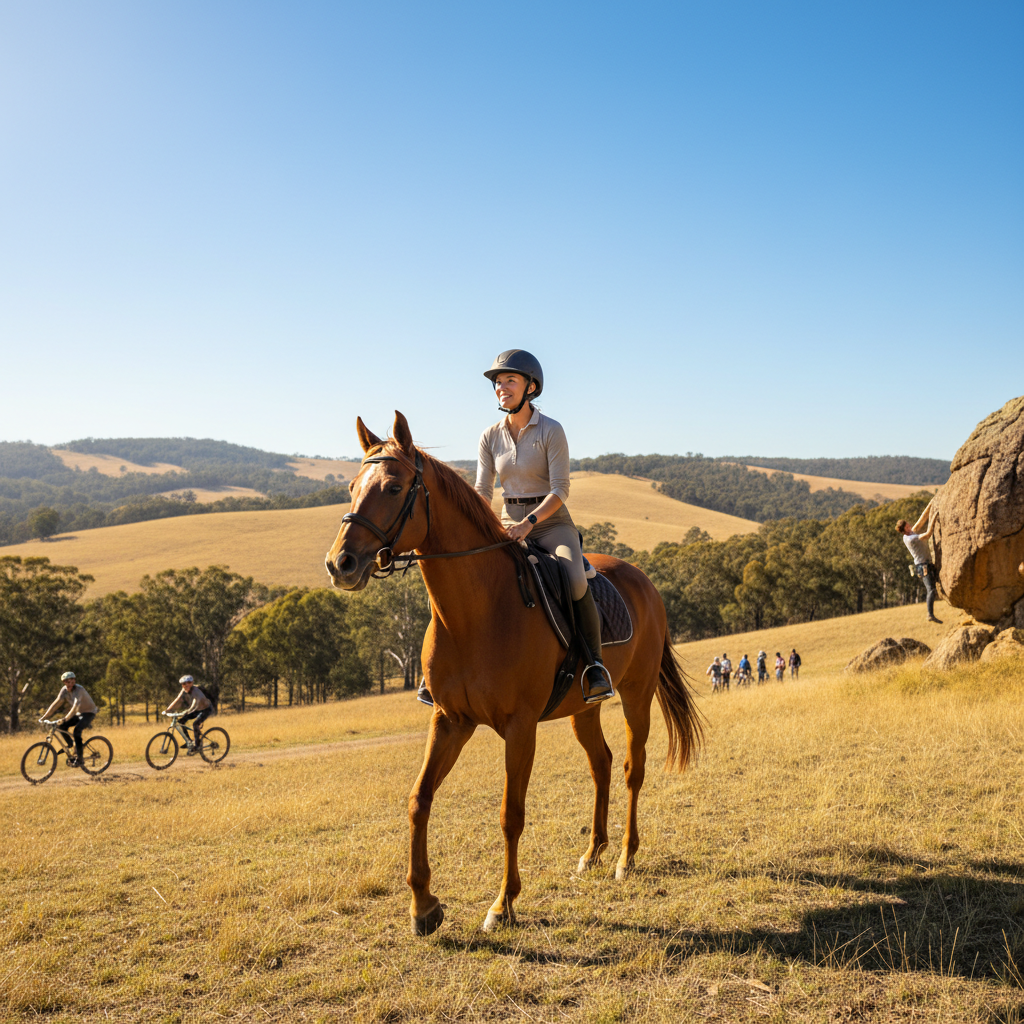
Beat the Heat: Riding Safely in Australian Summer
Australia. We love it for its wide-open spaces, vibrant lifestyle, and of course, our passion for horses and riding. But let's be honest: summer in Australia can be brutal. The sun beats down relentlessly, UV indexes climb to dangerous levels, and heat stress is a genuine and significant risk – for both you and your horse. Riding in these conditions demands more than just common sense; it requires a proactive and informed approach to safety.
This isn't about fear-mongering; it's about practical survival. We're talking about managing heat stress, staying hydrated, protecting yourself from the sun, and making sure your trusty steed is just as comfortable and safe as you are. Neglecting these aspects can turn a glorious summer ride into a dangerous ordeal. We'll cover what heat stress looks like, how to prevent it, and what to do if it strikes.
Understanding Heat Stress: It's More Than Just Sweating
Heat stress occurs when your body can't dissipate heat effectively, leading to a rise in core body temperature. In Australia's summer, with prolonged exposure to high ambient temperatures and intense solar radiation – especially unmitigated by shade for much of the day – your body is under constant pressure. This is compounded when you're physically active, like riding a horse.
Symptoms can range from mild to life-threatening. Knowing the signs is crucial for immediate action:
Mild Symptoms:
Excessive sweating
Skin is cool, pale, and clammy
Muscle cramps (heat cramps)
Fatigue or weakness
Headache
Nausea or vomiting
Dizziness or lightheadedness
Severe Symptoms (Heat Exhaustion/Heatstroke – Medical Emergency):
High body temperature (above 40°C)
Skin is hot, red, and dry (sweating may stop)
Rapid, strong pulse
Confusion or altered mental state
Lack of consciousness or coma
Heatstroke is a life-threatening emergency. If you suspect someone is suffering from heatstroke, calltriple zero (000) immediately and commence cooling measures if you are trained to do so.
Prevention is Key: Strategies for a Safer Ride
Preventing heat stress is far easier (and safer) than treating it. It boils down to a few core principles: hydration, acclimatisation, appropriate gear, and smart timing.
Hydration: Your Lifeline in the Heat
This is non-negotiable. When you sweat, you lose fluids and essential electrolytes. Replacing them is critical. Don't wait until you're thirsty; thirst is often a sign you're already starting to dehydrate.
Pre-Ride: Drink plenty of water in the hours leading up to your ride. Avoid alcohol and excessive caffeine, which can dehydrate you.
During the Ride: Carry water with you if possible. Smaller, frequent sips are more effective than gulping large amounts.
Post-Ride: Continue to rehydrate. Sports drinks containing electrolytes can be beneficial after prolonged or strenuous activity in the heat.
Acclimatisation: Let Your Body Adjust
If you're not used to riding in the heat, your body will struggle more. Gradually increasing your exposure to hot conditions over a period of 7-14 days helps your body adapt by improving its ability to sweat and conserve electrolytes.
Start with shorter, less intense rides in cooler parts of the day.
Slowly increase the duration and intensity as your body adjusts.
Riding Gear: Smart Choices for Sun and Sweat
Your riding attire matters. Think breathable fabrics, light colours, and good sun protection. And of course, your helmet.
Helmet: Modern riding helmets offer ventilation, but they can still get hot. A helmet brim, like the Da Brim, can make a significant difference by shading your face and neck, reducing direct sun exposure, and even creating a small airflow effect. Make sure your helmet fits correctly and is approved to safety standards, such as AS/NZS 3838 or equivalent standards for equestrian helmets. Explore our range of Products to find a DA BRIM that fits your helmet securely. Installation is straightforward; check out our How to Install guide.
Clothing: Opt for lightweight, moisture-wicking fabrics. Long sleeves and trousers, even in light colours, offer better sun protection than bare skin, paradoxically keeping you cooler by preventing sunburn and reducing overall body heat absorption.
Footwear: Breathable boots are essential. Ensure they are comfortable and well-ventilated.
Timing is Everything: Ride Smarter, Not Harder
This is probably the most effective strategy for dealing with Australian summer heat. Avoid the peak heat of the day.
Early Morning: Aim for rides before the sun really starts to bake. This is often the most pleasant time.
Late Evening: As the sun begins to set, temperatures usually drop significantly. This can be another excellent riding window.
Midday Avoidance: If you can, avoid riding between 10 am and 4 pm when the sun is at its strongest and temperatures are highest.
Managing Heat Stress During the Ride: What to Watch For
Even with the best prevention, you need to be vigilant during your ride.
Hydration Breaks
Frequent stops for water are crucial. If you're out on a longer trail, plan your route to include access to water sources or carry enough for your entire ride and your horse.
Monitor Yourself and Your Horse
| Indicator | Rider (Mild) | Rider (Severe) | Horse (Mild) | Horse (Severe)
| :--------------- | :-------------------------------------------- | :----------------------------------------------- | :------------------------------------------------ | :--------------------------------------------
| Sweating | Profuse | May decrease or stop | Heavy sweating | May decrease or stop
| Skin | Cool, pale, clammy | Hot, red, dry | Moist, possibly lathered | Dry, hot
| Behaviour | Fatigue, headache, cramps | Confusion, delirium, collapse | Increased respiration, flicking ears, mild distress | Extreme distress, staggering, collapse
| Heart Rate | Elevated | Rapid, weak | Elevated | Pounding, thready
| Temperature | Slightly elevated | Very high (over 40°C) | Elevated | Very high
For your horse: Observe their demeanour. Are they working harder than usual? Are they excessively sweaty or showing signs of distress? If in doubt, slow down, take a break, or head home.
Cooling Measures
If you or your horse show signs of overheating, act fast:
For yourself: Stop riding immediately. Get into the shade. Loosen or remove excess clothing. Sip cool (not icy) water. Apply cool, damp cloths to your skin, especially pulse points like the neck and wrists. Rest until symptoms subside.
For your horse: Stop riding. Walk them in a shaded area if possible. Offer water to drink and to splash over their body, focusing on areas with less hair like the legs and belly. Avoid sudden, drastic cooling with icy water, as this can cause shock. Continue cooling until their breathing and heart rate return to normal. If you suspect heatstroke, call your veterinarian immediately.
Dealing with Objections and Myths
There are always reasons people might not take sufficient precautions. Let's address them.
"I'm used to the heat." Acclimatisation takes time, and even the most heat-tolerant individuals can succumb to extreme conditions. Conditions can vary dramatically day-to-day. Don't assume your tolerance is constant.
"It's just a short ride." Even a short ride in peak sun can be enough to trigger heat stress, especially if you're not well-hydrated or accustomed to the heat.
"My helmet is ventilated." While ventilation helps, it doesn't negate the intense direct solar radiation on your head and face. Added shade makes a significant difference, as supported by the design principles of products like the DA BRIM for helmet wearers Products.
"My horse will tell me if they're too hot." While horses are good indicators, they can also push themselves beyond their limits, especially if they are keen or being ridden by an inexperienced rider who doesn't recognise the subtle signs of early heat stress.
Essential Equipping for Summer Rides
Preparation is key. Here’s a quick checklist to ensure you're ready:
Rider Checklist:
[ ] Helmet with adequate ventilation and sun brim
[ ] Lightweight, breathable riding attire (long sleeves/trousers recommended)
[ ] Plenty of water (more than you think you'll need)
[ ] Electrolyte supplements or sports drink
[ ] Sunscreen (apply before and reapply if needed)
[ ] Hat or cap for before/after riding
[ ] Mobile phone (fully charged)
Horse Management Checklist:
[ ] Access to fresh, clean water
[ ] Shade (if possible, during breaks)
[ ] Electrolytes or salt blocks if recommended by your vet
[ ] Consider lighter tack or grooming for better heat dissipation
Advanced Considerations: Riding in Extreme Conditions
On days with extremely high temperatures or when a Total Fire Ban is in effect, it's often best to reconsider your ride altogether. Your safety, your horse's safety, and the safety of the wider community are paramount. Check current weather conditions and fire restrictions before you head out. Our FAQ page has more on safety considerations.
Remember, the Australian summer is beautiful, but it demands respect. By prioritising hydration, smart timing, appropriate gear, and constant vigilance, you can enjoy your rides safely and avoid the dangers of heat stress. Stay cool, stay hydrated, and ride on!
For more tips and news relevant to equestrian life, head to our Blog.