
Beat the Heat: Riding Safely in Aussie Summer
Don't let the relentless Aussie sun stop your ride. Learn practical strategies to manage heat stress while wearing your helmet during hot summer months. From hydration to cool-down techniques, this guide has you covered.
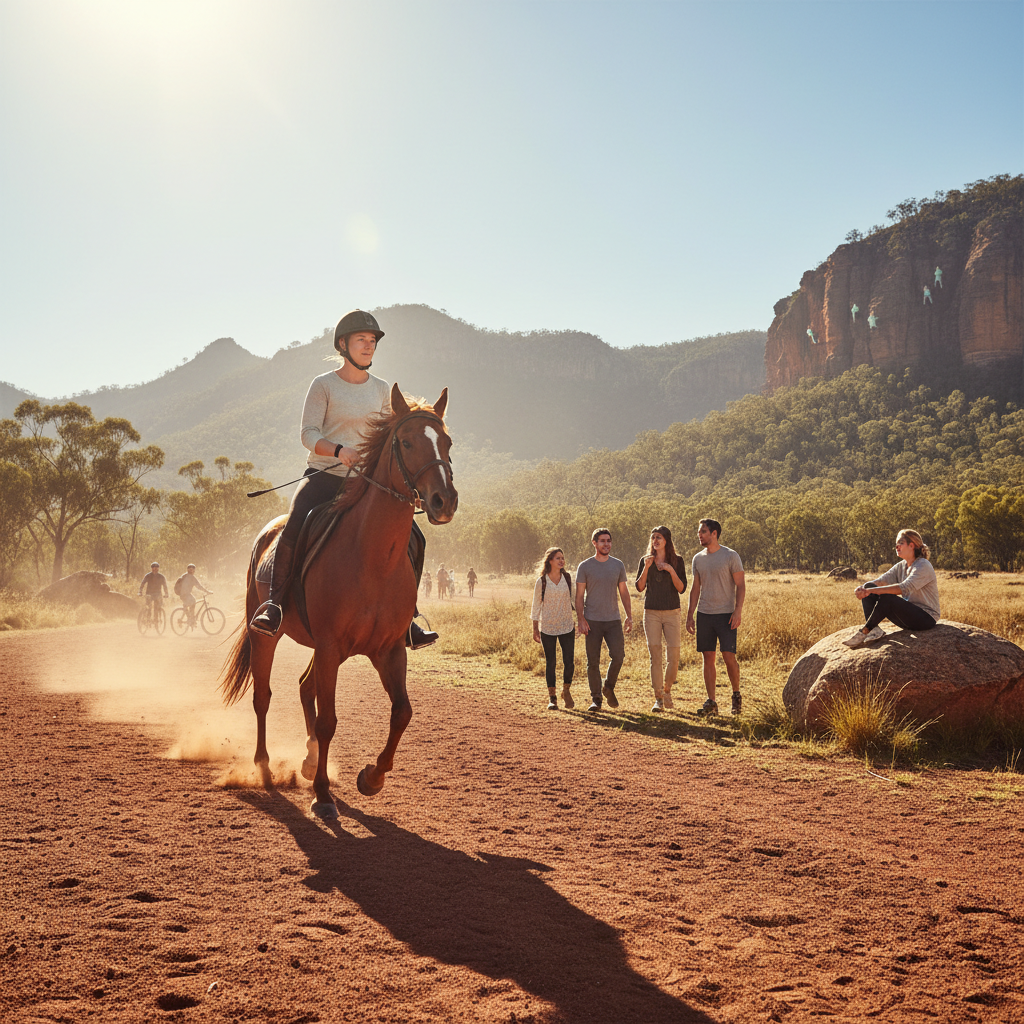
Beat the Heat: Riding Safely in Aussie Summer
The Australian summer is a glorious time for horse riding. Longer days, golden light – it's prime riding season. But let's be blunt: it's also undeniably hot, and that relentless sun packs a punch. For us helmet wearers, managing heat stress is not just about comfort; it's a crucial aspect of safety. Ignoring it can lead to exhaustion, poor decision-making, and even dangerous heat-related illnesses. This guide is for practical riders who want to enjoy their summer rides without compromising their well-being.
The Real Danger: Heat Stress Explained
Heat stress occurs when your body's core temperature rises to an unsafe level. In Australia, with our high UV index and often extreme temperatures, this is a constant threat, especially when you're layering up for riding and wearing a helmet that, while essential for safety, can also trap heat.
Symptoms can range from mild to severe:
Mild: Thirst, sweating, slight dizziness, muscle cramps.
Moderate: Headache, nausea, weakness, increased heart rate, cool, clammy skin.
Severe: Confusion, loss of consciousness, hot, dry skin (or heavy sweating), rapid, strong pulse, vomiting, seizures. This is heatstroke and requires immediate medical attention.
When you're in the saddle, focused on your horse and the trail, it's easy to miss the early warning signs in yourself. That's why proactive management is key.
Your Summer Riding Preparedness Checklist
Before you even think about mounting your horse on a hot day, you need to be prepared. This isn't just about slapping on sunscreen (though that's vital too). It's about a comprehensive approach to staying cool and hydrated.
Pre-Ride Essentials
Hydration is Non-Negotiable: Start hydrating before you ride. Aim for plenty of water in the hours leading up to your session. Don't wait until you're thirsty.
Smart Clothing Choices: Opt for lightweight, breathable fabrics. Light colours reflect sunlight better than dark ones. Moisture-wicking materials can make a big difference.
Timing is Everything: Ride during the cooler parts of the day. Early mornings and late evenings are your best friends. Avoid the harsh midday sun between 10 am and 4 pm whenever possible.
Know Your Limits: Be realistic about your and your horse's fitness levels in the heat. Shorter rides might be necessary.
Listen to the Forecast: Check the UV index and temperature. On extreme heat days, consider rescheduling or opting for an indoor arena if available.
Acclimatise: If you're not used to riding in extreme heat, gradually increase your exposure over several days.
What to Pack
Abundant Water: More than you think you'll need, for both you and your horse. Electrolyte drinks can be beneficial for longer rides or if you're sweating heavily.
Cooling Towels: These special towels stay cool when wet and can be draped around your neck.
Sunscreen: High SPF, broad-spectrum sunscreen. Reapply frequently.
Hat/Cap (Under Helmet): A thin, light-coloured cotton cap or bandana can offer an extra layer of sun protection and help absorb sweat. Ensure it doesn't compromise your helmet fit or safety.
Snacks: For energy and to help replace electrolytes lost through sweat. Fruit like watermelon or oranges can be hydrating.
Helmet Strategies: Maximising Comfort and Safety
Wearing a helmet is paramount for rider safety. However, it can contribute to feeling hotter. Fortunately, there are ways to mitigate this:
Helmet Ventilation: It Matters
Modern riding helmets are designed with ventilation in mind. Look for helmets with plenty of vents. Cleaning these vents regularly ensures they aren't blocked by sweat or dust, maintaining their effectiveness.
The DA BRIM Advantage
This is where an accessory like DA BRIM can be a game-changer for summer riding. DA BRIM is designed to work with your existing helmet, providing significant shade without compromising safety. The extra shade reduces sun exposure on your face, neck, and shoulders, which can significantly impact your perceived temperature and reduce the risk of sunburn. It also helps keep the direct sun off your helmet, which can also heat up.
Easy Installation: Attaching DA BRIM is straightforward. Simply follow our How to Install guide. It's designed to be secure and won't compromise your helmet's integrity.
Sun Protection Boost: The extended brim casts a larger shadow, offering more protection than a standard helmet brim alone. This means less direct UV radiation hitting your skin.
Heat Management: By shading more of your head and neck, DA BRIM can indirectly help you feel cooler. Less solar radiation absorbed means less heat build-up.
Check out our range of Products to find the perfect DA BRIM for your helmet.
Cooling Techniques
Dampen Your Scarf/Bandana: If you wear a under-helmet cap, dampen it with cool water before your ride. The evaporation will help cool you.
Take Breaks: If you're on a longer ride, stop in the shade. Remove your helmet (if safe to do so – ensure your horse is secure and you're not in a situation where immediate protection is needed) and cool down.
Managing Heat Stress During and After Your Ride
While preparation is key, you also need to be aware of how you're feeling during the ride and how to recover after.
During the Ride: Stay Vigilant
Frequent Sips: Take small, frequent sips of water. Don't gulp large amounts at once.
Listen to Your Body: Pay attention to any signs of heat stress. If you feel dizzy, nauseous, or experience severe headaches, stop riding immediately and find a cool, shaded spot.
Cooling Towel Application: If you stop for a break, drape a damp cooling towel around your neck.
Check Your Horse: Your horse is also susceptible to heat. Monitor their breathing, sweat, and energy levels. If they seem distressed, end the ride.
Post-Ride Recovery:
Cool Down: After dismounting, give your horse adequate time to cool down gradually. Walk them and offer water. Take your own time to rehydrate and recover.
Replenish Fluids & Electrolytes: Continue drinking water. Consider an electrolyte drink if you've had a particularly strenuous or long ride.
Cool Shower/Bath: A cool (not ice-cold) shower can help lower your body temperature.
Rest in Shade: Find a cool, shaded area to relax and recover.
Common Objections and Solutions
As riders, we all have our habits and rationalisations. Here are some common ones and how to address them:
Objection 1: "Helmets are too hot. I'll just ride without one on quiet trails."
Reality Check: This is a dangerous gamble. Accidents can happen anywhere, anytime, regardless of how quiet the trail or how good you think your reflexes are. The Australian sun is intense, and even a short fall can have severe consequences. Your helmet is non-negotiable for every ride. Focus on managing the heat the helmet generates, not avoiding the helmet itself. DA BRIM helps make helmet-wearing more comfortable and protective in the heat.
Objection 2: "I drink plenty of water, I'll be fine."
Reality Check: Hydration is crucial, but it's only one part of the heat stress equation. You also need to consider clothing, timing, shade, and active cooling. Relying solely on water might not be enough, especially on days with extreme temperatures and high UV readings. Electrolytes are also important.
Objection 3: "It's just a bit of sweat. I can handle it."
Reality Check: Sweating is your body's cooling mechanism. Excessive sweating without adequate rehydration leads to dehydration, which is a major contributor to heat stress. What starts as "a bit of sweat" can quickly escalate to heat exhaustion or even life-threatening heatstroke. Recognise the signs and act before it's too late.
Objection 4: "My helmet has vents, that's enough."
Reality Check: Vents help, absolutely. But on a scorching Australian summer day, especially when riding for extended periods or in direct sun, vents alone might not provide sufficient cooling. Accessories like DA BRIM provide significant additional shade, which directly reduces the heat load on your head and body. Think of it as supplementary cooling.
Making the Most of Summer Riding
Riding in Australia during summer is a privilege. By understanding the risks of heat stress and implementing practical strategies, you can ensure your rides are safe, enjoyable, and comfortable. From proper hydration and smart timing to leveraging accessories like DA BRIM for enhanced sun protection, every step you take makes a difference. Remember to always prioritise safety, know your limits, and listen to your body (and your horse).
For more on helmet safety and care, visit our FAQ page, or browse our Products for solutions to make your summer riding safer and more comfortable. Don't let the heat stop you – ride smart!
For more riding tips and news, check out our Blog.*