
Beat the Heat: Rider Comfort Tips for Competition Days
Don't let the Australian sun and heat wreck your competition performance. Learn practical comfort tips for riders, especially when wearing a helmet, to stay cool, focused, and protected.
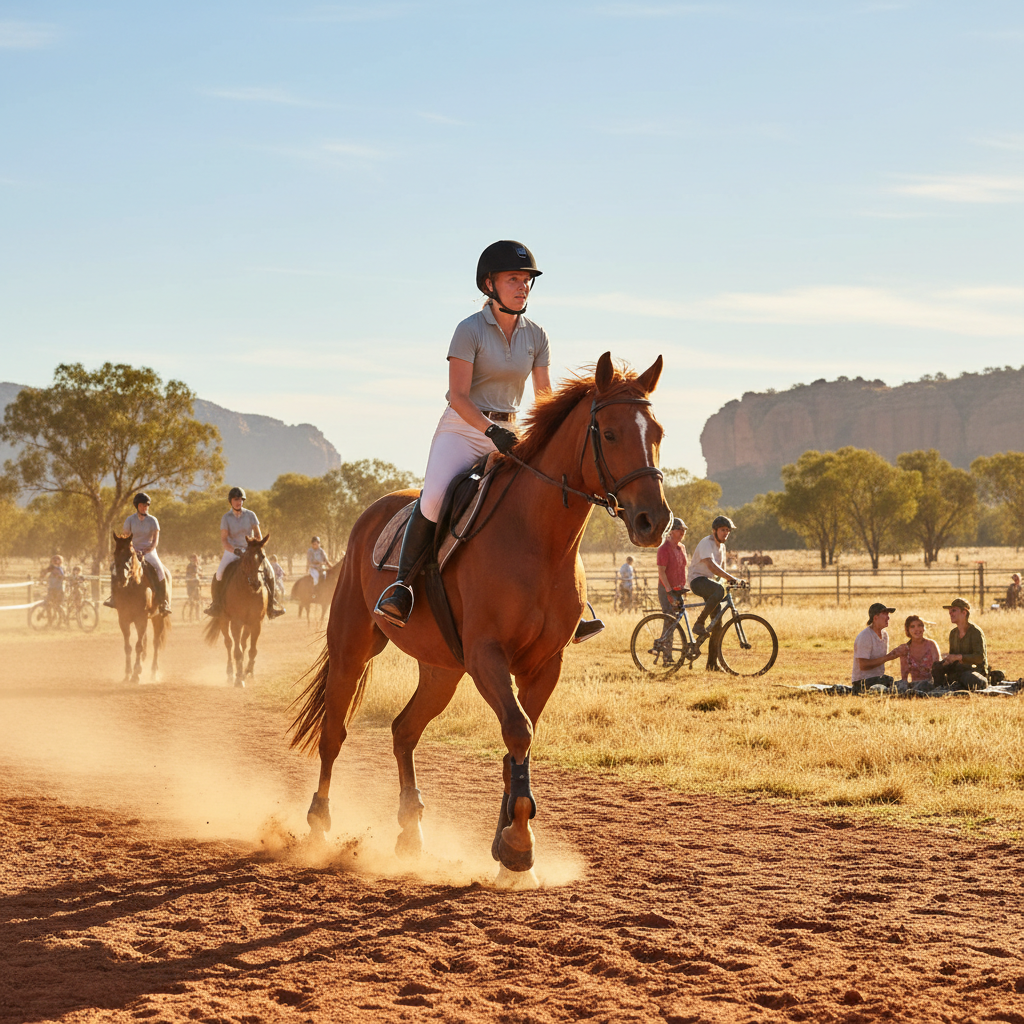
Beat the Heat: Rider Comfort Tips for Competition Days
Competition days are demanding. You're focused, your horse is ready, and you're aiming for that win. But out here in Australia, the sun and heat can be your biggest adversaries, especially when you're strapped into a helmet for hours. Ignoring heat and sun can lead to dehydration, fatigue, and a serious dip in performance. This isn't about luxury; it's about survival and winning. Let's get practical.
The Helmet Conundrum: Protection vs. Overheating
Your helmet is your non-negotiable safety gear. It's designed for protection, not necessarily for optimal airflow in scorching Australian conditions. This is where many riders face a common objection: "Helmets make me too hot." True, they can. But the solution isn't removing the helmet; it's managing the heat with the helmet.
Long competition days mean prolonged sun exposure. Even with excellent sunscreen, a sunburn under your helmet or on your neck can be incredibly painful and distracting. Furthermore, the UV index in Australia can be dangerously high, even on cloudy days. High temperatures exacerbate the situation, leading to heat stress and a decline in your ability to think clearly and make quick decisions – crucial for any competition.
Common Competition Day Comfort Killers
Direct Sun Exposure: Even with a helmet, sweat can run into your eyes, and you can still get sunburnt on exposed areas like your face, neck, and ears.
Helmet Trapped Heat: Helmets, by design, offer some insulation. This can trap heat and moisture, making you feel like you're in a sauna.
Dehydration: In hot weather, you lose fluids rapidly through sweat. Forgetting to drink enough is a quick route to feeling unwell.
Fatigue: Heat drains energy. Being overheated makes you tired, irritable, and less focused.
Chafing and Discomfort: Long hours in a sweaty helmet can lead to sore spots and irritation.
Practical Strategies for Staying Cool and Protected
Forget myth-busting about magically dissipating heat. It's about smart, actionable steps you can take before, during, and after your competition.
Before Competition: Preparation is Key
This is where you set yourself up for success. Don't just rock up and hope for the best.
1. Hydration Baseline: Start hydrating days before the event. Don't try to chug litres on the morning of. Carry a large water bottle with you everywhere in the days leading up to your competition.
2. Electrolytes: For long days in the heat, plain water might not be enough. Look for electrolyte drinks or tablets to replenish what you lose through sweat. These are particularly important for Australian conditions where the heat can be relentless.
3. Sleep: A well-rested body is better at regulating temperature. Prioritise a good night's sleep.
4. Clothing Choice: Opt for lightweight, breathable riding gear. Light colours reflect sunlight better than dark colours. Consider riding tights or breeches made from moisture-wicking fabrics.
5. Pre-Cooling: Some athletes find success with pre-cooling methods. This could involve drinking a cold beverage or even a brief immersion in cool water (though be practical about time constraints on competition day).
During Competition: On-the-Go Solutions
This is where you need accessible, quick fixes.
1. Strategic Hydration: Sip water or electrolyte drinks regularly. Don't wait until you're thirsty. Aim for small amounts frequently.
2. Cool Cloths: Keep a damp cloth or a cooling towel stashed in a cooler bag. You can place it on your neck, forehead, or wrists during breaks. These are absolute lifesavers. Evaporation is your friend.
3. Helmet Brim Technology: This is where smart design meets necessity. A well-designed helmet brim can provide extra shade for your face and neck, reducing direct sun impact. It's not just about aesthetics; it actively contributes to keeping cooler by shielding you from the harshest rays. Some brims are designed for better airflow than others, which can make a significant difference. Explore options that offer superior sun protection and don't add excessive heat trapping. You can learn more about how to install effective brims on your existing helmet at our How to Install page.
4. Breaks: Utilise any breaks you get. Seek shade whenever possible. Step away from your horse under a tree or float if you can.
5. Sunscreen Reapplication: Even with a brim, your face and neck can get sun exposure. Reapply sunscreen during longer breaks, especially on your nose, ears, and neck.
Post-Competition: Recovery Matters
Don't undo all your hard work by neglecting recovery.
1. Cool Down: Slowly cool your body down. Avoid jumping straight into a freezing shower, but rinsing off with cool water is beneficial.
2. Replenish Fluids: Continue to drink water and electrolyte solutions.
3. Gentle Movement: If you feel up to it, some light stretching can help.
Expert Tips for Australian Conditions
Australia's sun is famously harsh. The UV index can reach extreme levels, making sun protection paramount for any outdoor activity, especially equestrian sports that can involve long days under the open sky.
Know Your UV Index: Be aware of the daily UV forecast. If it's high, double down on all protection strategies.
Long Days: Competitions often run for many hours. Plan for the entire duration, not just your riding time.
Heat Adaptation: If you're not used to the heat, try to gradually expose yourself to warmer conditions in the weeks prior. Your body will adapt.
Table: Quick Comfort Checklist
Here's a quick reference for your competition bag:
| Item | Purpose | When to Use |
|---|---|---|
| Large Water Bottle | Hydration | All day, constantly |
| Electrolyte Tabs | Replenish lost salts | Throughout the day |
| Cooling Towel | Reduce body temperature via evaporation | During breaks |
| Wide-brimmed Helmet | Shade for face and neck, UV protection | While riding |
| Sunscreen (SPF 50+) | Protect exposed skin | Before and during |
| Hat/Cap (for under helmet) | Sweat absorption, extra brim support (optional) | Under helmet (some) |
| Lip Balm (SPF) | Protect lips from sun | All day |
| Snacks | Maintain energy levels | During breaks |
Objection Handling: "But a Brimmed Helmet is Too Bulky/Looks Silly"
Let's be direct. Safety and comfort trump aesthetics. Performance comes from being physiologically sound. When you're overheating, dehydrated, or squinting into the sun, your riding suffers. A helmet brim, when integrated correctly, doesn't have to be bulky or look out of place.
Modern accessories, like those designed to complement existing helmets, are engineered to be aerodynamic and unobtrusive. They offer significant sun protection without compromising your safety. The question isn't "Does it look good?" it's "Does it help me perform better and stay safer?" The answer is a resounding yes.
If you're concerned about how your helmet brim attaches or looks, investigate options that are designed for ease of use and a seamless fit. You can find practical solutions and installation guides on our Products page that address these very concerns.
Bullet Checklist: Your Competition Day Comfort Plan
[ ] Hydrate consistently for 2-3 days prior.
[ ] Pack electrolyte drinks/tablets.
[ ] Choose light-coloured, breathable riding attire.
[ ] Apply high SPF sunscreen to all exposed skin before leaving home.
[ ] Pack a cooler bag with icy water and a cooling towel.
[ ] Select a helmet with good ventilation and consider a protective brim.
[ ] Keep water and electrolytes accessible throughout the day.
[ ] Seek shade during all available breaks.
[ ] Reapply sunscreen on exposed areas as needed.
[ ] Listen to your body; don't push through severe heat discomfort.
[ ] Ensure your helmet brim is securely attached (How to Install).
Frequently Asked Questions Regarding Comfort and Sun Safety
Q: Can I wear a baseball cap under my helmet?
A: In Australia, safety standards for helmets are strict. While some riders might wear thin caps for sweat absorption, ensure it doesn't compromise the fit or safety performance of your helmet. Refer to your helmet manufacturer's guidelines and our FAQ for more on this.
Q: How long does it take to get heatstroke/heat exhaustion?
A: This varies greatly depending on individual fitness, acclimatisation, and the specific conditions. However, it can happen surprisingly quickly in intense Australian heat, especially with prolonged exertion. Prevention is always easier than treatment.
Q: Are special cooling vests worth it for riders?
A: For extremely demanding events or individuals highly susceptible to heat, they can be. However, for most competition riders, strategic use of cooling towels and adequate hydration often provides sufficient relief. Explore our Products for effective, practical solutions.
- Q: What's the most crucial piece of advice for hot competition days?
Final Thoughts
Being comfortable and protected on competition day isn't a luxury; it's a performance enhancer. By proactively managing heat and sun exposure, especially with essential headwear like your helmet, you can maintain focus, energy, and safety. Don't let the Australian sun beat you. Prepare smart, ride smart, and conquer your competition. For more information on enhancing your riding experience, check out our Blog.