
Beat the Heat: Pro Cyclist Sun-Smart Strategies for Aussie Riders
Australian cycling means serious sun. Learn how pro cyclists stay cool and protected on long rides, and adapt their strategies for your everyday adventures.
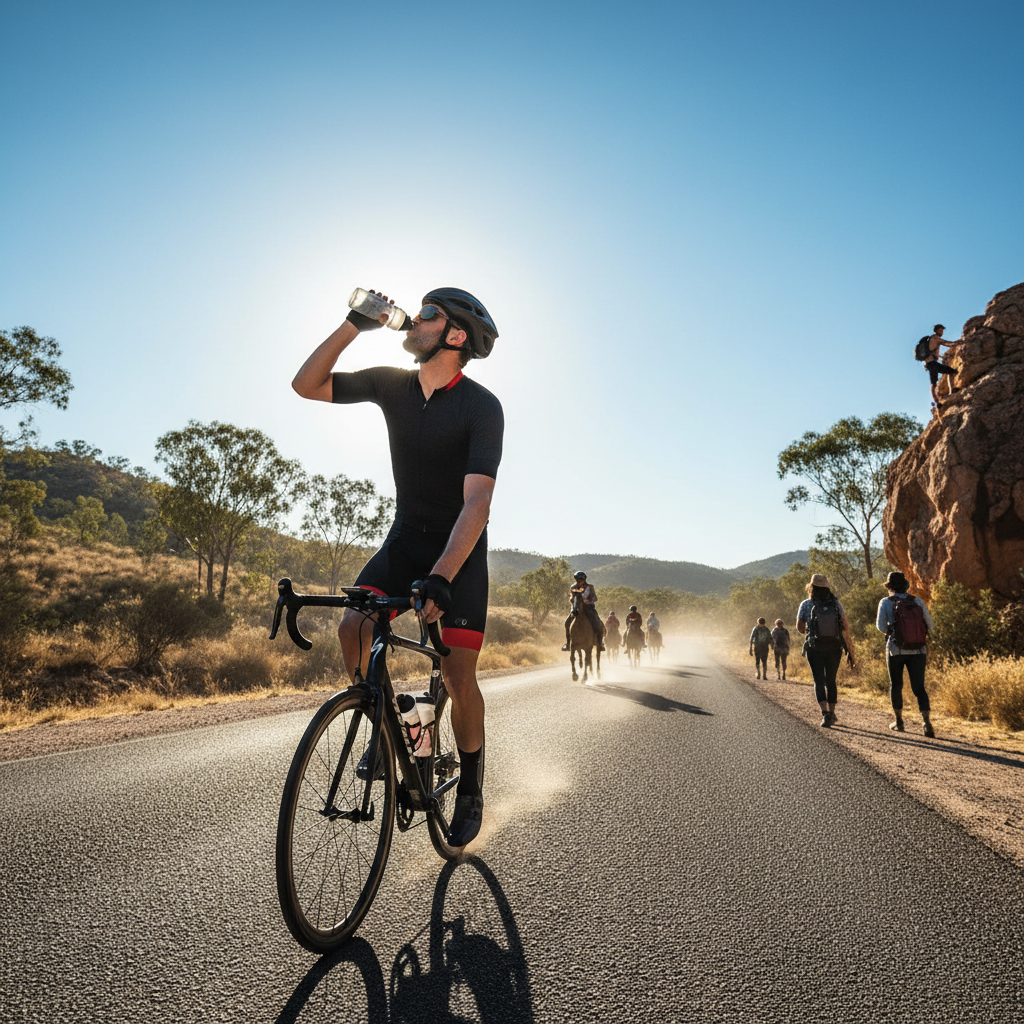
Beat the Heat: Pro Cyclist Sun-Smart Strategies for Aussie Riders
Australia. Beautiful, vast, and with a sun that means business. If you're a cyclist here, you know that a long ride isn't just about the miles; it's about managing the heat and the relentless UV rays. Even on a cloudy day, UV can be high. Pro cyclists live by a strict set of sun-management protocols, and while you might not be racing The Tour Down Under, their strategies are gold for anyone looking to ride comfortably and safely Down Under.
This isn't about looking fancy; it's about performance, prevention, and plain old comfort. Overheating drains you faster than a steep climb, and sunstroke is a serious risk we just can't afford to ignore with our extended daylight hours and intense UV index.
Let's break down what the pros do and how you can adapt it to your daily rides, from a quick commute to a weekend century.
The Core Problem: Sun & Heat on a Bike
When you're out there, your body is working overtime. Cycling generates heat internally. Add to that the external heat from the Australian sun, and your body temperature can climb rapidly. Simultaneously, you're bombarded by UV radiation, leading to sunburn, premature skin aging, and increasing your risk of skin cancer – a major concern for us Aussies.
Hundreds of hours spent in the saddle mean pros are hyper-aware of these factors. They can't afford to be debilitated by heat exhaustion or blinded by a sunburn. Their approach is multi-faceted:
1. Strategic Sun Protection
This is more than just slapping on some sunscreen. Pros think about consistent, comprehensive protection.
The Obvious: Sunscreen, Sunscreen, Sunscreen. High SPF, broad-spectrum sunscreen is non-negotiable. They apply it well before riding, reapplying every couple of hours, especially on exposed areas like face, neck, ears, and the back of their hands.
Headwear is Key. This is where your helmet is your best friend, but not always enough on its own. Pros might use lightweight, sweat-wicking skull caps or bandanas underneath their helmets on intensely hot days. This absorbs sweat before it drips into their eyes and provides an extra layer of protection from the sun hitting the scalp.
Eye Protection. Sunglasses aren't just for looking cool. They shield your eyes from UV rays, glare, and dust, preventing eye strain and improving vision. If you wear prescription glasses, photochromic lenses (that darken in the sun) are a game-changer.
Clothing Matters. Lightweight, light-coloured, and UPF-rated cycling jerseys and shorts are standard. Light colours reflect sunlight, while UPF fabrics offer a physical barrier against UV.
2. Advanced Heat Management
This is where pros really excel, using techniques to keep their core temperature down.
Hydration Strategy. This is paramount. Pros don't just drink when they're thirsty; they have a plan. They start hydrating well before a ride, constantly sip during, and rehydrate afterwards. Their bottles contain electrolyte mixes, not just plain water, to replenish what's lost through sweat. Knowing how much to drink is crucial; too little leads to dehydration, too much can cause hyponatremia.
Pre-Cooling and During-Ride Cooling. Some pros will even pre-cool their bodies before a big effort by drinking ice water or sitting in a cool environment. During the ride, they’ll strategically dump water over themselves – on their heads, necks, and wrists – to help dissipate heat. They also time their efforts to avoid the absolute peak heat of the day where possible.
Pacing and Effort Management. They know their limits and manage their effort based on the conditions. Pushing too hard in extreme heat is a recipe for disaster. They’ll often adjust their intensity to conserve energy and stay within a safe physiological zone.
3. Gear Hacks for Sun and Heat
While pros have access to the latest tech, many of their gear choices are practical and accessible.
Helmet Ventilation. A well-ventilated helmet is critical. The more airflow, the better. Look for helmets designed for hot weather with large vents. However, ventilation alone isn't always enough in the fiercest Australian conditions.
Helmet Brims. This is where we enter a crucial area of practical, everyday protection. Standard helmets often leave your face and neck exposed to direct sun. This is where aftermarket brims come in. They essentially add an extension to your helmet, creating shade directly over your face, neck, and ears. This significantly reduces direct sun exposure and helps keep you cooler by blocking solar radiation before it hits your skin. Think of it as a built-in canopy for your head.
The Humble Hero: The Helmet Brim
You’ve seen them on mountain bikers and increasingly on road cyclists. Professional cyclists, while often not using aftermarket brims directly out of sponsor mandates, acknowledge their utility. For us everyday riders, a helmet brim like Da Brim offers an immediate, practical solution to a persistent problem.
| Feature | Standard Helmet | Helmet with Da Brim |
|---|---|---|
| Face/Neck Shade | Minimal | Significant |
| UV Blocking (Face) | Low | High |
| Glare Reduction | Moderate | High |
| Cooling Effect | Moderate | High |
| Sweat Management | Minimal | Enhanced (channels sweat) |
Pros often have custom solutions or team-issued gear that tries to mimic this effect, but for accessibility and effectiveness, a good helmet brim is hard to beat for the recreational rider facing Australian sun.
Adapting Pro Strategies for Your Rides
So, how do you translate this into your own cycling routine? It’s about being smart, prepared, and making practical choices. Here's your checklist:
Your Sun & Heat Riding Checklist:
[ ] Sunscreen: Apply a fresh coat (SPF 30+ minimum, 50+ recommended) 20 minutes before riding. Don't forget ears, neck, and back of hands.
[ ] Hydration: Pre-hydrate. Carry more water than you think you need. Consider electrolyte tablets or powders.
[ ] Headwear: A lightweight, sweat-wicking cap or bandana under your helmet for extra sweat absorption and UV cover.
[ ] Eyes: Wear sunglasses that offer UV protection.
[ ] Clothing: Light-coloured, breathable, and preferably UPF-rated cycling gear.
[ ] Helmet Brim: Use a helmet brim extension to create crucial shade for your face and neck.
[ ] Pacing: Don't push too hard in the midday heat. Listen to your body.
[ ] Timing: If possible, shift your ride to the early morning or late afternoon.
[ ] Cooling: Have water ready to dump over yourself if you’re feeling too hot.
[ ] Post-Ride: Rehydrate and check for any signs of sunburn.
Step-by-Step: Integrating a Helmet Brim
One of the simplest yet most effective pro-inspired adaptations is the helmet brim. If you're looking to significantly increase your sun protection on the bike without overhauling your entire setup, this is it.
1. Choose Your Brim: Select a brim designed for your helmet type. Most are universal clip-on or strap-on designs. Brands like Da Brim offer various styles suitable for different helmets. Check their compatibility guide.
2. Installation: Follow the simple instructions. Usually, this involves clipping the brim onto the helmet's ventilation holes or securing it with integrated straps. It should sit snugly against the front of your helmet. For Da Brim, installation is straightforward and takes minutes. You can find detailed instructions on our How to Install page.
3. Test Fit: Ensure it doesn't obstruct your vision or interfere with your helmet's fit. Make sure it feels secure and won't fly off at speed.
4. Ride: Experience the immediate difference. You'll notice less glare and a significant reduction in direct sunlight hitting your face, nose, and ears.
5. Maintenance: Brims are usually made of durable plastic or stiffened fabric. They can be wiped clean with a damp cloth. Store them with your helmet.
Overcoming Objections
"It looks weird."": Sure, fashion is subjective, but your skin's health and your comfort are objective. Pros prioritize function over form. Plus, with more everyday riders adopting them, they're becoming a common sight. The benefits far outweigh any perceived aesthetic drawbacks.
"It'll blow off."": A properly fitted brim, especially one designed with secure attachment mechanisms like Da Brim, is surprisingly stable. They're tested for wind resistance. Check our FAQ if you have specific concerns.
"My helmet has vents, it's enough."": Helmet vents are for cooling your head, not for protecting your face from direct sun. They let air in. A brim blocks direct solar radiation from hitting your face, which is a separate and critical function.
- "It's too expensive."": Compare the cost of a helmet brim to the long-term costs of treating sun damage, skin cancer, or even just the discomfort of a bad sunburn. It’s an investment in your health and riding enjoyment that pays dividends.
The Takeaway
Australian cycling demands a proactive approach to sun and heat. Pros don't leave their protection to chance; they integrate it into every aspect of their riding. By adopting their core strategies – focusing on consistent sun protection, smart hydration, and effective heat management – you can significantly improve your comfort and safety on the bike.
And for a simple, effective upgrade, consider how a helmet brim can offer pro-level shade and sun protection. It's a practical, affordable solution that directly addresses the challenges of riding under our intense Australian sun. Explore our range of Products to find the perfect addition to your cycling gear.
Don't let the Australian sun hold you back. Ride smarter, ride safer, and ride longer. For more tips and insights, check out our Blog section.