
Beat the Heat: Pro Cyclist Sun Management on Australian Roads
Pro cyclists don't just deal with the sun and heat in races; they strategize. Learn their practical, no-nonsense tips for staying cool and protected under harsh Australian UV, and how you can adapt them for your rides.
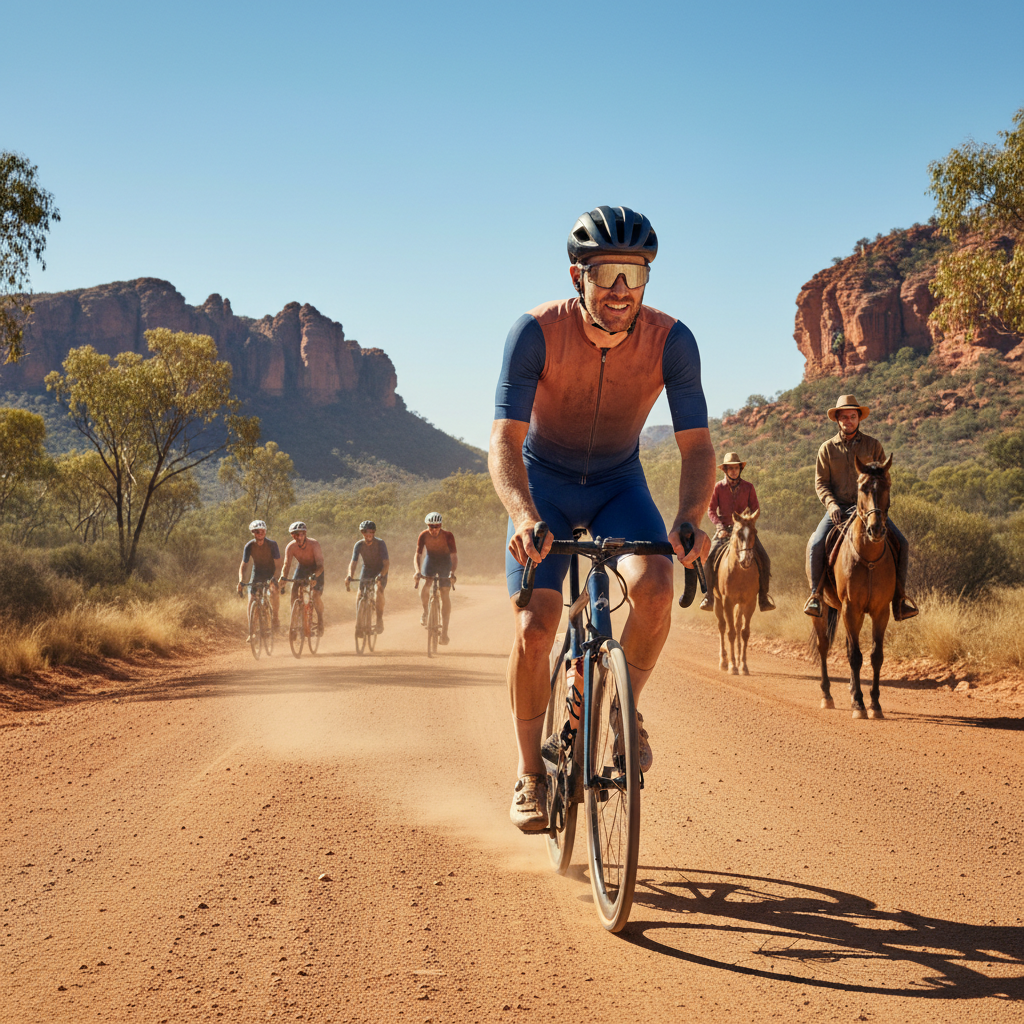
Beat the Heat: Pro Cyclist Sun Management on Australian Roads
Australia. A cyclist's paradise, right? We've got epic coastlines, challenging climbs, and endless open roads. But let's be honest, the sun can be a brutal opponent. High UV indexes, scorching summer temperatures, and days that feel like they stretch on forever – it's a cocktail that can quickly turn a dream ride into a sunburnt, heat-stroked slog. Even the pros, who race in the most demanding conditions globally, have to get smart about managing the heat and UV.
Think about it. These athletes are out there for hours, pushing their limits under direct sunlight. They don't just hope for the best; they have a tactical approach. And the good news? You don't need a professional support crew of mechanics and soigneurs to implement their strategies. Many of the smart moves pros make are simple, practical, and totally achievable for everyday Australian cyclists. Let's cut through the fluff and get down to what actually works.
The Core Problem: Sun & Heat on Your Ride
Before we dive into solutions, let's acknowledge the enemy. In Australia, we're dealing with:
Intense UV Radiation: Even on cloudy days, UV rays can penetrate. A high UV index means a higher risk of sunburn, premature skin ageing, and increased risk of skin cancer. Your skin, especially on your face, neck, and arms, is constantly exposed.
Extreme Heat: Prolonged exposure to high temperatures causes your body to work overtime to regulate its temperature. This leads to dehydration, heat exhaustion, and potentially heatstroke, all of which severely degrade performance and can be dangerous.
Reflected Glare: Water, sand, and even light-coloured roads magnify the sun's intensity, increasing glare and further impacting vision and heat absorption.
Pro Cycling Secrets: What They Do (And How You Can Too)
Pros are masters of efficiency and survival. Their heat and sun management isn't just about comfort; it's about maintaining performance and avoiding breakdowns. Here’s how they do it, broken down into actionable steps for you.
1. Hydration: The Non-Negotiable Foundation
This is probably the most preached-about, and for good reason. Dehydration is a performance killer and a health risk. Pros start hydrating before the ride and continue diligently during and after. It’s not just about chugging water at the end.
Pre-Ride Ramp-Up: They don't wait until they're thirsty. Hours before a big effort, fluid intake is increased significantly. This ensures their body is well-primed.
Electrolytes are Key: Plain water is good, but on long, hot rides, you lose vital salts (electrolytes) through sweat. Pros use electrolyte drinks to replenish these, helping their bodies retain fluids and maintain muscle function. Look for good quality hydration tabs or powders that offer a balanced electrolyte profile.
Sip, Don't Gulp: Consistent, small sips every 15-20 minutes is far more effective than waiting until you're parched and then trying to drink a whole bottle. This allows your body to absorb the fluid efficiently.
Temperature Matters: While ice-cold drinks might feel good initially, they can shock your system. Slightly cool or room-temperature fluids are often preferred for better absorption and less internal cooling shock.
Post-Ride Rehydration: Replenishing lost fluids and electrolytes after the ride is crucial for recovery. Weighing yourself before and after a ride can give you a good idea of how much fluid you've lost (each kilogram lost is roughly a litre of fluid).
2. Strategic Nutrition: Fueling for the Heat
What you eat impacts how your body handles heat. Heavy, fatty, or protein-rich meals can increase your internal metabolic heat production, making you feel hotter. Pros focus on easily digestible carbohydrates for energy and avoid foods that are hard to process.
Carb-Focused: Simple sugars and easily digestible carbs are their go-to. Think energy gels, bars, and drinks designed for quick energy release.
Limit Heavy Meals Pre-Ride: A large, complex meal too close to a hot ride can divert blood to your digestive system, away from your skin for cooling, and increase metabolic heat.
On-Bike Fuel: They constantly refuel with small, easy-to-digest items throughout the ride to maintain energy levels, which in turn helps their body manage the stress of riding in the heat. This is where Products designed for endurance come in handy.
3. Minimising Heat Stress: How They Stay Cool
Beyond drinking and eating right, pros employ several clever tricks to keep their core temperature down. Many of these are surprisingly simple to adopt.
Strategic Cooling: They use sponges, cool water bottles, and even ice packs at key points (like the back of the neck, wrists, and forehead) to actively cool their bodies. Think of it as giving your internal radiator a boost.
Clothing Choices: While professional kits are often dictated by team sponsors, you'll see them favouring lighter, more breathable fabrics. Bright colours can reflect more sunlight than dark colours, although the effect on preventing heat build-up is debated compared to fabric type.
Early Starts & Late Finishes: If they have control over their training or race timing, they'll often start early in the morning or ride later in the evening to avoid the peak heat of the day. This is a lesson anyone can apply to their weekend rides.
Managing Effort: Crucially, they manage their effort. Riding at a sustainable pace that doesn't push their core temperature too high is paramount. Trying to go all-out in hot conditions is a recipe for disaster.
4. Sun Protection: Shielding Against UV Damage
This is where many everyday cyclists fall down. Sunburn isn't just painful; it's a sign of skin damage. Pros take sun protection seriously, and you should too.
High SPF Sunscreen: Applied liberally and frequently, especially on exposed skin like the face, neck, ears, and arms (if not covered by sleeves). Look for water-resistant, broad-spectrum formulas.
The Helmet Brim Advantage: This is a game-changer. Pro cyclists often ride in races where helmets are mandatory. While custom setups are common, the principle is simple: a brim casts shade over the face and eyes. It significantly reduces glare and protects the delicate skin of your forehead and nose. If your helmet doesn't have a substantial brim, or you want extra shade, consider adding one. It’s a simple addition, easy to implement, and makes a huge difference. Check out Products for options. It's far better than constantly squinting or relying on sunglasses that can fog up.
Eye Protection: High-quality cycling sunglasses are essential. They block harmful UV rays, reduce glare, and protect your eyes from dust and insects. Ensure they fit well and don't slip down your nose when you sweat.
Arm Sleeves and Leg Warmers (even in summer): While it sounds counterintuitive, some pros use lightweight, UV-protective arm sleeves even in hot weather. This provides a barrier against the sun's rays, and some materials are designed to wick sweat and even offer a slight cooling effect.
Neck Protection: The back of the neck is a common area for sunburn. A higher collar on your jersey, or even a dedicated neck gaiter made of breathable, UV-protective fabric, can be incredibly effective.
Practical Application for the Australian Weekend Warrior
Let's translate these pro strategies into your everyday cycling life here in Australia.
Your Personal Heat & Sun Management Checklist
[ ] Pre-Ride Hydration: Start drinking extra fluids at least 2-3 hours before your ride.
[ ] Electrolytes: Use electrolyte tabs or drinks for rides longer than 90 minutes, especially in the heat.
[ ] Sunscreen Application: Apply broad-spectrum SPF 50+ sunscreen 15-20 minutes before you head out, covering all exposed skin. Reapply if your ride is very long.
[ ] Sun Protection Gear: Wear a helmet with a good brim, and quality cycling sunglasses.
[ ] Clothing: Opt for lighter coloured, breathable cycling gear.
[ ] Timing: Schedule your rides for early morning or late afternoon to avoid peak sun hours.
[ ] Pacing: Ride within your limits. Don't try to race segment times when it’s baking hot – it’s a fast track to heat exhaustion.
[ ] Cooling Measures: Carry an extra bottle of water to pour over your head and neck if needed.
[ ] Post-Ride Recovery: Rehydrate and refuel promptly upon finishing.
Adapting Pro Techniques: Step-by-Step
Step 1: The Pre-Ride Prep (Night Before & Morning Of)
Evening Before: Ensure your bike bottles are clean and ready. If using electrolyte powder, measure it out. Drink a good glass of water before bed.
Morning Of: Drink at least 500ml of water or electrolyte mix within an hour of waking. Apply sunscreen thoroughly. Put on arm sleeves if you're using them. Check the UV index for the day – if it's 7 or higher, take extra precautions.
Step 2: During the Ride: The Marathoner's Mindset
Hydration Schedule: Set a mental timer or use a cycling computer to remind you to drink every 15-20 minutes. Aim for 2-3 large sips each time.
Nutrition Breaks: Don't go long periods without eating. Have a gel, bar, or piece of fruit every 45-60 minutes. Ease of digestion is key. Check out our range of suitable Products.
Cooling Opportunities: If you pass a public tap or a friendly cafe, don't be shy about topping up a bottle with cool water to pour over yourself. At rest stops, dampen your helmet liner or a bandana to wear under your helmet for a while.
Listen to Your Body: Early signs of heat stress include dizziness, nausea, excessive fatigue, and a headache. If you experience these, stop riding, find shade, and rehydrate. Don’t push through.
Step 3: Post-Ride Recovery: Rebuilding and Rehydrating
Immediate Refuelling: As soon as possible after your ride, have a recovery drink or meal that includes carbohydrates and protein. Continue drinking water or electrolyte fluids.
Cool Down: Shower with cool water. Avoid hot baths which can further dehydrate you. Stay in the shade.
Skin Care: If you’ve been in the sun, use a soothing after-sun lotion. Keep an eye on any red patches.
Overcoming Objections: "It's Too Much Hassle" / "I Don't Get Sunburnt"
Let's tackle the common excuses.
"It takes too much time and effort." Think of it this way: A little bit of preparation saves you a lot of misery later. Applying sunscreen, planning your hydration, and choosing the right time to ride are minor adjustments that pay dividends. Are you willing to sacrifice a bit of discomfort and a lot of potential long-term skin damage for the sake of a few extra minutes on your pre-ride routine? Our How to Install guide shows just how easy it is to add extra sun protection. The initial effort is minimal compared to the benefits.
"I never get sunburned." This is a dangerous assumption. Skin damage from UV radiation isn't always visible as immediate sunburn. Cumulative exposure causes premature ageing, wrinkles, and significantly increases your risk of skin cancer over time. Even if you have a darker skin tone that burns less easily, you are still susceptible to UV damage. Protection is non-negotiable for long-term skin health. For more on helmet care and features, see our FAQ.
- "My helmet is enough." A helmet is essential for safety, but most standard helmets offer very little facial sun protection. That's where adding a brim becomes critical. It's a targeted solution for the most exposed parts of your head and face. A helmet alone doesn't provide shade for your nose, cheeks, or the back of your neck.
The Bottom Line
Pro cyclists are incredibly disciplined when it comes to managing heat and sun, not because they enjoy the extra work, but because it's crucial for performance and survival. You can adopt many of their smart, practical strategies without needing a support van trailing you. Prioritise hydration, fuel smart, respect the heat, and take sun protection seriously. Adding a simple, effective brim to your helmet is one of the most impactful, low-effort ways to significantly improve your comfort and protection on those long Australian rides.
Don't let the sun dictate your riding experience. Be prepared, ride smart, and enjoy the journey. For more practical tips and product information, head over to our Blog or explore our Products. Stay safe out there!