
Beat the Heat: Pro Cyclist Sun Management for Your Next Aussie Ride
Pro cyclists don't just wing it when it comes to extreme Aussie sun and heat. Learn their practical strategies and apply them to your own rides with a helmet brim designed for Australian conditions.
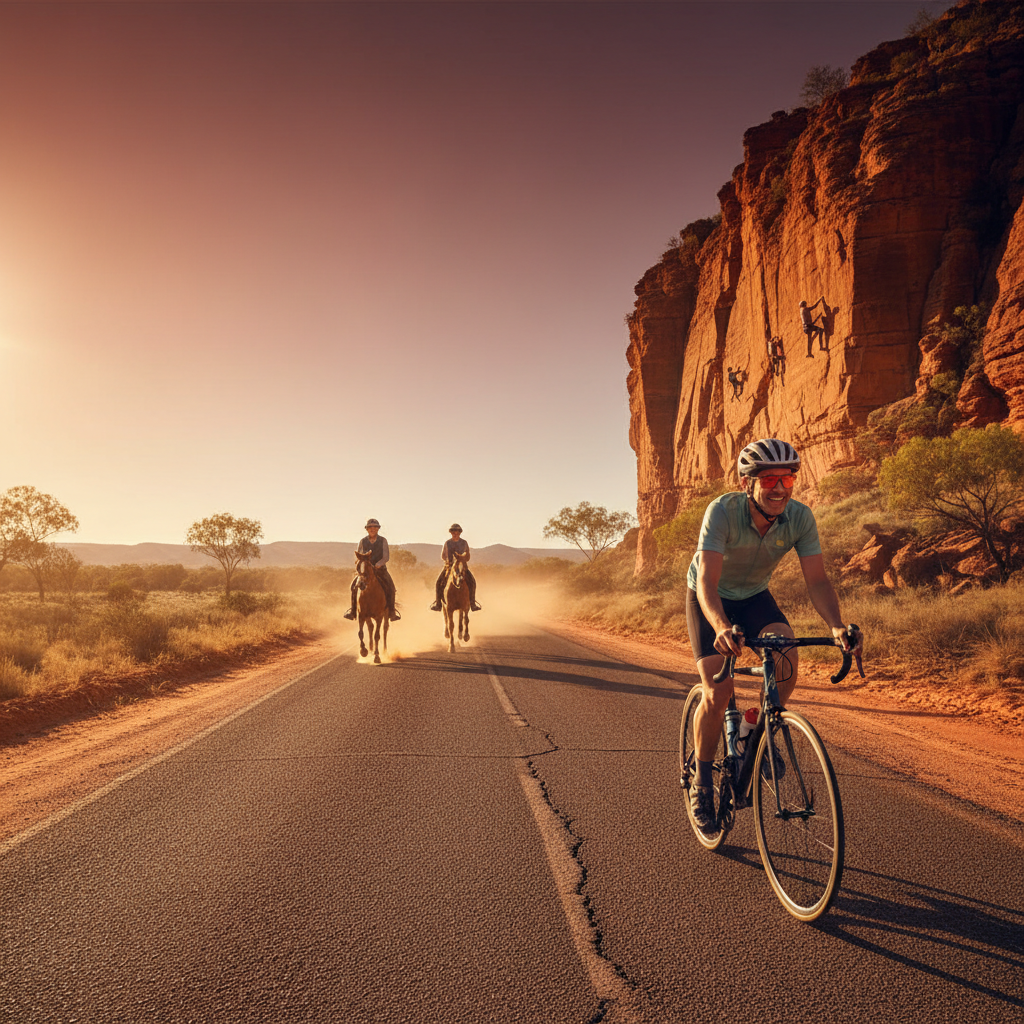
Beat the Heat: Pro Cyclist Sun Management for Your Next Aussie Ride
Australia. Beautiful country for cycling. Scorching sun. Intense heat. Long cycling days. Sound familiar? While we love hitting the open road, we also know the risks. Sunburn, heatstroke, and general discomfort can turn a great ride into a miserable ordeal. So, what do the professionals do to manage these harsh conditions? They don't just pull a lever and magically become immune. It's a combination of meticulous planning and smart tactics that you can, and should, adopt.
Let's cut the fluff. Pro cyclists have immense resources and support, but the core principles of managing heat and sun are surprisingly accessible. They prioritise staying cool, protected, and hydrated above all else. And you know what? A key piece of their defence against the sun is something you can easily integrate into your own rides: a superior helmet brim.
Why Pro Cyclists Take Sun and Heat Seriously
It's not just about looking good in the peloton. For pros, performance and health are paramount. Extended exposure to high UV levels and extreme temperatures can lead to:
Reduced Performance: Dehydration and overheating directly impact your power output and endurance. Your body fights to cool itself instead of pedalling effectively.
Increased Risk of Heat Illness: Heat exhaustion and heatstroke are serious medical emergencies. They can end a ride abruptly and have lasting health consequences.
Long-Term Skin Damage: Accumulative UV exposure leads to premature ageing and significantly increases the risk of skin cancer. Cyclists, especially those on long rides, are particularly vulnerable.
Eye Strain and Vision Impairment: Glare from the sun, especially off the road, can cause eye fatigue and temporary vision issues, which is dangerous when navigating traffic.
Pro Strategies You Can Adopt Right Now
Pros optimise everything. For sun and heat, this means:
1. Timing is Everything
Early Starts & Late Finishes: The strongest UV radiation and highest temperatures typically occur between 10 am and 3 pm. Pros often schedule their longest or most intense rides for the cooler parts of the day – very early mornings or later afternoons. This is a simple, effective tactic.
Mid-Day Breaks: If a long ride must span the hottest part of the day, pros build in dedicated rest stops in shaded areas. Hydration and cooling down are the priorities here.
2. Hydration: The Non-Negotiable
This isn't rocket science, but it's critical. Pros drink constantly.
Pre-Hydration: Starting the ride already well-hydrated is key. This means drinking plenty of water in the hours leading up to your ride.
Sip, Sip, Sip: Don't wait until you're thirsty. Thirst is a late indicator of dehydration. Small, frequent sips from your bottles are far more effective than gulping large amounts infrequently.
Electrolytes: Especially on longer, hotter rides, plain water isn't enough. Electrolyte drinks replenish essential salts lost through sweat, helping your body retain fluid and function optimally.
3. Sun Protection: Beyond Sunscreen
Sunscreen is a must, but it's not the whole story. Pros use a multi-pronged approach:
High SPF Sunscreen (and Reapplication): They use broad-spectrum SPF 50 or higher and apply it generously to all exposed skin at least 20 minutes before sun exposure. On long rides, reapplication is crucial. They might carry small travel-sized tubes or have support staff to assist.
Protective Clothing: While cycling jerseys are often lightweight, pros opt for lighter colours that reflect heat and fabrics with UPF (Ultraviolet Protection Factor) ratings. Arm warmers and leg sleeves made from UV-protective material are common even on warmer days.
Eye Protection: High-quality cycling sunglasses are non-negotiable. They block UV rays, reduce glare, and protect eyes from dust and debris. Their lenses are designed to enhance contrast, helping riders see road imperfections.
The Helmet Brim: This is where many everyday cyclists fall short. Pros understand the immense benefit of a helmet brim. It creates shade for your face, neck, and even the back of your neck, significantly reducing direct sun exposure where sunscreen can be difficult to apply effectively or prone to sweating off.
The Helmet Brim: A Pro's Secret Weapon Against the Aussie Sun
Think about it. The sun beats down from above. Your helmet covers your head, but the brim offers a vital additional layer of defence. For Australian conditions, with our high UV index and relentless sun, a good helmet brim isn't a luxury; it’s essential protection.
Many standard bike helmets have very small, sometimes decorative, brims. They offer minimal shade. We're talking about a brim designed for purpose – to create a generous shadow over your face, eyes, and upper neck. This is exactly what pros employ.
Why a Proper Helmet Brim Matters
Direct UV Shield: It physically blocks UV rays from hitting your face and eyes directly. This is far more effective than relying solely on sunscreen that can sweat off.
Reduced Glare: The extended shade minimises glare, making it easier to see the road ahead and improving overall riding safety.
Cooler Face: Less direct sun on your face means your skin heats up less, contributing to overall comfort and helping your body manage heat.
Neck Protection: Even the upper part of your neck can get significant sun exposure. A well-designed brim extends its protective shadow downwards.
Common Objections and How to Handle Them
"It looks uncool/ugly." Pros prioritise function. A little bit of shade on your face will make you feel and ride better. Functionality for Australian conditions trumps vanity every time. Think of it as a practical piece of gear, like your padded shorts.
"It will get in the way/catch the wind." A well-designed brim is streamlined. It's positioned to provide shade without creating excessive drag. Professional designs consider aerodynamics. Our products are engineered with this balance in mind.
"I wear sunscreen, that's enough." As mentioned, sunscreen alone is insufficient for long-duration, high-intensity exposure in Australian sun. A brim is an active shielding mechanism that complements sunscreen.
"My helmet already has a brim." Most standard helmets have minimal brims. If you can still feel direct sun on your forehead or see glare around the edges, your brim isn't doing enough. You need something more substantial, designed for serious sun.
Implementing Pro Tactics for Your Rides
Let's break down how you can put these strategies into action. It's about being prepared and riding smart.
Pre-Ride Checklist for Hot & Sunny Days
Before you even clip in, tick these boxes:
[ ] Check the UV Index and Temperature: Know what you're up against.
[ ] Plan Your Route & Timing: Aim for cooler hours, minimise exposure to peak sun.
[ ] Hydration: Drink plenty of water and electrolytes leading up to the ride.
[ ] Sunscreen: Apply high SPF, broad-spectrum sunscreen to all exposed skin.
[ ] Gear Check:
Helmet with effective brim fitted correctly.
Cycling sunglasses with UV protection.
Light-coloured, UPF-rated cycling gear if possible.
Sufficient water bottles filled with water and/or electrolyte mix.
- [ ] Carry Essentials: Small sunscreen for reapplication, spare electrolytes, basic tools.
Step-by-Step Sun & Heat Management During Your Ride
1. Start Hydrated: Begin your ride feeling optimally hydrated.
2. Sip Regularly: Take small sips from your bottles every 10-15 minutes, even if you don't feel thirsty.
3. Utilise Your Brim: Position your helmet so the brim provides maximum shade for your face and eyes. Adjust as the sun angle changes.
4. Cool Down if Needed: If you start feeling overly hot or tired, find a shaded spot. Rest, drink, and consider pouring a little water over your head or neck.
5. Reapply Sunscreen: On longer rides (over 2-3 hours), reapply sunscreen to your face, neck, and ears during any extended stops.
6. Listen to Your Body: Fatigue, headache, dizziness, or nausea are signs your body is struggling. Don't push through extreme heat. It's better to cut the ride short and stay safe. Check out our Blog for more on recognising heat illness signs.
Don't Let the Heat Win: Choose the Right Gear
We know what it's like to ride in Australia. It's why we designed products to specifically address these challenges. Our helmet brims are not an afterthought; they are a critical component for effective sun and heat management. They are built to offer superior shade and protection without compromising on comfort or aerodynamics.
Attaching one is simple. Check out our guide on How to Install to see how easy it is to upgrade your existing helmet.
Final Thoughts
Pro cyclists manage heat and sun not by accident, but by design. They employ a layered approach: smart timing, relentless hydration, and effective physical protection. Your health and enjoyment on the bike depend on the same principles.
Don't underestimate the power of a well-designed helmet brim. It’s a practical, affordable, and highly effective way to increase your comfort and safety, especially under the harsh Australian sun. Ready to upgrade your ride protection?
For more tips and common questions, visit our FAQ page. Ride smart, ride safe, and enjoy the Australian outdoors without the struggle of the sun.