
Beat the Heat: Pro Cyclist Sun & Heat Strategies for Australian Riders
Australian cycling means sun and heat. Pro cyclists have proven strategies. Learn how to adapt their tactics for everyday riding, protect yourself from harsh UV, and stay comfortable on even the hottest days.
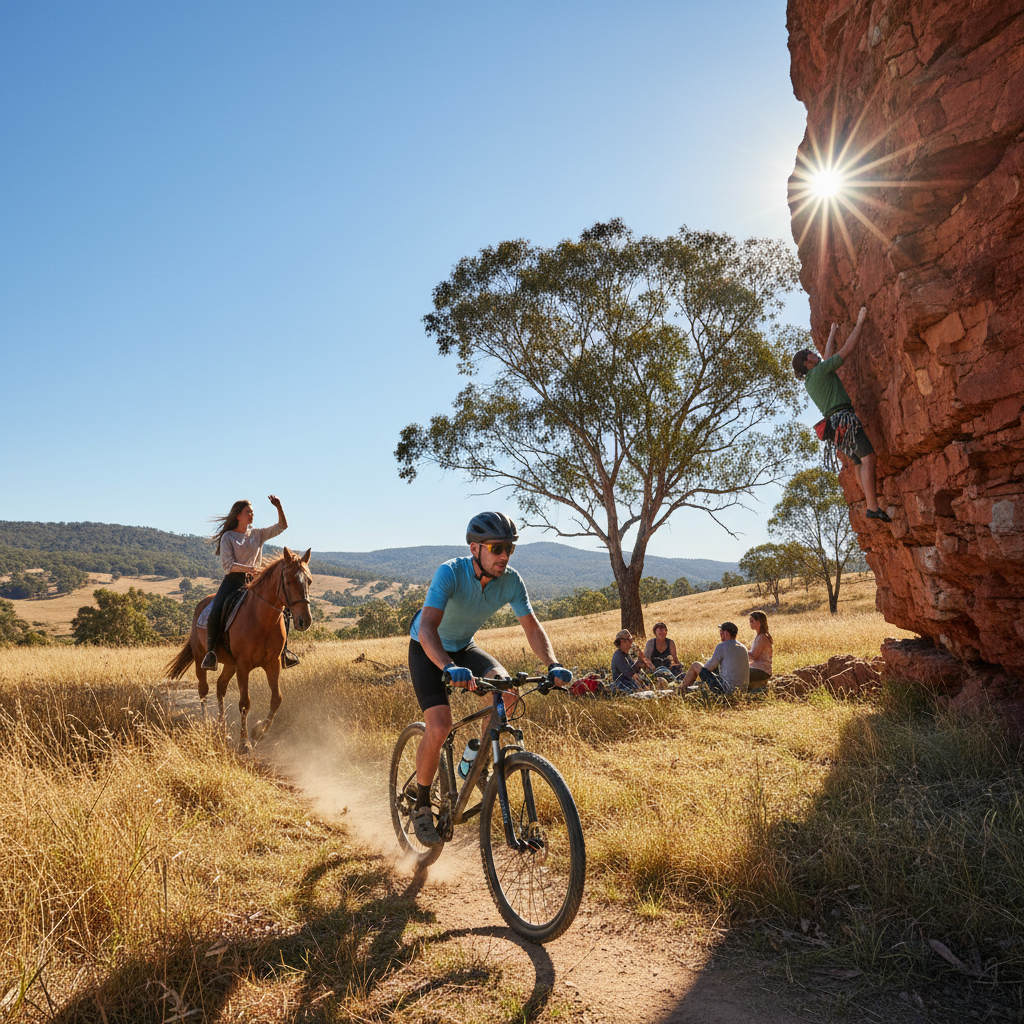
Beat the Heat: Pro Cyclist Sun & Heat Strategies for Australian Riders
Australia. Land of the long ride, the scorching sun, and the relentless UV index. For cyclists, these conditions aren't just an inconvenience; they're a serious challenge to performance, comfort, and health. While professional cyclists might seem to glide effortlessly through heatwaves and intense sunlight, they're employing a suite of strategic approaches to manage it. You can too.
This isn't about being a pro. It's about riding smarter, safer, and more comfortably, regardless of your skill level. Forget the myths and get down to practical, actionable advice. We'll break down what the pros do and how you can implement it on your next Australian adventure, protecting your skin and your focus.
The Unforgiving Australian Sun: More Than Just a Tan Line
Let's be honest. Australian sunshine is a different beast. Our UV index can soar, even on cloudy days. Long summer rides can expose you to hours of harmful radiation. The heat can sap your energy, dehydrate you faster than you can say "esky," and even lead to heatstroke if you're not prepared. This isn't just about avoiding sunburn; it's about minimising long-term skin damage and maintaining your ability to perform and enjoy your ride.
Professional cyclists operate at the sharp end of this. They rely on optimal performance, and heat and sun are major performance inhibitors. They also have a vested interest in their health and career longevity, making sun protection paramount. So, what can we learn from their playbook?
Pro Strategies: A Tactical Breakdown
Pros don't just slap on sunscreen and hope for the best. Their approach is multi-faceted, encompassing equipment, nutrition, hydration, riding strategy, and recovery.
1. Equipment is Key: Your First Line of Defence
While pros have sponsors, their choices are driven by function. For us, function means maximum protection with minimal hassle.
Helmets with Integrated Shade: This is non-negotiable. A helmet is safety first. But a helmet with a properly designed brim offers crucial shade for your face, eyes, and neck. Professional road cyclists often ride without brims, as they can create aerodynamics issues at extreme speeds. However, for everyday riding, commuting, gravel adventures, or any situation where peak aerodynamic efficiency isn't the sole priority, a brim is a game-changer.
Pros: Provides shade, reduces glare, protects from sunburn on the face and forehead, can help keep sweat out of your eyes. Reduces the need for constant squinting, lessening eye strain. No more sunburned nose!
Cons: Can, in highly specific aerodynamic scenarios, create drag. Properly designed brims minimise this significantly.
UV-Protective Sunglasses: Essential for protecting your eyes from UV rays and glare. Look for wraparound styles that offer good coverage and fit securely under your helmet.
Lightweight, Breathable Apparel: Moisture-wicking jerseys and bib shorts. These draw sweat away from your skin, helping you stay cooler and reducing chafing. Lighter colours reflect more heat.
Arm and Leg Sleeves: While seemingly counterintuitive to wear more, specialised UV-protective sleeves can actually keep you cooler by wicking sweat and protecting your skin from direct sun. They reduce the need for constant sunscreen application on these large surface areas.
2. Hydration: The Lifeblood of a Cool Rider
This is where many amateur riders fall short. Dehydration doesn't just make you feel sluggish; it severely impairs your body's ability to regulate temperature. Pros treat hydration like a science.
Pre-Hydration: Start hydrating hours before your ride. Don't wait until you're thirsty. Water is good, but electrolytes are crucial for prolonged efforts in the heat.
Sip, Don't Gulp: Small, frequent sips are more effective than chugging a bottle. Aim to drink every 15-20 minutes, even if you don't feel thirsty.
Electrolyte Replacement: On rides longer than an hour or in scorching heat, water alone isn't enough. Electrolyte drinks replace essential salts lost through sweat, helping your body retain fluids and prevent cramping.
Cold Water: Where possible, use chilled water or ice in your bottles. This makes drinking more appealing and provides a slight cooling effect as it's consumed.
3. Nutrition: Fueling for the Heat
Heat impacts digestion. Heavy meals before or during a ride can make you feel sluggish and exacerbate heat stress. Pros focus on easily digestible, energy-dense foods.
Pre-Ride Meal: Focus on complex carbohydrates and moderate protein, eaten a few hours before your ride. Avoid excessive fat or fibre.
During the Ride: Energy gels, chews, or blocks are ideal. They provide quick energy without being heavy. Salty snacks can also help replenish sodium lost through sweat.
Post-Ride Recovery: Replenish carbohydrates and protein to aid muscle repair and rehydration.
4. Riding Strategy: Working Smarter, Not Hotter
Pros adjust their pace and strategy based on conditions.
Timing is Everything: If possible, ride during cooler parts of the day – early morning or late evening. Avoid the peak sun hours (10 am - 4 pm) if longer rides are unavoidable.
Pacing: Don't go out too hard. The heat will punish you later. Ride conservatively, especially in the first half of your outing. Conserve energy and fluid.
Shade Seeking: On longer, hotter rides, strategically use any available shade. Even a few minutes under a tree can provide a brief respite.
Drafting: Riding behind others (drafting) reduces wind resistance and can be slightly less taxing. However, in extreme heat, excessive close-proximity drafting might still lead to overheating due to reduced airflow.
5. Cooling Techniques: Professional Hacks
These are the small but significant details pros implement.
Douse Yourself: Pouring water over your head, neck, and wrists can provide significant cooling. This is most effective when water can evaporate, so it's better in less humid conditions.
Ice Vests/Gilets (for extreme events): In ultra-endurance events or extreme heat, some pros use specialised ice vests. For most recreational riders, this isn't practical, but the principle of active cooling is worth noting.
Cooling Towels: A reusable cooling towel, soaked in water and worn around the neck, can offer continuous evaporative cooling.
Helmet Ventilation: Ensure your helmet has good ventilation. While a brim adds shade, it shouldn't compromise airflow too much. Modern helmet designs balance these needs.
Objections Handled: Common Excuses and Solutions
Let's tackle some common reasons people don't fully embrace sun and heat management:
Objection 1: "Helmets are hot enough without adding a brim!"
Reality: A properly designed brim like our Da Brim doesn't significantly impede airflow. In fact, by keeping the sun off your head and face, it can make you feel cooler by reducing direct heat gain. The brim's primary function is shade, not to block ventilation. Most helmets have vents designed to draw air through the helmet; a brim sits on the outside.
Objection 2: "Sunscreen is enough."
Reality: Sunscreen is crucial, but it's not a perfect solution for prolonged exposure. It washes off with sweat, needs reapplication (difficult mid-ride for many), and doesn't protect against glare or provide the immediate cooling effect of shade. A brim offers passive, consistent protection.
Objection 3: "I'm tough, I can handle the heat."
Reality: "Toughness" doesn't prevent heatstroke or long-term skin damage. It's about smart riding and respecting the conditions, not brute force. Pushing too hard in the heat leads to poor decision-making, increased risk of crashes, and can significantly set back your training or enjoyment.
Objection 4: "Aerodynamics are more important."
Reality: For most of us, on most rides, aerodynamics are a secondary concern compared to comfort, safety, and sun protection. While pros chase every watt, your everyday ride benefits far more from shade and reduced glare than shaving off a few seconds of drag. The right brim is designed to minimise aerodynamic impact.
Your Sun & Heat Management Checklist
Here's a quick rundown to ensure you're prepared before you hit the road:
[ ] Helmet: Check for effective ventilation and consider adding a brim for maximum sun protection.
[ ] Sunglasses: UV-rated, good coverage, secure fit.
[ ] Sunscreen: SPF 30 or higher, applied generously to all exposed skin at least 20 minutes before riding.
[ ] Hydration: Bottles filled with water and/or electrolyte mix.
[ ] Apparel: Lightweight, moisture-wicking.
[ ] Snacks/Nutrition: Enough for your ride duration.
[ ] Clothing: Arm/leg sleeves if needed for extended sun exposure.
[ ] Ride Plan: Know your route, water stops, and expected conditions. Consider the time of day and the UV index.
Implementing Pro Strategies in Your Ride: Step-by-Step
Let's translate these pro tactics into actionable steps for your next Australian cycling outing:
Before Your Ride:
1. Check the Weather & UV Index: This dictates your strategy. If it's extreme, consider rescheduling or shortening your ride. Check the Bureau of Meteorology (BOM) for Australian conditions.
2. Hydrate: Drink at least 500ml of water in the 2 hours before you leave.
3. Apply Sunscreen: Cover all exposed skin – face, neck, ears, arms, legs. Don't forget the tops of your feet.
4. Prepare Your Gear: Ensure your bottles are filled. If using electrolyte tabs, add them. Pack appropriate snacks.
5. Pre-Ride Meal: Have a light, carbohydrate-focused meal 2-3 hours prior.
During Your Ride:
1. Start Conservatively: Don't warm up too fast. Let your body gradually adapt.
2. Sip Regularly: Aim for a small sip from your bottle every 15-20 minutes. Adjust based on how much you're sweating.
3. Eat on the Go: Consume your energy snacks at regular intervals (e.g., every 45-60 minutes for longer rides).
4. Seek Shade When Possible: Use brief stops under trees or awnings to your advantage, especially on longer rides.
5. Cool Down: If you feel yourself overheating, especially at stops, pour a little water on your head, neck, and wrists. A cooling towel around your neck is also effective.
6. Listen to Your Body: If you feel dizzy, nauseous, or unusually fatigued, stop in a cool place immediately. Prioritise safety over performance.
After Your Ride:
1. Rehydrate: Continue drinking water and electrolyte drinks.
2. Refuel: Have a recovery meal or snack containing carbohydrates and protein.
3. Cool Down: Shower with cool water. Relax in the shade.
4. Check Your Skin: Look for any signs of sunburn or irritation.
Beyond the Ride: Long-Term Protection
While our focus is on managing heat and sun during* the ride, remember that consistent protection is key to preventing long-term damage. That's why a helmet brim is a valuable, everyday addition for serious cyclists.
Our range of Da Brim helmet brims are designed to attach easily to most cycling helmets, offering superior shade and UV protection without compromising your existing helmet's safety features. They're built tough for Australian conditions and are the closest you'll get to adapting that professional edge for your own rides. Installation is straightforward – check out our How to Install guide.
Many of your questions about helmet brims and sun protection are answered on our FAQ page.
Conclusion: Ride Smarter, Ride Safer
Professional cyclists employ a rigorous, science-backed approach to heat and sun management because it directly impacts their performance and health. By adapting these strategies – focusing on smart equipment choices like a helmet brim, prioritising hydration and nutrition, and employing effective riding tactics – you can transform your own cycling experience in the Australian sun.
Don't let the heat or the UV index dictate your limits. With the right preparation and a few pro-level insights, you can enjoy longer, more comfortable, and significantly safer rides. Explore our Products to find the ideal Da Brim for your helmet and take control of your ride, no matter how hot it gets.
For more tips and advice, visit our Blog.