
Beat the Heat: Pro Cyclist Sun & Heat Management for Your Ride
Don't let scorching Australian sun and heat derail your cycling. Learn practical strategies used by pro cyclists to stay cool, protected, and performing at their best, even on the longest summer days.
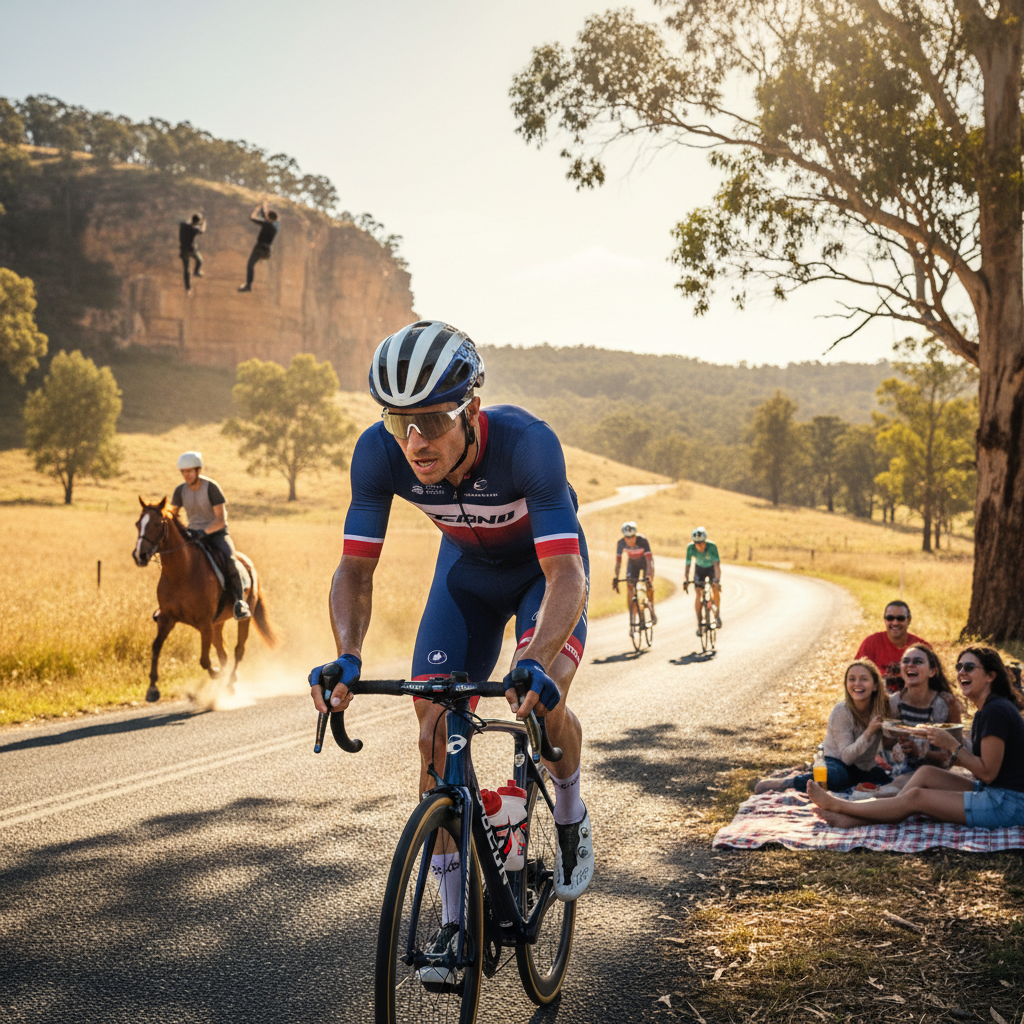
Beat the Heat: Pro Cyclist Sun & Heat Management for Your Ride
Australia. Beautiful one day, scorching the next. If you're a cyclist, you know the deal. Long days in the saddle under a relentless sun can quickly turn a great ride into a miserable, and even dangerous, experience. While the pros seem to power through, effortlessly looking cool and collected, there's a science and a strategy behind their resilience. It’s not magic; it’s preparation and smart tactics.
This isn't about chasing KOMs in 40-degree heat. This is about making your regular rides enjoyable and safe, whether you're commuting across town or training for your next event, especially when the UV index is climbing and the mercury is rising.
The Enemy: Australian Sun and Heat
Let's call a spade a spade. Australian UV levels are no joke. Even on cloudy days, UV radiation can be high. Add to that the intense heat, often exacerbated by asphalt radiating warmth, and you've got a recipe for sunburn, heatstroke, dehydration, and impaired performance. The pros who compete in events like the Tour Down Under, or train in the UAE and Europe during their summers, face similar, if not worse, conditions. They have support crews, but their personal strategies are absolutely transferable to your everyday cycling.
What Pro Cyclists Do (And You Can Too)
Forget about just slapping on sunscreen and hoping for the best. Pro cyclists employ a multi-pronged approach. It involves what they wear, what they drink, how they pace themselves, and how they manage their body temperature.
1. Strategic Layering & Protection
This is more than just a jersey. Think about how pros manage different conditions. They're not just wearing the same thing in the Alps as they are in the desert.
The Helmet First: Your helmet is non-negotiable. But is it doing enough for sun protection? Many standard helmets offer minimal shade for your face and neck. Intense sun can lead to glare, affecting vision, and direct UV exposure on your scalp and face. This is where a helmet brim becomes critical. It's not just about aesthetics; it's a functional piece of gear to shield your face and eyes. You can find fantastic options in our Products section designed specifically for enhanced sun protection.
Lightweight, Breathable Fabrics: Pros wear jerseys and shorts made from advanced, moisture-wicking fabrics. These fabrics pull sweat away from your skin, allowing it to evaporate and cool you down. They also reflect sunlight rather than absorbing it. Light colours are your friend here.
Lycra is Your Armour: Don't discount the sun protection offered by tight-fitting cycling kit. The dense weave of quality lycra provides a significant barrier against UV rays, often much better than loose-fitting clothing. The higher the UPF rating of your gear, the better.
Arm and Leg Warmers (or Coolers?): While counterintuitive in heat, sometimes light, UV-protective arm and leg coverings can help. They prevent direct sun exposure on your skin, which can absorb heat. Think of them as a physical barrier against UV. Many cycling brands offer these in lighter, more breathable materials specifically for hot weather.
2. Hydration and Electrolyte Management
This is arguably the most crucial aspect of managing heat.
Sip, Don't Gulp: Pros constantly sip fluids throughout their ride, not waiting until they're parched. This is key to maintaining hydration levels. Their bottles are filled with a mix of water and electrolyte solutions.
Electrolytes are Non-Negotiable: When you sweat, you lose not only water but essential salts like sodium, potassium, and magnesium. Replenishing these electrolytes is vital for muscle function, preventing cramps, and maintaining fluid balance. Plain water alone won't cut it on long, hot rides.
Know Your Mix: Most professional teams use custom electrolyte drinks. For everyday cyclists, a good quality sports drink that balances carbohydrates and electrolytes is essential. You can also use electrolyte tablets or powders added to your water bottles. Experiment to find what suits your taste buds and your gut.
Pre-Hydration and Post-Hydration: The process starts before you even get on your bike and continues after you've finished. Drink plenty of fluids in the hours leading up to your ride and rehydrate thoroughly afterwards.
3. Pacing and Strategy
Pros don't just ride hard all the time, especially in the heat.
Start Early, Finish Early: The golden rule of riding in the heat. Early morning or late evening rides are significantly cooler and safer. If you must ride during peak sun hours, be realistic about your pace.
Seek Shade: When possible, ride on routes with natural shade from trees or along the shady side of roads. Take advantage of any opportunities to cool down.
Know Your Limits: Heat exhaustion and heatstroke are serious. If you feel dizzy, nauseous, or have a severe headache, stop riding. Find shade, drink fluids, and if necessary, seek medical attention. Don't push through these symptoms.
4. Direct Cooling Techniques
Pros use some clever tricks to actively cool their bodies.
Water on the Head/Body: Dousing yourself with water is a proven way to cool down. In a race, handlers will often throw musette bags with ice and sponges. You can achieve a similar effect by pouring water over your head, neck, and wrists (where blood vessels are close to the skin's surface). A cold, wet bandana or cap under your helmet can also be surprisingly effective.
Ice Socks: In Grand Tours, riders sometimes use ice-filled socks or vests at feed zones to rapidly cool their core temperature. You might not have a support car, but think about pre-chilling your water bottles or even carrying a small cooler for post-ride recovery drinks.
Practical Application: Your "Beat the Heat" Checklist
To make it simple, here’s a checklist you can tick off before and during your next hot-weather ride.
Before the Ride:
[ ] Check the UV Index and forecast. Plan your ride accordingly.
[ ] Apply high-SPF, broad-spectrum sunscreen (water-resistant) to all exposed skin, including face, neck, ears, and backs of hands.
[ ] Wear a helmet with a quality sun brim for maximum facial shade. (Check out our Products for options).
[ ] Select lightweight, light-coloured, moisture-wicking cycling gear.
[ ] Hydrate well in the hours leading up to the ride.
[ ] Fill bottles with water and electrolyte mix.
[ ] Plan your route, considering shade and water stops.
During the Ride:
[ ] Sip fluids regularly – don’t wait until you’re thirsty.
[ ] Consume electrolyte supplements as needed.
[ ] Pace yourself, especially during peak heat.
[ ] Seek shade whenever possible.
[ ] Pour water over your head and neck during your ride if feeling overheated.
[ ] Be aware of your body's signals. Stop if you feel unwell.
After the Ride:
[ ] Continue rehydrating with water and electrolytes.
[ ] Eat a balanced meal to replenish energy stores.
- [ ] Cool down gradually.
Step-by-Step: Maximising Your Helmet's Sun Protection
Your helmet is your primary defence, but sometimes it needs a little help. We’ve already mentioned the importance of a good brim. But how do you ensure it’s working for you?
1. Choose the Right Brim: If your current helmet doesn't offer adequate shade, consider an add-on brim or a helmet specifically designed with a larger, more effective brim. Our Products page has details on helmet brims designed to integrate with most cycling helmets.
2. Positioning is Key: Ensure the brim is positioned correctly to cast maximum shade over your eyes and face. This might involve slight adjustments to how you wear your helmet, though comfort and proper fit are paramount. The brim should extend far enough forward without obstructing your vision upwards.
3. Utilise Coolers Underneath: For extreme heat, consider a thin cycling cap or skullcap made from cooling material. Soak it in water (or even freeze it slightly beforehand) and wear it under your helmet. This provides an extra layer of insulation and direct cooling for your head. See our FAQ for maintenance tips on cycling gear.
4. Regular Cleaning: Sweat and grime can build up. Cleaning your helmet regularly, including any attached brims, ensures they function optimally and don't become a source of skin irritation. Refer to your helmet’s manual for specific cleaning instructions.
Common Objections and How to Handle Them
Objection 1: "A helmet brim looks nerdy/unprofessional."
Reality: Professional riders in hot climates are increasingly adopting functional headwear that prioritises sun protection and airflow. The "look" is becoming secondary to performance and health. A well-designed brim integrated into a helmet or as an add-on doesn't have to be unfashionable. More importantly, severe sunburn or heatstroke is far less professional.
Objection 2: "I've ridden in the heat for years without issues."
Reality: Our bodies can adapt, but cumulative sun exposure leads to long-term skin damage, including premature aging and increased risk of skin cancer. Heatstroke can be sudden and life-threatening. Conditions are also changing, and what was manageable years ago might be riskier now. Proactive strategies are about long-term health and consistent performance, not just surviving the moment.
Objection 3: "It's too much hassle to prepare for heat."
Reality: A little preparation goes a long way. Simple steps like choosing the right gear, pre-filling bottles, and checking the UV index take minutes. The benefits – enhanced comfort, better performance, and critical sun protection – are immense. Think of it as part of your pre-ride ritual, like checking your tyres. You can find useful accessories and advice on our Products page and in our Blog posts.
Conclusion: Ride Smarter, Not Just Harder
Replicating the strategies of pro cyclists isn't about having a team car behind you. It's about adopting their mindset: informed, prepared, and strategic. By focusing on effective sun protection with your helmet, smart hydration, and intelligent pacing, you can transform your hot-weather cycling experience from a battle against the elements into an enjoyable ride. Don't let the Australian sun dictate your passion. Ride smart, stay protected, and enjoy the journey.
For more tips and to equip yourself with the best gear for sun and heat management, explore our Products or visit our FAQ and Blog sections.